

 Se i rummet
 Send
Send Del
Del
 Detaljer
 Studieguide til kunstværker

 Download
 Lignende værker
 Røntgenundersøgelse
 Se diasshow
 Statistik
St Jerome
 Oil On Canvas
- WallArt
- Baroque Painting
 1635
1635 278.0 x 238.0 cm
 Kunsthistorisches Museum
 Læs mere
Giclée / Kunsttryk
Giclée- eller lærredstryk i museumskvalitet med hurtig produktion og fleksible muligheder for finish. ( Bestil håndmalet reproduktion Skift til digitalt billede)




P118B Dkr10

P118H Dkr10

P118W Dkr10

P438Z Dkr10

P508JH Dkr12

P508YH Dkr12

P805H Dkr10

P805Z Dkr10

P919BZ Dkr10

P919G Dkr10

P919XJ Dkr10

P959ZH Dkr10

P968JZ Dkr12

W106C Dkr8

W218G Dkr10

W218JH Dkr8

W218Y Dkr10

W307PJ Dkr10

W316G Dkr10

W316PJ Dkr8

W316Y Dkr10

W398PJ Dkr8

W4111J Dkr10

W500HY Dkr15

W500JH Dkr15

W692G Dkr12

W849H Dkr8

W940BG Dkr15

W953PJ Dkr8




Vælg mellem vores forudindstillede størrelser, der matcher kunstværkets originale proportioner.

Indtast den bredde og højde, du har brug for, så det passer til din ramme eller din væg. Et print kan kun beskæres, aldrig gøres større end billedet, så en størrelse med en anden form vil miste en del af motivet. Vi sender dig en digital mockup til godkendelse, før vi printer noget. Billedet vist på denne side viser ikke den faktiske beskæring — det er kun mockuppen, der gør.
Verdensomspændende levering () på 2 uger i stedet for de sædvanlige 4/5 uger. (23 oktober)

Gratis ekspresforsendelse til hele verden

Lærred af linned i høj kvalitet

Komplet transportforsikring

Garanti for refusion af told og importafgifter

Garanti for autentisk farvegengivelse

100 dages returret ved fabrikationsfejl

100% fuld returret

Mængderabat ved flere køb
 Glasmulighed er kun tilgængelig i størrelser under 110 cm

St Jerome
Giclée / Kunsttryk
Reproduktionsstørrelse
-


Samlet pris
Dkr 532
A Portrait of Contemplation: Guido Reni’s St. Jerome
Guido Reni's "St. Jerome," painted around 1635, is more than just a depiction of a revered biblical figure; it’s an immersive experience in solemnity and profound introspection. Rendered with the meticulous detail characteristic of the Baroque period, this oil on canvas work transports the viewer into the heart of St. Jerome's solitary existence – a life dedicated to prayer, translation, and wrestling with the weighty questions of faith and mortality. Reni, known as “Le Guide” (the Guide) for his masterful guidance in artistic technique, skillfully employs light and shadow to sculpt the figure’s form, creating an almost palpable sense of age and wisdom.
The painting's composition is deceptively simple yet profoundly effective. St. Jerome dominates the central space, his posture conveying a deep-seated contemplation. His hands, gnarled with age, rest upon a worn book – a symbol of his tireless work in translating the Holy Scriptures into Latin, a monumental task that cemented his place in Christian history. A stark skull rests at his feet, a potent reminder of human frailty and the inevitability of death, a visual anchor to the spiritual themes explored within the artwork. The background, rendered with subtle atmospheric perspective, suggests a vast, desolate landscape – mirroring the saint’s own internal journey.
Baroque Mastery: Technique and Detail
Reni's technical prowess is immediately evident in the painting’s exquisite detail. He masterfully utilizes *hatching* and *cross-hatching*, layering thin lines to build up tonal values and create a remarkable sense of texture, particularly in the folds of St. Jerome’s robe and the rough surface of his face. The artist's command of light is equally impressive; it falls dramatically across the figure, highlighting key features while casting deep shadows that emphasize his age and solitude. The use of *chiaroscuro* – the dramatic contrast between light and dark – not only adds depth but also imbues the scene with a sense of theatrical intensity.
The painting was executed in the manner of an engraving, utilizing metal plates and intricate carving techniques to achieve the precise lines that define the image. This method allowed for exceptional detail and clarity, hallmarks of Reni’s style. The careful rendering of St. Jerome's facial features – the furrowed brow, the deeply etched wrinkles, the piercing gaze – speaks volumes about his inner turmoil and unwavering devotion.
Symbolism and Spiritual Depth
Beyond its technical brilliance, “St. Jerome” is rich in symbolic meaning. The book represents not just the Bible but also the arduous process of intellectual and spiritual labor. The skull serves as a constant reminder of mortality and the importance of living a virtuous life. The cross, prominently displayed on St. Jerome’s arm, signifies his sacrifice and devotion to God. Furthermore, the saint's solitary pose reflects the contemplative nature of monastic life and the pursuit of inner peace.
The painting resonates with themes of repentance, faith, and the struggle between earthly desires and spiritual aspirations – core tenets of Christian theology. Reni’s portrayal of St. Jerome is not simply a portrait; it's an invitation to contemplate one’s own relationship with faith and mortality, offering a timeless meditation on the human condition.
A Legacy of Elegance: Context and Influence
Guido Reni was a pivotal figure in the development of Baroque painting in Italy. His work exemplifies the period's emphasis on realism, dramatic composition, and emotional intensity. He drew inspiration from both classical antiquity and the works of his contemporaries, particularly the Carracci brothers, while forging his own distinctive style characterized by elegance, refinement, and a profound sense of spirituality.
“St. Jerome” stands as a testament to Reni’s artistic skill and his ability to imbue religious subjects with both intellectual depth and emotional resonance. Reproductions of this powerful image continue to captivate viewers today, offering a glimpse into the world of 17th-century Italian art and inviting us to contemplate the enduring themes of faith, mortality, and the human spirit.
Spørgsmål & svar
Har "St Jerome" en forhåndsvisning i augmented reality?
"St Jerome" af Guido Reni kan ses på din egen væg via kunstværkets AR-forhåndsvisning-side ved hjælp af augmented reality på en kompatibel enhed.
Hvordan relaterer farverne i "St Jerome" af Guido Reni sig til værkets følelsesmæssige udtryk?
Den Neutrals farvepalet i "St Jerome" af Guido Reni harmonerer med værkets Reflective følelsesmæssige tone. Farven er en af de måder, et værk formidler følelser på.
Hvilken størrelse skal jeg printe "St Jerome" i til mit værelse?
I et Living Room anbefales "St Jerome" i en trykstørrelse på Medium.
Om kunstneren
Guido Reni (Le Guide): Liv og Arv
Guido Reni, også kendt som Le Guide, blev født i Bologna, Italien, i 1575. Han var eneste barn af Daniele Reni, en musiker, og Ginevra Pozzi, der ligeledes kom fra en musikalsk familie. Denne opvækst indgav ham en forståelse for harmoni og form, som senere skulle påvirke hans kunstneriske stil. Allerede i en alder af ni år begyndte Guido sin læretid under Denis Calvaert, en flamsk maler, der arbejdede i Bologna. Han studerede sammen med andre spirende kunstnere som Albani og Domenichino, hvilket dannede et solidt fundament inden for klassiske principper.
Kunstnerisk Karrieres Udvikling
Renis kunstneriske karriere strakte sig over flere italienske byer, herunder Rom, Napoli og hans hjemby Bologna. Hans tidlige værker bar præg af Calvaerts og Carracci-brødrenes indflydelse med fokus på anatomisk nøjagtighed og dramatisk komposition. Reni udviklede dog hurtigt en særpræget stil karakteriseret ved elegant klassicisme, raffineret teknik og følelsesmæssig intensitet. Han blev en dominerende figur i den Bolognesiske skole, kendt for sin vægt på akademisk træning og idealiserede former. Hans rejser og ophold i forskellige byer bidrog til hans brede repertoire og evne til at imødekomme forskelligartede kunstneriske krav.
Vigtige Indflydelser
- Denis Calvaert: Renis første lærer gav ham et stærkt fundament inden for flamsk malerteknik.
- Carracci-familien (Annibale, Agostino, Ludovico): Deres fokus på klassisk kunst og anatomisk studie havde en dybtgående indflydelse på hans kunstneriske udvikling. De inspirerede ham til at søge efter skønhed i antikken og at kombinere den med barokkens dynamik.
- Rafael: Reni beundrede Rafael’s ynde og harmoniske kompositioner, hvilket er tydeligt i mange af hans værker. Han studerede Rafaels freskoer i Vatikanet og forsøgte at efterligne hans elegance og klarhed.
Hovedværker og Kunstnerisk Stil
Renis oeuvre omfatter et bredt spektrum af emner, herunder religiøse scener, mytologiske fortællinger og allegoriske fremstillinger. Nogle af hans mest berømte værker inkluderer:
- Apollo på Solvognen (Albertina, Wien): En dynamisk tegning, der viser Renis beherskelse af barokstilen. Værket udstråler kraft og bevægelse, samtidig med at det bevarer en klassisk elegance.
- Sankt Jakob den Større: Demonstrerer hans evne til at fange religiøs glød og menneskelige følelser. Maleriet er præget af en intens spiritualitet og et stærkt psykologisk portræt af helgenen.
- Atalanta og Hippomenes (Palace of Capodimonte, Napoli): Et eksempel på hans mytologiske malerier, der er karakteriseret ved yndefulde figurer og dramatisk fortælling. Maleriet fanger øjeblikket af spændingen i løbet mellem Atalanta og Hippomenes.
- Sankt Hieronymus: Et vidnesbyrd om Renis evne til at balancere komposition med følelsesmæssig dybde. Maleriet er præget af en rolig atmosfære og et stærkt fokus på helgenens indre liv.
- Tarantella (Palace of Capodimonte, Napoli): Illustrerer hans indflydelse på italiensk folkekultur. Maleriet viser en livlig scene fra det syditalienske samfund med dansende mennesker og farverige kostumer.
Renis stil beskrives ofte som eklektisk klassicisme. Han kombinerede præcisionen i klassisk kunst med dynamikken og følelserne i barokperioden. Hans figurer er typisk idealiserede, idet de besidder en rolig skønhed og yndefuld bevægelse. Han var også kendt for sin brug af lys og skygge til at skabe dramatiske effekter og fremhæve sine motiver.
Historisk Betydning og Arv
Guido Reni spillede en afgørende rolle i udformningen af High Baroque-stilen i Italien. Han påvirkede generationer af kunstnere med sin raffinerede teknik, elegante kompositioner og følelsesmæssige dybde. Hans arbejde findes i fremtrædende museer over hele verden, herunder Palace of Capodimonte i Napoli. Renis arv strækker sig ud over maleri; han var også digter og en respekteret intellektuel figur i sin tid.
Hans kunst fortsætter med at inspirere kunstnere og kunstentusiaster i dag, hvilket cementerer hans plads som en af de vigtigste malere i det 17. århundrede. Hans indflydelse kan ses hos efterfølgende barokkunstnere, der søgte at efterligne hans ynde og følelsesmæssige kraft.
Død
Guido Reni døde i Bologna i 1642 og efterlod sig en rig kunstnerisk arv, som fortsætter med at fascinere publikum århundreder senere. Hans værker er et vidnesbyrd om hans talent, dedikation og passion for kunsten.

Guido Reni
1575 - 1642 , Danmark
Hurtige fakta
- Bemærkelsesværdige Værker:
- Apollo on the Sun Chariot
- Saint James the Greater
- Atalanta og Hippomenes
- Dødsdato: 1642
- Fulde Navn: Guido Reni (Le Guide)
- Fødested: Bologna, Italien
- Fødselsdato: 1575
- Inflydelse Fra Kunstnere:
- Denis Calvaert
- Carracci familien
- Raphael
- Kunstnerisk Stil: Højbarok, Bologneserskole
- Nationalitet: Italiensk
Relaterede artikler
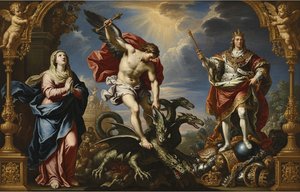
The Dramatic Flourish: Exploring Themes of Power, Faith & Emotion in Baroque Artworks
Explore the dramatic world of Baroque art! Discover masters like Zurbarán & the powerful influence of religious zeal on painting techniques. Expert insights for collectors and enthusiasts.

The Dramatic Flourish: Exploring the Baroque Movement's Enduring Legacy in Art History
Explore the dramatic world of Baroque art! Discover iconic artists like Caravaggio & Rubens, defining techniques, and its lasting impact on art history. Expert insights for collectors & enthusiasts at OriginalUniqueArt.

The Enduring Power of Painting: A Historical & Contemporary Exploration of Form and Emotion
Explore the rich history & enduring techniques of oil painting with OriginalUniqueArt. Discover masterpieces, learn about art collecting, and find authentic handmade reproductions crafted by skilled artists.
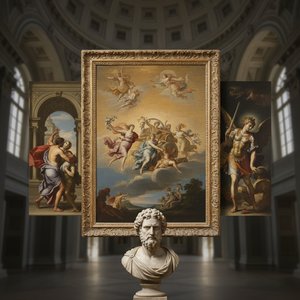
Guido Reni: A Study in Baroque Classicism & Artistic Perfection
Explore the life & work of Guido Reni, a master of Baroque classicism. Discover his iconic religious & mythological paintings, and understand his enduring influence on art history. Expert analysis for collectors.

Barokkens Drama: Hvordan Storhed og Emotion Bringes Ind i Moderne Interiører
Dyk ned i barokkunstens verden! Lær om stilens historie, karakteristika og hvordan du integrerer dens drama og elegance i dit moderne hjem. Inspiration & ekspertrådgivning.
