
 Se i rummet
 Del som kort
 Del
Del
 Detaljer
 Guide
Guide

 Download
 Lignende værker
 Røntgenundersøgelse
 Diasshow
 Spørgsmål og svar
 Statistikker
The Resurrection


 Vis mere
Giclée / Kunsttryk
Giclée- eller lærredstryk i museumskvalitet med hurtig produktion og fleksible muligheder for finish. ( Køb håndmalet maleri Skift til digitalt billede)




P118B Dkr10

P118H Dkr10

P118W Dkr10

P438Z Dkr10

P508JH Dkr12

P508YH Dkr12

P805H Dkr10

P805Z Dkr10

P919BZ Dkr10

P919G Dkr10

P919XJ Dkr10

P959ZH Dkr10

P968JZ Dkr12

W106C Dkr8

W218G Dkr10

W218JH Dkr8

W218Y Dkr10

W307PJ Dkr10

W316G Dkr10

W316PJ Dkr8

W316Y Dkr10

W398PJ Dkr8

W4111J Dkr10

W500HY Dkr15

W500JH Dkr15

W692G Dkr12

W849H Dkr8

W940BG Dkr15

W953PJ Dkr8




Vælg mellem vores forudindstillede størrelser, der matcher kunstværkets originale proportioner.

Indtast den bredde og højde, du har brug for, så det passer til din ramme eller din væg. Et print kan kun beskæres, aldrig gøres større end selve billedet, så en størrelse med et andet format vil medføre, at dele af motivet går tabt. Vi sender dig en digital mockup til godkendelse, før vi printer noget. Billedet vist på denne side viser ikke den faktiske beskæring — det er kun mockuppen, der gør.
Verdensomspændende levering () på 2 uger i stedet for de sædvanlige 4/5 uger. (4 november)

Gratis ekspresforsendelse til hele verden

Lærred af linned i høj kvalitet

Fuld transportforsikring

Garanti for refusion af told og importafgifter

Garanti for præcis farvegengivelse

100 dages returret ved fabrikationsfejl

100% fuld returret

Mængderabat ved flere køb
 Glasmulighed er kun tilgængelig i størrelser under 110 cm

The Resurrection
Giclée / Kunsttryk
Størrelse på reproduktion
-


Samlet pris
Dkr 538
A Vision of Ascent: Matthias Grünewald’s “The Resurrection”
Matthias Grünewald's "The Resurrection," painted around 1515, isn’t merely a depiction of a biblical event; it’s a visceral experience. This monumental panel, now housed in the Unterlinden Museum in Colmar, France, transcends simple narrative to become a profound meditation on faith, sacrifice, and the triumph over darkness. It's a work that immediately commands attention, not through polished realism, but through an intensely emotional and dramatically charged atmosphere – a hallmark of Grünewald’s unique Northern Renaissance style.
The painting unfolds as a carefully orchestrated drama. At its heart stands Christ, not in serene repose, but powerfully ascending into the heavens. His body, ravaged by the wounds of the crucifixion, is rendered with an almost agonizing detail – the flayed skin, the exposed nails, the blue-tinged lips conveying both suffering and divine presence. This isn’t idealized beauty; it's a raw, unflinching portrayal of human agony transformed into spiritual victory. Below him lies a chaotic tableau of fallen Roman soldiers, their armor scattered, weapons abandoned, symbolizing the defeat of earthly power by the resurrected Christ.
The Language of Light and Shadow: Technique and Style
Grünewald’s mastery lies in his manipulation of light and shadow – a technique known as *chiaroscuro*. The scene is dominated by deep, almost impenetrable blacks that contrast sharply with the radiant glow emanating from Christ himself. This dramatic lighting isn't just aesthetic; it serves to elevate Christ to a divine level, casting him as the source of all illumination and hope. The artist employs impasto – thick layers of paint applied directly to the panel – creating a tactile surface that adds depth and physicality to the figures and architectural elements. The brushstrokes are visible, lending a sense of immediacy and energy to the composition.
Notice also the deliberate flattening of perspective. Grünewald prioritizes emotional impact over strict realism, drawing the viewer’s eye upwards towards Christ's ascent through strong diagonals and a tightly structured composition. This compositional choice reinforces the painting’s central theme: the movement from earthly suffering to heavenly glory.
Symbolism and Context: A Hospital Altarpiece
“The Resurrection” wasn’t created for a grand cathedral, but for the hospital of St. Anthony in Issenheim, a monastery dedicated to caring for plague victims. The monks there were particularly skilled at treating ergotism, a debilitating disease characterized by gangrene and convulsions. The imagery within the painting – Christ's wounds mirroring the symptoms of the afflicted – was intended to offer comfort and reassurance to those suffering from this horrific illness. It’s a poignant example of art serving as a source of spiritual healing.
Furthermore, the inclusion of figures like Saint Sebastian (pierced by arrows) and John the Baptist (pointing towards Christ) adds layers of symbolic meaning. Sebastian represents martyrdom and sacrifice, while John foreshadows the coming of the Messiah. The lamb, held by John, is a potent symbol of Christ as the sacrificial Lamb of God.
A Legacy of Dramatic Intensity
“The Resurrection” remains one of Grünewald’s most powerful and enduring works. Its raw emotion, dramatic composition, and profound symbolism continue to resonate with viewers centuries later. It's a testament to the artist’s ability to capture not just the events of the biblical narrative, but also the complex emotions associated with faith, suffering, and redemption. Reproductions of this masterpiece offer a remarkable opportunity to experience Grünewald’s visionary style in your own space – a window into a world of intense spirituality and artistic brilliance.
Spørgsmål og svar
Hvornår og med hvilke materialer blev "The Resurrection" skabt?
"The Resurrection" af Matthias Grünewald er udført i Oil On Panel og er fra 1515.
Hvordan kan jeg købe en digital fil af "The Resurrection" af Matthias Grünewald?
Et digitalt billede af "The Resurrection" af Matthias Grünewald kan købes på siden for Digitalt billede: et højopløseligt digitalt billeddownload.
Fremstår farverne i "The Resurrection" kraftige eller bløde?
"The Resurrection" af Matthias Grünewald har en Balanced farveintensitet.
Kunstnerbiografi
Matthias Grünewald: Liv og Eftermæle
Tidligt liv og kunstneriske begyndelser
Matthias Grünewald, født som Mathis Gothart Neithardt omkring 1470-14rb5 i Würzburg, Tyskland, var en skelsættende skikkelse i den tyske renæssance. Selvom han levede i en tid, der i stigende grad blev påvirket af de italienske renæssanceidealer, forblev Grünewald dybt forankret i de kunstneriske traditioner fra det senmiddelalderlige Centraleuropa. Detaljer om hans tidlige liv er sparsomme, men det er kendt, at han modtog sin træning som kunstner, sandsynligvis inden for lokale værksteder, hvilket lagde fundamentet for hans tekniske mesterskab.
Kunstnerisk udvikling og indflydelser
Grünewalds kunstneriske udvikling blev formet af de fremherskende nordeuropæiske traditioner præget af realisme, følelsesmæssig intensitet og detaljeret observation. Hans værk viser tydelige spor af indflydelse fra mestre som Albrecht Dürer og Martin Schongauer, men han banede sin egen unikke vej, karakteriseret ved dramatisk udtryk og levende farver. Han var ikke direkte involveret i de humanistiske kredse, der blomstrede i Italien; i stedet tjente hans kunst primært religiøse formål og reflekterede de åndelige bekymringer og den eksistentielle angst, der prægede hans samtid.
Hovedværker og kunstnerisk stil
- Isenheim-altertavlen (1512-1516): Dette mesterværk, som opbevares på Musée d'Unterlinden i Colmar, betragtes som Grünewalds magnum opus. Det skildrer scener fra Kristi liv med en rystende realisme, med et særligt fokus på lidelse og forløsning.
- Korsfæstelsen (ca. 1502-1503): Et tidligt værk, der demonstrerer hans spirende stil og udviser intens emotion og anatomisk præcision.
- Jomfruen ved Bebudelsen (1512-14): En studie til Isenheim-altertavlen, som afslører hans omhyggelige planlægningsproces.
- Moses (1511): En tegning, der fremhæver Grünewalds evne til at indfange ekspressive figurer og dramatiske positurer.
Grünewalds stil er særligt kendetegnet ved:
- Dramatisk komposition: Han benyttede dynamiske arrangementer for at forstærke den følelsesmæssige gennemslagskraft.
- Levende farvepalette: Hans brug af intense og ofte kontrasterende farver skabte en kraftfuld visuel oplevelse.
- Realistisk skildring af lidelse: Grünewald veg ikke tilbage fra at portrætætte den fysiske og følelsesmæssige smerte, der er forbundet med de religiøse fortællinger.
- Ekspressive figurer: Hans figurer er gennemtrængt af stærke følelser og psykologisk dybde.
Historisk betydning og eftermæle
Grünewalds arbejde står som et vidnesbyrd om den vedvarende kraft i de middelalderlige kunsttraditioner i Tyskland under renæssancen. Han byggede bro mellem den sengotiske stil og den fremspirende renæssance og skabte et unikt visuelt sprog, der resonerede dybt hos hans samtidige. Hans indflydelse kan ses hos senere tyske kunstnere, som fortsatte med at udforske temaer om religiøs hengivenhed og følelsesmæssig intensitet. Selvom han i vid udstrækning blev glemt i århundreder efter sin død i 1528, oplevede Grünewald en genfødsel i det 19. århundrede, og i dag anerkendes han som en af de vigtigste malere i den tyske renæssance. Hans kunst fortsætter med at fange beskueren med sin rå emotion, tekniske brillans og dybe spirituelle dybde.
Videre udforskning
Opdag mere om Matthias Grünewalds liv og værker hos: OriginalUniqueArt

Matthias Grünewald
1480 - 1528 , Tyskland
Kort om kunstneren
- Artistic Movement Or Style: Nordlige Renæssancen
- Artists Or Movements Influenced By This Artist: ['Tysk Kunst']
- Artists Who Influenced This Artist:
- Albrecht Dürer
- Martin Schongauer
- Date Of Birth: c. 1470-1480
- Date Of Death: 31. august 1528
- Full Name: Matthias Grünewald
- Nationality: Tysk
- Notable Artworks:
- Isenheim Altarpiece
- Kreuzigung
- Jungfrau Maria
- Place Of Birth: Würzburg, Tyskland
Relaterede artikler

The Timeless Charm of Oil on Board: Reimagining Texture and Light through the Impressionist Lens
Discover the profound intimacy of oil on panel. Explore how Impressionist masters used rigid supports to capture light, texture, and impasto depth through exquisite, handmade oil reproductions for discerning collectors.

Oil on Canvas: A Historical & Technical Exploration of a Timeless Artistic Medium
Explore the rich history & enduring techniques of oil painting on canvas. Discover the science behind its longevity, conservation practices, and contemporary relevance. Expert insights for art enthusiasts.
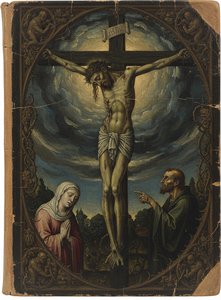
Matthias Grünewald: Devotion, Distortion & Spiritual Turmoil in Renaissance Art
Explore the profound religious art of Matthias Grünewald, master of the Isenheim Altarpiece. Discover his unique expressionism, symbolism & lasting impact on Renaissance painting. A guide for collectors and enthusiasts.

The Enduring Legacy of Oil on Canvas: Technique, History & Aesthetic Impact
Explore the rich history & techniques of oil painting – from Renaissance masters to Impressionism. Discover pigments, layering methods, and why this timeless medium endures. Expert insights for artists & art enthusiasts.

The Enduring Power of Painting: A Historical & Contemporary Exploration of Form and Emotion
Explore the rich history & enduring techniques of oil painting with OriginalUniqueArt. Discover masterpieces, learn about art collecting, and find authentic handmade reproductions crafted by skilled artists.


