
 Se i fuld skala
 Del
Del Del
Del
 Detaljer

 Download
 Lignende værker
 Røntgenundersøgelse
 Diasshow
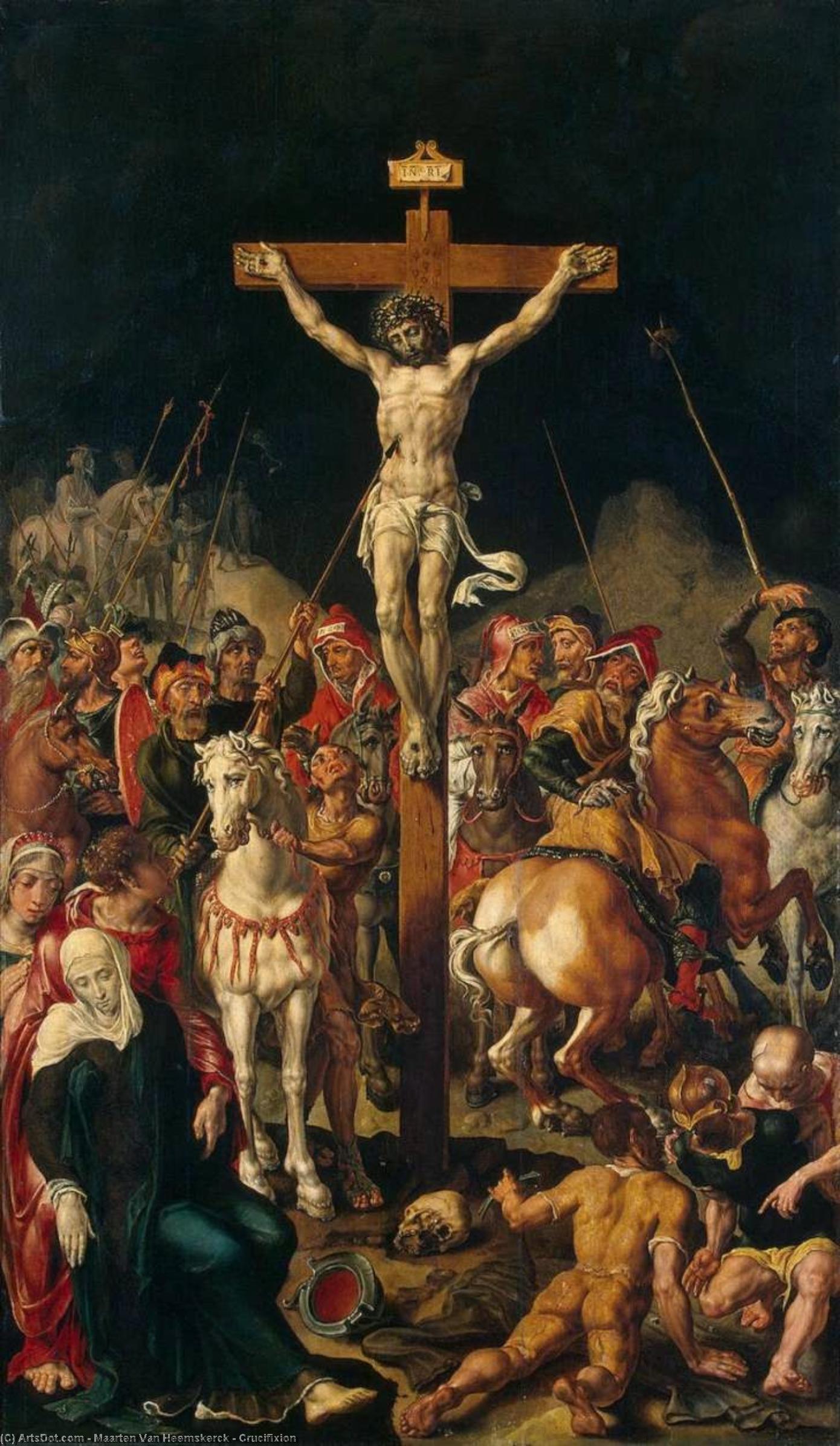
Crucifixion
 Oil On Canvas
- WallArt
- Renaissance Dutch
 1545
1545- Renaissance
 101.0 x 58.0 cm
 Hermitage Museum
 Se mere
Giclée / Kunsttryk
Giclée- eller lærredstryk i museumskvalitet med hurtig produktion og fleksible muligheder for finish. ( Køb håndlavet maleri Køb billede)




P118B $10

P118H $10

P118W $10

P438Z $10

P508JH $12

P508YH $12

P805H $10

P805Z $10

P919BZ $10

P919G $10

P919XJ $10

P959ZH $10

P968JZ $12

W106C $8

W218G $10

W218JH $8

W218Y $10

W307PJ $10

W316G $10

W316PJ $8

W316Y $10

W398PJ $8

W4111J $10

W500HY $15

W500JH $15

W692G $12

W849H $8

W940BG $15

W953PJ $8




Vælg mellem vores forudindstillede størrelser, der matcher kunstværkets originale proportioner.

Du kan indtaste dine egne mål for at passe til en specifik ramme eller et bestemt område. Hvis den valgte størrelse ikke stemmer overens med det originale billedes proportioner, vil vi enten beskære kunstværket eller udvide billedet med en spejlet eller ensfarvet kant. En digital mockup vil blive sendt til din godkendelse, før produktionen påbegyndes.
Bemærk venligst, at forhåndsvisningen på skærmen ikke afspejler den faktiske beskæring eller udvidelse. Kun mockuppen vil nøjagtigt vise den endelige komposition.
Selvom specialmål er tilgængelige, anbefaler vi at vælge et mål fra den foruddefinerede liste for at bevare de originale proportioner.
Verdensomspændende levering () på 2 uger i stedet for de sædvanlige 4/5 uger. (18 august)

Gratis ekspresforsendelse til hele verden

Lærred af linned i høj kvalitet

Fuld transportforsikring

Garanti for refusion af told og importafgifter

Garanti for præcis farvegengivelse

60 dages returret (kun ved fabrikationsfejl)

100% Tilfredshedsgaranti

Mængderabat tilgængelig
 Glasmulighed er kun tilgængelig i størrelser under 110 cm

Crucifixion
Giclée / Kunsttryk
Størrelse på reproduktion
-


Samlet pris
$ 81
Beskrivelse af samlerobjektet
A Window Into Faith: Maerten van Heemskerck’s Crucifixion Triptych
The Crucifixion by Maerten van Heemskerck, completed in 1545, stands as a monumental achievement of the Dutch Renaissance and a testament to the enduring power of religious iconography. More than just a depiction of Christ's suffering – though undeniably poignant – this triptych transcends mere representation, immersing viewers in a meticulously crafted tableau that speaks volumes about humanist ideals and artistic innovation. Painted during a period marked by fervent piety and intellectual curiosity, it embodies the spirit of its time while simultaneously securing its place as one of the most influential artworks of the era.Style and Technique: Bridging Italian Renaissance Grandeur with Dutch Realism
Van Heemskerck skillfully blended elements of Italian Renaissance grandeur with the burgeoning realism characteristic of Dutch art. Influenced by artists like Michelangelo and Raphael, he adopted a pyramidal composition – a technique favored in monumental religious paintings – to convey stability and solemnity. However, unlike many Italian counterparts that prioritized idealized beauty, Van Heemskerck’s approach embraced meticulous detail and naturalistic observation. The artist painstakingly rendered textures—the rough linen of Christ's robe, the weathered stone of the cross—creating a palpable sense of physicality that distinguishes it from more stylized depictions. This careful attention to realism was further enhanced by his masterful use of chiaroscuro – dramatic contrasts between light and shadow – which sculptured form and imbued the scene with emotional depth.Historical Context: Rome Under Charles V and the Reformation’s Influence
The Crucifixion's creation coincided with a pivotal moment in European history: the reign of Charles V, Holy Roman Emperor, and the escalating tensions surrounding the Protestant Reformation. The Habsburg monarch championed Catholicism fiercely, commissioning artworks like this to reaffirm papal authority and bolster religious faith. Yet, Van Heemskerck’s work wasn’t solely driven by political considerations; it reflected a broader humanist preoccupation with human suffering and mortality – themes explored extensively in classical literature and philosophy. The triptych served as part of a larger project to decorate the Porta San Sebastiano in Rome, commemorating Charles V's victory over Protestant forces—a visual declaration of imperial piety amidst religious upheaval.Symbolism: Layers of Meaning Beyond Visual Representation
The Crucifixion’s symbolism is rich and multifaceted. The central panel depicts Jesus Christ crucified on the cross, a universally recognized emblem of sacrifice and redemption. His outstretched arms symbolize humility and acceptance of divine judgment, while his gaze directs upward towards God—a gesture signifying hope and spiritual aspiration. Surrounding him are figures representing Mary Magdalene, Nicodemus, Joseph of Arimathea, and others who witnessed Christ’s death – each embodying compassion and devotion. The inclusion of a horse on the right panel reinforces the imagery of royalty and divine majesty, mirroring the emperor's patronage. Furthermore, the cup positioned at the bottom left corner symbolizes the Eucharist—the sacrament commemorating Jesus’s sacrifice—underscoring the theological significance of the artwork.Emotional Impact: A Profound Reflection on Suffering and Faith
Ultimately, Maerten van Heemskerck’s Crucifixion transcends mere visual spectacle; it evokes a profound emotional response in viewers. The subdued palette – dominated by earthy tones – contributes to an atmosphere of solemn contemplation. Yet, the artist's masterful manipulation of light and shadow intensifies the drama of the scene, conveying the agony of Christ’s torment and eliciting empathy for his suffering. It compels us to confront questions about faith, mortality, and divine compassion—themes that continue to resonate across centuries. The Crucifixion remains a powerful reminder of humanity's capacity for sorrow and its unwavering belief in redemption – an enduring masterpiece that secures its place as one of the most poignant expressions of Renaissance spirituality.Kunstnerens biografi
tidligt liv og uddannelse
maerten van heemskerck, en fremtrædende hollandsk portræt- og religiøs maler, blev født den 1. juni 1498 i landsbyen Heemskerk i Nordholland. Hans kunstneriske rejse begyndte under vejledning af Cornelius Willemsz i Haarlem, efterfulgt af et kort ophold i Delft hos Jan Lucasz. Til sidst blev han elev af jan van scorel, hvor han adopterede sin lærers italiensk-inspirerede stil.højdepunkter i karrieren
- maerten van heemskerck's værk er karakteriseret ved sin innovative blanding af hollandske og italienske indflydelser, som det ses i hans berømte familieportræt, der betragtes som det første i sin art i en lang række af hollandske familieportrætter.
- Hans samarbejde med antonio da sangallo den yngre, battista franco og francesco de' rossi (il salviati) ved omdekorationen af porta san sebastiano i Rom, en triumfbue til ære for Karl V, vidner om hans hurtige udførelse som scenemaler.
- Heemskercks tegninger af klassisk skulptur og arkitektur, der nu er bevaret i to skitsebøger i kupferstichkabinett berlin, demonstrerer hans evne til at indfange essensen af italiensk kunst.
bemærkelsesværdige værker og eftermæle
- donoren og den hellige Maria Magdalene (se på OriginalUniqueArt)
- jomfruen og den hellige Johannes Evangelisten (se på OriginalUniqueArt)
- Samson der knuser templets søjler, maarten van heemskerck (se på OriginalUniqueArt)
konklusion
maerten van heemskerck's dybe indvirkning på kunstverdenen er ubestridelig. Hans værker, som nu er en del af forskellige museumssamlinger, herunder Rijksmuseum, fortsætter med at inspirere både kunstnere og kunstelskere. For at udforske flere af hans mesterværker, besøg maerten van heemskercks side på OriginalUniqueArt. For en dybere forståelse af hans liv og værker, henvis til hans biografi på Wikipedia.
Maerten Van Heemskerck
1498 - 1574 , Holland
Kort om kunstneren
- Artistic Movement Or Style: Manierisme
- Artists Who Influenced This Artist:
- Jan van Scorel
- Antonio da Sangallo den Yngre
- Date Of Birth: 1. juni 1498
- Date Of Death: 1. oktober 1574
- Full Name: Maerten Jacobsz van Heemskerck
- Nationality: Hollandsk
- Notable Artworks:
- Sørget over den døde Kristus
- Pieter Jan Foppeszoon og hans familie
- Kristus som Smertens Mand
- Place Of Birth: Heemskerk, Holland
Relaterede artikler
Van Goghs 25 Mesterværker: Kunst, Historie & Inspiration til Dit Hjem
Oplev Vincent van Goghs 25 mest ikoniske malerier! Fra 'Stjernenat' til 'Solsikker', udforsk historien, teknikken og passionen bag hvert mesterværk. Find inspiration & køb museumskvalitets reproduktioner på OriginalUniqueArt.com.

Rembrandts Mesterværker: Top 25 Kunstværker til Din Væg – OriginalUniqueArt.dk
Oplev Rembrandts 25 mest ikoniske kunstværker! Fordyb dig i historierne bag 'Nattevagten', hans selvportrætter og bibelske motiver. Find museumskvalitets reproduktioner & inspiration til din væg på OriginalUniqueArt.com.

Maerten van Heemskerck: Bridging Mannerism & Renaissance Ideals
Explore the captivating world of Maerten van Heemskerck, a pivotal Dutch Renaissance painter bridging Mannerism & Italian influence. Discover his masterpieces and legacy with OriginalUniqueArt.

Hollandsk Barok: Top 10 Mesterværker der Definerede en Æra – Kunst til Dit Hjem
Oplev Hollandsk Barok's 10 mest ikoniske værker! Rembrandt, Vermeer & co. – dyk ned i historien bag mesterværkerne og find inspiration til din boligindretning. Køb luksus kunsttryk på OriginalUniqueArt.com.
Adriaen van Ostade: A Master of Dutch Genre Painting & Social Commentary
Explore the life & work of Adriaen van Ostade, a leading Dutch Golden Age painter. Discover his realistic genre scenes, social commentary, and lasting influence on art history. Learn more at OriginalUniqueArt.


