
 Se i fuld skala
 Del
Del Del
Del
 Detaljer

 Download
 Lignende værker
 Røntgenundersøgelse
 Diasshow
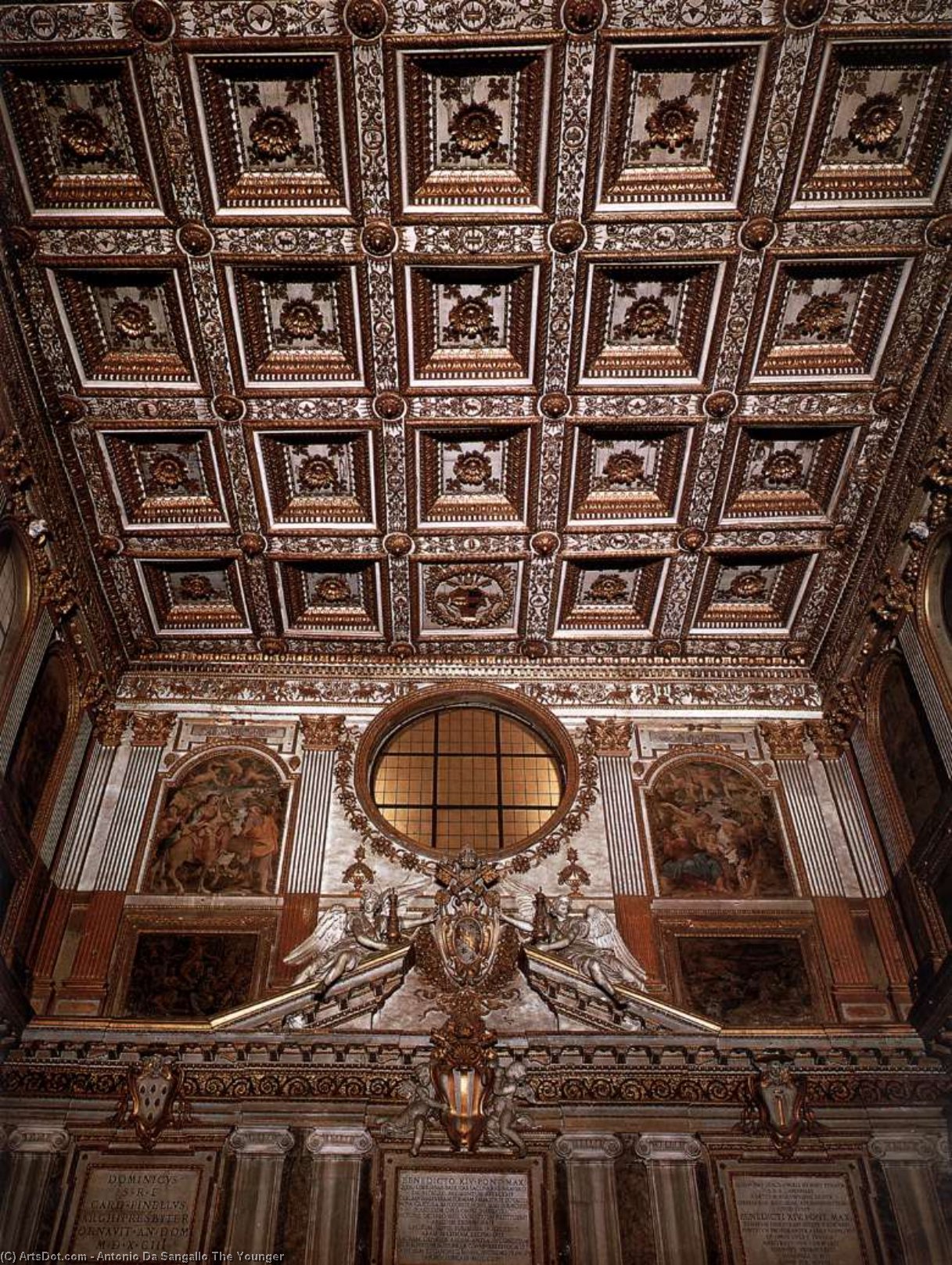
Inlaid Ceiling


 Se mere
Håndlavet oliereproduktion
Håndmalet olie på lærred i din valgte størrelse og ramme, udført efter bestilling af vores kunstnere. ( Skift til print Skift til billede)




P118B $10

P118H $10

P118W $10

P438Z $10

P508JH $12

P508YH $12

P805H $10

P805Z $10

P919BZ $10

P919G $10

P919XJ $10

P959ZH $10

P968JZ $12

W106C $8

W218G $10

W218JH $8

W218Y $10

W307PJ $10

W316G $10

W316PJ $8

W316Y $10

W398PJ $8

W4111J $10

W500HY $15

W500JH $15

W692G $12

W849H $8

W940BG $15

W953PJ $8




Vælg mellem vores forudindstillede størrelser, der matcher kunstværkets originale proportioner.

Du kan indtaste dine egne mål for at passe til en bestemt ramme eller plads. Hvis den valgte størrelse ikke stemmer overens med det originale billedes proportioner, vil vi enten beskære kunstværket eller udvide maleriet med yderligere håndmalede elementer. En digital skitse sendes til din godkendelse, før produktionen påbegyndes.
Bemærk venligst, at forhåndsvisningen på skærmen ikke afspejler den faktiske beskæring eller udvidelse. Kun skitsen vil nøjagtigt vise den endelige komposition.
Selvom specialmål er mulige, anbefaler vi at vælge en dimension fra den foruddefinerede liste for at bevare de originale proportioner.
Efter bestilling vil OriginalUniqueArt.com team sende en e-mail til kunden for at få instruktioner og levere et udkast til en skitse.
Levering i hele verden () på 3/4 uger i stedet for de standard 5 uger. (10 august). Ingen kompromiser med kvaliteten.

Gratis ekspresforsendelse til hele verden

Lærred af linned i høj kvalitet

Fuld transportforsikring

Garanti for refusion af told og importafgifter

Garanti for præcis farvegengivelse

60 dages returret (kun ved fabrikationsfejl)

100% Tilfredshedsgaranti

Mængderabat tilgængelig
 Glasmulighed er kun tilgængelig i størrelser under 110 cm

Inlaid Ceiling
Reproduktionsmetode
Størrelse på reproduktion
-


Samlet pris
$ 300
Beskrivelse af kunstværket
Inlaid Ceiling af Antonio da Sangallo den Yngre – En Renaissance Symfoni i Rom
Denne imponerende plafond fra Santa Maria Maggiore kirken i Rom er et vidnesbyrd om renæssancens kunstneriske præstationer og arkitektoniske ambitioner. Designet af Antonio da Sangallo den Yngre omkring år 1490, repræsenterer dette værk en perfekt harmoni mellem geometrisk præcision og dekorativ overdådighed – et produkt af en tid hvor kunst og videnskab søgte at udtrykke Guds majestæt gennem både skønhed og orden.- Arkitektonisk Baggrund: Antonio da Sangallo den Yngre var en fremtrædende arkitekt i renæssancen, kendt for sine innovative projekter og hans evne til at kombinere klassiske principper med lokale traditioner. Han var søn af Giuliano da Sangallo og Antonio da Sangallo den Ældre, begge betydningsfulde figurer inden for italiensk kunst og arkitektur. Hans mest ikoniske værk er St. Peters Basilica i Vatikanstaten, hvor han stod i spidsen for en monumentalt ambitiøs rekonstruktion af kirken efter et omfattende jordskælvsområde.
- Kunstnerisk Stil og Teknik: Ceilings kunststil er præget af renæssancens klassiske idealer om symmetri og proportioner, hvilket manifesteres i den kvadratiske opdeling af plafonden og den nøjagtige placering af dekorative elementer. Teknikken anvendt til udførelsen involverede brug af træ og guld – materialer der symboliserer både styrke og guddommelighed – samt omhyggelig udskæring og polering af træpanelerne for at fremhæve deres naturlige tekstur og skønhed.
- Symbolisme: De forskellige dekorative elementer udtrykker dybe religiøse temaer og repræsenterer Guds kærlighed og nåde. Træets brug symboliserer jordens stabilitet og styrke, mens guld repræsenterer guddommeligheden og kirkens rigdom.
- Emotionel Effekt: Ceilings imponerende størrelse og detaljerede udskæring efterlader besøgende i ærefrygt og åndelighed – et resultat af kunstnerens evne til at skabe en atmosfære af majestæt og sublim skønhed.
Kunstnerens biografi
Hans Baldung: A Bridge Between Darkness and Light
Born in the small Imperial Free City of Schwäbisch Gmünd around 1484 or 1485, Hans Baldung was a pivotal figure in the transition between the late Gothic traditions of Northern Europe and the burgeoning Renaissance art scene. His life, tragically cut short in September 1545 at the age of approximately sixty-one, marked him as a master craftsman deeply rooted in both the expressive power of the past and the innovative spirit of his time. While often overshadowed by his influential student, Albrecht Dürer, Baldung carved out a unique artistic identity, characterized by a potent blend of meticulous detail, dramatic color, and a distinctly unsettling psychological depth.
Baldung’s early life remains somewhat shrouded in mystery. He was the son of a jurist and a doctor, receiving an unusual education for an artist of his era – he attended university himself, though not to pursue a degree. This intellectual background likely contributed to his later explorations of allegory and symbolism. His apprenticeship with Albrecht Dürer in Nuremberg from 1503 to 1507 proved transformative. Here, he absorbed the master’s technical skills and observational acuity, but crucially, Baldung began to develop a style that diverged significantly from Dürer's idealized realism. While Dürer sought clarity and order, Baldung embraced a more subjective and emotionally charged approach.
The Dual Nature of a Master
Baldung’s artistic legacy is defined by its inherent duality. He was simultaneously a devout follower of Dürer and a champion of the darker, more expressive currents of late Gothic art. This tension manifests in his diverse body of work – from meticulously rendered portraits and intricate woodcuts to hauntingly beautiful altarpieces and stained glass windows. His nickname, “Hans Baldung Grien,” derived from the German word for green, reflects his penchant for rich, saturated colors, often employed with a dramatic intensity that bordered on the macabre.
His work is characterized by a fascination with death, decay, and the grotesque – themes frequently explored in late medieval art. This interest isn’t simply morbid; it represents a profound engagement with the complexities of human existence, acknowledging both beauty and suffering. Consider his depictions of demons and devils, not as purely malevolent figures, but as embodiments of temptation and moral struggle. Baldung's ability to convey such psychological nuance was remarkably advanced for his time.
A Flourishing Career
Baldung’s career spanned several decades, during which he produced a vast and varied oeuvre. He worked as a painter, printmaker, draftsman, and even a stained glass artist, demonstrating remarkable versatility. His woodcuts, in particular, are considered masterpieces of the German Renaissance, showcasing his technical skill and expressive power. These prints often depict scenes from mythology, biblical stories, and allegorical narratives, imbued with a sense of drama and emotional intensity.
His altarpieces, such as those found in the St. Sebaldus Church in Munich, are notable for their vibrant colors, dynamic compositions, and unsettling imagery. These works reflect Baldung’s unique artistic vision – a synthesis of Gothic expressiveness and Renaissance innovation. He also created numerous portraits, often characterized by a psychological realism that anticipated later developments in portraiture.
Legacy and Influence
Despite his undeniable talent and prolific output, Hans Baldung's place in art history has been somewhat overshadowed for centuries. Initially, he was largely viewed as a mere student of Dürer, lacking the independent genius of his master. However, in recent decades, scholars have increasingly recognized Baldung’s originality and significance. His work is now appreciated for its complex psychological depth, its masterful use of color, and its crucial role in bridging the gap between late Gothic art and the Renaissance.
Baldung's influence can be seen in the works of subsequent generations of German artists, including his son, Hans Holbein the Younger. His legacy endures as a testament to the power of artistic duality – the ability to embrace both darkness and light, tradition and innovation, to create art that is both deeply rooted in the past and profoundly relevant to the present.

antonio da sangallo the younger
1484 - 1546 , Italy
Kort om kunstneren
- Artistic Movement Or Style: German Renaissance, Mannerism
- Artists Or Movements Influenced By This Artist: ['Sandro Botticelli']
- Artists Who Influenced This Artist: ['Albrecht Dürer']
- Date Of Birth: 1484 or 1485
- Date Of Death: September 1545
- Full Name: Hans Baldung
- Nationality: German
- Notable Artworks:
- Primavera
- The Birth of Venus
- The Adoration of the Magi
- Place Of Birth: Schwäbisch Gmünd, Germany
Relaterede artikler
Leonardo da Vincis 25 Mesterværker: Kunst, Historie & Inspiration til Dit Hjem
Oplev Leonardo da Vincis 25 mest ikoniske værker! Dyk ned i renæssancens kunsthistorie, fra Mona Lisa til Den Sidste Nadver. Find inspiration & køb museumskvalitets reproduktioner på OriginalUniqueArt.com – perfekt til dit hjem.

Drama and Light: A Definitive Guide to the Italian Baroque Masterpieces and the Revolution of Chiaroscuro
Explore the dramatic world of Italian Baroque art. Discover how masters like Caravaggio used chiaroscuro and tenebrism to revolutionize painting through light, shadow, and profound realism. A definitive guide for history lovers and art collectors.

Pietro da Cortona: Baroque Grandeur & the Synthesis of Roman Painting
Explore the life & masterpieces of Pietro da Cortona, a defining figure of the Italian Baroque. Discover his stunning frescoes at Palazzo Barberini and lasting influence on Roman art history. Learn more with OriginalUniqueArt.

Barokkens Drama: Hvordan Storhed og Emotion Bringes Ind i Moderne Interiører
Dyk ned i barokkunstens verden! Lær om stilens historie, karakteristika og hvordan du integrerer dens drama og elegance i dit moderne hjem. Inspiration & ekspertrådgivning.

Den Moderne Loftfresko: At Bringe Himlen Indendørs – En Guide til Hoteldesignere
Oplev kunsten at integrere loftfreskoer i hoteldesign. Ekspertvejledning til materialevalg, installation og skræddersyede løsninger. Skab et luksuriøst udtryk med .


