
 Se i rummet
 Del som kort
 Del
Del
 Detaljer
 Guide
Guide

 Download
 Lignende værker
 Røntgenundersøgelse
 Diasshow
 Q&A
Q&A Statistikker
St Jerome

- 252.0 x 133.0 cm


 Vis mere
Giclée / Kunsttryk
Giclée- eller lærredstryk i museumskvalitet med hurtig produktion og fleksible muligheder for finish. ( Køb håndmalet maleri Skift til digitalt billede)




P118B Dkr10

P118H Dkr10

P118W Dkr10

P438Z Dkr10

P508JH Dkr12

P508YH Dkr12

P805H Dkr10

P805Z Dkr10

P919BZ Dkr10

P919G Dkr10

P919XJ Dkr10

P959ZH Dkr10

P968JZ Dkr12

W106C Dkr8

W218G Dkr10

W218JH Dkr8

W218Y Dkr10

W307PJ Dkr10

W316G Dkr10

W316PJ Dkr8

W316Y Dkr10

W398PJ Dkr8

W4111J Dkr10

W500HY Dkr15

W500JH Dkr15

W692G Dkr12

W849H Dkr8

W940BG Dkr15

W953PJ Dkr8




Vælg mellem vores forudindstillede størrelser, der matcher kunstværkets originale proportioner.

Indtast den bredde og højde, du har brug for, så det passer til din ramme eller din væg. Et print kan kun beskæres, aldrig gøres større end selve billedet, så en størrelse med et andet format vil medføre, at dele af motivet går tabt. Vi sender dig en digital mockup til godkendelse, før vi printer noget. Billedet vist på denne side viser ikke den faktiske beskæring — det er kun mockuppen, der gør.
Verdensomspændende levering () på 2 uger i stedet for de sædvanlige 4/5 uger. (1 november)

Gratis ekspresforsendelse til hele verden

Lærred af linned i høj kvalitet

Fuld transportforsikring

Garanti for refusion af told og importafgifter

Garanti for præcis farvegengivelse

100 dages returret ved fabrikationsfejl

100% fuld returret

Mængderabat ved flere køb
 Glasmulighed er kun tilgængelig i størrelser under 110 cm

St Jerome
Giclée / Kunsttryk
Størrelse på reproduktion
-


Samlet pris
Dkr 538
A Vision of Divine Contemplation
In the profound stillness of his study, St. Jerome emerges from the shadows of history, captured in a moment of eternal reflection by the Spanish Baroque master Juan de Valdés Leal. Painted in 1656, this monumental oil on canvas is far more than a mere religious portrait; it is a visceral encounter with the soul's pursuit of truth. As one gazes upon the saint, there is an immediate sense of being drawn into a private, sacred space where the boundaries between the earthly and the divine begin to blur. The composition is anchored by the figure of Jerome, rendered in striking hues of crimson and white, his presence commanding yet deeply humble. He sits amidst the tools of his scholarly devotion, his eyes fixed upon an open book that glows with the soft, flickering light of a nearby candle—a symbol of the illuminating power of scripture and the tireless intellectual labor required to grasp divine mysteries.
The atmosphere of the painting is thick with the weight of spiritual gravity, yet it is punctuated by moments of ethereal grace. Floating just above the saint’s head, an angelic figure descends, a celestial messenger bearing a sacred scroll. This presence provides a breathtaking counterpoint to the heavy, earthly textures of the study, suggesting that even in the deepest solitude of study, one is never truly alone when seeking the light of God. For the collector or designer, this interplay between the terrestrial and the celestial offers a profound emotional resonance, making the piece an ideal centerpiece for spaces dedicated to quiet thought, literature, or spiritual repose.
The Mastery of Light and the Vanitas Motif
Valdés Leal’s technical prowess is most evident in his masterful use of chiaroscuro, the dramatic interplay of light and shadow that defines the Baroque era. The artist manipulates light not merely to illuminate, but to sculpt form and evoke mood. Shadows pool deeply in the corners of the room, creating a sense of infinite depth, while sharp highlights catch the folds of Jerome’s heavy robes and the weathered texture of his skin, lending the figure an almost tactile realism. This technique directs the viewer's eye with surgical precision, moving from the luminous face of the saint to the symbolic objects scattered across his desk.
Embedded within this scholarly setting is a poignant reminder of the vanitas tradition—a theme central to the seventeenth-century consciousness. At Jerome’s feet rests a skull, a stark and sobering memento mori that serves as a silent witness to the inevability of death and the fleeting nature of mortal life. This symbol, paired with the candlelight that threatens to expire, creates a powerful tension between the permanence of faith and the transience of flesh. To possess a reproduction of such a work is to invite a conversation about legacy, time, and the enduring importance of what remains after the shadows fall. It is a masterpiece of texture and meaning, offering an unparalleled sense of drama and sophistication to any curated collection.
Spørgsmål og svar
Hvor stor er kontrasten i "St Jerome" af Juan de Valdés Leal?
Lys-mørke-kontrasten i "St Jerome" er registreret som Bold. Kontrast beskriver, hvor kraftigt lyse og mørke områder adskiller sig fra hinanden.
Opbevares "St Jerome" i kunstnerens hjemland?
Nej – kunstværket opbevares i udlandet. Juan de Valdés Leal er født i Spanien, og museet, der opbevarer originalen af "St Jerome", ligger i Spain.
Er "St Jerome" overordnet set mest lys eller mørk?
"St Jerome" af Juan de Valdés Leal er registreret med en lysstyrke på balanced og en luminans på Soft Shadow.
Kunstnerbiografi
Juan de Valdés Leal (1622 - 1690): A Master of Baroque Drama
Juan de Nisa Valdés Leal, born in Seville in 1622, stands as a pivotal figure in the history of Spanish Baroque painting. His artistic journey encompassed painting, sculpture, and architecture—a testament to his multifaceted talent and intellectual curiosity—leaving an indelible mark on Sevillian art and shaping the aesthetic sensibilities of his era. From humble beginnings studying under Antonio del Castillo in Córdoba, Leal ascended to prominence as a leader within the Seville Academy of Art, establishing it alongside Bartolomé Esteban Murillo in 1656, marking a significant moment in artistic innovation and patronage.Early Training and Artistic Influences
Leal’s formative years were steeped in the traditions of Córdoba’s artistic milieu, where he honed his skills under the tutelage of Antonio del Castillo—a master known for his meticulous realism and profound understanding of humanist ideals. This early exposure instilled in him a disciplined approach to observation and representation, profoundly impacting his subsequent stylistic choices. Furthermore, Leal's engagement with Herrera the Elder’s workshop fostered an appreciation for dramatic lighting and expressive composition—elements that would become hallmarks of his oeuvre. The influence of Herrera’s theatrical style is palpable in works like “The Saint Andrew,” demonstrating Leal’s ability to capture emotion and grandeur within a single canvas.Notable Works and Artistic Style
Leal's artistic output is characterized by an unwavering commitment to conveying profound psychological depth alongside technical virtuosity. His most celebrated paintings—including "History of the Prophet Elias," “Martyrdom of St. Andrew,” and “Triumph of the Cross”—are imbued with a palpable sense of solemnity and drama, reflecting the prevailing spiritual fervor of the Baroque period. He skillfully employed chiaroscuro—the dramatic interplay of light and shadow—to heighten emotional impact and create immersive visual experiences for viewers. Leal’s compositions are dynamic and energetic, capturing movement and gesture with remarkable precision—a stylistic hallmark that distinguishes him from Murillo's more serene aesthetic. His exploration of themes like vanitas—symbolic representations of mortality—underscores his intellectual engagement with humanist concerns about the human condition.The Seville Academy and Artistic Legacy
Leal’s founding of the Seville Academy of Art alongside Murillo represents a watershed moment in Sevillian artistic culture. This institution served as a crucible for experimentation and innovation, fostering a collaborative environment that propelled the development of Baroque painting techniques and broadened artistic horizons. Leal's presidency demonstrated his leadership qualities and commitment to nurturing talent—solidifying his position as one of Spain’s foremost artists and educators. His influence extended beyond the academy walls, shaping the artistic sensibilities of subsequent generations and contributing to the enduring legacy of Sevillian Baroque art.Concluding Reflections
Juan de Valdés Leal's artistic achievements stand as a testament to his unwavering dedication to craftmanship and intellectual curiosity. Despite facing challenges during the turbulent second half of the 17th century, he persevered in producing works that continue to captivate audiences today—works imbued with dramatic intensity, psychological insight, and masterful execution. His legacy resides not only in his iconic paintings but also in his role as a catalyst for artistic innovation and cultural enrichment—a true embodiment of the spirit of Baroque Spain.
Juan de Valdés Leal
1622 - 1690 , Spanien
Kort om kunstneren
- Artistic Movement Or Style: Barok
- Artists Who Influenced This Artist:
- Antonio del Castillo
- Francisco Herrera el Viejo
- Date Of Birth: 4 maj 1622
- Full Name: Juan de Nisa Valdés Leal
- Nationality: Spansk
- Notable Artworks:
- Historia del profeta Elías
- Martirio de San Andrés
- Triunfo de la Cruz
- Place Of Birth: Sevilla, Spanien
Relaterede artikler

Goyas Mesterværker: Top 25 Kunstværker fra den Spanske Sjæl – OriginalUniqueArt.com
Oplev Francisco Goyas 25 mest ikoniske kunstværker. Fra portrætter til 'De Sorte Malerier' – dyk ned i den spanske romantiks sjæl og Goyas teknikker. Find museumskvalitets reproduktioner & inspiration til din indretning på OriginalUniqueArt.com.

Om os
Opdag vores historie! Vi bringer kunst i verdensklasse ind i dit liv gennem ekspertudvalg, skræddersyede kreationer og gratis forhåndsvisninger. Godkendt af private og virksomheder siden år 2000.
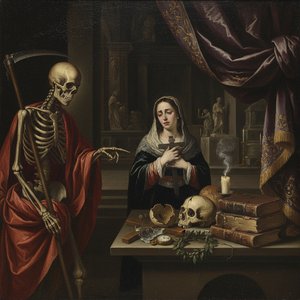
Juan de Valdés Leal: Baroque Realism, Memento Mori & Theatricality of Spanish Grief
Explore the powerful Baroque realism of Juan de Valdés Leal (1622-1690). Discover his somber masterpieces, iconic 'In Ictu Oculi', and profound explorations of mortality. Museum-quality reproductions available at OriginalUniqueArt.
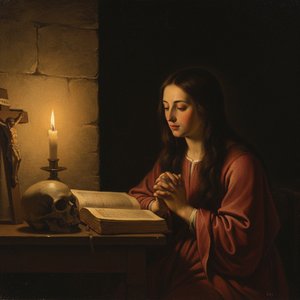
Georges de La Tour: Luminosity, Spirituality & Realism in Baroque Painting
Discover the captivating world of Georges de La Tour, a Baroque master renowned for his dramatic chiaroscuro & spiritual realism. Explore key works, influences, and his remarkable rediscovery. Learn more at OriginalUniqueArt.

Mastering Devotion: The Most Iconic Depictions of Saint Jerome in Art History
Explore the profound iconography of Saint Jerome through art history's most iconic masterpieces. From Renaissance serenity to Baroque drama, discover how legendary painters captured divine devotion in breathtaking oil paintings and fine art reproductions.
