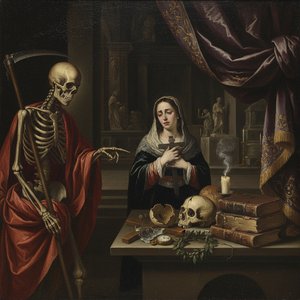
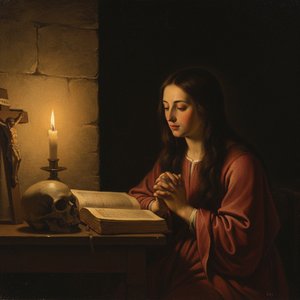
St Jerome
Acrylic On Canvas
WallArt
Baroque Art
1656
252.0 x 133.0 cm
Pradomuseet
Håndlavet oliereproduktion
Håndmalet olie på lærred i din valgte størrelse og ramme, udført efter bestilling af vores kunstnere. ( Køb print
Køb billede)
P118B $10
P118H $10
P118W $10
P438Z $10
P508JH $12
P508YH $12
P805H $10
P805Z $10
P919BZ $10
P919G $10
P919XJ $10
P959ZH $10
P968JZ $12
W106C $8
W218G $10
W218JH $8
W218Y $10
W307PJ $10
W316G $10
W316PJ $8
W316Y $10
W398PJ $8
W4111J $10
W500HY $15
W500JH $15
W692G $12
W849H $8
W940BG $15
W953PJ $8
Vælg mellem vores forudindstillede størrelser, der matcher kunstværkets originale proportioner.
Du kan indtaste dine egne mål for at passe til en bestemt ramme eller plads. Hvis den valgte størrelse ikke stemmer overens med det originale billedes proportioner, vil vi enten beskære kunstværket eller udvide maleriet med yderligere håndmalede elementer. En digital skitse sendes til din godkendelse, før produktionen påbegyndes.
Bemærk venligst, at forhåndsvisningen på skærmen ikke afspejler den faktiske beskæring eller udvidelse. Kun skitsen vil nøjagtigt vise den endelige komposition.
Selvom specialmål er mulige, anbefaler vi at vælge en dimension fra den foruddefinerede liste for at bevare de originale proportioner.
Efter bestilling vil OriginalUniqueArt.com team sende en e-mail til kunden for at få instruktioner og levere et udkast til en skitse.
Levering i hele verden () på 3/4 uger i stedet for de standard 5 uger. (17 august). Ingen kompromiser med kvaliteten.
Gratis ekspresforsendelse til hele verden
Lærred af linned i høj kvalitet
Fuld transportforsikring
Garanti for refusion af told og importafgifter
Garanti for præcis farvegengivelse
60 dages returret (kun ved fabrikationsfejl)
100% Tilfredshedsgaranti
Mængderabat tilgængelig
St Jerome
Reproduktionsmetode
Størrelse på reproduktion
-
Samlet pris
$ 300
Beskrivelse af kunstværket
A Portrait of Reflection: Juan de Valdés Leal’s St Jerome
St Jerome, painted in 1656 by Juan de Valdés Leal, stands as a cornerstone of Baroque art—a testament to the era's preoccupation with profound contemplation and spiritual allegory. Executed in oil on canvas, this monumental artwork resides within the Museo Nacional del Prado in Madrid, Spain, offering visitors an unparalleled glimpse into the artistic sensibilities of its time. The painting’s commanding presence is immediately established by its substantial dimensions (252 x 133 cm), reflecting the grandeur favored by ecclesiastical patrons eager to adorn their churches with images that conveyed moral instruction and invoked divine grace.The Composition: Scholarly Serenity Amidst Mortality
Leal skillfully crafts a scene steeped in symbolic resonance. At the heart of the composition is St Jerome himself, portrayed with meticulous realism—a figure rendered in warm hues of red and white, embodying humility and piety. He occupies a desk cluttered with scholarly paraphernalia: an open book illuminated by candlelight, symbolizing biblical scripture and intellectual pursuit; and beneath his feet rests a skull, a deliberate allusion to vanitas – the futility of earthly existence and the inevitability of death—a motif prevalent throughout Baroque art as it confronts viewers with the sobering reality of mortality. Above Jerome’s head floats an angelic figure, radiating benevolence and conveying divine inspiration. The angel's outstretched hand holds a scroll bearing sacred text, reinforcing the saint’s dedication to prayer and contemplation.Baroque Technique: Light and Texture – A Masterful Display
Leal’s technique exemplifies the Baroque style’s hallmark characteristics—particularly its masterful manipulation of light and texture. Dramatic chiaroscuro—the interplay between light and shadow—creates a palpable sense of depth and atmosphere, drawing the viewer's eye towards Jerome’s face and highlighting the textures of his robe and drapery. The artist employs impasto – thick brushstrokes – to build up surface detail, lending physicality to the figures and enhancing their expressive quality. Careful attention is paid to rendering fabrics with remarkable accuracy, capturing folds and creases that convey movement and volume. This meticulous approach contributes significantly to the painting’s emotional impact—a feeling of solemn reverence and spiritual contemplation.Historical Context: Patronage and Moral Instruction
St Jerome was commissioned for a religious institution during Leal's lifetime, reflecting the broader cultural landscape of 17th-century Spain. The Baroque period witnessed a fervent interest in religious iconography aimed at bolstering faith and reinforcing moral values. Artists like Leal responded to this demand by producing works that not only depicted biblical narratives but also conveyed profound philosophical ideas about human existence. The Museo del Prado’s acquisition underscores the enduring significance of St Jerome as an exemplar of artistic excellence and spiritual contemplation—a masterpiece that continues to inspire admiration centuries after its creation.Symbolism: Faith, Knowledge, and Transcendence
Beyond its visual splendor, St Jerome is laden with symbolic meaning. Jerome's posture embodies ascetic devotion, while his book represents the pursuit of wisdom and divine understanding. The skull serves as a poignant reminder of human mortality, prompting reflection on the spiritual dimension of life. Finally, the angelic figure symbolizes God’s grace and guidance—affirming the belief that earthly struggles are ultimately redeemed by divine intervention. Leal's St Jerome transcends mere representation; it embodies the core tenets of Baroque spirituality – faith, knowledge, and transcendence – securing its place as one of the era’s most enduring artistic achievements.Kunstnerens biografi

Juan de Valdés Leal (1622 - 1690): A Master of Baroque Drama
Juan de Nisa Valdés Leal, born in Seville in 1622, stands as a pivotal figure in the history of Spanish Baroque painting. His artistic journey encompassed painting, sculpture, and architecture—a testament to his multifaceted talent and intellectual curiosity—leaving an indelible mark on Sevillian art and shaping the aesthetic sensibilities of his era. From humble beginnings studying under Antonio del Castillo in Córdoba, Leal ascended to prominence as a leader within the Seville Academy of Art, establishing it alongside Bartolomé Esteban Murillo in 1656, marking a significant moment in artistic innovation and patronage.Early Training and Artistic Influences
Leal’s formative years were steeped in the traditions of Córdoba’s artistic milieu, where he honed his skills under the tutelage of Antonio del Castillo—a master known for his meticulous realism and profound understanding of humanist ideals. This early exposure instilled in him a disciplined approach to observation and representation, profoundly impacting his subsequent stylistic choices. Furthermore, Leal's engagement with Herrera the Elder’s workshop fostered an appreciation for dramatic lighting and expressive composition—elements that would become hallmarks of his oeuvre. The influence of Herrera’s theatrical style is palpable in works like “The Saint Andrew,” demonstrating Leal’s ability to capture emotion and grandeur within a single canvas.Notable Works and Artistic Style

Leal's artistic output is characterized by an unwavering commitment to conveying profound psychological depth alongside technical virtuosity. His most celebrated paintings—including "History of the Prophet Elias," “Martyrdom of St. Andrew,” and “Triumph of the Cross”—are imbued with a palpable sense of solemnity and drama, reflecting the prevailing spiritual fervor of the Baroque period. He skillfully employed chiaroscuro—the dramatic interplay of light and shadow—to heighten emotional impact and create immersive visual experiences for viewers. Leal’s compositions are dynamic and energetic, capturing movement and gesture with remarkable precision—a stylistic hallmark that distinguishes him from Murillo's more serene aesthetic. His exploration of themes like vanitas—symbolic representations of mortality—underscores his intellectual engagement with humanist concerns about the human condition.The Seville Academy and Artistic Legacy
Leal’s founding of the Seville Academy of Art alongside Murillo represents a watershed moment in Sevillian artistic culture. This institution served as a crucible for experimentation and innovation, fostering a collaborative environment that propelled the development of Baroque painting techniques and broadened artistic horizons. Leal's presidency demonstrated his leadership qualities and commitment to nurturing talent—solidifying his position as one of Spain’s foremost artists and educators. His influence extended beyond the academy walls, shaping the artistic sensibilities of subsequent generations and contributing to the enduring legacy of Sevillian Baroque art.Concluding Reflections
Juan de Valdés Leal's artistic achievements stand as a testament to his unwavering dedication to craftmanship and intellectual curiosity. Despite facing challenges during the turbulent second half of the 17th century, he persevered in producing works that continue to captivate audiences today—works imbued with dramatic intensity, psychological insight, and masterful execution. His legacy resides not only in his iconic paintings but also in his role as a catalyst for artistic innovation and cultural enrichment—a true embodiment of the spirit of Baroque Spain.Juan de Valdés Leal
1622 - 1690 , Spanien
Kort om kunstneren
- Artistic Movement Or Style: Barok
- Artists Who Influenced This Artist:
- Antonio del Castillo
- Francisco Herrera el Viejo
- Date Of Birth: 4 maj 1622
- Full Name: Juan de Nisa Valdés Leal
- Nationality: Spansk
- Notable Artworks:
- Historia del profeta Elías
- Martirio de San Andrés
- Triunfo de la Cruz
- Place Of Birth: Sevilla, Spanien

Glasmulighed er kun tilgængelig i størrelser under 110 cm