
 Se i rummet
 Del som kort
 Del
Del
 Detaljer
 Guide
Guide

 Download
 Lignende værker
 Røntgenundersøgelse
 Diasshow
 Spørgsmål og svar
 Statistikker
Kristusbegravelsen

- 763.0 x 597.0 cm


 Vis mere
Giclée / Kunsttryk
Giclée- eller lærredstryk i museumskvalitet med hurtig produktion og fleksible muligheder for finish. ( Køb håndmalet maleri Skift til digitalt billede)




P118B Dkr10

P118H Dkr10

P118W Dkr10

P438Z Dkr10

P508JH Dkr12

P508YH Dkr12

P805H Dkr10

P805Z Dkr10

P919BZ Dkr10

P919G Dkr10

P919XJ Dkr10

P959ZH Dkr10

P968JZ Dkr12

W106C Dkr8

W218G Dkr10

W218JH Dkr8

W218Y Dkr10

W307PJ Dkr10

W316G Dkr10

W316PJ Dkr8

W316Y Dkr10

W398PJ Dkr8

W4111J Dkr10

W500HY Dkr15

W500JH Dkr15

W692G Dkr12

W849H Dkr8

W940BG Dkr15

W953PJ Dkr8




Vælg mellem vores forudindstillede størrelser, der matcher kunstværkets originale proportioner.

Indtast den bredde og højde, du har brug for, så det passer til din ramme eller din væg. Et print kan kun beskæres, aldrig gøres større end selve billedet, så en størrelse med et andet format vil medføre, at dele af motivet går tabt. Vi sender dig en digital mockup til godkendelse, før vi printer noget. Billedet vist på denne side viser ikke den faktiske beskæring — det er kun mockuppen, der gør.
Verdensomspændende levering () på 2 uger i stedet for de sædvanlige 4/5 uger. (8 november)

Gratis ekspresforsendelse til hele verden

Lærred af linned i høj kvalitet

Fuld transportforsikring

Garanti for refusion af told og importafgifter

Garanti for præcis farvegengivelse

100 dages returret ved fabrikationsfejl

100% fuld returret

Mængderabat ved flere køb
 Glasmulighed er kun tilgængelig i størrelser under 110 cm

Kristusbegravelsen
Giclée / Kunsttryk
Størrelse på reproduktion
-


Samlet pris
Dkr 540
Joachim Patinir og Baptismet af Kristus – Et Kaleidoskop af Natur og Tro
Joachim Patinir var en banebrydende kunstner fra det sene renæssanceårhundrede, hvis arbejde omfavnede både præcision og drømmeagtig fantasi. Han blev født omkring 1480 i Dinant eller Bouvignes, Belgien, og døde i Antwerp år 1524 efter en produktiv karriere præget af samarbejde med nogle af tiden største kunstnere – blandt andet Albrecht Dürer og Quentin Metsys. Hans kunst var unik for sin tid og satte nye standarder for landskabsmaleri, hvilket gjorde ham til en af de mest betydningsfulde figurer inden for den nordlige renæssancekunst. Denne artikel dykker ned i detaljerne omkring hans mest ikoniske værk: Baptismet af Kristus – et kunstværk der ikke blot fejrer kristendommens grundlæggende historie, men også udtrykker en dyb følelse af æstetisk og filosofisk refleksion.- Kunsthistorisk Kontekst: Patinir opererede i Antwerp, centrum for kunsthandel og kulturel aktivitet under renæssancen. Han var en direkte efterkommer af Gerhard Davids stil og teknikker, hvilket vidner om den omfattende kunstneriske udveksling mellem Nederlandene og Tyskland på denne tidperiode. Hans arbejde blev præget af den generelle interesse for perspektiv og atmosfærisk kolorering, som var karakteristisk for tiden.
- Stil og Teknik: Patinir var en mester i landskabsmaleri, hvor han ofte kombinerede nøjagtige observationer af natur med fantastiske elementer. Han anvendte en unik teknik kendt som "verdenslandskab," hvor landskabet dominerer billedet og figurerne er reduceret til små detaljer placeret i distancen. Dette kontrastfulde forhold mellem naturlig verden og religiøse temaer var innovativt for sin tid og havde stor indflydelse på udviklingen af det flamske landskabsmaleri.
Baptismet af Kristus – Et Symbolisk Kaleidoskop
Denne specifikke Baptismet udtrykker Patinirs fokus på en axial struktur, hvor Gud Fader er placeret i skyerne, Dove of the Holy Spirit og Kristus selv er centreret. Det centrale område præsenterer Johannes Døberen, der lyttede efter prædikenen fra afstand – et billede af ydmyghed og åndelig koncentration. Maleriet fremhæver kontrasten mellem den majestætiske natur og det religiøse ritual, hvilket skaber en følelse af harmoni og balance. Det er vigtigt at bemærke Patinirs inspiration fra Hieronymus Bosch og hans adaption af Gerard Davids kompositioner, hvilket viser hans kunstneriske ambition og hans evne til at kombinere forskellige stilistiske elementer.- Farvepalet og Komposition: Maleriet domineres af kølige farver – blå og grøn – hvilket skaber en atmosfære af ro og mystik. De dramatiske klippeformationer i baggrunden understreger følelsen af afstand og perspektiv, samtidig med at de præsenterer et udfordrende geometrisk element. Dette valg af komposition var innovativt for sin tid og bidrog til den generelle udvikling af kunstneriske teknikker.
- Emotionel Impact: Baptismet af Kristus er ikke blot en historisk fortælling om Jesu fødsel, men også et udtryk for menneskelig tro og ydmyghed. Maleriet vækker følelser af ærefrygt og refleksion over kristendommens grundlæggende principper – hvilket gør det til et kunstværk der fortsat fascinerer kunstnere og kunstelskere verden over.
Eftervirkninger og Arv
Joachim Patinirs Baptismet af Kristus har haft en betydelig indflydelse på efterfølgende kunstnere, særligt Herri met de Bles, som videreførte hans stil og teknikker inden for verdenslandskabet. Dette ikoniske værk er et vidnesbyrd om den nordlige renæssances kreative energi og hans evne til at skabe kunstværker der både udfordrer og inspirerer.Spørgsmål og svar
Hvilket printformat og hvilken orientering anbefales til "Kristusbegravelsen" af Joachim Patinir?
Et print af "Kristusbegravelsen" af Joachim Patinir anbefales i størrelsen Stor format med Liggende format orientering.
Er "Kristusbegravelsen" af Joachim Patinir et lyst eller et mørkt kunstværk?
"Kristusbegravelsen" har en overordnet lysstyrke på dybe skygger, og dens luminans er Mørk.
Hvilket medie er "Kristusbegravelsen" af Joachim Patinir udført i?
Joachim Patinir brugte Olie på lærred-teknikken til "Kristusbegravelsen". Teknikken definerer det originale værks materielle karakter.
Kunstnerbiografi
A Pioneer of the Northern Renaissance Landscape
Joachim Patinir, a name often whispered alongside that of Albrecht Altdorfer as a foundational figure in landscape painting, emerged from the artistic milieu of the Low Countries during the early 16th century. Born around 1480, likely in either Bouvignes or Dinant – towns nestled within present-day Belgium’s Wallonia region – Patinir's life remains shrouded in a degree of mystery. What is certain is that he established himself as a prominent artist in Antwerp by 1515, becoming a member of the Guild of Saint Luke and dedicating his career to a genre previously relegated to background detail. He died before October 5th, 1524, leaving behind a legacy that would fundamentally alter the course of Western art. Patinir wasn’t merely depicting landscapes; he was inventing a way of *seeing* them, imbuing them with narrative power and symbolic depth previously unseen.Early Influences and Artistic Development
The artistic currents flowing through the Low Countries at the turn of the 16th century profoundly shaped Patinir's early development. While concrete details about his training are scarce, scholars suggest a possible apprenticeship under Gerard David in Bruges. David’s meticulous realism and attention to detail undoubtedly left an impression on the young artist. However, it was the fantastical world-building of Hieronymus Bosch that arguably exerted the most significant influence. Patinir absorbed Bosch's penchant for imaginative landscapes populated with peculiar creatures and symbolic motifs, but he steered away from the moralizing allegories that characterized Bosch’s work. Instead, Patinir began to explore landscape as an independent entity, capable of conveying meaning in its own right. His early works demonstrate a clear understanding of naturalistic detail, combined with a growing lyrical fantasy—a unique blend that would become his signature style. A journey to Genoa in 1511 alongside David and Adrien Ysenbrandt likely broadened his artistic horizons, exposing him to different visual traditions and further refining his observational skills.Collaboration and the Birth of the “World Landscape”
Patinir’s career flourished within a collaborative environment. He forged close relationships with other leading Antwerp painters, most notably Quentin Metsys. Their joint masterpiece, *The Temptation of St Anthony* (c. 1520-1524), exemplifies their working dynamic: Patinir crafted the expansive and dramatic landscape, while Metsys populated it with figures depicting the saint’s trials. This collaboration highlights a common practice in the Low Countries at the time—the specialization of artistic skills. However, Patinir's contribution transcended mere technical execution; he was actively shaping the narrative through his landscapes. It was during this period that he truly pioneered what Ludwig von Baldass later termed the “Weltlandschaft,” or "world landscape." This style is characterized by panoramic vistas, high viewpoints offering a sweeping perspective, and an intricate layering of natural elements—mountains, forests, rivers, and plains—creating a sense of boundless space. The larger scale of his works, reminiscent of those by Bosch, further emphasized the immersive quality of these landscapes.Symbolism and the Pilgrimage of Life
Patinir’s landscapes were not simply representations of physical places; they were imbued with profound symbolic meaning. While often featuring religious subjects—the Flight into Egypt, the Baptism of Christ, the Penance of Saint Jerome—these narratives were frequently dwarfed by the grandeur of the surrounding environment. Scholars have interpreted these vast vistas as allegories of life’s pilgrimage, drawing parallels to biblical passages that describe humanity as wanderers on Earth, seeking spiritual communion with God. The steep mountains might represent obstacles and challenges, while winding rivers symbolize the journey itself. The distant horizons evoke a sense of longing for an ultimate destination—a heavenly realm beyond earthly concerns. This subtle yet powerful symbolism elevates Patinir’s landscapes beyond mere scenery, transforming them into meditations on faith, mortality, and the human condition. His use of color also played a crucial role; brown tones in the foreground suggest immediacy and physicality, while blues and greens recede into the distance, creating an illusion of depth and vastness.Legacy and Historical Significance
Joachim Patinir’s impact on the development of landscape painting is undeniable. He was the first Netherlandish artist to prioritize landscape as a primary subject, effectively establishing it as an independent genre. His innovative techniques—the high viewpoint, panoramic vistas, and symbolic use of natural elements—would influence generations of artists. Albrecht Dürer, who visited Patinir in 1521 and painted his portrait, famously dubbed him “der gute landschaftsmaler” (“the good painter of landscapes”), a testament to his growing reputation. Patinir’s work also paved the way for other landscape pioneers, such as Herri met de Bles, who further refined the world landscape style. While his career was relatively short, Patinir left an indelible mark on the art world, transforming the way artists and viewers perceived the natural environment. He wasn't just painting landscapes; he was creating a new visual language—a language that continues to resonate with audiences today, inviting us to contemplate the beauty, mystery, and spiritual significance of the world around us.
Joachim Patinir
1483 - 1524
Kort om kunstneren
- Full Name: Joachim Patinir
- Nationality: Flemish
- Date Of Birth: 1483
- Date Of Death: 1524
- Place Of Birth: Dinant, Belgium
- Notable Artworks:
- The Temptation of St Anthony
- Landscape with the Flight into Egypt
- St. Christopher
- The Penitence of Saint Jerome
- Artistic Movement Or Style: Renaissance Landscape
- Artists Who Influenced This Artist:
- Gerard David
- Hieronymus Bosch
- Artists Or Movements Influenced By This Artist:
- Albrecht Altdorfer
- Herri met de Bles
Relaterede artikler

Claude Monet: Top 25 Mesterværker – Impressionisme til Dit Hjem | OriginalUniqueArt.dk
Oplev Claude Monets 25 mest ikoniske malerier! Fordyb dig i impressionismens verden, fra vandliljer til solnedgange. Find inspiration og køb museumskvalitets kunsttryk på OriginalUniqueArt.com – perfekt til dit hjem. Udforsk samlingen online!
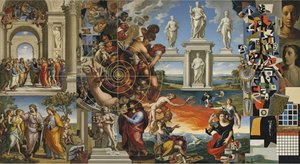
The Eloquence of Arrangement: Compositional Strategies in Western Art from the Renaissance to Modernism
Explore the evolution of compositional strategies in Western art! Discover how masters like Raphael & Zurbaran used perspective, proportion, and dynamic arrangement to create timeless masterpieces. Enhance your art appreciation today!

Paul Cézannes 25 Mesterværker: En Kunstnerisk Rejse til Moderne Malerkunst | OriginalUniqueArt.dk
Oplev Paul Cézannes 25 mest ikoniske malerier – fra stilleben til landskaber. Lær om impressionismen, hans unikke stil og køb eksklusive kunsttryk på OriginalUniqueArt.dk. Find inspiration til din indretning!

Kandinskys 25 Mesterværker: En Rejse Ind i Abstrakt Kunst | OriginalUniqueArt.com
Oplev Kandinskys 25 mest ikoniske værker! Dyk ned i abstrakt kunst, ekspressionisme og farvernes sprog. Find luksus reproduktioner af berømte malerier som 'Komposition VIII' på OriginalUniqueArt.com – inspiration til din vægkunst & indretning.

Mastering Drama and Light: A Definitive Guide to the Flemish Baroque Art Movement
Explore the dramatic brilliance of the Flemish Baroque movement. Discover how masters like Peter Paul Rubens utilized chiaroscuro and dynamic composition to redefine art history through light, shadow, and unparalleled emotion.