

 Se i rummet
 Send
Send Del
Del
 Detaljer
 Studieguide til kunstværker

 Download
 Lignende værker
 Røntgenundersøgelse
 Se diasshow
 Statistik
Horse Devoured by a Lion
 Oil On Canvas
- WallArt
- Romanticism
 1763
1763- Early Modern
 3.0 x 69.0 cm
 Tate Britain
 Læs mere
Håndlavet oliereproduktion
Håndmalet olie på lærred i din valgte størrelse og ramme, udført efter bestilling af vores kunstnere. ( Skift til printversion Skift til digitalt billede)




P118B Dkr10

P118H Dkr10

P118W Dkr10

P438Z Dkr10

P508JH Dkr12

P508YH Dkr12

P805H Dkr10

P805Z Dkr10

P919BZ Dkr10

P919G Dkr10

P919XJ Dkr10

P959ZH Dkr10

P968JZ Dkr12

W106C Dkr8

W218G Dkr10

W218JH Dkr8

W218Y Dkr10

W307PJ Dkr10

W316G Dkr10

W316PJ Dkr8

W316Y Dkr10

W398PJ Dkr8

W4111J Dkr10

W500HY Dkr15

W500JH Dkr15

W692G Dkr12

W849H Dkr8

W940BG Dkr15

W953PJ Dkr8




Vælg mellem vores forudindstillede størrelser, der matcher kunstværkets originale proportioner.

Indtast den bredde og højde, du har brug for, så det passer til din ramme eller din væg. Da dette er håndmalet, kan kunstneren ved en anden form på størrelsen male lidt mere rundt om billedet eller skære lidt væk — det er op til dig. Vi sender dig et digitalt mockup til godkendelse, før maleriet påbegyndes. Billedet, der vises på denne side, viser ikke det endelige resultat — det er kun mockuppet, der gør.
Efter bestilling vil OriginalUniqueArt.com team sende en e-mail til kunden for at indhente instruktioner og fremsende et udkast til gennemgang.
Levering i hele verden () på 3-4 uger i stedet for de standard 5 uger. (26 oktober). Ingen kompromiser med kvaliteten.

Gratis ekspresforsendelse til hele verden

Lærred af linned i høj kvalitet

Komplet transportforsikring

Garanti for refusion af told og importafgifter

Garanti for autentisk farvegengivelse

100 dages returret ved fabrikationsfejl

100% fuld returret

Mængderabat ved flere køb
 Glasmulighed er kun tilgængelig i størrelser under 110 cm

Horse Devoured by a Lion
Reproduktionsmateriale
Reproduktionsstørrelse
-


Samlet pris
Dkr 1968
The Primal Drama of Survival
To stand before George Stubbs's "Horse Devoured by a Lion" is to be thrust into the very heart of a visceral, untamed struggle. Completed in 1763, this masterpiece transcends mere animal portraiture, capturing a moment of raw, breathtaking violence that freezes time itself. The scene is one of profound tension: a horse, caught in its final, agonizing breaths, is relentlessly overtaken by the predatory force of a lion. There is no escape within this frame, only the inevitable triumph of brute strength over vulnerability. Stubbs does not merely observe this encounter; he orchestrates it, using the rugged, rocky landscape of Creswell Crags to mirror the chaotic and unforgiving nature of the conflict unfolding in the center of the canvas.
The emotional weight of the piece lies in its ability to evoke a sense of the sublime—that specific Romantic era fascination with beauty intertwined with terror. As the viewer, one feels an instinctive pull toward the central struggle, drawn by the sheer energy radiating from the lion’s powerful jaws and the horse's desperate, yielding form. It is a painting that demands attention, making it a commanding focal point for any collection or a sophisticated statement piece in a curated interior designed to provoke thought and conversation.
Mastery of Anatomy and Light
Stubbs’s technical brilliance is rooted in his unique background as an anatomist. His years spent studying dissection under the surgeon Charles Atkinson allowed him to render musculature with a startling, scientific precision that few of his contemporaries could match. In this work, every sinew of the struggling horse and every ripple of the lion's powerful frame is articulated with breathtaking verisimilitude. This anatomical accuracy does not strip the painting of its soul; rather, it grounds the drama in a terrifying reality, making the violence feel palpably real.
The artist employs a dramatic use of light and shadow, reminiscent of the chiaroscuro techniques found in classical masters, to heighten the narrative tension. Strong contrasts illuminate the textures of the scene—the coarse, thick fur of the predator, the smooth, sweating skin of the prey, and the jagged, unforgiving surfaces of the surrounding rocks. The color palette is a sophisticated arrangement of earthy tones, where deep browns, golds, and blacks create a brooding atmosphere, punctuated by highlights that guide the eye through the composition's dynamic movement. For the discerning collector, the depth of texture achieved in this oil on canvas offers a rich, tactile experience that remains captivating even in high-quality reproduction.
A Timeless Allegory of Power
Beyond its surface-level spectacle, "Horse Devoured by a Lion" serves as a profound allegory. While inspired by classical motifs Stubbs encountered during his travels to Rome, the painting speaks to universal themes of mortality and the cyclical nature of life and death. The lion represents an unstoppable, primordial force, while the horse embodies innocence and the fragility of existence when confronted with the overwhelming power of nature. It is a meditation on the loss of control and the inevitable confrontation between strength and weakness.
For interior designers and art enthusiasts alike, this work offers more than just aesthetic beauty; it provides a narrative depth that can transform a space. Whether placed in a grand library or a contemporary gallery setting, the painting’s ability to evoke feelings of awe, horror, and reverence makes it an enduring icon of the Romantic movement. It remains a testament to Stubbs's ability to translate biological reality into a profound exploration of the human condition, making it a timeless acquisition for those who appreciate art that challenges the spirit.
Spørgsmål & svar
Kan jeg se en forhåndsvisning af "Horse Devoured by a Lion" af George Stubbs, før jeg bestiller?
En forhåndsvisning af "Horse Devoured by a Lion" af George Stubbs er tilgængelig på værkets Forhåndsvisning-side.
Hvor kan jeg købe et print af "Horse Devoured by a Lion" af George Stubbs?
Et print af "Horse Devoured by a Lion" af George Stubbs kan bestilles direkte på dens Fine art-print-side: et fine art-print på bomuldscanvas eller arkivbestandigt lærredspapir.
Hvor kan jeg finde statistik om "Horse Devoured by a Lion" af George Stubbs?
Siden Statistikker for "Horse Devoured by a Lion" af George Stubbs præsenterer statistikker over offentlige besøg: månedlige besøg af dette kunstværk, en sammenligning med kunstnerens mest sete værker og hvor de besøgende kommer fra.
Om kunstneren
Early Life and Artistic Beginnings
George Stubbs, en af den engelske kunsts mest bemærkelsesværdige figurer, blev født i Liverpool den 25. august 1724. Hans barndom var præget af et sparsomt liv, hvor han arbejdede som læderhandler sammen med sin far, John Stubbs, indtil han i en alder af 15 år besluttede at forfølge sin passion for kunst. Denne tidlige beslutning førte ham til at søge vejledning hos Hamlet Winstanley, en lokal maler og graver, hvor han fik et kortvarigt mesterbrev. Selvom dette forhold var relativt kortvarigt, gav det Stubbs mulighed for at studere samlingen på Knowsley Hall, hvilket var afgørende for hans senere udvikling som kunstner. Stubbs’ tidlige interesse for anatomi blev tydelig, og han begyndte at studere menneskekroppen i en ung alder, hvilket ville blive et centralt element i hans kunstneriske stil.Artistic Development and Anatomical Studies
Stubbs's rejse mod at blive en anerkendt kunstner var præget af en dyb interesse for anatomi og en dedikation til at forstå den menneskelige krop i alle dets detaljer. I 1744 flyttede han til York, hvor han studerede under kirurg Charles Atkinson på York County Hospital. Denne uddannelse gav ham et unikt indblik i musklernes struktur og bevægelse, hvilket ville blive afgørende for hans evne til at male realistiske og dynamiske billeder af heste. Et af hans tidligste og mest kendte værker er en serie illustrationer til John Burtons lærebog om fødselshjælp, udgivet i 1751. Disse illustrationer demonstrerede allerede Stubbs's evner som tegner og hans voksende forståelse for anatomien.The Anatomy of the Horse and a Revolutionary Approach
I 1756 lejede Stubbs en gård i Lincolnshire og dedikerede de næste 18 måneder til at studere hestens anatomi, assisteret af sin samlever, Mary Spencer. Dette intensive arbejde kulminerede i udgivelsen af *Anatomy of the Horse* i 1766, et banebrydende værk, der revolutionerede forståelsen af hestenes krop og blev en vigtig reference for kunstnere og studerende i årtier fremover. Stubbs's illustrationer var ikke blot præcise anatomiske gengivelser; de var også fyldt med en dyb respekt for hestens styrke og elegance. Denne kombination af videnskabelig nøjagtighed og kunstnerisk følelse gjorde *Anatomy of the Horse* til et publikums hit og cementerede Stubbs's position som en pioner inden for sin genre.Notable Paintings and Royal Patronage
Stubbs’ kunstneriske succes voksede hurtigt, og han begyndte at modtage bestillinger fra adskillige aristokratiske kunder, herunder den 3. hertug af Richmond, der kommissionerede tre store malerier i 1759. Disse værker markerede et vendepunkt i Stubbs's karriere og banede vejen for hans fremtidige succes. Han fortsatte med at skabe billeder for adskillige duker og grever, hvilket førte til købet af en bolig i Marylebone, London. Stubbs’ mest berømte værk, *Whistlejacket*, et portræt af en prangende hest, der rejser på sine bagben, er et eksempel på hans evne til at fange hestens kraft og elegance. Billedet, med sin simple baggrund, var en radikal afvigelse fra traditionelle portrætter og blev mødt med både begejstring og kontrovers. Stubbs's serie af malerier om en løve, der angriber en hest, er tidlige eksempler på den romantiske bevægelse i kunst, hvor følelser og drama var vigtigere end blot realistisk gengivelse.Legacy and Enduring Influence
George Stubbs's arv som en af de mest betydningsfulde engelske malere er uomtvistelig. Hans evne til at male heste med en hidtil uset præcision og følelse har inspireret kunstnere i generationer. *Whistlejacket* er et ikonisk billede, der fortsat fascinerer publikum med sin dynamiske komposition og stærke udtryk. Stubbs's arbejde er repræsenteret på flere af de mest prestigefyldte museer i verden, herunder National Gallery i London og Yale Center for British Art. Hans bidrag til kunsthistorien er enormt, og hans værker fortsætter med at blive studeret og beundret af kunstelskere over hele kloden.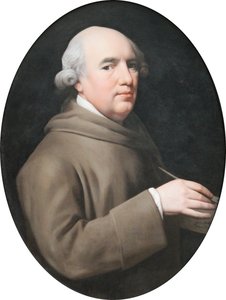
George Stubbs
1724 - 1806 , Storbritannien
Hurtige fakta
- Artistic Movement Or Style: Romantik, Hestekunst
- Artists Or Movements Influenced By This Artist: ['Joshua Reynolds']
- Artists Who Influenced This Artist: ['Hamlet Winstanley']
- Date Of Birth: 25. august 1724
- Date Of Death: 10. juli 1806
- Full Name: George Stubbs
- Nationality: Britisk
- Notable Artworks:
- Whistlejacket
- Løve angriber hest
- En løve og en tiger
- Place Of Birth: Liverpool, Storbritannien
Relaterede artikler
The Noble Steed: A Historical and Artistic Exploration of Horses in Fine Art
Explore the rich history of horses in fine art! From ancient depictions to Renaissance masterpieces & beyond, discover iconic artworks and artists. Learn about symbolism, techniques, and find museum-quality reproductions at OriginalUniqueArt.
George Stubbs: Anatomical Precision & Romantic Vision in 18th-Century British Art
Explore the captivating world of George Stubbs, the 18th-century master renowned for his anatomical precision & Romantic animal paintings. Discover his legacy and investment potential.

Georges Braques Mesterværker: Top 25 Kunstværker til Din Bolig
Oplev Georges Braques 25 mest ikoniske kunstværker! Dyk ned i kubismens verden, fra stilleben til analyse af form og farve. Find inspiration & køb eksklusive reproduktioner på OriginalUniqueArt.com – museumskvalitet til dit hjem.
The Noble Steed on Canvas: A Historical & Artistic Exploration of Horse Painting Across Cultures
Explore the rich history of horse painting! Discover masterpieces from Stubbs to Munnings & learn about symbolism, techniques & artists. Find museum-quality reproductions at OriginalUniqueArt.

Georges Seurat: Top 25 Kunstværker – Impressionisme & Pointillism til Dit Hjem
Oplev Georges Seurats 25 mest ikoniske værker! Fordyb dig i impressionismens og pointillismens verden. Find inspiration til din boligindretning med museumskvalitets kunsttryk på OriginalUniqueArt.com. Udforsk samlingen online.


