

 Se i rummet
 Del som kort
 Del
Del
 Detaljer
 Guide
Guide

 Download
 Lignende værker
 Røntgenundersøgelse
 Diasshow
 Q&A
Q&A Statistikker
Johannes Hevelius, Astronomer


 Vis mere
Giclée / Kunsttryk
Giclée- eller lærredstryk i museumskvalitet med hurtig produktion og fleksible muligheder for finish. ( Køb håndmalet maleri Skift til digitalt billede)




P118B Dkr10

P118H Dkr10

P118W Dkr10

P438Z Dkr10

P508JH Dkr12

P508YH Dkr12

P805H Dkr10

P805Z Dkr10

P919BZ Dkr10

P919G Dkr10

P919XJ Dkr10

P959ZH Dkr10

P968JZ Dkr12

W106C Dkr8

W218G Dkr10

W218JH Dkr8

W218Y Dkr10

W307PJ Dkr10

W316G Dkr10

W316PJ Dkr8

W316Y Dkr10

W398PJ Dkr8

W4111J Dkr10

W500HY Dkr15

W500JH Dkr15

W692G Dkr12

W849H Dkr8

W940BG Dkr15

W953PJ Dkr8




Vælg mellem vores forudindstillede størrelser, der matcher kunstværkets originale proportioner.

Indtast den bredde og højde, du har brug for, så det passer til din ramme eller din væg. Et print kan kun beskæres, aldrig gøres større end selve billedet, så en størrelse med et andet format vil medføre, at dele af motivet går tabt. Vi sender dig en digital mockup til godkendelse, før vi printer noget. Billedet vist på denne side viser ikke den faktiske beskæring — det er kun mockuppen, der gør.
Verdensomspændende levering () på 2 uger i stedet for de sædvanlige 4/5 uger. (29 oktober)

Gratis ekspresforsendelse til hele verden

Lærred af linned i høj kvalitet

Fuld transportforsikring

Garanti for refusion af told og importafgifter

Garanti for præcis farvegengivelse

100 dages returret ved fabrikationsfejl

100% fuld returret

Mængderabat ved flere køb
 Glasmulighed er kun tilgængelig i størrelser under 110 cm

Johannes Hevelius, Astronomer
Giclée / Kunsttryk
Størrelse på reproduktion
-


Samlet pris
Dkr 534
Introduction
Daniel II Schultz was a German painter who lived in the 17th century. He is known for his portraits and historical paintings, which often depict important figures from Polish history. One of his most famous works is the painting 'Johannes Hevelius, Astronomer', which is part of the collection of the National Museum in Warsaw, Poland.The Artist
Daniel II Schultz was born in Elbląg, Poland, in 1615. He received his artistic education in Danzig (now Gdańsk) and later traveled to Italy, where he studied the works of Italian masters. In 1648, he returned to Poland and settled in Warsaw, where he became a court painter for King John II Casimir Vasa. Schultz's style is characterized by his use of bright colors and his ability to capture the personality of his subjects.The Painting
Johannes Hevelius, Astronomer is a portrait of Johannes Hevelius, a Polish astronomer who lived in the 17th century. The painting depicts Hevelius holding a celestial globe and looking up at the stars. It is a testament to Hevelius's contributions to astronomy and his passion for the night sky. The painting is an oil on canvas and measures 125 x 97 cm. It is part of the collection of the National Museum in Warsaw, Poland, which has over 800,000 works of art, including paintings, sculptures, and decorative arts. The museum's collection includes works by many famous artists, such as Rembrandt, Leonardo da Vinci, and Raphael.The Significance of the Painting
Johannes Hevelius, Astronomer is an important work of art because it highlights the contributions of Johannes Hevelius to astronomy. Hevelius was a pioneer in the field of observational astronomy and made many important discoveries, including the discovery of several galaxies and the observation of the phases of Venus. The painting is also significant because it shows the importance of science and learning in 17th-century Poland. During this time, Poland was a center of scientific and cultural activity, and many Polish scientists and scholars made important contributions to their fields.Conclusion
Johannes Hevelius, Astronomer is a beautiful and significant work of art that highlights the contributions of Johannes Hevelius to astronomy and the importance of science and learning in 17th-century Poland. The painting is part of the collection of the National Museum in Warsaw, Poland, which has over 800,000 works of art, including paintings, sculptures, and decorative arts. If you are interested in purchasing a hand-made oil painting reproduction of Johannes Hevelius, Astronomer, please visit our website at- Sources:
- Painting by 'Daniel Ii Schultz' | Daniel Ii Schultz:Johannes Hevelius, Astronomer (Muzeum Narodowe (Warsaw, Poland),Oil On Canvas,)
- Painting by 'Daniel Ii Schultz' | Daniel Ii Schultz:King John Casimir II in Polish Costume (Muzeum Narodowe (Warsaw, Poland),Oil On Canvas,)
- Daniel Schultz - Wikipedia
- Painting by 'Olga Bozna Ska' | Olga Bozna Ska:Girl in the Garden (Muzeum Narodowe w Warszawie (Warsaw, Poland),Oil On Panel,)
- Painting by 'Olga Bozna Ska' | Olga Bozna Ska:The Interior (Muzeum Narodowe w Warszawie (Warsaw, Poland),Oil On Panel,)
- Jerzy Gelbard |
- Art Movements 2/2
Spørgsmål og svar
Hvor kan jeg se en forhåndsvisning af "Johannes Hevelius, Astronomer"?
Siden Forhåndsvisning for "Johannes Hevelius, Astronomer" giver dig mulighed for at se en forhåndsvisning af kunstværket, før du bestiller.
Hvordan forenes kontrast og harmoni i "Johannes Hevelius, Astronomer"?
Farvesammensætningen i "Johannes Hevelius, Astronomer" af Daniel II Schultz forener en Bold kontrast med en Softly Mixed Palette harmoni.
Er "Johannes Hevelius, Astronomer" overordnet set mest lys eller mørk?
"Johannes Hevelius, Astronomer" har en overordnet lysstyrke på deep_shadow, og dens luminans er Dark.
Kunstnerbiografi
A Life Immersed in Baroque Splendor
Daniel II Schultz, a name resonating through the annals of Polish Baroque art, was born around 1615 in Gdańsk, a vibrant port city then part of Polish Prussia. Though known by several variations – Jerzy Daniel Schultz, Georg Daniel Schultz, and simply as Daniel Schultz the Younger – his artistic legacy remains unified by an exceptional talent for portraiture and a keen eye for capturing the grandeur of his era. His journey began within the workshop of his uncle, Daniel Schultz the Elder, where he honed foundational skills for approximately five years. This familial apprenticeship provided a crucial springboard, but young Daniel’s ambition extended beyond local boundaries. Following his uncle's passing, he embarked on an enriching period of study in France and the Netherlands from 1646 to 1649, immersing himself in the diverse artistic currents shaping Western Europe. These travels were transformative, exposing him to techniques and styles that would later infuse his own distinctive approach.At the Heart of Royal Patronage
Schultz’s ascent was swift and assured. By 1649, he had secured a coveted position as a private painter to King John II Casimir Vasa, marking the beginning of a long and fruitful relationship with the Polish court. This patronage continued under subsequent monarchs Michael Wiśniowiecki and John III Sobieski, solidifying Schultz’s role as *the* leading artist within Warsaw's royal circles. Around 1660, he returned to Gdańsk, yet maintained strong ties to the court, frequently undertaking commissions in Warsaw, particularly at the magnificent Wilanów Palace. This duality – a rootedness in his hometown combined with consistent engagement with royal projects – defined much of his career. He wasn’t merely a painter *of* the nobility; he was intimately woven into the fabric of their lives and power. His work became inextricably linked to the visual representation of Polish royalty and aristocracy during a pivotal period in the nation's history.A Master of Baroque Expression
Schultz’s artistic style is deeply rooted in the Baroque aesthetic, characterized by rich color palettes, dramatic compositions, and an emphasis on portraying emotion and grandeur. He wasn’t simply replicating likenesses; he was crafting narratives through paint, imbuing his subjects with personality and psychological depth. The influence of masters like Rembrandt is readily apparent, particularly in Schultz's masterful use of light and shadow – a technique known as chiaroscuro – to create dramatic effects and highlight the inner lives of his sitters. The king’s own passion for Dutch paintings also played a significant role in shaping Schultz’s artistic sensibilities. His oeuvre primarily consisted of portraits—of Polish nobility, members of the royal family, prominent Patricians like astronomer Johannes Hevelius—but also included depictions of animals and lively scenes of hunts. Among his most celebrated works are Crimean Falconer of King John II Casimir with his Family (c. 1664), a captivating depiction of Crimean Agha Dedesh and his family, commemorating a diplomatic exchange during wartime; the powerful propaganda portraits of King John II Casimir, showcasing him as a military leader; and the evocative Bielany Portrait, with Kraków burning dramatically in the background. Other notable pieces include the sadly missing *Saint Casimir*, originally intended for the abdicating king and displayed in Paris, and the poignant coffin portrait of John II Casimir, now residing at the Royal Castle in Warsaw as part of a collection honoring Polish monarchs.Legacy and Enduring Influence
Daniel II Schultz stands as one of the most important Baroque painters in Poland, celebrated for his exceptional skill in portraiture and his ability to capture the essence of an era. His portraits offer invaluable insights into the appearance, status, and personalities of Polish royalty and nobility during a time of significant political and social change. His works are now preserved in prestigious institutions worldwide – from the Wawel Castle State Art Collections and the National Museum in Warsaw to the Stockholm National Museum, the Hermitage Museum, and the Gdańsk National Museum—testifying to his enduring artistic merit. Furthermore, Schultz’s influence extended beyond his own brushstrokes; he collaborated with engraver Jeremias Falck, who created numerous prints based on Schultz's paintings, effectively disseminating his artistic vision to a wider audience. He left behind not just a body of stunning artwork but also a legacy that continues to inspire and inform our understanding of 17th-century Polish art and culture. His name remains synonymous with the Baroque splendor of the Polish–Lithuanian Commonwealth.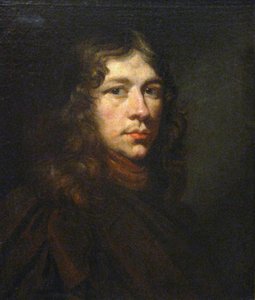
Daniel II Schultz
1615 - 1683 , Poland
Kort om kunstneren
- Full Name: Daniel II Schultz
- Nationality: Polish-Lithuanian
- Date Of Birth: 1615
- Date Of Death: 1683
- Place Of Birth: Danice, Poland
- Notable Artworks:
- Crimean Falconer
- Bielany Portrait
- Saint Casimir
- Coffin Portrait
- Artistic Movement Or Style: Baroque
- Artists Who Influenced This Artist:
- Rembrandt
- Philippe de Champaigne
Relaterede artikler

Barokkens Mestre: Top 10 Kunstværker der Definerede en Æra | OriginalUniqueArt.dk
Oplev barokkens storhed! Dyk ned i 10 ikoniske kunstværker af Caravaggio, Rembrandt & Vermeer. Lær historierne bag mesterværkerne og find inspiration til din indretning med museumskvalitets reproduktioner på OriginalUniqueArt.com

Hollandsk Barok: Top 10 Mesterværker der Definerede en Æra – Kunst til Dit Hjem
Oplev Hollandsk Barok's 10 mest ikoniske værker! Rembrandt, Vermeer & co. – dyk ned i historien bag mesterværkerne og find inspiration til din boligindretning. Køb luksus kunsttryk på OriginalUniqueArt.com.

Barokkens Drama: Hvordan Storhed og Emotion Bringes Ind i Moderne Interiører
Dyk ned i barokkunstens verden! Lær om stilens historie, karakteristika og hvordan du integrerer dens drama og elegance i dit moderne hjem. Inspiration & ekspertrådgivning.

Baroque Classicism: The Grandeur of Order and Drama in 17th-Century Art History
Explore the profound elegance of Baroque Classicism. Discover how 17th-century masters synthesized dramatic emotion with classical order through the lens of the Counter-Reformation and the works of legends like Carlo Maratta and Andrea Sacchi.

The Dramatic Flourish: Exploring the Baroque Movement's Enduring Legacy in Art History
Explore the dramatic world of Baroque art! Discover iconic artists like Caravaggio & Rubens, defining techniques, and its lasting impact on art history. Expert insights for collectors & enthusiasts at OriginalUniqueArt.