

 Se i rummet
 Del som kort
 Del
Del
 Detaljer
 Guide
Guide

 Download
 Lignende værker
 Røntgenundersøgelse
 Diasshow
 Q&A
Q&A Statistikker
Johannes Hevelius, Astronomer


 Vis mere
Få en printklar fil, der rækker langt ud over web-forhåndsvisningen. Hvert digitalt billede, vi sælger, stammer fra en højopløst master i vores database — typisk mellem 5.000 og 15.000 pixels i bredden — så du med selvtillid kan printe stort, beskære tæt eller gengive fine detaljer.
Ingen fil forlader vores studie uden at være blevet behandlet. En digital ekspert kontrollerer farverne i forhold til det originale maleri og korrigerer dem efter behov, hvorefter klarhed og detaljer forbedres med professionelle retoucheringsværktøjer — altid med fuld respekt for kunstnerens penselstrøg og stil. Resultatet er et billede, der ligner selve maleriet, og ikke blot et scannet billede med et filter.
Du godkender først, når du er tilfreds: Vores ekspert sender billedet til din gennemgang via e-mail inden for 72 timer. Ikke tilfreds? Bed om rettelser eller forbedringer, eller anmod om en refundering, hvis kvaliteten ikke lever op til forventningerne.
Dette er den kvalitet, som forlag, designstudier, gallerier og trykkerier stoler på.
Digitalt billede
Download en højopløselig fil til personlig fremvisning, print og kreative projekter. ( Skift til printsalg Køb håndmalet maleri)
Inkluderet i alle ordrer på digitale billeder
Ekspertise i digital levering, garanteret
Når du vælger OriginalUniqueArt.com, får du ikke blot et billede – du modtager et professionelt optimeret digitalt kunstværk, skabt med præcision og sikret med en tilfredshedsgaranti. Her er alt, hvad din ordre automatisk indeholder:

Hurtig levering via e-mail
Din højtopløselige digitale billedfil sendes til din e-mail inden for 72 timer efter bestilling – klar til øjeblikkelig brug.

AI-optimeret digital fil
Dit kunstværk optimeres professionelt ved hjælp af avancerede AI-værktøjer og manuel redigering, hvilket sikrer maksimal detaljegrad, klarhed og farvenøjagtighed.

Gratis livslang genlevering
Har du ved en fejl slettet eller mistet din fil? Ingen bekymring – vi sender den igen til enhver tid, helt gratis.

Ingen importgebyrer – nogensinde
Nyd dit kunstværk med det samme uden told, afgifter eller leveringsgebyrer – digitale downloads er altid skattefrie.

Garanteret farvenøjagtighed
Vi sikrer, at dit digitale billede gengiver de originale farver så præcist som muligt ved hjælp af professionelle værktøjer og farvestyring.

100 dages tilfredshedsgaranti
Hvis du ikke er tilfreds med dit digitale billede, vil vi revidere det eller refundere 100% inden for 100 dage – uden spørgsmål.

100% Pengene tilbage-garanti
Ik tilfreds? Få fuld refusion inden for 100 dage efter modtagelse af din digitale fil – uden spørgsmål.

Mængderabat ved storkøb
Køb 3 billeder, spar 10% - Køb 5, spar 15% - Køb 10+, spar 20%. Ideelt til kreative projekter, gallerier og bureauer.
Introduction
Daniel II Schultz was a German painter who lived in the 17th century. He is known for his portraits and historical paintings, which often depict important figures from Polish history. One of his most famous works is the painting 'Johannes Hevelius, Astronomer', which is part of the collection of the National Museum in Warsaw, Poland.The Artist
Daniel II Schultz was born in Elbląg, Poland, in 1615. He received his artistic education in Danzig (now Gdańsk) and later traveled to Italy, where he studied the works of Italian masters. In 1648, he returned to Poland and settled in Warsaw, where he became a court painter for King John II Casimir Vasa. Schultz's style is characterized by his use of bright colors and his ability to capture the personality of his subjects.The Painting
Johannes Hevelius, Astronomer is a portrait of Johannes Hevelius, a Polish astronomer who lived in the 17th century. The painting depicts Hevelius holding a celestial globe and looking up at the stars. It is a testament to Hevelius's contributions to astronomy and his passion for the night sky. The painting is an oil on canvas and measures 125 x 97 cm. It is part of the collection of the National Museum in Warsaw, Poland, which has over 800,000 works of art, including paintings, sculptures, and decorative arts. The museum's collection includes works by many famous artists, such as Rembrandt, Leonardo da Vinci, and Raphael.The Significance of the Painting
Johannes Hevelius, Astronomer is an important work of art because it highlights the contributions of Johannes Hevelius to astronomy. Hevelius was a pioneer in the field of observational astronomy and made many important discoveries, including the discovery of several galaxies and the observation of the phases of Venus. The painting is also significant because it shows the importance of science and learning in 17th-century Poland. During this time, Poland was a center of scientific and cultural activity, and many Polish scientists and scholars made important contributions to their fields.Conclusion
Johannes Hevelius, Astronomer is a beautiful and significant work of art that highlights the contributions of Johannes Hevelius to astronomy and the importance of science and learning in 17th-century Poland. The painting is part of the collection of the National Museum in Warsaw, Poland, which has over 800,000 works of art, including paintings, sculptures, and decorative arts. If you are interested in purchasing a hand-made oil painting reproduction of Johannes Hevelius, Astronomer, please visit our website at- Sources:
- Painting by 'Daniel Ii Schultz' | Daniel Ii Schultz:Johannes Hevelius, Astronomer (Muzeum Narodowe (Warsaw, Poland),Oil On Canvas,)
- Painting by 'Daniel Ii Schultz' | Daniel Ii Schultz:King John Casimir II in Polish Costume (Muzeum Narodowe (Warsaw, Poland),Oil On Canvas,)
- Daniel Schultz - Wikipedia
- Painting by 'Olga Bozna Ska' | Olga Bozna Ska:Girl in the Garden (Muzeum Narodowe w Warszawie (Warsaw, Poland),Oil On Panel,)
- Painting by 'Olga Bozna Ska' | Olga Bozna Ska:The Interior (Muzeum Narodowe w Warszawie (Warsaw, Poland),Oil On Panel,)
- Jerzy Gelbard |
- Art Movements 2/2
Spørgsmål og svar
Hvor kan jeg se en forhåndsvisning af "Johannes Hevelius, Astronomer"?
Siden Forhåndsvisning for "Johannes Hevelius, Astronomer" giver dig mulighed for at se en forhåndsvisning af kunstværket, før du bestiller.
Hvordan forenes kontrast og harmoni i "Johannes Hevelius, Astronomer"?
Farvesammensætningen i "Johannes Hevelius, Astronomer" af Daniel II Schultz forener en Bold kontrast med en Softly Mixed Palette harmoni.
Er "Johannes Hevelius, Astronomer" overordnet set mest lys eller mørk?
"Johannes Hevelius, Astronomer" har en overordnet lysstyrke på deep_shadow, og dens luminans er Dark.
Kunstnerens biografi
A Life Immersed in Baroque Splendor
Daniel II Schultz, a name resonating through the annals of Polish Baroque art, was born around 1615 in Gdańsk, a vibrant port city then part of Polish Prussia. Though known by several variations – Jerzy Daniel Schultz, Georg Daniel Schultz, and simply as Daniel Schultz the Younger – his artistic legacy remains unified by an exceptional talent for portraiture and a keen eye for capturing the grandeur of his era. His journey began within the workshop of his uncle, Daniel Schultz the Elder, where he honed foundational skills for approximately five years. This familial apprenticeship provided a crucial springboard, but young Daniel’s ambition extended beyond local boundaries. Following his uncle's passing, he embarked on an enriching period of study in France and the Netherlands from 1646 to 1649, immersing himself in the diverse artistic currents shaping Western Europe. These travels were transformative, exposing him to techniques and styles that would later infuse his own distinctive approach.At the Heart of Royal Patronage
Schultz’s ascent was swift and assured. By 1649, he had secured a coveted position as a private painter to King John II Casimir Vasa, marking the beginning of a long and fruitful relationship with the Polish court. This patronage continued under subsequent monarchs Michael Wiśniowiecki and John III Sobieski, solidifying Schultz’s role as *the* leading artist within Warsaw's royal circles. Around 1660, he returned to Gdańsk, yet maintained strong ties to the court, frequently undertaking commissions in Warsaw, particularly at the magnificent Wilanów Palace. This duality – a rootedness in his hometown combined with consistent engagement with royal projects – defined much of his career. He wasn’t merely a painter *of* the nobility; he was intimately woven into the fabric of their lives and power. His work became inextricably linked to the visual representation of Polish royalty and aristocracy during a pivotal period in the nation's history.A Master of Baroque Expression
Schultz’s artistic style is deeply rooted in the Baroque aesthetic, characterized by rich color palettes, dramatic compositions, and an emphasis on portraying emotion and grandeur. He wasn’t simply replicating likenesses; he was crafting narratives through paint, imbuing his subjects with personality and psychological depth. The influence of masters like Rembrandt is readily apparent, particularly in Schultz's masterful use of light and shadow – a technique known as chiaroscuro – to create dramatic effects and highlight the inner lives of his sitters. The king’s own passion for Dutch paintings also played a significant role in shaping Schultz’s artistic sensibilities. His oeuvre primarily consisted of portraits—of Polish nobility, members of the royal family, prominent Patricians like astronomer Johannes Hevelius—but also included depictions of animals and lively scenes of hunts. Among his most celebrated works are Crimean Falconer of King John II Casimir with his Family (c. 1664), a captivating depiction of Crimean Agha Dedesh and his family, commemorating a diplomatic exchange during wartime; the powerful propaganda portraits of King John II Casimir, showcasing him as a military leader; and the evocative Bielany Portrait, with Kraków burning dramatically in the background. Other notable pieces include the sadly missing *Saint Casimir*, originally intended for the abdicating king and displayed in Paris, and the poignant coffin portrait of John II Casimir, now residing at the Royal Castle in Warsaw as part of a collection honoring Polish monarchs.Legacy and Enduring Influence
Daniel II Schultz stands as one of the most important Baroque painters in Poland, celebrated for his exceptional skill in portraiture and his ability to capture the essence of an era. His portraits offer invaluable insights into the appearance, status, and personalities of Polish royalty and nobility during a time of significant political and social change. His works are now preserved in prestigious institutions worldwide – from the Wawel Castle State Art Collections and the National Museum in Warsaw to the Stockholm National Museum, the Hermitage Museum, and the Gdańsk National Museum—testifying to his enduring artistic merit. Furthermore, Schultz’s influence extended beyond his own brushstrokes; he collaborated with engraver Jeremias Falck, who created numerous prints based on Schultz's paintings, effectively disseminating his artistic vision to a wider audience. He left behind not just a body of stunning artwork but also a legacy that continues to inspire and inform our understanding of 17th-century Polish art and culture. His name remains synonymous with the Baroque splendor of the Polish–Lithuanian Commonwealth.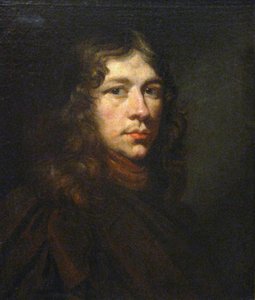
Daniel II Schultz
1615 - 1683 , Poland
Kort fortalt
- Full Name: Daniel II Schultz
- Nationality: Polish-Lithuanian
- Date Of Birth: 1615
- Date Of Death: 1683
- Place Of Birth: Danice, Poland
- Notable Artworks:
- Crimean Falconer
- Bielany Portrait
- Saint Casimir
- Coffin Portrait
- Artistic Movement Or Style: Baroque
- Artists Who Influenced This Artist:
- Rembrandt
- Philippe de Champaigne