

 Se i rummet
 Send
Send Del
Del
 Detaljer
 Studieguide til kunstværker

 Download
 Lignende værker
 Røntgenundersøgelse
 Se diasshow
 Statistik
St Jerome and St Augustine (detail)


 Læs mere
Giclée / Kunsttryk
Giclée- eller lærredstryk i museumskvalitet med hurtig produktion og fleksible muligheder for finish. ( Bestil håndmalet reproduktion Skift til digitalt billede)




P118B Dkr10

P118H Dkr10

P118W Dkr10

P438Z Dkr10

P508JH Dkr12

P508YH Dkr12

P805H Dkr10

P805Z Dkr10

P919BZ Dkr10

P919G Dkr10

P919XJ Dkr10

P959ZH Dkr10

P968JZ Dkr12

W106C Dkr8

W218G Dkr10

W218JH Dkr8

W218Y Dkr10

W307PJ Dkr10

W316G Dkr10

W316PJ Dkr8

W316Y Dkr10

W398PJ Dkr8

W4111J Dkr10

W500HY Dkr15

W500JH Dkr15

W692G Dkr12

W849H Dkr8

W940BG Dkr15

W953PJ Dkr8




Vælg mellem vores forudindstillede størrelser, der matcher kunstværkets originale proportioner.

Indtast den bredde og højde, du har brug for, så det passer til din ramme eller din væg. Et print kan kun beskæres, aldrig gøres større end billedet, så en størrelse med en anden form vil miste en del af motivet. Vi sender dig en digital mockup til godkendelse, før vi printer noget. Billedet vist på denne side viser ikke den faktiske beskæring — det er kun mockuppen, der gør.
Verdensomspændende levering () på 2 uger i stedet for de sædvanlige 4/5 uger. (27 oktober)

Gratis ekspresforsendelse til hele verden

Lærred af linned i høj kvalitet

Komplet transportforsikring

Garanti for refusion af told og importafgifter

Garanti for autentisk farvegengivelse

100 dages returret ved fabrikationsfejl

100% fuld returret

Mængderabat ved flere køb
 Glasmulighed er kun tilgængelig i størrelser under 110 cm

St Jerome and St Augustine (detail)
Giclée / Kunsttryk
Reproduktionsstørrelse
-


Samlet pris
Dkr 532
A Renaissance Dialogue of Faith and Wisdom
Carlo Crivelli’s “St. Jerome and St. Augustine,” painted around 1490, isn't merely a depiction of two revered figures; it’s a carefully constructed tableau of intellectual and spiritual contemplation, steeped in the late Gothic sensibilities of Renaissance Venice. The painting immediately draws the eye with its rich palette – deep reds and browns dominate, creating an atmosphere of solemnity and introspection, punctuated by the shimmering gold of the background and the vibrant hues of the garments. Crivelli masterfully employs a technique that balances meticulous detail with a sense of ethereal beauty, characteristic of his style which he developed after leaving Venice.
The composition is strikingly intimate, framing the two saints within a shallow space that invites close observation. Jerome, identifiable by his lion skin and quill pen, sits in deep thought, seemingly lost in prayer or contemplation. His posture exudes quiet intensity, while Augustine, clad in the robes of a bishop, gestures with an open book – a potent symbol of knowledge and divine revelation. The miniature architectural model at Augustine’s feet isn't simply decorative; it represents the power and authority of the papacy, subtly reinforcing the theme of earthly and spiritual governance. The inclusion of the lion, a recurring motif in Crivelli’s work, adds an element of primal instinct and strength to the scene, grounding the intellectual pursuits of the saints within the realm of human experience.
Craftsmanship and Venetian Influence
Crivelli's mastery lies not only in his subject matter but also in his technical execution. The painting is executed in tempera on wood, a medium favored by artists during this period for its luminosity and ability to achieve fine detail. Notice the layering of glazes – thin washes of color applied over dry layers – that create depth and richness in the fabrics and textures. The artist’s attention to detail is remarkable; from the intricate folds of the robes to the delicate rendering of Jerome's beard, every element contributes to a sense of realism and immediacy. The use of *trompe-l'oeil* techniques—the illusion of three-dimensionality—is particularly evident in the miniature building, which seems to leap out from the surface of the panel.
Crivelli’s Venetian training is undeniable, yet he forged a distinct style that set him apart from his contemporaries. While influenced by the meticulous realism of artists like Squarcione and the decorative elegance of Vivarini, Crivelli infused his work with a greater sense of emotional intensity and psychological depth. This painting exemplifies this shift – it’s not just a portrait of two saints; it's an exploration of their inner lives and the profound questions they grappled with.
Symbolism and Spiritual Resonance
Beyond the immediate depiction of Jerome and Augustine, the painting is laden with symbolic meaning. Jerome, traditionally associated with writing and contemplation, represents the pursuit of wisdom through scripture. Augustine, a pivotal figure in Christian theology, embodies faith, reason, and the struggle to reconcile divine revelation with human experience. The presence of the lion symbolizes strength and vigilance, while the open book signifies the importance of knowledge and learning. The overall composition suggests a dialogue between these two figures – a conversation between intellect and spirituality, earthly authority and divine grace.
Considered within the context of 1490s Venice, a city grappling with political upheaval and religious reform, “St. Jerome and St. Augustine” offers a poignant reflection on the challenges of navigating faith and reason in a turbulent world. It’s a testament to Crivelli's skill as an artist and his ability to capture the complexities of human experience within a framework of profound spiritual significance. Reproductions of this work continue to resonate with viewers today, offering a glimpse into the artistic and intellectual currents of the Renaissance.
Spørgsmål & svar
Er "St Jerome and St Augustine (detail)" af Carlo Crivelli i det offentlige domæne, og hvorfor?
"St Jerome and St Augustine (detail)" af Carlo Crivelli er i det offentlige domæne – ophavsretten er udløbet. Ophavsrettens varighed løber fra kunstnerens død, som fandt sted i 1495.
Hvilket rum anbefales til "St Jerome and St Augustine (detail)" af Carlo Crivelli?
En reproduktion af "St Jerome and St Augustine (detail)" passer godt ind i et Living Room.
I hvilket år og inden for hvilken stilart blev "St Jerome and St Augustine (detail)" skabt?
"St Jerome and St Augustine (detail)" blev skabt i 1490 som et værk inden for Renaissance-bevægelsen. Datoen og stilen forankrer kunstværket i kunsthistorien.
Om kunstneren
tidligt liv og uddannelse
Den italienske renæssancemaler Carlo Crivelli blev født i Venedig omkring 1430-35. Han trådte ind i kunsten gennem en familie af malere og modtog sin kunstneriske dannelse i de kulturelle centre Venedig og Padua. Det antages, at Crivellis tidlige træning fandt sted under Jacobello del Fiore, som stadig var aktiv i 1436, og han uddybede desuden sine færdigheder ved Vivarini-skolen i Venedig.
karriere og stil
Crivelli tilbragte sine formative år i Veneto-regionen, hvor han opsugede dybe indflydelser fra mestre som Vivarini, Squarcione og Mantegna. Omkring 1458 forlod han Veneto og dedikerede størstedelen af sin karriere til Marche-regionen ved Ancona. Her udviklede han en særpræget personlig stil, der står i markant kontrast til den venetianske samtidige Giovanni Bellini. Crivellis værk er kendetegnet ved en konservativ, dekorativ sengotisk sansbarhed, præget af en lineær kvalitet, en uovertruffen detaljerigdom og den forførende brug af "trompe l'oeil"-teknikker, der leger med beskuerens blik.
bemærkelsesværdige værker og samarbejder
* Carlo Crivellis maleri "Madonna og barnet på tronen" (106 x 55 cm, Museum of Fine Arts, Budapest, Ungarn) står som et fremragende eksempel på hans unikke stil. * Han indgik i flere projekter i samarbejde med sin yngre bror, Vittorio Crivelli. * Pietro Alemanno, en maler der emigrerede til Marche-regionen fra Tyskland/Østrig, var både hans elev og samarbejdspartner.
museer og samlinger
* Pinacoteca di Brera i Milano, Italien, rummer flere af Crivellis værker, herunder "Pietà" (128 x 241 cm). * Museo San Giovanni in Bragora i Venedig, Italien, besidder en samling af kunstværker fra forskellige perioder og stilarter, herunder værker tilskrevet Crivelli.
- Se Carlo Crivellis kunstværker på OriginalUniqueArt.com
- Udforsk Jacopo Robustis værker på OriginalUniqueArt.com
- Læs mere om Carlo Crivelli på Wikipedia
Crivellis eftermæle fortsætter med at inspirere både kunstelskere og lærde, idet hans arbejde forbliver et vidnesbyrd om den vedvarende kraft i den konservative, sengotiske dekorative sansbarhed.

Carlo Crivelli
1435 - 1495 , Italien
Hurtige fakta
- Artistic Movement Or Style: Sengotisk/Renæssance
- Artists Or Movements Influenced By This Artist: ['Giovanni Bellini']
- Artists Who Influenced This Artist:
- Jacobello del Fiore
- Vivarini
- Squarcione
- Mantegna
- Date Of Birth: ca. 1430-35 Venedig
- Date Of Death: ca. 1495 Italien
- Full Name: Carlo Crivelli
- Nationality: Italiensk
- Notable Artworks:
- Madonna og barnet
- Sankt Bartlomæus
- Sankt Rochus
- Place Of Birth: Venedig, Italien
Relaterede artikler

El Grecos 25 Mesterværker: Kunst, Historie og Inspiration til Dit Hjem
Oplev El Grecos 25 mest ikoniske malerier! Fordyb dig i spansk renæssancekunst, spirituelle værker og dramatiske kompositioner. Find inspiration til dit hjem & køb museumskvalitets reproduktioner på OriginalUniqueArt.com.
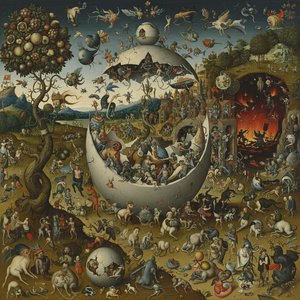
Hieronymus Bosch' Top 25 Kunstværker: En Rejse Ind i Fantasien | OriginalUniqueArt
Oplev Hieronymus Boschs 25 mest ikoniske kunstværker. Fordyb dig i middelalderlig symbolisme, religiøs kunst og fantasifulde landskaber. Køb eksklusive reproduktioner af højeste kvalitet på OriginalUniqueArt.com – inspiration til din boligindretning.
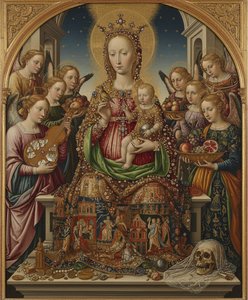
Carlo Crivelli: Mysticism & Materiality in Renaissance Venice
Explore the captivating world of Carlo Crivelli, a Renaissance master blending Gothic detail with profound symbolism. Discover his unique style & lasting influence on Venetian art history.
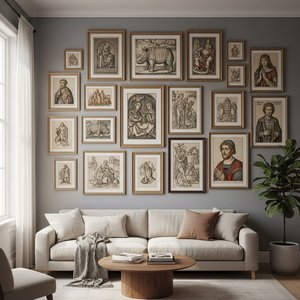
Albrecht Dürers 25 Mesterværker: Kunst, Historie og Inspiration til Dit Hjem
Oplev Albrecht Dürers 25 mest ikoniske værker – fra detaljerede træsnit til fængslende selvportrætter. Fordyb dig i renæssancekunstens historie og find inspiration til dit hjem med OriginalUniqueArt.coms eksklusive reproduktioner. Udforsk samlingen online!

Mastering Devotion: The Most Iconic Depictions of Saint Jerome in Art History
Explore the profound iconography of Saint Jerome through art history's most iconic masterpieces. From Renaissance serenity to Baroque drama, discover how legendary painters captured divine devotion in breathtaking oil paintings and fine art reproductions.

