Pre-Columbian Art · 1521
Spider Monkey (Aztekerriget, 1521)
Aztekerriget (1300–1521) har skabt Spider Monkey. Det er fra 1521. Det tilhører Pre-Columbian Art-bevægelsen. Den er udført i Clay / Terracotta. Det opbevares på Rhode Island School of Design Museum of Art i Providence, United States of America. Målene er 35 × 26 cm.
- 1521
- Clay / Terracotta
- 35 × 26 cm
- Rhode Island School of Design Museum of Art, Providence

 Håndmalet oliemalerie
 Del som kort
 Del
 Guide


 Download
 Lignende værker
 Diasshow
 Spørgsmål og svar

 Statistikker
Spider Monkey: det vigtigste
- Titel
- Spider Monkey
- Kunstner
- Aztekerriget (1300–1521)
- Kunstner født i
- Tenochtitlan, Mexico
- Dato
- 1521
- Medium
- Clay / Terracotta
- Dimensioner
- 35 × 26 cm
- Hvor det kan ses
- Rhode Island School of Design Museum of Art, Providence, United States of America
- Bevægelse
- Pre-Columbian Art
- Periode
- Late Medieval
- Motiv
- aztec monkey, clay sculpture, native mexico, tenochtitlan, earrings artwork, pre-columbian art
Hvad forestiller Spider Monkey?
A Glimpse into Tenochtitlan: The Spider Monkey Sculpture
This exceptional hand-painted reproduction captures a pivotal moment in Aztec artistic expression – the creation of a remarkably detailed sculpture depicting a spider monkey, dating back to 1521. Crafted by artisans within the heart of the Aztec Empire, specifically in Tenochtitlan, this piece offers an intimate window into the beliefs and aesthetic sensibilities of one of Mesoamerica’s most influential civilizations. The original sculpture, likely created during the reign of Moctezuma I, speaks volumes about the Aztecs' deep connection to the natural world and their sophisticated understanding of symbolism.
- Subject Matter: The central figure is a spider monkey, an animal revered within Aztec cosmology. Monkeys were associated with intelligence, agility, and trickery – qualities valued in both human endeavors and divine beings.
- Material & Technique: Executed in clay, a readily available material throughout the Valley of Mexico, the sculpture demonstrates the Aztecs’ mastery of ceramic techniques. The application of color, though faded over centuries, reveals traces of vibrant pigments derived from minerals like ochre and malachite, reflecting their skilled understanding of natural dyes.
- Size & Presentation: Measuring 35 x 26 cm, this reproduction is perfectly sized for display in a variety of settings – from private collections to interior design projects. The white backdrop emphasizes the sculpture’s form and color, allowing it to command attention without distraction.
Symbolism and Spiritual Significance
The inclusion of earrings on the monkey's ears is particularly significant. In Aztec art, adornment – especially with feathers and precious stones – was a powerful symbol of status, divinity, and connection to the spiritual realm. The addition of these ornaments elevates the monkey from a simple animal representation to a figure imbued with symbolic weight, potentially representing a deity or an important ancestor. The crossed legs suggest stability and contemplation, further reinforcing the sculpture’s spiritual purpose.
The Aztec worldview was deeply intertwined with ritual and belief. Art served not merely as decoration but as a conduit for communicating with the gods and maintaining cosmic balance. This Spider Monkey sculpture is therefore more than just an object; it's a tangible expression of their faith and understanding of the universe.Historical Context: The Aztec Empire at its Zenith
Created in 1521, this sculpture represents the apex of the Aztec Empire’s artistic achievements. The year marks the fall of Tenochtitlan to Hernán Cortés and the Spanish conquistadors – a dramatic turning point in Mesoamerican history. Despite this tragic event, the legacy of Aztec art continues to resonate today, offering invaluable insights into their culture and ingenuity. The sculpture's creation reflects the empire’s confidence and power, showcasing its artistic prowess before the arrival of European influence.
Artist: Aztec Empire Date: 1521 Size: 35 x 26 cmEmotional Impact & Artistic Value
This reproduction evokes a profound sense of connection to the past. It’s a tangible link to the artistic traditions of the Aztec people, inviting contemplation on their beliefs, values, and remarkable achievements. The sculpture's inherent beauty, combined with its historical significance, makes it a compelling addition to any art collection or interior design scheme. It is a testament to human creativity and resilience, offering a powerful reminder of a civilization that flourished for centuries before succumbing to the forces of change.
Hvilket museum udstiller Spider Monkey?
Rhode Island School of Design Museum of Art
Providence, United States of America
Et levende laboratorium for kunstnerisk synergi Gemt i det historiske hjerte af Providence, Rhode Island, står RISD Museum som et dybtgående vidnesbyrd om den kraftfulde synergi mellem kunstnerisk skabelse og stringent uddannelse. Mere end blot et depot for smukke genstande fungerer det som et levende laboratorium, hvor generationer af kunstnere og designere har forfinet deres færdigheder, hentet inspiration og udfordret konventionelle grænser. Museet blev grundlagt i 1877 side om side med selve Rhode Island School of Design, og det blev aldrig udtænkt som et isoleret monument over fortiden; tværtimod blev det født som en integreret del af en fremsynet institution dedikeret til at forme fremtidens kunst og design.


Spider Monkey i høj opløsning

Public domain: kunstneren døde i 1521.
Flere størrelser, beskæringer og kildehenvisning →Aztekerriget, Spider Monkey (1521), Rhode Island School of Design Museum of Art. Public domain
Spørgsmål om Spider Monkey
Hvad er målene på det originale "Spider Monkey" af Aztekerriget?
De registrerede mål for "Spider Monkey" af Aztekerriget er 35 x 26 cm. Reproduktioner kan bestilles i andre størrelser, mens de samme proportioner bevares.
Er "Spider Monkey" af Aztekerriget i det offentlige domæne?
Hvad angår ophavsret, er "Spider Monkey" i det offentlige domæne – ophavsretten er udløbet.
Hvilken stemning og hvilke følelser udtrykker "Spider Monkey" af Aztekerriget?
Stemningen i "Spider Monkey" af Aztekerriget er Earthy, og dens følelsesmæssige tone er Reflective.
Hvilken følelse vækker "Spider Monkey"?
"Spider Monkey" er forbundet med en Reflective stemning. Den emotionelle tone beskriver det indtryk, værket efterlader.
Hvordan er farvesammensætningen i "Spider Monkey" af Aztekerriget opbygget?
Farveanalysen af "Spider Monkey" af Aztekerriget viser en Statement kontrast og en Unified Palette harmoni.
Hvad deler "Spider Monkey" med resten af Aztekerrigets produktion?
"Spider Monkey" er et værk fra Aztekerrigets Pre-Columbian Art-periode, hvis gennemgående temaer inkluderer aztec religious beliefs, political power symbolism, mesoamerican artistic legacy, imperial aztec iconography, ceremonial object display.
Hvor intense er farverne i "Spider Monkey" af Aztekerriget?
"Spider Monkey" af Aztekerriget har en Monochromatic farveintensitet.
Hvor placerer "Spider Monkey" af Aztekerriget sig i kunsthistorien?
Historisk set er "Spider Monkey" et Pre-Columbian Art værk fra den bredere Late Medieval æra.
Er "Spider Monkey" af Aztekerriget et lyst eller et mørkt kunstværk?
Overordnet set er "Spider Monkey" registreret som bright. Den oplevede lysstyrke beskriver, hvor lyst eller mørkt værket fremstår.
Om kunstneren, Aztekerriget

1300–1521, Mexico
Aztekerriget
Stenens ekko: En udforskning af Aztekerrigets kunst og arv Navnet ”Aztek” – udledt fra det nahuatlsprogede ord ātl-ce-tlācati–tlān, som betyder "folk af mange former" – fremkalder billeder af et enormt og komplekst imperium, der dominerede Mesoamerika i århundreder. Men aztekerne var langt mere end blot krigere og erobrere; de var dybt kunstneriske individer, der vævede en indviklet skønhed ind i alle aspekter af deres liv – fra monumental arkitektur til delikat fjerarbejde, fra hellige ritualer til hverdagsobjekter. Deres kunst var ikke blot dekorativ; den var et levende sprog, der kommunikerede religiøs overbevisning, politisk magt, historiske fortællinger og sociale hierarkier i et samfund, der var både strengt struktureret og bemærkelsesværdigt innovativt. De kunstneriske traditioner opstod i begyndelsen af det 14.
Også af Aztekerriget
 Mosaic of a Double-headed Serpent1521
 Head from a Figure, Xochipilli Macuilxochitl1521
 Figure1521
 Serpent Labret med artikuleret tunge

Essays om Spider Monkey
 The Evolution of Form: A History of Sculpture from Classical Antiquity to ModernityTrace the evolution of sculpture from classical ideals to modern metaphor. Explore the history of form now.
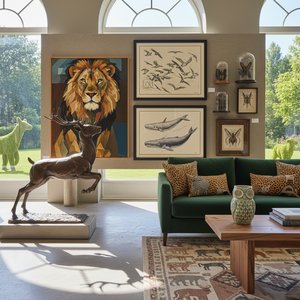 Animalia: Dyrenes Vedvarende Tilstedeværelse i Kunst og IndretningUdforsk dyrenes fascinerende symbolik i kunsthistorien! Fra antikken til moderne indretning – lær om betydningen og find smukke reproduktio…
 25 Masterpieces by Francisco de Zurbarán: The Soul of Spanish BaroqueExplore 25 iconic Spanish Baroque masterpieces by Zurbarán. Discover the soul of Tenebrism on OriginalUniqueArt.com.