

 Se i rummet
 Del som kort
 Del
Del
 Detaljer
 Guide
Guide

 Download
 Lignende værker
 Røntgenundersøgelse
 Diasshow
 Q&A
Q&A Statistikker
George III (1738–1820)
 Oil On Canvas
- WallArt
- Neoclassicism
 214.0 x 150.0 cm
 Royal Hospital Chelsea
 Vis mere
Giclée / Kunsttryk
Giclée- eller lærredstryk i museumskvalitet med hurtig produktion og fleksible muligheder for finish. ( Køb håndmalet maleri Skift til digitalt billede)




P118B Dkr10

P118H Dkr10

P118W Dkr10

P438Z Dkr10

P508JH Dkr12

P508YH Dkr12

P805H Dkr10

P805Z Dkr10

P919BZ Dkr10

P919G Dkr10

P919XJ Dkr10

P959ZH Dkr10

P968JZ Dkr12

W106C Dkr8

W218G Dkr10

W218JH Dkr8

W218Y Dkr10

W307PJ Dkr10

W316G Dkr10

W316PJ Dkr8

W316Y Dkr10

W398PJ Dkr8

W4111J Dkr10

W500HY Dkr15

W500JH Dkr15

W692G Dkr12

W849H Dkr8

W940BG Dkr15

W953PJ Dkr8




Vælg mellem vores forudindstillede størrelser, der matcher kunstværkets originale proportioner.

Indtast den bredde og højde, du har brug for, så det passer til din ramme eller din væg. Et print kan kun beskæres, aldrig gøres større end selve billedet, så en størrelse med et andet format vil medføre, at dele af motivet går tabt. Vi sender dig en digital mockup til godkendelse, før vi printer noget. Billedet vist på denne side viser ikke den faktiske beskæring — det er kun mockuppen, der gør.
Verdensomspændende levering () på 2 uger i stedet for de sædvanlige 4/5 uger. (28 oktober)

Gratis ekspresforsendelse til hele verden

Lærred af linned i høj kvalitet

Fuld transportforsikring

Garanti for refusion af told og importafgifter

Garanti for præcis farvegengivelse

100 dages returret ved fabrikationsfejl

100% fuld returret

Mængderabat ved flere køb
 Glasmulighed er kun tilgængelig i størrelser under 110 cm

George III (1738–1820)
Giclée / Kunsttryk
Størrelse på reproduktion
-


Samlet pris
Dkr 534
A Regal Portrait: Allan Ramsay’s George III
Allan Ramsay's portrait of King George III, completed around 1761-2, is more than just a likeness; it’s a carefully constructed embodiment of power, authority, and the nascent complexities of the British monarchy. This masterful work, rendered in oil on canvas, transcends mere representation to become a window into the era's political climate and artistic sensibilities – specifically, the rise of Neoclassicism within portraiture. The painting immediately commands attention with its dramatic lighting, a key element that draws the viewer’s eye directly to the King’s face, imbuing him with an almost palpable sense of presence.
Ramsay, a leading figure in 18th-century Scottish art, expertly employs linear perspective to create a sense of depth and spatial arrangement. The throne, rendered as a robust square, anchors the composition while the draped fabric behind George III flows into a dark, indistinct background – a deliberate choice that serves to highlight the subject’s importance and elevate his status. The use of geometric shapes—squares for the throne, rectangles for the robes—contrasts with the more organic curves of the King's face, suggesting a balance between rigid formality and human warmth.
A Study in Neoclassical Detail
Examining the brushwork reveals Ramsay’s meticulous technique. Layered glazes build up color depth and luminosity, particularly noticeable in the rich textures of the royal robes – a testament to his ability to capture the sheen of velvet and the weight of heavy fabrics. The artist skillfully renders skin tones with subtle variations, avoiding overly smooth surfaces; instead, he introduces a slight roughness that lends a sense of realism and immediacy. The careful attention to detail extends to the rendering of the King’s attire: the intricate embroidery, the gleaming gold accents, and the precise folds of his garments all speak to the immense wealth and power associated with the monarchy.
The painting's palette is restrained yet sophisticated, dominated by deep reds, blues, and browns – colors traditionally linked with royalty and authority. The lighting, originating from a strong left-hand source, casts dramatic shadows that sculpt George III’s features, emphasizing his brow, cheekbones, and the solemnity of his expression. This chiaroscuro effect not only adds visual interest but also contributes to the overall sense of gravitas and dignity.
Symbolism and Historical Context
George III reigned from 1760 until his death in 1820, a period marked by significant political and military upheaval. The portrait itself is deeply symbolic, reflecting the King’s role as head of state during a time of considerable change. The crown, prominently displayed, represents sovereignty and divine right – concepts that were increasingly challenged during George III's reign. The robes, rich in color and ornamentation, symbolize his wealth and status, while the scepter and orb further reinforce his authority.
Ramsay’s work was commissioned during a pivotal moment in British history—the early years of George III’s rule. The King's reign coincided with the Seven Years’ War and the subsequent American Revolution, events that profoundly shaped the course of British history. The portrait, therefore, can be interpreted as an attempt to project an image of stability and strength at a time of considerable uncertainty. It is also important to note that this particular painting was one of many commissioned by the King, reflecting his desire to solidify his position and assert his authority.
A Legacy of Elegance
Allan Ramsay’s portrait of George III stands as a remarkable achievement of Neoclassical portraiture. It is a testament to the artist's technical skill, his understanding of symbolism, and his ability to capture the essence of a historical figure. Reproductions of this iconic image continue to resonate with viewers today, offering a glimpse into the grandeur and complexities of 18th-century Britain. The painting’s enduring appeal lies not only in its aesthetic beauty but also in its ability to evoke a sense of history, power, and timeless elegance.
Spørgsmål og svar
Hvad forestiller "George III (1738–1820)" af Allan Ramsay?
Temaerne i "George III (1738–1820)" af Allan Ramsay omfatter royal portraiture, 18th century britain, george iii, king, neoclassical art, scottish nobility, portrait painting, regal authority, som tilsammen udgør værkets motivverden.
Hvilken anvendelse og hvilket rum anbefales til "George III (1738–1820)" af Allan Ramsay?
"George III (1738–1820)" af Allan Ramsay anbefales til Statement, ideelt set i et Living Room. Anvendelse og rum skaber sammen rammen om, hvor en reproduktion passer ind.
Hvad deler "George III (1738–1820)" med resten af Allan Ramsays produktion?
I Allan Ramsays samlede værk placerer "George III (1738–1820)" sig i Neoclassicism-stilen, sammen med temaerne omkring classical ideals, roman influence, royal power, british identity, political authority, monarchy, ramsay's aristocratic portraits, scottish nobility depiction.
Kunstnerbiografi
Allan Ramsay: En Æra af Elegance og Kunstnerisk Finesse
Født i Edinburgh, Skotland den 13. oktober 1713, fremstod Allan Ramsay som en fremtrædende skotsk portrætmaler, hvis værker indfangede sin tids elegance og raffinement. Hans kunstneriske rejse begyndte i en alder af tyve år, da han rejste til London for at studere under den svenske maler Hans Hysing, efterfulgt af undervisning på St. Martin's Lane Academy. Denne grundlæggende træning gav ham et solidt fundament inden for teknik og komposition.
Italiens Indflydelse og Kunstnerisk Udvikling
Ramsays kunstneriske udvikling tog en betydelig drejning med hans rejser til Rom og Napoli, hvor han tilbragte tre år (1736-1738) under vejledning af Francesco Solimena og Imperiali (Francesco Fernandi). Disse italienske mestre påvirkede dybt hans stil, fremmede en større forståelse for klassiske principper og forbedrede hans evner til at fange lighed og karakter. Han absorberede den fremherskende rokokostil, samtidig med at han udviklede en værdsættelse for neoklassiske idealer. Han studerede antikke skulpturer og malerier, hvilket gav ham et nyt perspektiv på form, lys og skygge – elementer der senere skulle blive karakteristiske træk i hans portrætter.
En Blomstrende Karriere og Bemærkelsesværdige Værker
Efter sin tilbagevenden til Storbritannien i 1738 etablerede Ramsay hurtigt en succesfuld karriere som portrætmaler. Hans evne til at skildre sine motiver med både nøjagtighed og ynde indbragte ham snart en anset kundekreds. Nogle af hans mest bemærkelsesværdige værker inkluderer:
- Dronning Charlotte (1744-1818) med sine to ældste sønner (Royal Collection, London): En kongelig fremstilling, der viser dronningens moderskab.
- Mary Degg, Lady Robert Manners (Scottish National Gallery, Edinburgh): Et elegant portræt, der demonstrerer Ramsays evne til at fange aristokratisk skønhed.
- Hoved af Duncan Forbes af Culloden: Dette tidlige arbejde vakte opmærksomhed fra hertugen af Argyll og blev senere vist på Royal Bank of Scotland-banknotter.
Kongelig Udnævnelse og Karrierens Højdepunkt
Et vendepunkt i Ramsays karriere indtrådte i 1761 med hans udnævnelse til Principal Painter in Ordinary to George III. Denne prestigefyldte position cementerede hans status blandt kunsteliten og sikrede en stabil strøm af bestillinger fra kongefamilien og det fine selskab. Han blev *portrætmaleren* i den georgianske æra, kendt for sin evne til at fange både ydre lighed og indre karakter hos sine motiver.
Senere Liv og Arv
Ramsays senere liv bød på et skift mod litterære bestræbelser, der afspejlede hans brede intellektuelle interesser. Personlige tragedier – en utilsigtet forvridning af hans højre arm og tabet af hans anden kone i 1782 – påvirkede dog hans helbred og produktivitet. Han døde i 1784.
På trods af disse udfordringer efterlod Ramsay en varig arv som en af Skotlands mest fejrede portrætmalere. Som Samuel Johnson bemærkede, “Jeg elsker Ramsay. Du vil ikke finde en mand i hvis samtale der er mere undervisning, mere information og mere elegance end i Ramsays.” Hans værker beundres fortsat for deres tekniske dygtighed, raffinerede æstetik og indsigtsfulde skildringer af det 18. århundredes samfund. Hans portrætter er ikke blot billeder; de er vinduer ind til en svunden tid, der fanger essensen af den georgianske æras aristokrati og intellektuelle liv.
Historisk Betydning
Allan Ramsays bidrag rækker ud over hans kunstneriske talent. Han spillede en afgørende rolle i at forme Skotlands visuelle kultur i en periode med betydelig social og politisk forandring. Hans portrætter giver værdifuld indsigt i livet, moden og værdierne hos den skotske adel og landadel. Hans værker kan findes på steder som Ayr Town Hall og Scottish National Portrait Gallery.
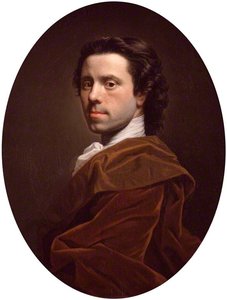
Allan Ramsay
1713 - 1784 , Storbritannien
Kort om kunstneren
- Bemærkelsesværdige Kunstværker:
- Dronning Charlotte m. sønner
- Mary Degg, Lady Robert Manners
- Duncan Forbes portræt
- Dødsdato: 1784
- Fulde Navn: Allan Ramsay
- Fødested (By Og Land): Edinburgh, Storbritannien
- Fødselsdato: 13. oktober 1713
- Kunstnere Der Påvirkede Denne Kunstner:
- Hans Hysing
- Francesco Solimena
- Imperiali (Fernandi)
- Kunstnerisk Bevægelse/Stil: Rokokko, Neoklassicisme
- Nationalitet: Skotsk
Relaterede artikler

Allen Ramsay: Portraiture, Patronage & Shaping Georgian Identity
Explore the life & work of Allen Ramsay, pivotal portraitist to George III. Discover his Rococo style, influence on Georgian society, and lasting legacy in British art history. Learn about his key works & patronage.

Georges Braques Mesterværker: Top 25 Kunstværker til Din Bolig
Oplev Georges Braques 25 mest ikoniske kunstværker! Dyk ned i kubismens verden, fra stilleben til analyse af form og farve. Find inspiration & køb eksklusive reproduktioner på OriginalUniqueArt.com – museumskvalitet til dit hjem.

Neoclassical Portraiture: The Timeless Elegance of Order, Grace, and Academic Mastery
Explore the refined world of Neoclassical portraiture. Discover the mastery of line, light, and order through an expert exploration of academic art history, from Jacques-Louis David to Jean-Antoine Houdon. Immerse yourself in the timeless elegance of classical realism.

Georges Seurat: Top 25 Kunstværker – Impressionisme & Pointillism til Dit Hjem
Oplev Georges Seurats 25 mest ikoniske værker! Fordyb dig i impressionismens og pointillismens verden. Find inspiration til din boligindretning med museumskvalitets kunsttryk på OriginalUniqueArt.com. Udforsk samlingen online.

Majesty on Canvas: A Definitive Guide to Iconic Royal Portraits Through Art History
Explore the profound history of royal portraiture. From Baroque grandeur to Victorian elegance, discover how master artists captured power and lineage on canvas through the timeless medium of oil painting.


