

 Se i rummet
 Send
Send Del
Del
 Detaljer
 Studieguide til kunstværker

 Download
 Lignende værker
 Røntgenundersøgelse
 Se diasshow
 Statistik
Calder's Circus
 Acrylic On Canvas
- WallArt
- Kinetic Sculpture
 1931
1931- 19th Century
 Whitney Museums for Amerikansk Kunst i New York
 Læs mere
Kunstværket vist på denne side er beskyttet af ophavsretsloven, hvilket betyder, at vi ikke lovligt kan skabe eller sælge en identisk reproduktion. Denne beskyttelse håndhæves i henhold til internationale aftaler som f.eks. den Bernerkonventionen og af nationale love, herunder de bestemmelser, der er fastlagt i Amerikansk ophavsretslov - Titel 17.
Denne metode overholder fuldt ud ophavsretsreglerne, da den ikke indebærer kopiering eller duplikering af det beskyttede kunstværk. I stedet er der tale om en kreativ nytolkning – et nyt maleri, som er inspireret af det oprindelige, men ikke identisk med det.
Giclée / Kunsttryk
Giclée- eller lærredstryk i museumskvalitet med hurtig produktion og fleksible muligheder for finish. ( Bestil håndmalet reproduktion Skift til digitalt billede)




P118B Dkr10

P118H Dkr10

P118W Dkr10

P438Z Dkr10

P508JH Dkr12

P508YH Dkr12

P805H Dkr10

P805Z Dkr10

P919BZ Dkr10

P919G Dkr10

P919XJ Dkr10

P959ZH Dkr10

P968JZ Dkr12

W106C Dkr8

W218G Dkr10

W218JH Dkr8

W218Y Dkr10

W307PJ Dkr10

W316G Dkr10

W316PJ Dkr8

W316Y Dkr10

W398PJ Dkr8

W4111J Dkr10

W500HY Dkr15

W500JH Dkr15

W692G Dkr12

W849H Dkr8

W940BG Dkr15

W953PJ Dkr8




Vælg mellem vores forudindstillede størrelser, der matcher kunstværkets originale proportioner.

Du kan indtaste dine egne mål for at passe til en specifik ramme eller et bestemt område. Hvis den valgte størrelse ikke stemmer overens med det originale billedes proportioner, vil vi enten beskære kunstværket eller udvide billedet med en spejlet eller ensfarvet kant. En digital mockup vil blive sendt til din godkendelse, før produktionen påbegyndes.
Bemærk venligst, at forhåndsvisningen på skærmen ikke afspejler den faktiske beskæring eller udvidelse. Kun mockuppen vil nøjagtigt vise den endelige komposition.
Selvom specialmål er tilgængelige, anbefaler vi at vælge et mål fra den foruddefinerede liste for at bevare de originale proportioner.
Verdensomspændende levering () på 2 uger i stedet for de sædvanlige 4/5 uger. (13 oktober)

Gratis ekspresforsendelse til hele verden

Lærred af linned i høj kvalitet

Komplet transportforsikring

Garanti for refusion af told og importafgifter

Garanti for autentisk farvegengivelse

100 dages returret ved fabrikationsfejl

100% fuld returret

Mængderabat ved flere køb
 Glasmulighed er kun tilgængelig i størrelser under 110 cm

Calder's Circus
Giclée / Kunsttryk
Reproduktionsstørrelse
-


Samlet pris
Dkr 522
Alexander Milne Calder's Miniature Circus: A Testament to Precision and Play
Alexander Milne Calder’s “Calder’s Circus,” created in 1931, is more than just a charming miniature scene; it’s a meticulously crafted meditation on movement, spectacle, and the enduring allure of childhood dreams. Born in Aberdeen, Scotland, in 1898, Calder’s journey from architectural sculpture to the creation of these intricate tabletop worlds reveals a lifelong fascination with balance, form, and the expressive potential of space. This particular piece, a testament to his burgeoning skill and artistic vision, captures the vibrant energy of a circus performance within a remarkably compact scale.
The photograph itself presents a world meticulously rendered in miniature. The central circus ring, a three-tiered stage for fantastical acts, immediately draws the eye. Each performer – acrobats poised on ropes, a figure balancing with breathtaking poise, and perhaps even a clown amidst the organized chaos – is imbued with a sense of dynamic action frozen in time. Calder’s genius lies not just in depicting these figures but in conveying their movement through subtle shifts in posture and the carefully considered placement of each element. The dark background serves to amplify the richness of the colors employed, creating a dramatic contrast that enhances the visual impact.
Technique and Materials: A Masterclass in Miniature
Calder’s technique is characterized by an almost obsessive attention to detail. The craftsmanship displayed here is extraordinary, utilizing a variety of materials and textures to achieve remarkable depth within the miniature world. Notice the varied patterns and colors of the performers' costumes – each suggesting a distinct character or act, inviting the viewer to imagine the unfolding spectacle. The flooring, rendered in a realistic wooden texture, contrasts beautifully with the smooth finish of the ropes and banners, further emphasizing the tactile quality of the piece. This careful manipulation of materials speaks to Calder’s dedication to realism within his abstract forms.
The use of bold lettering – “CIRCUS” emblazoned across the flags – adds a layer of theatricality, reinforcing the theme of performance and spectacle. The placement of these banners, along with the surrounding poles, contributes to the overall sense of organized chaos that defines a circus environment. It’s clear Calder wasn't simply replicating a scene; he was constructing an illusion, a carefully orchestrated representation of a beloved tradition.
Symbolism and Historical Context
"Calder’s Circus" reflects the broader artistic trends of the early 20th century, particularly the rise of Surrealism and Dadaism. While Calder wouldn't be formally associated with these movements, his work shares their emphasis on playful distortion, dreamlike imagery, and a rejection of traditional representational norms. The circus itself has long been a potent symbol – representing escape, illusion, and the triumph of imagination over reality. Created in 1931, during the Great Depression, this piece may also be interpreted as a nostalgic yearning for simpler times and a celebration of human ingenuity and entertainment.
This miniature circus is a captivating example of Alexander Milne Calder’s artistic talent and his ability to transform everyday subjects into extraordinary works of art. A hand-painted reproduction offers an unparalleled opportunity to bring this intricate scene into your home, adding a touch of whimsy, elegance, and historical significance to any interior space.
Spørgsmål & svar
Hvilken følelse vækker "Calder's Circus" som gave?
Den Joyful stemning i "Calder's Circus" af Alexander Calder passer perfekt til den anbefalede gavelejlighed: Birthday.
Hvor placerer "Calder's Circus" af Alexander Calder sig i kunsthistorien?
Den kunsthistoriske klassificering af "Calder's Circus" af Alexander Calder er Kinetic Sculpture, i 19th Century-perioden.
Hvad handler "Calder's Circus" om?
"Calder's Circus" af Alexander Calder forestiller: circus scene, miniature art, calder sculpture, performance arts, rope act, wooden stage, flags banners.
Er "Calder's Circus" af Alexander Calder et velkendt kunstværk?
Popularitetsniveauet registreret for "Calder's Circus" af Alexander Calder er Recognized.
Hvad er mediet og datoen for "Calder's Circus" af Alexander Calder?
"Calder's Circus" blev skabt i 1931 med Acrylic On Canvas.
Hvilke farver dominerer "Calder's Circus" af Alexander Calder?
"Calder's Circus" er defineret af en Earthy farvepalette med Black (#020302) som den dominerende farve.
Befinder "Calder's Circus" sig i kunstnerens hjemland?
Nej – kunstværket opbevares i udlandet. Kunstneren blev født i Storbritannien; det originale værk befinder sig i USA.
Hvem er kunstneren bag "Calder's Circus", og hvornår blev værket skabt?
Kunstneren bag "Calder's Circus" er Alexander Calder, og værket er dateret 1931.
Om kunstneren
introduktion til alexander milne calder
alexander milne calder var en skotsk-amerikansk skulptør, født i aberdeen, skotland i 1846. han er bedst kendt for sin arkitektoniske skulptur til philadelphia city hall, og både hans søn, alexander stirling calder, og hans barnebarn, alexander 'sandy' calder, blev betydningsfulde skulptører i det 20. århundrede.tidligt liv og karriere
alexander milne calder begyndte sin karriere i skotland, hvor han arbejdede for skulptøren john rhind, mens han studerede ved den kongelige akademi i edinburgh. han flyttede senere til london og arbejdede på albert memorial. calder emigrerede til USA i 1868 og slog sig ned i philadelphia, hvor han studerede under joseph a. bailly og tog undervisning hos thomas eakins ved pennsylvania academy of fine arts.bemærkelsesværdige værker
nogle af alexander milne calders mest bemærkelsesværdige værker inkluderer:- philadelphia city hall: en bestilling, der omfattede mere end 250 dele i marmor og bronze, hvilket tog calder 20 år at færdiggøre.
- william penn: en kolossal bronzestatue, der skulle krone tårnet på rådhuset.
- indian figure: en skulptur skabt før dens installation på rådhuset.
- south portal og west portal: oplyst med farvede lys, hvilket fremviser calders sans for detaljen.
eftermæle
alexander milne calders eftermæle rækker langt ud over hans eget arbejde, da både hans søn og barnebarn blev fremtrædende skulptører. hans bidrag til kunstverdenen kan ses på forskellige museer, herunder smithsonian american art museum og galleria civica di arte moderna e contemporanea torino. for at lære mere om alexander milne calder og hans værker, kan du besøge https://OriginalUniqueArt.com/@/alexander-milne-calder eller udforske wahoo art timeline for en detaljeret gennemgang af kunsthistorien. vigtigt at bemærke er, at alexander milne calders arbejde er blevet anerkendt og værdsat af både kunstentusiaster og forskere, hvilket gør ham til en betydningsfuld skikkelse i kunstens verden. hans bidrag vil fortsætte med at blive fejret og studeret i generationer fremover.
Alexander Calder
1898 - 1976 , Storbritannien
Hurtige fakta
- Artistic Movement Or Style: Architectural sculpture
- Artists Who Influenced This Artist: ['John Rhind']
- Date Of Birth: August 23, 1846
- Date Of Death: June 14, 1923
- Full Name: Alexander Milne Calder
- Nationality: Scottish-American
- Notable Artworks:
- Philadelphia City Hall
- William Penn statue
- Place Of Birth: Aberdeen, Scotland
Relaterede artikler

Bronzeskulpturers Mestre: 10 Værker der Ændrede Kunsthistorien | OriginalUniqueArt
Oplev de 10 mest legendariske bronzeskulpturer, der har formet kunsthistorien! Fra Rodin til Vigeland – lær historierne bag mesterværkerne og find inspiration til din indretning. Køb museumskvalitets reproduktioner på OriginalUniqueArt.com.
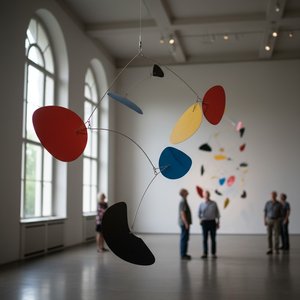
Alexander Calder: Kinetic Sculpture, Mobile Art & the Poetics of Chance
Explore the revolutionary world of Alexander Calder's kinetic sculptures & mobiles. Discover insights for collectors, acquisition advice, and the enduring legacy of this modern master. Expert analysis & art valuation.

The Enduring Form: Sculpture Across History, Technique & Emotional Resonance
Explore the rich history of sculpture with OriginalUniqueArt. Discover key techniques, influential artists & investment potential for discerning collectors. Expert insights into valuing and collecting timeless masterpieces.

The Enduring Form: Exploring Themes & Techniques in Sculpture Across Historical Periods
Explore the rich history of sculpture from ancient masterpieces to contemporary innovations. Discover key techniques, influential artists & investment potential for discerning art collectors.

Top 10 Bronzemesterværker: Kunsthistorien Ændret for Evigt | OriginalUniqueArt.dk
Oplev de 10 mest legendariske bronzemesterværker, der har formet kunsthistorien! Fra Rodin til Degas – lær historierne bag ikoniske skulpturer og find inspiration til din indretning. Køb museumskvalitets reproduktioner på OriginalUniqueArt.com.
