Zobrazit v interiéru
 Odeslat
 Sdílet
 Podrobnosti
 Průvodce

 Stáhnout obrázek
 Podobné kousky
 Rentgenové snímky
 Slideshow
 Statistiky
Watermelon
 Acrylic On Canvas
- WallArt
- American Romanticism
 36.0cm x 46.0cm
 Přečíst si více
Giclée / Umělecký tisk
Giclée nebo plátěný tisk muzeální kvality s rychlou výrobou a širokou nabídkou povrchových úprav. ( Objednat ručně malovanou reprodukci Přepnout na digitální verzi obrazu)




P118B Kč10

P118H Kč10

P118W Kč10

P438Z Kč10

P508JH Kč12

P508YH Kč12

P805H Kč10

P805Z Kč10

P919BZ Kč10

P919G Kč10

P919XJ Kč10

P959ZH Kč10

P968JZ Kč12

W106C Kč8

W218G Kč10

W218JH Kč8

W218Y Kč10

W307PJ Kč10

W316G Kč10

W316PJ Kč8

W316Y Kč10

W398PJ Kč8

W4111J Kč10

W500HY Kč15

W500JH Kč15

W692G Kč12

W849H Kč8

W940BG Kč15

W953PJ Kč8




Vyberte si z našich přednastavených velikostí, které odpovídají původním proporcím díla.

Zadejte šířku a výšku, které potřebujete pro váš rám nebo stěnu. Tisk lze pouze oříznout, nikdy však nelze zvětšit obraz nad jeho původní rozměr, proto při výběru jiného formátu dochází ke ztrátě části obrazu. Před samotným tiskem vám zašleme digitální náhled k schválení. Obraz zobrazený na této stránce nenabízí skutečný výřez — ten uvidíte pouze v náhledu.
Celosvětové doručení () do 2 týdnů namísto standardních 4/5 týdnů. (23 říjen)

Zdarma celosvětová expresní doprava

Vysoce kvalitní lněné plátno

Úplné pojištění přepravy

Záruka vrácení celního poplatku

Záruka věrného barevného shodu

100dení lhůta pro vrácení zboží (pouze při vadách výroby)

100% garance vrácení peněz

Sleva při více objednávkách
 Skleněná varianta je dostupná pouze u rozměrů menších než 110 cm

Watermelon
Giclée / Umělecký tisk
Velikost reprodukce
-


Celková cena
Kč 1713
A Brush with the American Spirit: Winslow Homer’s Watermelon
Winslow Homer (1836 – 1910), an artist who defied convention and embraced the raw beauty of the American landscape, offers us a deceptively simple yet profoundly resonant image: “Watermelon.” Unlike many of his peers who sought acclaim in European ateliers, Homer cultivated his artistic vision through direct engagement with the natural world and the realities of everyday life – experiences that would inform his distinctive style and enduring legacy.
Style and Technique: Watercolor Precision
Homer’s masterful use of watercolor is immediately apparent. The painting eschews dramatic chiaroscuro, favoring instead a luminous palette dominated by greens and reds—colors deliberately chosen to capture the vibrancy of summer produce. Homer meticulously layered washes of pigment, achieving remarkable textural detail without resorting to heavy brushstrokes. This technique allows for subtle gradations of color and tone, conveying an impression of freshness and immediacy that is characteristic of his oeuvre.
Historical Context: Harper’s Weekly Roots
Homer's artistic journey began in 1854 when he secured a position as illustrator for Harper’s Weekly, a pioneering American periodical devoted to journalism and visual storytelling. This early association instilled in him an unwavering commitment to capturing authentic scenes—often depicting rural America—with unflinching honesty. The Civil War profoundly impacted Homer's artistic sensibilities, prompting him to confront themes of loss, resilience, and the human condition with sensitivity and compassion.
Symbolism: Beyond Fruit
While ostensibly a depiction of watermelon slices, “Watermelon” transcends its literal subject matter. The fragmented composition—representing the four distinct colors of the fruit—can be interpreted as an emblem of unity amidst diversity. Homer’s careful attention to detail speaks to the importance of observation and appreciation for the beauty inherent in commonplace objects. Furthermore, the painting's serene atmosphere evokes a sense of nostalgia for simpler times – a sentiment that aligns with Homer’s broader artistic preoccupation with capturing the spirit of American identity.
Emotional Impact: Quiet Contemplation
"Watermelon" invites viewers into a moment of quiet contemplation. The artist’s skillful rendering captures not just the visual appearance of the fruit but also its essence—a symbol of summer's bounty and the enduring power of observation. Homer’s work continues to inspire artists and collectors alike, reminding us that profound artistic expression can emerge from humble beginnings and unwavering dedication to capturing the beauty of the human experience.
- Size: 35.5cm x 45.7cm
- Date: Unknown
Otázky a odpovědi
K jakému stylu patří „Watermelon“?
Dílo „Watermelon“ od Winslow Homer patří k období směru American Romanticism. Tento směr poskytuje dílu jeho stylistický kontext.
Je "Watermelon" dobrým nápadem na dárek?
Dílo „Watermelon“ od Winslow Homer se doporučuje jako dárek pro Wedding. Jako dárek lze věnovat reprodukci tohoto uměleckého díla.
Jakou saturaci barev má „Watermelon“ od Winslow Homer?
Barvy díla „Watermelon“ od Winslow Homer mají Balanced Soft saturaci. Saturace určuje, jak jsou barvy živé nebo tlumené.
Biografie umělce
A Brush with the American Spirit: The Life and Art of Winslow Homer
Winslow Homer, born in Boston in 1836, wasn’t sculpted by the traditional European art academies that shaped so many of his contemporaries. Instead, he emerged from a distinctly American experience, one rooted in practicality and observation. His journey began not with grand historical canvases, but as a commercial illustrator at the tender age of twelve for Harper's Weekly. This early apprenticeship was formative, honing an exceptional ability to capture scenes with clarity and detail – skills that would become hallmarks of his mature work. He wasn’t learning perspective in Paris; he was learning to *see* America, its people, and its unfolding story. The bustling streets of Boston, the quiet dignity of rural New England life, these were his first subjects, rendered with a precision born of necessity for the demands of print media. This foundation allowed him to transition into painting, initially in watercolor, before fully embracing the expressive potential of oil paints.From Pastoral Scenes to the Raw Power of Nature
Homer’s early paintings often depicted idyllic scenes – children playing, farmers tending their fields, quiet moments of domesticity. These works, while charming, hinted at a deeper artistic sensibility waiting to be unleashed. The catalyst for this transformation was undoubtedly the Civil War. As a war correspondent for Harper's Weekly, Homer witnessed firsthand the brutal realities of conflict. He didn’t focus on heroic battles or grand strategies; instead, he documented the everyday lives of soldiers and civilians, the quiet moments of grief and resilience amidst chaos. This experience profoundly altered his artistic vision. The pastoral scenes gave way to more challenging subjects: veterans grappling with trauma, freed slaves navigating a new world, and the stark beauty of landscapes touched by hardship. He began to explore themes of struggle, isolation, and humanity’s precar He wasn't interested in imitating European styles; he wanted to create an art that was uniquely American, reflecting its landscapes, its people, and its challenges. His style also evolved, becoming bolder and more direct, reflecting the raw emotional impact of what he had witnessed.Mastering Light, Texture, and the American Landscape
Winslow Homer's artistic technique is immediately recognizable for its solidity and texture. He wasn’t interested in fleeting impressions; he wanted to build up a sense of tangible reality on the canvas. His oil paintings are characterized by a direct painting approach – layers of paint applied with confidence, creating depth and luminosity. He possessed an extraordinary ability to capture light, whether it was the dazzling glare of the sun on the ocean or the soft glow of twilight over a rural landscape. This mastery extended to his watercolors, where he achieved remarkable atmospheric effects through vibrant colors and delicate washes. Breezing Up (A Fair Wind), painted in 1876, exemplifies this skill – a quintessential depiction of American maritime life, brimming with energy and movement. The Gulf Stream, created decades later, is perhaps his most iconic work, a powerful and symbolic portrayal of a lone man battling the forces of nature, a metaphor for human struggle against overwhelming odds. He wasn’t simply painting what he saw; he was conveying a feeling, an emotional truth about the human condition.A Legacy Forged in American Realism
Winslow Homer's art offers a profound window into 19th-century America, providing invaluable insights into the social, political, and cultural landscape of his time. His paintings are not merely beautiful representations; they are powerful statements about human resilience, the beauty and power of nature, and the complexities of the American experience. He died in 1910, leaving behind a prolific body of work that continues to resonate with audiences today. His ability to depict America with honesty and authenticity, without romanticizing or idealizing it. He wasn’t interested in imitating European styles; he wanted to create an art that was uniquely American, reflecting its landscapes, its people, and its challenges. Innocence, a poignant portrayal of childhood set against the backdrop of nature, and Man of Science, demonstrating his skill in capturing human psychology, are testaments to this commitment. His influence can be seen in the work of later American painters who sought to depict their own country with similar directness and emotional depth.- His work continues to inspire contemporary artists.
- Homer remains a pivotal figure in the development of American Realism.
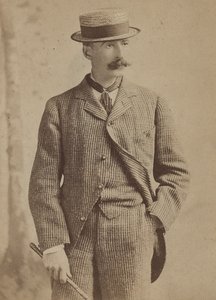
Winslow Homer
1836 - 1910 , Spojené státy americké
Rychlé informace
- Artistic Movement Or Style: Americký Realismus
- Artists Or Movements Influenced By This Artist: ['Američané']
- Artists Who Influenced This Artist:
- Barbizon škola
- Courbet
- Millet
- Date Of Birth: 24. února 1836
- Date Of Death: 29. září 1910
- Full Name: Winslow Homer
- Nationality: Američan
- Notable Artworks:
- Breezing Up
- Gulf Stream
- Noblest Spirit
- Place Of Birth: Boston, USA
Související články

Ephemeral Visions: Exploring the Artistic Legacy & Nuances of Watercolor Painting
Explore the captivating world of watercolor painting! Discover its rich history, essential techniques, influential artists & collecting tips from art experts. A comprehensive guide for enthusiasts.

10 legendárních akvarelů, které změnily svět umění | OriginalUniqueArt
Objevte 10 legendárních akvarelů od Turner, Monet a dalších mistrů! Ponořte se do historie umění a inspirujte se pro váš interiér. Kvalitní reprodukce na OriginalUniqueArt.com.

Ephemeral Visions: Exploring the Artistic Legacy & Contemporary Practice of Watercolor Painting
Explore the captivating world of watercolor painting! Discover its rich history, essential techniques, influential artists & collecting tips. A comprehensive guide for art enthusiasts from OriginalUniqueArt.

Ephemeral Visions: Exploring the History & Emotional Resonance of Watercolor Painting
Explore the captivating history of watercolor painting, from ancient techniques to modern masters like Kandinsky & Blake. Discover essential artists, collecting tips & the emotional power of this luminous medium. Expert insights for art enthusiasts.
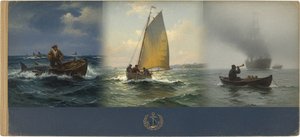
Winslow Homer: 25 mistrovských děl amerického realismu | OriginalUniqueArt.com
Prozkoumejte 25 ikonických děl Winslow Homera – mistra amerického realismu. Obdivujte jeho mořské scény, akvarely a olejomalby plné emocí. Reprodukce obrazů pro váš interiér na OriginalUniqueArt.com.