
 Náhled v interiéru
 Sdílet
 Sdílet
 Podrobnosti o díle
 Průvodce

 Stáhnout
 Podobné položky
 Rentgenové snímky
 Slideshow
 Otázky a odpovědi
 Statistiky
Karachi III

- 34.0 x 20.0 cm


 Zobrazit více
Umělecké dílo zobrazené na této stránce je chráněno autorským zákonem, což znamená, že nemůžeme legálně vytvářet ani prodávat jeho identickou reprodukci. Tato ochrana je vymáhána na základě mezinárodních dohod, jako například Berberská úmluva a národními zákony, včetně těch stanovených v Americký autorský zákon – Díl 17. Všechna práva vyhrazena.
Tato metoda je plně v souladu s autorským právem, protože nezahrnuje kopírování ani duplikování chráněného díla. Jde o kreativní reinterpretaci – nový obraz, který je inspirován originálem, ale není s ním identický.
Giclée / Umělecký tisk
Giclée nebo plátěný tisk muzeální kvality s rychlou výrobou a širokou nabídkou povrchových úprav. ( Koupit ručně malovaný obraz Přepnout na digitální obraz)




P118B Kč10

P118H Kč10

P118W Kč10

P438Z Kč10

P508JH Kč12

P508YH Kč12

P805H Kč10

P805Z Kč10

P919BZ Kč10

P919G Kč10

P919XJ Kč10

P959ZH Kč10

P968JZ Kč12

W106C Kč8

W218G Kč10

W218JH Kč8

W218Y Kč10

W307PJ Kč10

W316G Kč10

W316PJ Kč8

W316Y Kč10

W398PJ Kč8

W4111J Kč10

W500HY Kč15

W500JH Kč15

W692G Kč12

W849H Kč8

W940BG Kč15

W953PJ Kč8




Vyberte si z našich přednastavených velikostí, které odpovídají původním proporcím díla.

Zadejte šířku a výšku, které potřebujete pro váš rám nebo stěnu. Tisk lze pouze oříznout, nikdy však nelze zvětšit obraz nad jeho původní rozměr, proto při výběru jiného formátu dochází ke ztrátě části obrazu. Před samotným tiskem vám zašleme digitální náhled k schválení. Obraz zobrazený na této stránce nenabízí skutečný výřez — ten uvidíte pouze v náhledu.
Celosvětové doručení () do 2 týdnů namísto standardních 4/5 týdnů. (8 listopad)

Zdarma celosvětová expresní doprava

Vysoce kvalitní lněné plátno

Kompletní pojištění přepravy

Záruka vrácení celního poplatku

Záruka věrného barevného souladu

100dení lhůta pro vrácení zboží (pouze při vadách výroby)

100% záruka vrácení peněz

Sleva při více objednávkách
 Skleněná varianta je dostupná pouze u rozměrů menších než 110 cm

Karachi III
Giclée / Umělecký tisk
Rozměry reprodukce
-


Celková cena za vybrané možnosti reprodukcí
Kč 1763
A Tapestry of Memory and Architecture
In the delicate, intricate world of Waseem Ahmed’s Karachi III, the viewer is invited into a space where history and architecture collide with profound emotional weight. Created in 2015, this miniature masterpiece serves as more than just a depiction of structural forms; it is a haunting meditation on displacement and the enduring presence of the past. The painting presents a striking composition of stone-like buildings crowned by domes, set against a visceral, saturated red background that commands immediate attention. This crimson expanse does not merely serve as a backdrop but acts as an atmospheric force, suggesting themes of passion, conflict, or perhaps the blood-stained memories of a migratory history. Through the careful arrangement of two prominent domes and secondary structures, Ahmed creates a sense of depth that pulls the eye into a complex, layered landscape where every architectural detail feels heavy with significance.
The artist’s technique is a masterful bridge between the ancient traditions of Pakistani miniature painting and the urgent language of contemporary art. Ahmed utilizes the meticulous precision characteristic of the Mughal tradition to render the sturdy, weathered textures of the buildings, yet he disrupts this classical serenity with experimental flourishes. The inclusion of subtle gold leaf or decorative elements adds an unexpected touch of elegance and light, catching the eye and providing a shimmering contrast to the somber, earthy tones of the masonry. This interplay between the matte surfaces of the stone and the reflective brilliance of the gold creates a tactile quality that makes the work feel alive, inviting collectors and designers alike to appreciate the physical craftsmanship inherent in this reproduction.
Symbolism and the Weight of History
To understand Karachi III is to understand the biography of Waseem Ahmed himself. Born into a Muhajir family that experienced the trauma of migration following the Partition, Ahmed uses the miniature format—a medium traditionally used for courtly elegance—to portray subjects of deep political and personal pain. The architecture in this piece functions as a symbol of permanence and fragility; while the stone structures appear resolute, their placement within such an intense, monochromatic environment suggests a vulnerability to the tides of time and political upheaval. The domes, iconic symbols of religious and cultural identity, are rendered with a precision that honors tradition while simultaneously questioning whether the scars of history can ever truly heal.
For the discerning art lover or interior designer, this piece offers a sophisticated focal point that transcends mere decoration. It is an intellectual conversation piece, perfect for spaces that value depth, narrative, and cultural resonance. The painting’s ability to blend the delicate with the monumental makes it an ideal acquisition for those seeking to introduce a sense of contemplative luxury into a modern setting. Whether displayed in a private gallery or as part of a curated collection, Karachi III remains a powerful testament to the resilience of the human spirit and the enduring power of art to transform historical trauma into breathtaking beauty.
Otázky a odpovědi
V jakém roce bylo vytvořeno dílo „Karachi III“ od Waseem Ahmed?
Dílo "Karachi III" pochází z roku 2015. Toto datum situuje dílo do období tvůrčí činnosti Waseem Ahmed i do jeho dobové kontextu.
Jak se u díla „Karachi III“ od Waseem Ahmed propojují emoce a ideální příležitost k darování?
Somber nádech díla „Karachi III“ od Waseem Ahmed odpovídá i jeho doporučené příležitosti k darování: Corporate Gift.
Lze dílo „Karachi III“ od Waseem Ahmed, které je uloženo v ILHAM Gallery, legálně reprodukovat?
Autorskoprávní status díla „Karachi III“ od Waseem Ahmed je jasný: toto dílo spadá do stále chráněno autorským právem. Jeho umístění v instituci ILHAM Gallery tento stav nemění.
Biografie umělce
Waseem Ahmed: Bridging Tradition and Innovation in Miniature Painting
Waseem Ahmed (born 1976 in Hyderabad, Pakistan) stands as a prominent figure within the contemporary miniature painting landscape of Pakistan. His artistic journey began with a Bachelor’s degree in Fine Arts from University of Sindh followed by another focused exploration into the intricate art form of miniature painting at National College of Arts Lahore—a foundation that profoundly shaped his distinctive style and worldview.
- Early Influences: Ahmed's artistic sensibilities were nurtured within a Muhajir family tradition, deeply rooted in migration from India following Partition. This formative experience instilled a sensitivity to displacement and resilience – themes that would later permeate his artwork.
- Formal Training & Technique: Recognizing the importance of mastering foundational skills, he pursued a Bachelor’s degree in Miniature Painting at National College of Arts Lahore where he honed his craft utilizing traditional techniques like gouache and gold leaf on wasli paper alongside experimental explorations.
- Academic Career: Since 2001, Ahmed has served as Visiting Assistant Professor at the Miniature Painting Department of National College of Arts, fostering a new generation of artists while maintaining an unwavering dedication to preserving and innovating upon classical traditions.
Ahmed’s artistic vision transcends mere replication; he seeks to engage with complex social, political, and cultural narratives. His vocabulary draws inspiration from both Asian and European art history and mythology—a deliberate juxtaposition that encourages viewers to contemplate multifaceted perspectives.
His works often depict scenes imbued with symbolic resonance – animals representing spiritual concepts, bearded men embodying wisdom and authority, and surfaces bearing traces of violence or contemplation. These elements converge to create layered meanings that invite introspection and challenge conventional interpretations.
Notable Achievements & Artistic Style
Ahmed’s artistic style is characterized by meticulous detail and a masterful command of color—particularly the use of gold leaf and silver leaf on wasli paper, techniques rooted in Mughal painting history. This stylistic choice isn't simply nostalgic; it represents a conscious effort to honor heritage while simultaneously pushing boundaries.
- The Humboldt Lab Dahlem Project: A pivotal moment in Ahmed’s career arrived with his participation in the Humboldt Lab Dahlem project, where he collaborated with the Museum für Asiatische Kunst in Berlin. This residency spurred him to create a new body of work—a dialogue between traditional miniature techniques and contemporary artistic experimentation.
- Retrospective Exhibition: His retrospective at the Museum für Asiatische Kunst in 2014–2015 solidified his reputation as a visionary artist, showcasing a comprehensive collection of paintings that reflected his stylistic evolution and thematic preoccupations.
- Recognition & Awards: Ahmed’s work has garnered international acclaim—displayed in institutions such as the British Museum and recognized with prestigious awards like Tamgha-e-Imtiaz for excellence in art.
Exploring Recurring Themes & Symbolism
Ahmed consistently tackles pressing social issues—conflict, displacement, and cultural identity—through his miniature paintings. His imagery is rich in symbolism, drawing upon archetypal figures and motifs from Asian and European traditions.
- Mythological References: Recurring references to mythology—particularly depictions of animals and bearded men—serve as conduits for conveying spiritual ideas and exploring universal human experiences.
- Social Commentary: Ahmed’s paintings often critique societal injustices and inequalities, prompting viewers to confront uncomfortable truths about the human condition.
- Experimental Techniques: Alongside traditional methods, Ahmed incorporates innovative approaches—such as layering textures and manipulating color palettes—to amplify his artistic message and engage audiences on a visceral level.
Selected Works & Exhibitions
Ahmed’s oeuvre encompasses a diverse range of subjects—from landscapes to portraits to narratives inspired by folklore—each meticulously rendered in miniature scale.
- “Untitled (Myth and Realities Series)” – Demonstrates Ahmed's ability to synthesize disparate influences into cohesive artistic statements.
- “Karachi III” – Represents a significant contribution to the vibrant Karachi art scene, showcasing Ahmed’s commitment to documenting urban life and cultural heritage.
- Collaborations & Residencies: His involvement in collaborative projects—such as “Maria Waseem & Waseem Ahmed”—highlights his openness to artistic dialogue and expands his creative horizons.
Waseem Ahmed’s enduring legacy rests on his unwavering dedication to preserving the traditions of miniature painting while simultaneously embracing innovation—a testament to his artistry and a beacon for future generations of Pakistani artists.
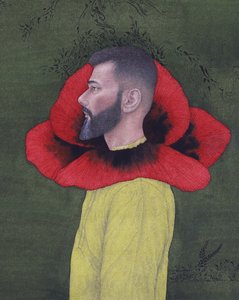
Waseem Ahmed
1976 - , Pakistan
Rychlé informace o umělci
- Full Name: Waseem Ahmed
- Nationality: Pakistani
- Date Of Birth: 1976
- Place Of Birth: Hyderabad, Pakistan
- Notable Artworks:
- Untitled (Myth and Realities Series)
- Karachi III
- Artistic Movement Or Style: Miniature Painting
- Artists Or Movements Influenced By This Artist: ['Traditional Miniature']
Související články

Golden Glow: How to Use Metallic Gold Artworks to Elevate Your Home Decor with Timeless Luxury
Discover how to elevate your home with the timeless elegance of metallic gold artworks. From sculptural metal pieces to gilded oil paintings, learn expert interior design tips for integrating luxurious gold accents into your space with sophistication and grace.
The Allure of Gold in Art History: Symbolism, Technique & Cultural Significance
Explore the rich history of gold in art! Discover symbolism, techniques & cultural significance from ancient civilizations to Klimt's masterpieces. Expert insights for collectors at OriginalUniqueArt.
The Sacred Glow: Mastering Gold Leaf and Gilding in Byzantine Art
Explore the divine mastery of Byzantine gold leaf and gilding. Discover how ancient artisans used gold ground and mosaics to create celestial light, a timeless legacy of spiritual splendor and technical excellence in sacred art history.

Golden Splendor: An Editorial Journey Through Art's Most Radiant Masterpieces
Embark on a visual journey through the world's most radiant masterpieces. Discover how gold leaf, impasto textures, and gilded tones define luxury in fine art, from Byzantine icons to modern abstracts. Explore the eternal allure of gold in curated, museum-quality art collections.

Zlatem ovládané mistrovské díla: 10 ikonických obrazů pro luxusní interiér
Objevte 10 ikonických obrazů ovládaných zlatolistem – od renesančních mistrů jako Leonardo da Vinci až po Klimta. Ponořte se do historie a symboliky umění ze zlata a najděte inspiraci pro luxusní interiér na OriginalUniqueArt.com! Prozkoumejte celou kolekci online.