The Ancient Roots: Gold as Divine Symbolism
Gold leaf is gold that has been hammered into thin sheets (usually around 0.1 μm thick) by a process known as goldbeating, for use in gilding. Gold leaf is a type of metal leaf, but the term is rarely used when referring to gold leaf. The term metal ...
From the earliest civilizations, gold has held a power far exceeding its monetary value. It wasn’t merely a metal; it was considered the flesh of the gods, imbued with an otherworldly luminescence that captivated and inspired. In ancient Egypt, gold adorned sarcophagi, masks, and ritual objects, not as displays of wealth—though they certainly served that purpose—but as essential components in ensuring safe passage to the afterlife. The unwavering shine symbolized immortality, the eternal nature of the sun god Ra, and the pharaoh’s divine right to rule. Artisans meticulously hammered gold into thin sheets, a process known as gold beating, creating surfaces that reflected light with an almost supernatural quality. This wasn't simply decoration; it was a transformation—a material embodiment of spiritual belief.
The fascination extended beyond Egypt. In the ancient Near East and early China, gold signified power and status, adorning royalty and sacred spaces. However, its association with the divine remained paramount. Gold’s resistance to tarnish – its unchanging brilliance – mirrored the perceived permanence of the gods themselves, making it an ideal material for representing celestial beings and enduring spiritual truths.
Byzantine Mosaics & the Celestial Glow of Gilding
Byzantine mosaics are mosaics produced from the 4th to 15th centuries in and under the influence of the Byzantine Empire. Mosaics were some of the most popular and historically significant art forms produced in the empire, and they are still studied ...
The Byzantine Empire elevated the use of gold to unprecedented heights. As Christianity rose to prominence, gold became inextricably linked with its iconography—a visual language designed to convey theological concepts and inspire reverence. The magnificent mosaics that adorn churches like Hagia Sophia in Istanbul are testaments to this devotion. Skilled artisans painstakingly arranged tiny tesserae (small pieces of glass or stone) – many of them covered in gold leaf – to create shimmering depictions of Christ, the Virgin Mary, and various saints.
The effect was transformative. Lit by candlelight, these mosaics didn’t simply *reflect* light; they seemed to *emanate* it, creating an ethereal atmosphere that transported viewers into a heavenly realm. The gold backgrounds weren't merely decorative; they represented the divine light of God, enveloping the figures in an aura of sanctity and power. This technique—water gilding, requiring immense skill and patience—allowed for incredibly thin layers of gold to adhere to surfaces, maximizing its reflective properties. The Byzantine mastery wasn’t just about technical prowess; it was a deliberate attempt to create a visual representation of the sacred, a glimpse into the divine order.
Gold Leaf Techniques: From Water Gilding to Modern Applications
In works of art, literature, and narrative, a symbol is a concrete element like an object, character, image, situation, or action that suggests or hints at abstract, deeper, or non-literal meanings or ideas. The use of symbols artistically is symboli...
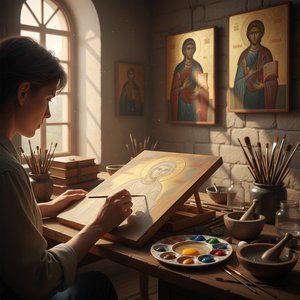
Gilding, the art of applying gold leaf, is a process steeped in tradition. Traditional water gilding, still practiced today, involves meticulously laying incredibly thin sheets of gold onto a prepared surface using a gesso base and adhesive. The skill lies not only in the application but also in the preparation—creating a perfectly smooth surface to ensure optimal adhesion and reflectivity. The slightest imperfection can ruin the effect.
Over time, other techniques emerged, including oil gilding, which uses an oil-based adhesive. While less demanding than water gilding, it doesn’t achieve the same level of luminosity. The process itself is a testament to patience and precision; each sheet must be carefully handled and applied, often with a gilder's cushion and burnishing tools to create a flawless finish. Today, while modern materials offer alternatives, many artists still prefer the traditional methods, valuing the unique qualities and historical resonance of genuine gold leaf.
Gustav Klimt and the Golden Phase: A Sensuous Revival
The late 19th and early 20th centuries witnessed a remarkable revival of interest in gold within the art world, largely thanks to the Austrian Symbolist painter Gustav Klimt. His “Golden Phase” (roughly 1897-1910) saw him incorporate gold leaf into his paintings with unprecedented extravagance. Works like “Adele Bloch-Bauer I” and “Judith II” are iconic examples of this style, showcasing intricate patterns, sensuous figures, and a dazzling use of golden surfaces.
Klimt wasn’t simply replicating historical techniques; he was reimagining them. He combined gold leaf with other materials—silver, paint, and decorative elements—to create unique textures and visual effects. The gold in his paintings isn't merely ornamental; it symbolizes wealth, luxury, and the power of female beauty. His “Stoclet Fries,” a monumental mosaic commission, further demonstrates his mastery of the medium, transforming an entire architectural space into a shimmering work of art. Klimt’s innovative use of gold leaf challenged traditional artistic conventions and left an indelible mark on the Art Nouveau movement.
Symbolism in Gold: Power, Wealth, and Spiritual Transcendence
Throughout history, the symbolism associated with gold has remained remarkably consistent. It represents power—the authority of rulers and the strength of empires. It signifies wealth—a tangible expression of prosperity and status. But perhaps its most enduring meaning is spiritual transcendence. The unchanging brilliance of gold mirrors the eternal nature of the divine, making it an ideal material for representing sacred figures and concepts.
In religious art, gold halos signify sanctity, illuminating the heads of saints and angels. In illuminated manuscripts, gold lettering highlights important passages of scripture. Even in secular art, gold can evoke a sense of luxury, opulence, and timeless beauty. The use of gold is rarely arbitrary; it’s a deliberate choice—a visual cue that adds layers of meaning and emotional resonance to the artwork.
Preserving the Legacy: The Enduring Appeal of Gold in Contemporary Art
Despite the advent of modern materials and artistic styles, gold continues to captivate artists today. While its use may be less prevalent than in previous eras, it remains a powerful symbol—a connection to history, spirituality, and enduring beauty. Contemporary artists often employ gold leaf to explore themes of wealth, power, and identity, juxtaposing ancient techniques with modern concepts.
The allure of gold lies not only in its aesthetic qualities but also in its historical significance. It’s a material that carries centuries of cultural meaning—a testament to human creativity and devotion. At OriginalUniqueArt, we celebrate this legacy by offering high-quality reproductions of masterpieces featuring gold leaf, allowing you to bring the timeless beauty of these artworks into your own home. Explore our collection today and discover the enduring power of gold in art.