Zobrazit v interiéru
 Odeslat
 Sdílet
 Podrobnosti
 Průvodce

 Stáhnout obrázek
 Podobné kousky
 Rentgenové snímky
 Slideshow
 Statistiky
Cesta v parku
 Olej na plátně
- Obrazová tvorba na stěnu
- Impressionistická krajina
 1888
1888- – 19. století
 Kröller-Müller Museum
 Přečíst si více
Giclée / Umělecký tisk
Giclée nebo plátěný tisk muzeální kvality s rychlou výrobou a širokou nabídkou povrchových úprav. ( Objednat ručně malovanou reprodukci Přepnout na digitální verzi obrazu)




P118B Kč10

P118H Kč10

P118W Kč10

P438Z Kč10

P508JH Kč12

P508YH Kč12

P805H Kč10

P805Z Kč10

P919BZ Kč10

P919G Kč10

P919XJ Kč10

P959ZH Kč10

P968JZ Kč12

W106C Kč8

W218G Kč10

W218JH Kč8

W218Y Kč10

W307PJ Kč10

W316G Kč10

W316PJ Kč8

W316Y Kč10

W398PJ Kč8

W4111J Kč10

W500HY Kč15

W500JH Kč15

W692G Kč12

W849H Kč8

W940BG Kč15

W953PJ Kč8




Vyberte si z našich přednastavených velikostí, které odpovídají původním proporcím díla.

Zadejte šířku a výšku, které potřebujete pro váš rám nebo stěnu. Tisk lze pouze oříznout, nikdy však nelze zvětšit obraz nad jeho původní rozměr, proto při výběru jiného formátu dochází ke ztrátě části obrazu. Před samotným tiskem vám zašleme digitální náhled k schválení. Obraz zobrazený na této stránce nenabízí skutečný výřez — ten uvidíte pouze v náhledu.
Celosvětové doručení () do 2 týdnů namísto standardních 4/5 týdnů. (24 říjen)

Zdarma celosvětová expresní doprava

Vysoce kvalitní lněné plátno

Úplné pojištění přepravy

Záruka vrácení celního poplatku

Záruka věrného barevného shodu

100dení lhůta pro vrácení zboží (pouze při vadách výroby)

100% garance vrácení peněz

Sleva při více objednávkách
 Skleněná varianta je dostupná pouze u rozměrů menších než 110 cm

Cesta v parku
Giclée / Umělecký tisk
Velikost reprodukce
-


Celková cena
Kč 1709
Sluncem zalitá svatyně v Arles
V živoucím srdci Provence, kde světlo disponuje až transformativní schopností, zachytil Vincent van Gogh v rámci svého mistrovského díla z roku 1888, Cesta v parku, prchavou chvíli klidu. Toto evokativní dílo přenáší diváka do městského parku Place Lamartine, místa intimně spojeného s životem umělce během jeho pobytu v Arles. Tato scéna, nacházející se přímo naproti jeho slavnému Žlutému domu, poskytovala Van Goghovi mnohem víc než jen malebnou kulisu; nabízela mu svatyni intimity uprostřed bujné energie města. Obraz nás zve k procházce po zelené stezce, stíněné bujnými, listovitémi stromy, které filtrují středomořské slunce do mozaiky světla a stínu. V rámci této klidné krajiny se postavy pohybují s tichou elegancí, přičemž jejich přítomnost vnáší do přírodní nádher pocit lidského propojení, zatímco osamělý kůň odpočívající u středu kompozice ji ukotvuje v mírumodné, pastorální realitě.
Emoční rezonance tohoto díla spočívá v jeho hluboké schopnosti destilovat pocit duchovní kontemplace z prosté odpolední procházky. Ačkoliv scéna zobrazuje veřejný prostor, Van Gogh do něj vplétá atmosféru hlubokého, osobního klidu. Zde je patrná záměrná protikladnost; zaměřením se na klidnou krásu parku vytváří umělec silný protipól k bouřlivějším prvkům života v Arles, které existovaly těsně za linií stromů. Pro sběratele či milovníky vysokého umění nabízí tento obraz okno do Van Goghova hledání vnitřního míru – vizuální manifestaci jeho touhy najít harmonii v přírodním světě, i když jeho vlastní vnitřní krajina čelila nesmírnému tlaku.
Mistrovství barvy a impasto
Z technického hlediska je Cesta v parku brilantní ukázkou postimpresionistické vigory. Van Gogh se posunul za hranice pouhé pozorování světla, které praktikovali impresionisté, a využil barvu jako prostředek pro syrové emoce. Paletu dominuje spektrum zelených odstínů – od hlubokých, chladných smaragdů ve stíne či až po jasné, sluncem zalité limetkové tóny tam, kde světlo dopadá na korunace stromů – doplněné o teplé, zemité tóny cesty a jemné, atmosférické odstíny oblohy. Jeho techniku charakterizuje mistrovské použití impasta, kdy je barva nanášena v silných, texturovaných vrstvách, které vystupují z plátna. To vytváří taktilní bohatost, která umožňuje divákovi vnímat fyzickou energii každého tahu štětcem.
Tyto expresivní, rytmické tahy dělají víc než jen definují tvary; vnášejí do krajiny pocit pohybu a života. Stromům se zdá, že se chvějí v mírném vánku, a světlo působí, jako by vibrací zasahovalo sítnici. Pro interiérové designéry a dekorátory činí tato texturovaná hloubka reprodukci tohoto díla extraordinárním ohniskem prostoru. Vysoce kvalitní ručně malovaná reprodukce zachycuje tuto esenciální trojrozměrnost a přináší do jakékoli místnosti pocit organické vitality a historické váhy. Ať už je umístěna v prosluněné galerii nebo v sofistikovaném moderním obývacím pokoji, tento obraz slouží jako trvalé svědectví o kráse přírody a transformativní síle umělcovy ruky.
Otázky a odpovědi
Kdy bylo dílo "Cesta v parku" vytvořeno a ke kterému směru patří?
Dílo „Cesta v parku“ vzniklo v roce 1888 jako reprezentativní dílo směru Impressionistická krajina. Datum vzniku a příslušnost k danému směru pevně ukotvují toto umělecké dílo v dějinách umění.
Kdo je autorem a z jakého roku pochází dílo "Cesta v parku"?
Vincent Van Gogh vytvořil/a „Cesta v parku“ v roce 1888.
V jakém roce bylo vytvořeno dílo „Cesta v parku“ od Vincent Van Gogh?
Dílo "Cesta v parku" pochází z roku 1888. Toto datum situuje dílo do období tvůrčí činnosti Vincent Van Gogh i do jeho dobové kontextu.
Biografie umělce
Život namalovaný vášní: Vincent van Gogh
Vincent Willem van Gogh, jméno synonymické pro zářivou barvu a syrové emoce, zůstává jednou z nejrozpoznatelnějších a nejoblíbenějších postav v dějinách umění. Narodil se 30. března 1853 v Zundert v Nizozemsku a jeho cesta od osudovaného mladíka hledajícího smysl života k uměleckému vizionáři je dojímavým příběhem oddanosti, boje a nakonec i nesmrtelného odkazu. Ačkoliv za svého života dosáhl jen malého komerčního úspěchu – před svou smrtí prodal pouze jeden obraz, The Red Vineyard (Červená vinice) – Van Goghův dopad na moderní umění je neúměrně velký, neboť připravil cestu expresionismu a ovlivnil nespočet následných umělců. Jeho příběh není jen o tahách štětcem a plátnech; je to svědectví o síle lidské výraznosti v tvář osudů.
Raná léta a umělecké probuzení
Van Goghův raný život byl poznamenán řadou nesplněných ambicí. Zkoušel se v různých profesích – jako obchodník s uměním, učitel, dokonce i misionář – než se ve svých 27 letech definitivně zasvětil malování. Tyto dřívější zkušenosti hluboce utvarily jeho svědomí a našly své otisk v jeho díle. Jeho počáteční práce, zachycující scény ze života vesnického lidu na venkově Belgie, odrážejí hlubokou empatii k pracující třídě a používají tlumenou paletu barev, která reflektuje jejich těžký život. Pod vlivem umělců jako Jean-François Millet se Van Gogh snažil zachytit důstojnost a odolnost těchto lidí prostřednictvím syrového realismu. Transformativním však okazał se jeho přesun do Paříže v roce 1886. Zde narazil na impresionismus a postimpresionismus, od kterých si osvojil techniky mistrů jako Monet, Renoir a Pissarro. Tato zkušenost rozšířila jeho umělecké obzory a vedla ho k experimentování s jasnějšími barvami a volnějšími tahy štětcem, přičemž si však zachoval specifickou emocionální intenzitu, která u mnoha jeho současníků chyběla. Klíčovou roli v tomto období sehrál jeho bratr Theo, obchodník s uměním, který mu poskytoval finanční podporu a sloužil jako zásadní spojnice s pařížským světem umění. Jejich rozsáhlá korespondence nabízí nepostradatelný pohled do Van Goghova uměleckého vývoje i osobních trápení.
Jižní světlo a explozivní kreativita
Ve snu o živopisnější krajině a pocitu obnovy se Van Gogh v roce 1888 přestěhoval do Arles na jihu Francie. Tento krok znamenal období intenzivní tvůrčí činnosti, charakterizované explozí barev a specifickou technikou impasta – nanášením husté vrstvy barvy přímo na plátno, čímž vznikla texturovaná plocha, která se zdá pulzovat energií. Právě zde vytvořil některá ze svých nejikoničtějších děl: Slunečnice, Noc v kavárně nebo Hvězdná noc. Intenzivní sluneční světlo Provence se zdálo zapálit jeho představivost a vedlo ho k zobrazení krajin a záložních motivů s nevídanou živostí. Touha po umělecké spolupráci ho přiměla pozvat do Arles Paula Gauguina s nadějí na založení utopické kolonie umělců. Jejich vztah se však ukázal jako nestabilní a vyvrcholil dramatickým konfliktem, který skončil Van Gogovým okurtováním vlastního ucha. Tato událost podtrhla křehkost jeho psychického stavu a znamenala začátek období hospitalizace a prohlubujících se psychických potíží.
Pozdní léta a nesmrtelný odkaz
Po svém zhroucení vstoupil Van Gogh dobrovolně do azylu v Saint-Rémy, kde pokračoval v plodném malování a zachycoval okolní krajinu s krásou i vnitřním neklidem. Díla jako Hvězdná noc, namalovaná právě v tomto období, jsou prosycena pocitem vesmírného úžasu a hluboké emocionální hloubky. Později se přestěhoval do Auvers-sur-Oise pod péči Dr. Paula Gacheta, ale jeho trápení přetrvávalo. 29. července 1890, ve věku 37 let, Van Gogh tragicky zemřel v důsledku střelného zranění způsobeného sebou samým. Přestože za svého života dosáhl jen minimálního uznání, jeho dílo začalo získávat posmrtnou slávu především díky neúnavnému úsilí jeho švagrové, Johanny van Gogh-Bonger, která zdědila jeho majetek a zasvětila se propagaci jeho umění. Dnes jsou Van Goghovy obrazy po celém světě oslavovány pro jejich emocionální intenzitu, inovativní techniky a nesmrtelnou krásu. Jeho odkaz sahá daleko za okraj plátna; stal se symbolem umělecké vášně, vytrvalosti tváří v tvář překážkám a síly umění vyjádřit ty nejhlubší lidské emoce.
Klíčové vlivy a umělecký vývoj
- Raný realismus: Zobrazení vesnického života Jeana-Françoise Milleta ovlivnila Van Goghova raná díla.
- Impresionismus a postimpresionismus: Kontakt s Monetem, Renoirem, Pissarrem a dalšími v Paříži rozšířil jeho paletu i techniku.
- Japonské tisky: Van Gogh byl hluboce ovlivněn japonskými dřevoryty, které vášnivě sbíral. Jejich odvážná kompozice a ploché barevné plány zásadně ovlivnily jeho vlastní styl.
- Emocionální vyjádření: Nad vše ostatní se Van Gogh snažil skrze své umění vyjádřit emoce, přičemž upřednostňoval subjektivní prožitek před objektivní reprezentací. Tento důraz na emocionální intenzitu se stal definující vlastností jeho díla a připravil cestu expresionismu.
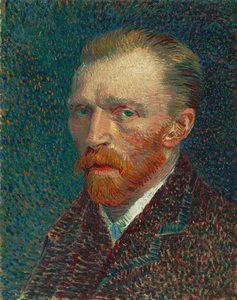
Vincent Van Gogh
1853 - 1890 , Nizozemsko
Rychlé informace
- Artistic Movement Or Style: Post-Impressionismus
- Artists Or Movements Influenced By This Artist:
- Expressionismus
- Fauvism
- Artists Who Influenced This Artist:
- Rembrandt
- Millet
- Date Of Birth: 30. března 1853
- Date Of Death: 29. července 1890
- Full Name: Vincent Willem van Gogh
- Nationality: Nizozemec
- Notable Artworks:
- Sluncečnice
- Hvězdná noc
- Jídlo chudí
- Place Of Birth: Zundert, Nizozemsko
Související články

Paul Cézanne: 25 mistrovských děl a revoluce v moderním umění | OriginalUniqueArt.cz
Prozkoumejte 25 ikonických děl Paula Cézanna – průkopníka moderního umění a impresionismu. Obdivujte jeho still life, krajiny a portréty. Reprodukce obrazů v nejvyšší kvalitě na OriginalUniqueArt.com. Inspirace pro váš interiér!
Top 10 slavných obrazů v odstínech chromové zelené – inspirace pro interiér
Objevte top 10 slavných obrazů v odstínech chromové zelené! Prozkoumejte příběhy Van Gogha, Moneta a dalších mistrů. Inspirace pro interiér a reprodukce umění nejvyšší kvality na OriginalUniqueArt.com.
Verdant Visions: Exploring the Symbolism & Aesthetic Impact of Green in Art History
Explore the rich history & symbolism of green in art! Discover iconic paintings, techniques, and how to bring verdant harmony into your home with OriginalUniqueArt's expert guide.
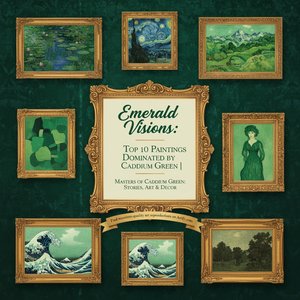
Top 10 slavných obrazů v odstínech kademiové zeleně – inspirace pro váš interiér | OriginalUniqueArt.cz
Objevte top 10 slavných obrazů ovládaných odstíny kademiové zeleně! Prozkoumejte příběhy Van Gogha, Moneta a dalších mistrů. Inspirace pro váš interiér s uměleckými reprodukcemi nejvyšší kvality na OriginalUniqueArt.cz
Top 10 slavných obrazů v odstínech šalvějové zelené – inspirace pro interiér | OriginalUniqueArt.cz
Objevte top 10 slavných obrazů v odstínech šalvějové zelené! Claude Monet, Van Gogh a další mistři. Inspirace pro interiér a umělecké reprodukce nejvyšší kvality na OriginalUniqueArt.cz. Prozkoumejte celou kolekci online!