

 Zobrazit v interiéru
 Odeslat
 Sdílet
 Podrobnosti
 Průvodce

 Stáhnout obrázek
 Podobné kousky
 Rentgenové snímky
 Slideshow
 Statistiky
Cesta v parku
 Olej na plátně
- Obrazová tvorba na stěnu
- Impressionistická krajina
 1888
1888- – 19. století
 Kröller-Müller Museum
 Přečíst si více
Zakupte si digitální obraz ve vysokém rozlišení a vylepšeném provedení, který nabízí mnohem vyšší kvalitu než online náhled.
Každý soubor je pečlivě připraven našimi specialisty s využitím pokročilých nástrojů a odborné manuální retuše. Zajišťujeme, aby každý obraz disponoval výjimečnou ostrostí, přesnou barevnou věrností a jemnými detaily.
Finální soubor vám bude do 72 hodin zaslán e-mailem, optimalizovaný pro okamžité použití v profesionálním, redakčním i tiskovém prostředí. Nabízíme stejnou kvalitu, které důvěřují špičková designová studia, nakladatelství i galerie.
Digitální obrazy
Stáhněte si soubor ve vysokém rozlišení pro osobní prohlížení, tisk a kreativní projekty. ( Přepnout na tiskové verze Objednat ručně malovanou reprodukci)
Součást každé objednávky digitálního obrazu
Exponenciální digitální doručení, zaručené
Když si vyberete OriginalUniqueArt.com, nezískáváte pouze obrázek – získáváte digitální umělecké dílo s profesionálně vylepšenými detaily, zpracované s precizností a podpořené zárukou za spokojenost. Zde je vše, co vaše objednávka automaticky obsahuje:

Bleskové doručení e-mailem
Váš digitální obraz ve vysokém rozlišení vám bude zaslán e-mailem do 72 hodin od objednávky – připraven k okamžitému použití.

Digitální soubor s podporou AI
Vaše umělecké dílo je profesionálně optimalizováno pomocí pokročilých nástrojů umělé inteligence a manuální úpravy, což zajišťuje maximální úroveň detailu, ostrosti a přesnosti barev.

Doživotní bezplatné znovuodeslání
Soubor jste omylem smazali nebo ztratili? Žádný problém – kdykoliv vám ho znovu zašleme zcela zdarma.

Bez poplatků za dovoz – navždy
Užijte si své umělecké dílo okamžitě bez celních poplatků, daní nebo nákladů na dopravu – digitální stažení je vždy bez daňových povinností.

Záruka přesnosti barev
Díky profesionálním nástrojům a správě barev zajišťujeme, aby váš digitální obraz odrážel původní barvy co nejvěrněji.

100dená záruka spokojenosti
Pokud nebudete s digitálním obrázkem spokojeni, provedeme jeho revizi nebo vám vrátíme 100% platby do 100 dnů – bez jakýchkoliv dotazů.

100% záruka vrácení peněz
Nespokojeni? Získejte plnou náhradu peněz do 100 dnů od obdržení digitálního souboru – bez zbytečných dotazů.

Slevy při hromadných objednávkách
Při koupi 3 obrazů ušetříte 10% – Při koupi 5 obrazů ušetříte 15% – Při koupi 10+ obrazů ušetříte 20%. Ideální pro kreativní projekty, galerie a agentury.
Sluncem zalitá svatyně v Arles
V živoucím srdci Provence, kde světlo disponuje až transformativní schopností, zachytil Vincent van Gogh v rámci svého mistrovského díla z roku 1888, Cesta v parku, prchavou chvíli klidu. Toto evokativní dílo přenáší diváka do městského parku Place Lamartine, místa intimně spojeného s životem umělce během jeho pobytu v Arles. Tato scéna, nacházející se přímo naproti jeho slavnému Žlutému domu, poskytovala Van Goghovi mnohem víc než jen malebnou kulisu; nabízela mu svatyni intimity uprostřed bujné energie města. Obraz nás zve k procházce po zelené stezce, stíněné bujnými, listovitémi stromy, které filtrují středomořské slunce do mozaiky světla a stínu. V rámci této klidné krajiny se postavy pohybují s tichou elegancí, přičemž jejich přítomnost vnáší do přírodní nádher pocit lidského propojení, zatímco osamělý kůň odpočívající u středu kompozice ji ukotvuje v mírumodné, pastorální realitě.
Emoční rezonance tohoto díla spočívá v jeho hluboké schopnosti destilovat pocit duchovní kontemplace z prosté odpolední procházky. Ačkoliv scéna zobrazuje veřejný prostor, Van Gogh do něj vplétá atmosféru hlubokého, osobního klidu. Zde je patrná záměrná protikladnost; zaměřením se na klidnou krásu parku vytváří umělec silný protipól k bouřlivějším prvkům života v Arles, které existovaly těsně za linií stromů. Pro sběratele či milovníky vysokého umění nabízí tento obraz okno do Van Goghova hledání vnitřního míru – vizuální manifestaci jeho touhy najít harmonii v přírodním světě, i když jeho vlastní vnitřní krajina čelila nesmírnému tlaku.
Mistrovství barvy a impasto
Z technického hlediska je Cesta v parku brilantní ukázkou postimpresionistické vigory. Van Gogh se posunul za hranice pouhé pozorování světla, které praktikovali impresionisté, a využil barvu jako prostředek pro syrové emoce. Paletu dominuje spektrum zelených odstínů – od hlubokých, chladných smaragdů ve stíne či až po jasné, sluncem zalité limetkové tóny tam, kde světlo dopadá na korunace stromů – doplněné o teplé, zemité tóny cesty a jemné, atmosférické odstíny oblohy. Jeho techniku charakterizuje mistrovské použití impasta, kdy je barva nanášena v silných, texturovaných vrstvách, které vystupují z plátna. To vytváří taktilní bohatost, která umožňuje divákovi vnímat fyzickou energii každého tahu štětcem.
Tyto expresivní, rytmické tahy dělají víc než jen definují tvary; vnášejí do krajiny pocit pohybu a života. Stromům se zdá, že se chvějí v mírném vánku, a světlo působí, jako by vibrací zasahovalo sítnici. Pro interiérové designéry a dekorátory činí tato texturovaná hloubka reprodukci tohoto díla extraordinárním ohniskem prostoru. Vysoce kvalitní ručně malovaná reprodukce zachycuje tuto esenciální trojrozměrnost a přináší do jakékoli místnosti pocit organické vitality a historické váhy. Ať už je umístěna v prosluněné galerii nebo v sofistikovaném moderním obývacím pokoji, tento obraz slouží jako trvalé svědectví o kráse přírody a transformativní síle umělcovy ruky.
Otázky a odpovědi
Kdy bylo dílo "Cesta v parku" vytvořeno a ke kterému směru patří?
Dílo „Cesta v parku“ vzniklo v roce 1888 jako reprezentativní dílo směru Impressionistická krajina. Datum vzniku a příslušnost k danému směru pevně ukotvují toto umělecké dílo v dějinách umění.
Kdo je autorem a z jakého roku pochází dílo "Cesta v parku"?
Vincent Van Gogh vytvořil/a „Cesta v parku“ v roce 1888.
V jakém roce bylo vytvořeno dílo „Cesta v parku“ od Vincent Van Gogh?
Dílo "Cesta v parku" pochází z roku 1888. Toto datum situuje dílo do období tvůrčí činnosti Vincent Van Gogh i do jeho dobové kontextu.
Biografie umělce
Život namalovaný vášní: Vincent van Gogh
Vincent Willem van Gogh, jméno synonymické pro zářivou barvu a syrové emoce, zůstává jednou z nejrozpoznatelnějších a nejoblíbenějších postav v dějinách umění. Narodil se 30. března 1853 v Zundert v Nizozemsku a jeho cesta od osudovaného mladíka hledajícího smysl života k uměleckému vizionáři je dojímavým příběhem oddanosti, boje a nakonec i nesmrtelného odkazu. Ačkoliv za svého života dosáhl jen malého komerčního úspěchu – před svou smrtí prodal pouze jeden obraz, The Red Vineyard (Červená vinice) – Van Goghův dopad na moderní umění je neúměrně velký, neboť připravil cestu expresionismu a ovlivnil nespočet následných umělců. Jeho příběh není jen o tahách štětcem a plátnech; je to svědectví o síle lidské výraznosti v tvář osudů.
Raná léta a umělecké probuzení
Van Goghův raný život byl poznamenán řadou nesplněných ambicí. Zkoušel se v různých profesích – jako obchodník s uměním, učitel, dokonce i misionář – než se ve svých 27 letech definitivně zasvětil malování. Tyto dřívější zkušenosti hluboce utvarily jeho svědomí a našly své otisk v jeho díle. Jeho počáteční práce, zachycující scény ze života vesnického lidu na venkově Belgie, odrážejí hlubokou empatii k pracující třídě a používají tlumenou paletu barev, která reflektuje jejich těžký život. Pod vlivem umělců jako Jean-François Millet se Van Gogh snažil zachytit důstojnost a odolnost těchto lidí prostřednictvím syrového realismu. Transformativním však okazał se jeho přesun do Paříže v roce 1886. Zde narazil na impresionismus a postimpresionismus, od kterých si osvojil techniky mistrů jako Monet, Renoir a Pissarro. Tato zkušenost rozšířila jeho umělecké obzory a vedla ho k experimentování s jasnějšími barvami a volnějšími tahy štětcem, přičemž si však zachoval specifickou emocionální intenzitu, která u mnoha jeho současníků chyběla. Klíčovou roli v tomto období sehrál jeho bratr Theo, obchodník s uměním, který mu poskytoval finanční podporu a sloužil jako zásadní spojnice s pařížským světem umění. Jejich rozsáhlá korespondence nabízí nepostradatelný pohled do Van Goghova uměleckého vývoje i osobních trápení.
Jižní světlo a explozivní kreativita
Ve snu o živopisnější krajině a pocitu obnovy se Van Gogh v roce 1888 přestěhoval do Arles na jihu Francie. Tento krok znamenal období intenzivní tvůrčí činnosti, charakterizované explozí barev a specifickou technikou impasta – nanášením husté vrstvy barvy přímo na plátno, čímž vznikla texturovaná plocha, která se zdá pulzovat energií. Právě zde vytvořil některá ze svých nejikoničtějších děl: Slunečnice, Noc v kavárně nebo Hvězdná noc. Intenzivní sluneční světlo Provence se zdálo zapálit jeho představivost a vedlo ho k zobrazení krajin a záložních motivů s nevídanou živostí. Touha po umělecké spolupráci ho přiměla pozvat do Arles Paula Gauguina s nadějí na založení utopické kolonie umělců. Jejich vztah se však ukázal jako nestabilní a vyvrcholil dramatickým konfliktem, který skončil Van Gogovým okurtováním vlastního ucha. Tato událost podtrhla křehkost jeho psychického stavu a znamenala začátek období hospitalizace a prohlubujících se psychických potíží.
Pozdní léta a nesmrtelný odkaz
Po svém zhroucení vstoupil Van Gogh dobrovolně do azylu v Saint-Rémy, kde pokračoval v plodném malování a zachycoval okolní krajinu s krásou i vnitřním neklidem. Díla jako Hvězdná noc, namalovaná právě v tomto období, jsou prosycena pocitem vesmírného úžasu a hluboké emocionální hloubky. Později se přestěhoval do Auvers-sur-Oise pod péči Dr. Paula Gacheta, ale jeho trápení přetrvávalo. 29. července 1890, ve věku 37 let, Van Gogh tragicky zemřel v důsledku střelného zranění způsobeného sebou samým. Přestože za svého života dosáhl jen minimálního uznání, jeho dílo začalo získávat posmrtnou slávu především díky neúnavnému úsilí jeho švagrové, Johanny van Gogh-Bonger, která zdědila jeho majetek a zasvětila se propagaci jeho umění. Dnes jsou Van Goghovy obrazy po celém světě oslavovány pro jejich emocionální intenzitu, inovativní techniky a nesmrtelnou krásu. Jeho odkaz sahá daleko za okraj plátna; stal se symbolem umělecké vášně, vytrvalosti tváří v tvář překážkám a síly umění vyjádřit ty nejhlubší lidské emoce.
Klíčové vlivy a umělecký vývoj
- Raný realismus: Zobrazení vesnického života Jeana-Françoise Milleta ovlivnila Van Goghova raná díla.
- Impresionismus a postimpresionismus: Kontakt s Monetem, Renoirem, Pissarrem a dalšími v Paříži rozšířil jeho paletu i techniku.
- Japonské tisky: Van Gogh byl hluboce ovlivněn japonskými dřevoryty, které vášnivě sbíral. Jejich odvážná kompozice a ploché barevné plány zásadně ovlivnily jeho vlastní styl.
- Emocionální vyjádření: Nad vše ostatní se Van Gogh snažil skrze své umění vyjádřit emoce, přičemž upřednostňoval subjektivní prožitek před objektivní reprezentací. Tento důraz na emocionální intenzitu se stal definující vlastností jeho díla a připravil cestu expresionismu.
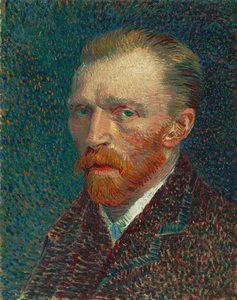
Vincent Van Gogh
1853 - 1890 , Nizozemsko
Rychlé informace
- Artistic Movement Or Style: Post-Impressionismus
- Artists Or Movements Influenced By This Artist:
- Expressionismus
- Fauvism
- Artists Who Influenced This Artist:
- Rembrandt
- Millet
- Date Of Birth: 30. března 1853
- Date Of Death: 29. července 1890
- Full Name: Vincent Willem van Gogh
- Nationality: Nizozemec
- Notable Artworks:
- Sluncečnice
- Hvězdná noc
- Jídlo chudí
- Place Of Birth: Zundert, Nizozemsko