Náhled v interiéru
 Sdílet
 Sdílet
 Podrobnosti o díle
 Průvodce

 Stáhnout
 Podobné položky
 Rentgenové snímky
 Slideshow
 Statistiky
Beatriz v vozíčku, Matylda a Dante

 Zobrazit více
Ručně malovaná olejová reprodukce
Rukou malované olejné plátno v libovolném rozměru i s rámem, vyrobené našimi umělci na zakázku. ( Přepnout na tisk Přepnout na digitální obraz)




P118B Kč10

P118H Kč10

P118W Kč10

P438Z Kč10

P508JH Kč12

P508YH Kč12

P805H Kč10

P805Z Kč10

P919BZ Kč10

P919G Kč10

P919XJ Kč10

P959ZH Kč10

P968JZ Kč12

W106C Kč8

W218G Kč10

W218JH Kč8

W218Y Kč10

W307PJ Kč10

W316G Kč10

W316PJ Kč8

W316Y Kč10

W398PJ Kč8

W4111J Kč10

W500HY Kč15

W500JH Kč15

W692G Kč12

W849H Kč8

W940BG Kč15

W953PJ Kč8




Vyberte si z našich přednastavených velikostí, které odpovídají původním proporcím díla.

Zadejte šířku a výšku, které potřebujete pro váš rám nebo stěnu. Protože se jedná o ruční malbu, při výběru jiného formátu může umělec kolem obrazu domalovat o něco více, nebo jej mírně oříznout — rozhodnete si vy. Před zahájením malby vám zašleme digitální náhled ke schválení. Obraz zobrazený na této stránce neodpovídá skutečnému výsledku — pouze digitální náhled jej zobrazuje.
Po přijetí objednávky vám tým OriginalUniqueArt.com zašle e-mail s pokyny a poskytne náhledovou verzi.
Celosvětová doprava () za 3–4 týdny namísto standardních 5 týdnů. (26 říjen). Bez kompromisů v kvalitě.

Zdarma celosvětová expresní doprava

Vysoce kvalitní lněné plátno

Kompletní pojištění přepravy

Záruka vrácení celního poplatku

Záruka věrného barevného souladu

100dení lhůta pro vrácení zboží (pouze při vadách výroby)

100% záruka vrácení peněz

Sleva při více objednávkách
 Skleněná varianta je dostupná pouze u rozměrů menších než 110 cm

Beatriz v vozíčku, Matylda a Dante
Technika reprodukce
Rozměry reprodukce
-


Celková cena za vybrané možnosti reprodukcí
Kč 6422
Beatriz en el carro, Matilde y Dante: Una visión alquímica del Éxtasis Divino
William Blake, nacido en Londres el 28 de noviembre de 1757, fue una figura perpetuamente fuera de lugar con su tiempo, pero destinada a convertirse en uno de los artistas y poetas más celebrados de la Edad Romántica. Su vida transcurrió contra el telón de fondo de Inglaterra en rápida transformación—un mundo enfrentado a la industrialización, agitación política y creencias espirituales cambiantes—. Desde humildes comienzos como hijo de un hosier, sus primeros años estuvieron marcados por una imaginación vívida e intensa y una propensión a experiencias visionarias que influirían profundamente en su trayectoria artística. Aunque carecía de formación académica formal, recibió instrucción dibujando desde temprana edad, revelando rápidamente un talento que apuntaba al extraordinario camino por delante. Su aprendizaje con el grabador James Basire fue decisivo, proporcionándole no solo dominio técnico sino también comprensión de las técnicas de grabado que luego revolucionaría. Estos primeros influyentes fueron fundamentales para desarrollar su estilo único y distintivo.- Descripción General: Esta impresionante obra maestra pictórica captura un episodio clave del poema épico "La Divina Comedia" de Dante Alighieri. En el centro de la composición encontramos a Beatriz, montada en un carro tirado por caballos blancos, acompañada por Matilde y Dante. El entorno que rodea a los personajes principales es una representación armoniosa de bosques exuberantes y aguas tranquilas, creando una atmósfera de serenidad y contemplación espiritual.
- Estilo Artístico: Blake emplea una combinación magistral de pintura al óleo sobre papel y grabado en cobre, técnicas que reflejan la sensibilidad del artista hacia el detalle y la expresividad emocional. El estilo simbolista se caracteriza por la utilización de símbolos complejos y alegóricos para transmitir ideas filosóficas y religiosas profundas.
- Técnica Artística: Blake aplicó meticulosamente capas sucesivas de pintura al óleo sobre papel, utilizando una combinación de colores brillantes y tonos oscuros para crear profundidad y textura visual. Además, realizó grabados en cobre con precisión excepcional, empleando líneas finísimas y técnicas innovadoras que resaltaban la belleza estética del dibujo original.
- Contexto Histórico: Esta obra fue creada durante el período romántico inglés (1800-1850), una época marcada por un espíritu de libertad creativa y una fascinación por lo sublime. Blake se inspiró en las tradiciones religiosas medievales y filosóficas occidentales, buscando expresar la esencia del cristianismo primitivo y la búsqueda de la iluminación espiritual.
- Simbolismo: El carro que lleva Beatriz simboliza el viaje hacia la perfección espiritual, mientras que los caballos blancos representan la fuerza divina y la guía celestial. La corona de reina que lleva Beatriz refuerza su papel como símbolo de gracia y sabiduría, reflejando la visión cristiana del reino eterno.
El Carro como Alegoría del Camino hacia Dios
La imagen del carro es particularmente significativa porque representa el viaje espiritual del hombre hacia Dios, un viaje lleno de desafíos y obstáculos pero también iluminado por la esperanza de alcanzar la unión con lo divino. Blake utilizó este vehículo simbólico para transmitir una profunda reflexión sobre la naturaleza humana y su relación con el universo, invitando al espectador a contemplar la belleza y la complejidad del mundo espiritual. La composición equilibrada del cuadro refuerza esta sensación de armonía y orden, reflejando la visión cristiana del cosmos como un sistema organizado por Dios que guía al hombre hacia la salvación eterna.Una Interpretación Visionaria: El Legado de Blake
William Blake fue considerado uno de los artistas más originales y revolucionarios de su época, cuya obra trascendió las convenciones académicas tradicionales para expresar una visión del mundo profundamente espiritual y filosófica. Su estilo único y distintivo sigue inspirando a artistas y críticos contemporáneos, quienes reconocen en sus obras la fuerza expresiva de la imaginación y la capacidad de transmitir emociones humanas universales. La reproducción artística de "Beatriz en el carro, Matilde y Dante" ofrece una oportunidad excepcional para apreciar la belleza estética del arte romántico inglés y para comprender las raíces culturales e históricas que dieron origen a esta obra maestra pictórica.Más Información Sobre Esta Obra
Para conocer más detalles sobre esta impresionante obra de arte, puedes consultar el siguiente enlace: ‘Beatrice Addressing Dante from the Car’, William Blake, 1824–7 | Tate También puedes encontrar información adicional sobre el artista en este enlace: William Blake Y otras obras maestras de Blake pueden encontrarse aquí: Beatriz en el carro, Matilde y Dante - William Blake | OriginalUniqueArt.com ...Otázky a odpovědi
Mohu si prohlédnout "Beatriz v vozíčku, Matylda a Dante" v celoplátno formátu slideshow?
Diaporama díla „Beatriz v vozíčku, Matylda a Dante“ si můžete prohlédnout na stránce Slideshow.
V jaké orientaci je dílo „Beatriz v vozíčku, Matylda a Dante“ od Vilém Blake?
Dílo „Beatriz v vozíčku, Matylda a Dante“ od Vilém Blake má formát Horizontální orientace. Tento formát určuje poměry kompozice.
K jakému využití se doporučuje „Beatriz v vozíčku, Matylda a Dante“ od Vilém Blake?
Reprodukci díla „Beatriz v vozíčku, Matylda a Dante“ od Vilém Blake doporučujeme pro Akcentující prvek. Toto doporučení vychází z tématu, nálady a barevnosti tohoto díla.
Biografie umělce
William Blake – Visionary Poet & Painter (1757–1827)
William Blake, born in London on November 28, 1757, was a figure perpetually out of step with his time, yet destined to become one of the most celebrated artists and poets of the Romantic Age. His life unfolded against the backdrop of a rapidly changing England—a world grappling with industrialization, political upheaval, and shifting spiritual beliefs. From humble beginnings as the son of a hosier, Blake’s early years were marked by an intensely vivid imagination and a propensity for visionary experiences that would profoundly shape his artistic trajectory. Though largely self-taught in formal academics, he received drawing instruction at a young age, quickly revealing a talent that hinted at the extraordinary path ahead. His apprenticeship with engraver James Basire proved pivotal, providing him not only with technical mastery but also an understanding of printmaking techniques he would later revolutionize. These early influences—the Gothic grandeur of Westminster Abbey, the classical forms of Raphael and Michelangelo—served as foundational elements in his developing aesthetic, though Blake was never one to remain bound by convention.Early Life & Artistic Training
Blake’s formative years instilled within him a deep fascination with mythology and folklore, alongside an acute sensitivity to visual beauty. Despite lacking formal artistic education, he possessed an innate ability to observe and interpret the world around him—skills honed through meticulous sketching and drawing exercises. His apprenticeship under James Basire, a respected engraver, provided invaluable experience in mastering printmaking techniques, particularly etching—a craft that would become central to his distinctive artistic style. This training exposed him to the established conventions of engraving but simultaneously fueled his desire to forge new paths toward creative expression. The architectural grandeur of Westminster Abbey and the idealized forms of Raphael’s frescoes served as enduring inspirations, shaping his aesthetic sensibilities and informing his artistic vision.Illuminated Printing: A Revolutionary Technique
Blake's artistic innovation wasn’t merely about subject matter; it resided fundamentally in *how* he created. Dissatisfied with conventional engraving methods—which he viewed as sterile and restrictive—he developed a unique process known as “illuminated printing.” This involved etching both text and illustrations onto copper plates, then painstakingly hand-coloring the resulting prints—a laborious but deeply personal approach that allowed for complete artistic control. This wasn’t simply illustration accompanying poetry; it was an integrated art form where image and verse were inextricably linked, each enhancing the meaning of the other. Blake's belief in the transformative power of imagination underpinned this revolutionary technique. He argued that “the Imagination is the Eye of God,” asserting that true creativity resided in perceiving realities beyond the confines of sensory experience—a conviction that would permeate his entire oeuvre. This method granted him unparalleled freedom to express his inner vision, resulting in prints imbued with vibrant color and symbolic depth unlike anything produced before.Major Works & Artistic Style
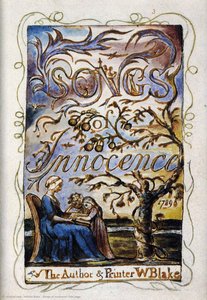
Blake’s artistic output encompassed a remarkable range of mediums—poetry, engravings, watercolors, mezzotints, and drawings—each reflecting his multifaceted intellectual and spiritual interests. His most celebrated works include *Songs of Innocence* (1789) and *Songs of Experience*, paired volumes that explore contrasting perspectives on human nature and morality; *The Marriage of Heaven & Hell* (1793), a provocative prose poem challenging conventional dogma; *Milton* (1804–?11), an ambitious retelling of Milton’s epic poem infused with Blake’s visionary symbolism; and *Jerusalem*, a sprawling prophetic poem envisioning a utopian future rooted in spiritual renewal. His engravings are characterized by a distinctive style—a rejection of linear perspective in favor of flattened planes and stylized figures—that conveys emotion and psychological intensity rather than realistic representation. Blake's use of color was equally innovative, employing bold hues to heighten the symbolic significance of his images and to evoke moods of wonder and terror. He frequently incorporated motifs from mythology and folklore, drawing inspiration from sources as diverse as Dante’s *Divine Comedy* and Hebrew scripture.Legacy & Influence
Despite facing considerable obscurity during his lifetime—characterized by poverty and rejection by mainstream artistic circles—William Blake's influence on subsequent generations of artists and writers has proven profound. His unwavering commitment to imaginative vision and symbolic expression resonated deeply with the Pre-Raphaelites, who embraced him as a kindred spirit and championed his distinctive aesthetic style. Furthermore, Blake’s ideas continue to inspire thinkers and artists today, particularly those concerned with exploring themes of spirituality, rebellion, and the relationship between art and consciousness. He stands as an enduring testament to the transformative potential of creativity—a visionary artist whose work compels us to confront uncomfortable truths and to embrace the boundless possibilities of human imagination. Blake’s legacy extends beyond his artistic achievements; it resides in his unwavering belief that art can serve as a catalyst for social change and spiritual enlightenment—a conviction that continues to inspire artists and intellectuals worldwide.
Vilém Blake
1757 - 1827 , Velká Británie
Rychlé informace o umělci
- Artistic Movement Or Style: Romantismus
- Artists Who Influenced This Artist:
- Raphael
- Michelangelo
- Date Of Birth: 1757
- Full Name: William Blake
- Nationality: Británie
- Notable Artworks:
- Songs of Innocence & Exp.
- The Tyger
- Jerusalem
- Place Of Birth: Londýn, UK
Související články

Romantic Realism's Finest: 10 Masterpieces for Your Home | OriginalUniqueArt
Explore 10 defining masterpieces of Romantic Realism! Discover Courbet, Millet & Daumier's powerful paintings—capturing emotion and social realities. Find museum-quality reproductions for your home at OriginalUniqueArt.com.

Dante Gabriel Rossetti: Top 25 děl a umělecké ikony pro váš domov | OriginalUniqueArt.cz
Prozkoumejte 25 ikonických děl Dante Gabriela Rossettiho – symbolismus, viktoriánský romantismus a krásné ženy v obrazech. Reprodukce obrazů nejvyšší kvality pro váš interiér na OriginalUniqueArt.cz. Objevte celou kolekci online!

William Blake: Romantic Visionary & Mystical Genius of the Imagination
Explore the mystical art & poetic genius of William Blake (1757-1827). Discover his revolutionary illuminated printing, rich symbolism, and lasting influence on Romanticism. Find handmade reproductions at OriginalUniqueArt.

Sir William Blake Richmond: A Visionary of Aestheticism & Symbolism
Explore the life & art of Sir William Blake Richmond, a pivotal figure bridging Pre-Raphaelitism and Aestheticism. Discover his stunning portraits, mosaics at St Paul's Cathedral, and lasting influence on Victorian art.
John Varley I: Intimate Observation & the British Romantic Landscape
Explore the serene landscapes of John Varley I, a key figure in British Romanticism. Discover his unique watercolour style, collaboration with William Blake & lasting artistic legacy. Learn about collecting Varley's work.