Zobrazit v interiéru
 Odeslat
 Sdílet
 Podrobnosti
 Průvodce

 Stáhnout obrázek
 Podobné kousky
 Rentgenové snímky
 Slideshow
 Statistiky
Starý Čas


 Přečíst si více
Ručně malovaná olejová reprodukce
Ručně malované olejné plátno v libovolném rozměru i s rámem, vyrobené našimi umělci na zakázku. ( Přepnout na tiskové verze Přepnout na digitální verzi obrazu)




P118B Kč10

P118H Kč10

P118W Kč10

P438Z Kč10

P508JH Kč12

P508YH Kč12

P805H Kč10

P805Z Kč10

P919BZ Kč10

P919G Kč10

P919XJ Kč10

P959ZH Kč10

P968JZ Kč12

W106C Kč8

W218G Kč10

W218JH Kč8

W218Y Kč10

W307PJ Kč10

W316G Kč10

W316PJ Kč8

W316Y Kč10

W398PJ Kč8

W4111J Kč10

W500HY Kč15

W500JH Kč15

W692G Kč12

W849H Kč8

W940BG Kč15

W953PJ Kč8




Vyberte si z našich přednastavených velikostí, které odpovídají původním proporcím díla.

Zadejte šířku a výšku, které potřebujete pro váš rám nebo stěnu. Protože se jedná o ruční malbu, při výběru jiného formátu může umělec kolem obrazu domalovat o něco více, nebo jej mírně oříznout — rozhodnete si vy. Před zahájením malby vám zašleme digitální náhled ke schválení. Obraz zobrazený na této stránce neodpovídá skutečnému výsledku — pouze digitální náhled jej zobrazuje.
Po přijetí objednávky vám tým OriginalUniqueArt.com zašle e-mail s pokyny a poskytne náhledovou verzi.
Celosvětová doprava () za 3–4 týdny namísto standardních 5 týdnů. (21 říjen). Bez kompromisů v kvalitě.

Zdarma celosvětová expresní doprava

Vysoce kvalitní lněné plátno

Úplné pojištění přepravy

Záruka vrácení celního poplatku

Záruka věrného barevného shodu

100dení lhůta pro vrácení zboží (pouze při vadách výroby)

100% garance vrácení peněz

Sleva při více objednávkách
 Skleněná varianta je dostupná pouze u rozměrů menších než 110 cm

Starý Čas
Technika provedení
Velikost reprodukce
-


Celková cena
Kč 6376
Mistrovské dílo vizionářského umění
Dílo „The Ancient of Days“ (Starý čas) od Williama Blakea je hlubokým a fascinujícím uměleckým projevem, který v sobě nese samotnou podstatu romantismu a vizionářského umění. Toto dílo, vytvořené v roce 1794, sloužilo jako titulní ilustrace k Blakeově proroctví „Europe a Prophecy“. Svůj název si bere z jedné z Božích titulatury v Knize Daniela, což odráží hluboké duchovní a mystické sklony samotného Blakea.Subjekt a kompozice
V centru tohoto uměleckého díla stojí postava Urize, která se tyčí v rámci kruhového designu na pozadí vířících mraků. Jeho natažená ruka drží kruhidlo nad temnou prázdnotou pod ním, což symbolizuje božský stvoření a řád. Dynamická póza postavy, s jednou paží prodlouženou dolů a druhou zvednutou za hlavu, vtahuje zrak diváka přímo do nitra obrazu a vytváří pocit neustálého pohybu a neuklidné energie. <že>Styl a technika Blakeův jedinečný styl propojuje prvky romantismu s jeho osobním vizionářským přístupem. Použití odvážných, plynulých linií definuje tvar postavy i vířící mraky v pozadí, což přispívá k celkovému pocitu dynamiky. Paletu barev dominují teplé tóny žluté, oranžové a červené, které vytvářejí ohnivou a intenzivní atmosféru, jež ostře kontrastuje s chladnější modří a černí v pozadí.Historický kontext
„The Ancient of Days“ bylo Blakeovým oblíbeným dílem, které často sám přetvářel. Existuje mnoho dochovaných verzí tohoto díla, včetně jedné, která byla dokončena pro Fredericka Tathama pouhé týdny před Blakeovou smrtí. Obraz odráží mystické náboženské zážitky Blakea a jeho víru v představivost jako „tělo Boha“. Je to svědectví o jeho tvůrčím duchu a schopnosti spojit poezii, malbu a grafiku do jednoho soudržného vize.Symbolika a emocionální dopad
Vypadá to, jako by tématem byla božská či duchovní bytost prožívající okamžik odhalení nebo osvícení. Vířící mraky a zářící světlo symbolizují božskou přítomnost a energii, zatímco dynamická póza postavy naznačuje pocit boje či transcendence. Toto umělecké dílo vybízí diváky k zamyšlení nad tématy spirituality, věčnosti a sublime (vznešenosti), čímž vyvolává hlubokou emocionální reakci.Proč si vybrat tuto reprodukci?
Pro milovníky umění, sběratele a interiérové designéry, kteří hledají kus, jenž kombinuje hlubokou symboliku s úchvatnou vizuální stránkou, je „The Ancient of Days“ vynikající volbou. Jeho živé barvy, dynamická kompozice a bohatý historický kontext z něj činí poutavý doplněk jakékoli sbírky či obytného prostoru. Vysoce kvalitní reprodukce tohoto mistrovského díla vnese do vašeho domova či kanceláře pocit božské inspirace a umělecké dokonalosti.Oživte Blakeovu vizi
Zažijte nadčasovou krásu a duchovní hloubku díla „The Ancient of Days“ od Williama Blakea s našimi ručně malovanými reprodukcemi. Každý kus je vytvořen s pečlivou pozorností k detailu, aby byla zajištěna vysoká kvalita uměleckého díla, které zachycuje podstatu původní Blakeovy vize. Pozvedněte svůj prostor tímto ikonickým mistrovským dílem a nechte jeho hlubokou symboliku a emocionální dopad, aby vás inspiroval každý den.Otázky a odpovědi
Kde by měla být vystavena reprodukce díla „Starý Čas“ od Vilém Blake?
Dílo v Portrétní orientace formátu, reprodukce díla „Starý Čas“, se doporučuje do Obývací pokoj.
Jak lze využít dílo „Starý Čas“ od Vilém Blake při dekorování interiéru?
Dílo „Starý Čas“ je doporučeno pro Hlavní dílo a ideálním prostorem pro jeho umístění je Obývací pokoj.
Jaká technika byla použita pro dílo „Starý Čas“ od Vilém Blake?
„Starý Čas“ je vytvořeno v technice Akvarel.
Biografie umělce
William Blake – Visionary Poet & Painter (1757–1827)
William Blake, born in London on November 28, 1757, was a figure perpetually out of step with his time, yet destined to become one of the most celebrated artists and poets of the Romantic Age. His life unfolded against the backdrop of a rapidly changing England—a world grappling with industrialization, political upheaval, and shifting spiritual beliefs. From humble beginnings as the son of a hosier, Blake’s early years were marked by an intensely vivid imagination and a propensity for visionary experiences that would profoundly shape his artistic trajectory. Though largely self-taught in formal academics, he received drawing instruction at a young age, quickly revealing a talent that hinted at the extraordinary path ahead. His apprenticeship with engraver James Basire proved pivotal, providing him not only with technical mastery but also an understanding of printmaking techniques he would later revolutionize. These early influences—the Gothic grandeur of Westminster Abbey, the classical forms of Raphael and Michelangelo—served as foundational elements in his developing aesthetic, though Blake was never one to remain bound by convention.Early Life & Artistic Training
Blake’s formative years instilled within him a deep fascination with mythology and folklore, alongside an acute sensitivity to visual beauty. Despite lacking formal artistic education, he possessed an innate ability to observe and interpret the world around him—skills honed through meticulous sketching and drawing exercises. His apprenticeship under James Basire, a respected engraver, provided invaluable experience in mastering printmaking techniques, particularly etching—a craft that would become central to his distinctive artistic style. This training exposed him to the established conventions of engraving but simultaneously fueled his desire to forge new paths toward creative expression. The architectural grandeur of Westminster Abbey and the idealized forms of Raphael’s frescoes served as enduring inspirations, shaping his aesthetic sensibilities and informing his artistic vision.Illuminated Printing: A Revolutionary Technique
Blake's artistic innovation wasn’t merely about subject matter; it resided fundamentally in *how* he created. Dissatisfied with conventional engraving methods—which he viewed as sterile and restrictive—he developed a unique process known as “illuminated printing.” This involved etching both text and illustrations onto copper plates, then painstakingly hand-coloring the resulting prints—a laborious but deeply personal approach that allowed for complete artistic control. This wasn’t simply illustration accompanying poetry; it was an integrated art form where image and verse were inextricably linked, each enhancing the meaning of the other. Blake's belief in the transformative power of imagination underpinned this revolutionary technique. He argued that “the Imagination is the Eye of God,” asserting that true creativity resided in perceiving realities beyond the confines of sensory experience—a conviction that would permeate his entire oeuvre. This method granted him unparalleled freedom to express his inner vision, resulting in prints imbued with vibrant color and symbolic depth unlike anything produced before.Major Works & Artistic Style
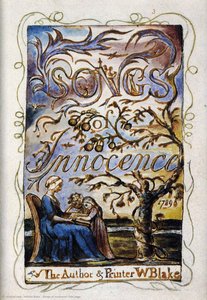
Blake’s artistic output encompassed a remarkable range of mediums—poetry, engravings, watercolors, mezzotints, and drawings—each reflecting his multifaceted intellectual and spiritual interests. His most celebrated works include *Songs of Innocence* (1789) and *Songs of Experience*, paired volumes that explore contrasting perspectives on human nature and morality; *The Marriage of Heaven & Hell* (1793), a provocative prose poem challenging conventional dogma; *Milton* (1804–?11), an ambitious retelling of Milton’s epic poem infused with Blake’s visionary symbolism; and *Jerusalem*, a sprawling prophetic poem envisioning a utopian future rooted in spiritual renewal. His engravings are characterized by a distinctive style—a rejection of linear perspective in favor of flattened planes and stylized figures—that conveys emotion and psychological intensity rather than realistic representation. Blake's use of color was equally innovative, employing bold hues to heighten the symbolic significance of his images and to evoke moods of wonder and terror. He frequently incorporated motifs from mythology and folklore, drawing inspiration from sources as diverse as Dante’s *Divine Comedy* and Hebrew scripture.Legacy & Influence
Despite facing considerable obscurity during his lifetime—characterized by poverty and rejection by mainstream artistic circles—William Blake's influence on subsequent generations of artists and writers has proven profound. His unwavering commitment to imaginative vision and symbolic expression resonated deeply with the Pre-Raphaelites, who embraced him as a kindred spirit and championed his distinctive aesthetic style. Furthermore, Blake’s ideas continue to inspire thinkers and artists today, particularly those concerned with exploring themes of spirituality, rebellion, and the relationship between art and consciousness. He stands as an enduring testament to the transformative potential of creativity—a visionary artist whose work compels us to confront uncomfortable truths and to embrace the boundless possibilities of human imagination. Blake’s legacy extends beyond his artistic achievements; it resides in his unwavering belief that art can serve as a catalyst for social change and spiritual enlightenment—a conviction that continues to inspire artists and intellectuals worldwide.
Vilém Blake
1757 - 1827 , Velká Británie
Rychlé informace
- Artistic Movement Or Style: Romantismus
- Artists Who Influenced This Artist:
- Raphael
- Michelangelo
- Date Of Birth: 1757
- Full Name: William Blake
- Nationality: Británie
- Notable Artworks:
- Songs of Innocence & Exp.
- The Tyger
- Jerusalem
- Place Of Birth: Londýn, UK
Související články

Romantic Realism's Finest: 10 Masterpieces for Your Home | OriginalUniqueArt
Explore 10 defining masterpieces of Romantic Realism! Discover Courbet, Millet & Daumier's powerful paintings—capturing emotion and social realities. Find museum-quality reproductions for your home at OriginalUniqueArt.com.
John Varley I: Intimate Observation & the British Romantic Landscape
Explore the serene landscapes of John Varley I, a key figure in British Romanticism. Discover his unique watercolour style, collaboration with William Blake & lasting artistic legacy. Learn about collecting Varley's work.
William Blake: Romantic Visionary & Mystical Genius of the Imagination
Explore the mystical art & poetic genius of William Blake (1757-1827). Discover his revolutionary illuminated printing, rich symbolism, and lasting influence on Romanticism. Find handmade reproductions at OriginalUniqueArt.

Sir William Blake Richmond: A Visionary of Aestheticism & Symbolism
Explore the life & art of Sir William Blake Richmond, a pivotal figure bridging Pre-Raphaelitism and Aestheticism. Discover his stunning portraits, mosaics at St Paul's Cathedral, and lasting influence on Victorian art.

Romantická krajina v malbě: 10 mistrovských děl, které definovaly umělecký proud | OriginalUniqueArt
Prozkoumejte 10 ikonických děl romantické krajinářské malby! Objevte příběhy Caspara Davida Friedricha, Turnera a dalších mistrů. Reprodukce obrazů nejvyšší kvality pro váš interiér na OriginalUniqueArt.com.