
 Náhled v interiéru
 Sdílet
 Sdílet
 Podrobnosti o díle
 Průvodce

 Stáhnout
 Podobné položky
 Rentgenové snímky
 Slideshow
 Q&A
Q&A Statistiky
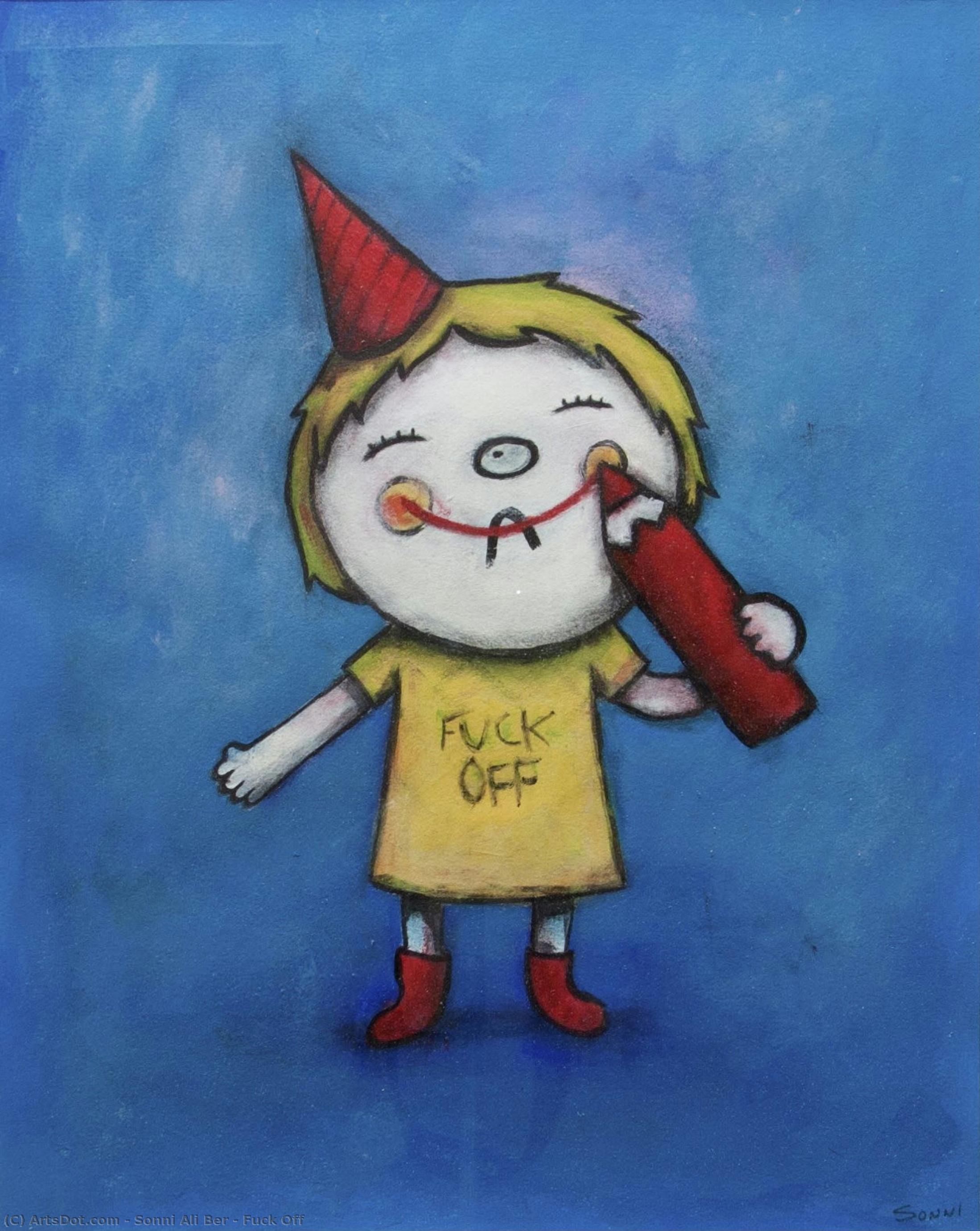
Fuck Off
 Acrylic On Paper
- Contemporary Art
 Contemporary
 40.0 x 50.0 cm
 Graffitimundo
 Zobrazit více
Giclée / Umělecký tisk
Giclée nebo plátěný tisk muzeální kvality s rychlou výrobou a širokou nabídkou povrchových úprav. ( Koupit ručně malovaný obraz Přepnout na digitální obraz)




P118B Kč10

P118H Kč10

P118W Kč10

P438Z Kč10

P508JH Kč12

P508YH Kč12

P805H Kč10

P805Z Kč10

P919BZ Kč10

P919G Kč10

P919XJ Kč10

P959ZH Kč10

P968JZ Kč12

W106C Kč8

W218G Kč10

W218JH Kč8

W218Y Kč10

W307PJ Kč10

W316G Kč10

W316PJ Kč8

W316Y Kč10

W398PJ Kč8

W4111J Kč10

W500HY Kč15

W500JH Kč15

W692G Kč12

W849H Kč8

W940BG Kč15

W953PJ Kč8




Vyberte si z našich přednastavených velikostí, které odpovídají původním proporcím díla.

Zadejte šířku a výšku, které potřebujete pro váš rám nebo stěnu. Tisk lze pouze oříznout, nikdy však nelze zvětšit obraz nad jeho původní rozměr, proto při výběru jiného formátu dochází ke ztrátě části obrazu. Před samotným tiskem vám zašleme digitální náhled k schválení. Obraz zobrazený na této stránce nenabízí skutečný výřez — ten uvidíte pouze v náhledu.
Celosvětové doručení () do 2 týdnů namísto standardních 4/5 týdnů. (30 říjen)

Zdarma celosvětová expresní doprava

Vysoce kvalitní lněné plátno

Kompletní pojištění přepravy

Záruka vrácení celního poplatku

Záruka věrného barevného souladu

100dení lhůta pro vrácení zboží (pouze při vadách výroby)

100% záruka vrácení peněz

Sleva při více objednávkách
 Skleněná varianta je dostupná pouze u rozměrů menších než 110 cm

Fuck Off
Giclée / Umělecký tisk
Rozměry reprodukce
-


Celková cena za vybrané možnosti reprodukcí
Kč 1738
Otázky a odpovědi
Jak mohu získat digitální kopii díla „Fuck Off“ od Sonni Ali Ber?
Digitální obraz díla „Fuck Off“ od Sonni Ali Ber si můžete zakoupit na jeho stránce pro digitální objednávky Digitální snímek: stažení digitálního obrazu ve vysokém rozlišení.
Z jakého historického období pochází „Fuck Off“ od Sonni Ali Ber?
Dílo „Fuck Off“ od Sonni Ali Ber pochází z období Contemporary. Toto období poskytuje dílu historický kontext.
Jakou atmosféru do interiéru přináší „Fuck Off“ od Sonni Ali Ber?
Dílo „Fuck Off“ od Sonni Ali Ber má Bold atmosféru a doporučujeme jej do Coffee Shop. Nálada představuje to, co dílo vnáší do okolního prostoru.
Související články
Roy Lichtenstein: Top 25 děl pop artu pro váš interiér | OriginalUniqueArt.cz
Prozkoumejte 25 ikonických děl Roye Lichtensteina – průkopníka pop artu. Obrazy s komiksovými motivy, výrazné barvy a unikátní technika ben-day dots. Najděte inspiraci pro váš interiér a kvalitní reprodukce na OriginalUniqueArt.cz! Prozkoumejte celou kolekci online.

Top 10 slavných obrazů v zářivých odstínech chromové žluté | OriginalUniqueArt.cz
Objevte top 10 slavných obrazů ovládaných chromovou žlutou! Prozkoumejte příběhy Van Gogha, Moneta a dalších mistrů impresionismu. Najděte inspiraci pro váš interiér s uměleckými reprodukcemi na OriginalUniqueArt.com.
The Golden Hue: Exploring Symbolism & Emotion in Yellow Art
Explore the rich symbolism & emotional power of yellow in art history! From Van Gogh to Kandinsky, discover how artists used this vibrant hue. Expert analysis & high-quality reproductions at OriginalUniqueArt.
Top 10 slavných obrazů v odstínech žluté охry – inspirace pro váš interiér
Objevte top 10 slavných obrazů v odstínech žluté охry od Van Gogha, Rembrandta a Moneta. Inspirujte se uměleckými reprodukcemi pro váš interiér! Historie, techniky a emoce nejikoničtějších děl na OriginalUniqueArt.com.

Martin Johnson Heade: Luminism, American Identity & the Poetic Still Life
Explore the captivating world of Martin Johnson Heade, a master of Luminism. Discover his serene landscapes, vibrant still lifes & profound connection to American identity. Learn about his techniques and legacy.