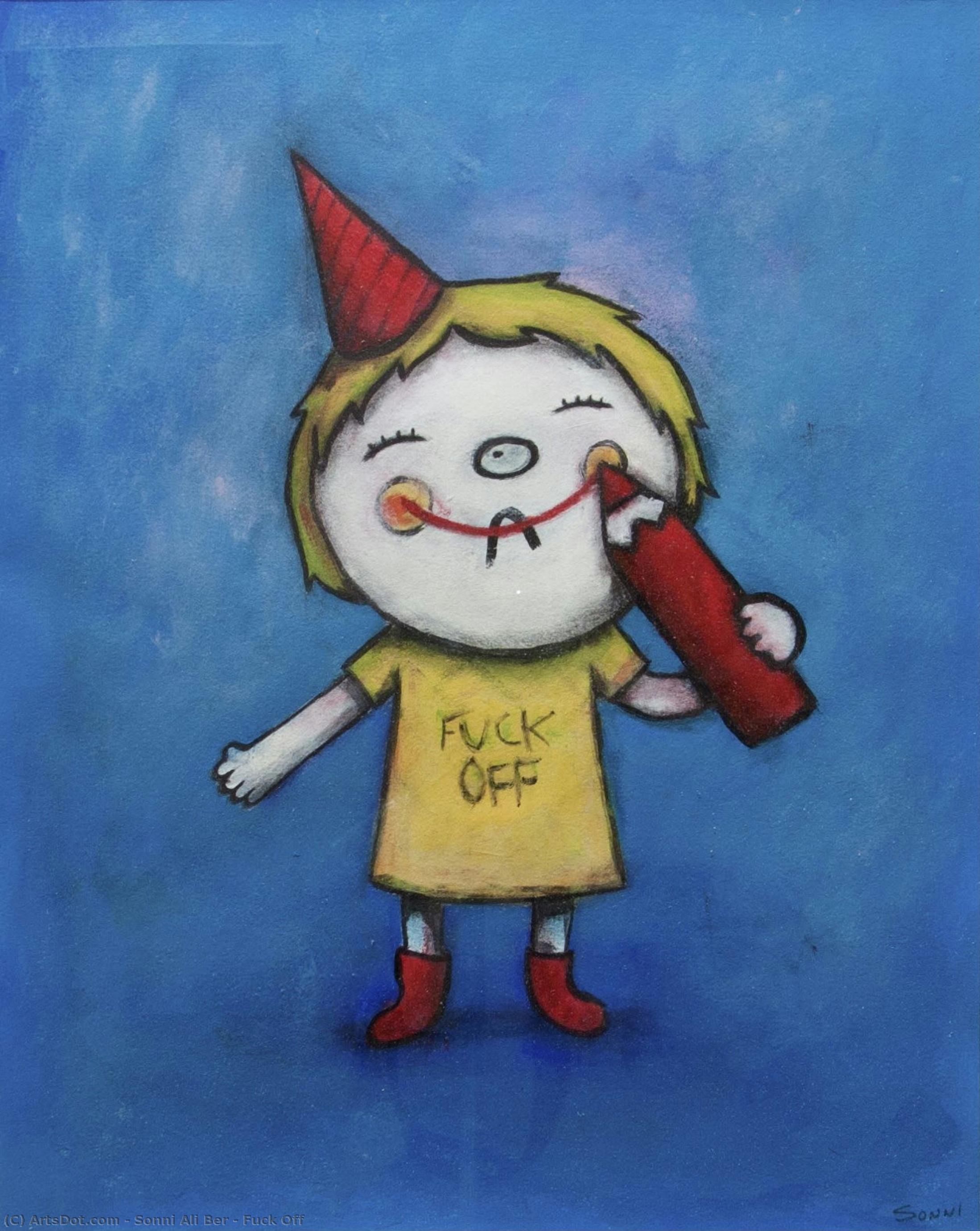
Fuck Off
Acrylic On Paper
Contemporary Art
Contemporary
40.0 x 50.0 cm
Graffitimundo
Koupě vysoce rozlišeného, vylepšeného digitálního obrazu, který je mnohem kvalitnější než online náhled.
Každý soubor je pečlivě připraven našimi odborníky pomocí pokročilých nástrojů a expertní manuální retuše. Zajišťujeme, aby každý obraz disponoval výjimečnou ostrostí, přesnou barevnou věrností a jemnými detaily.
Finální soubor vám bude do 72 hodin zaslán e-mailem, optimalizovaný pro okamžité použití v profesionálním, redakčním i tiskovém prostředí. Nabízíme stejnou kvalitu, které důvěřují špičková designová studia, nakladatelství i galerie.
Digitální obrazy
Stáhněte si soubor ve vysokém rozlišení pro osobní prohlížení, tisk a kreativní projekty. ( Přepnout na tisk
Přepnout na ručně malovanou reprodukci)
Součást každé objednávky digitálního obrazu
Profesionální digitální doručení, zaručeno.
Když si vyberete OriginalUniqueArt.com, nezískáváte pouze obrázek – získáváte digitální umělecké dílo s profesionálně vylepšenými detaily, zpracované s precizností a podpořené zárukou za spokojenost. Zde je vše, co vaše objednávka automaticky obsahuje:
Rychlé doručení e-mailem
Váš digitální obraz ve vysokém rozlišení vám bude zaslán e-mailem do 72 hodin od objednávky – připraven k okamžitému použití.
Digitální soubor s využitím AI
Vaše umělecké dílo je profesionálně optimalizováno pomocí pokročilých nástrojů umělé inteligence a manuální úpravy, což zajišťuje maximální úroveň detailu, ostrosti a přesnosti barev.
Bezplatné doživotní znovuodeslání
Soubor jste omylem smazali nebo ztratili? Žádný problém – kdykoliv vám ho znovu zašleme zcela zdarma.
Bez poplatků za dovoz – navždy
Užijte si své umělecké dílo okamžitě bez celních poplatků, daní nebo nákladů na dopravu – digitální stažení je vždy bez daňových povinností.
Záruka přesnosti barev
Pomocí profesionálních nástrojů a správy barev zajišťujeme, aby váš digitální obraz odrážel původní barvy co nejvěrněji.
60denní záruka spokojenosti
Pokud nebudete s digitální fotografií spokojeni, provedeme její revizi nebo vám vrátíme 100% během 60 dnů – bez jakýchkoliv dotazů.
100% záruka vrácení peněz
Nespokojeni? Získejte plnou částku zpět do 60 dní od přijetí vašeho digitálního souboru – bez jakýchkoliv dotazů.
Slevy při hromadných objednávkách
Koupěte si 3 obrazy, ušetřete 10% - Koupěte si 5, ušetřete 15% - Koupěte si 10+, ušetřete 20%. Ideální pro kreativní projekty, galerie a agentury.
Popis sběratelského kusu
Biografie umělce
Rogier van der Weyden: The Soul of the Northern Renaissance
Rogier van der Weyden, born around 1399/1400 in Tournai, Belgium, and tragically dying in Brussels on June 18, 1464, stands as a towering figure in the history of art – arguably the most influential northern European painter of his era, with Jan van Eyck often cited as his closest rival. His legacy rests not just on technical mastery but on an unparalleled ability to imbue his works with profound emotional depth and psychological realism, qualities that profoundly shaped the trajectory of Northern Renaissance painting. He was initially known as Rogier de la Pasture, a name reflecting his humble origins as the son of a master cutler, a background that likely instilled in him a keen eye for detail and craftsmanship – skills he would later translate into breathtaking artistic achievement.Early Life and Artistic Training
Van der Weyden’s childhood was steeped in the burgeoning mercantile culture of Tournai, a thriving center of trade and craftmanship. While precise details of his early education remain elusive, it's believed he received some form of instruction, possibly even a university education, preparing him for a life beyond the workshop. His artistic journey began not with grand ambition but through an apprenticeship under Robert Campin, the renowned master painter of Tournai – a figure often referred to as the Master of Flémalle. This association proved pivotal; Campin’s meticulous realism and use of atmospheric perspective provided Van der Weyden with a foundational understanding of composition, light, and shadow. The five years spent in Campin's workshop were crucial, allowing him to hone his skills and develop his own distinctive style, though initially mirroring the older master’s approach. It was during this period that he began to subtly introduce elements of his own burgeoning artistic vision – a sensitivity to human emotion and a desire for greater naturalism.Influences and Artistic Development
Van der Weyden's artistic development wasn't solely shaped by Campin; the influence of Jan van Eyck, who visited Tournai in 1427, proved equally significant. Van Eyck’s revolutionary techniques – his mastery of oil paint, his meticulous attention to detail, and his ability to capture the subtle nuances of light and texture – profoundly impacted the young painter. While Rogier remained in Campin's workshop for five years, he likely encountered van Eyck’s work during this time, absorbing its innovative spirit. However, Van der Weyden didn’t simply imitate; he synthesized these influences with his own innate talent, forging a unique style characterized by an extraordinary level of psychological insight and emotional resonance. He moved to Bruges around 1432, where he spent several years, further refining his technique and establishing himself as a respected artist.Key Works and Artistic Style
Van der Weyden’s oeuvre is remarkably diverse, encompassing both religious scenes and portraits – though the majority of his works are found within the realm of sacred subjects. His most celebrated paintings include *The Descent from the Cross* (National Gallery, London), a deeply moving depiction of Christ's fall from the cross, renowned for its emotional intensity and dramatic composition; *The Tribute Money* (Gemäldegalerie Alte Meister, Dresden), showcasing his masterful use of light and shadow to create a sense of realism and drama; and *Lady and Angel* (Kunsthistorisches Museum, Vienna), a poignant portrayal of Mary holding the infant Jesus, imbued with an almost unbearable tenderness. His style is characterized by a profound understanding of human anatomy, a meticulous attention to detail – from the folds of fabric to the texture of skin – and a remarkable ability to convey emotion through subtle gestures and expressions. He employed a pyramidal composition frequently, creating stability and drawing the viewer's eye towards the central figure.Legacy and Historical Significance
Rogier van der Weyden’s influence extended far beyond his own lifetime. His works served as models for generations of artists, particularly in the Netherlands, Spain, and Italy. He is credited with establishing a new standard for realism and emotional expression in Northern Renaissance painting, paving the way for later masters such as Hans Holbein the Younger and Pieter Bruegel the Elder. His paintings were not merely decorative; they were imbued with theological significance and aimed to evoke profound spiritual contemplation in the viewer. Van der Weyden’s legacy endures today, not only through his surviving masterpieces but also through his profound impact on the development of Western art – a testament to the enduring power of his artistic vision and unparalleled skill. His work continues to be studied and admired for its emotional depth, technical brilliance, and lasting contribution to the canon of European art.sonni ali ber
1464 - 1492 , Mali
Stručné informace
- Artistic Movement Or Style: Early Netherlandish art
- Artists Or Movements Influenced By This Artist:
- Flemish art
- Northern Renaissance
- Artists Who Influenced This Artist:
- Robert Campin
- Jan van Eyck
- Date Of Birth: 1399/1400, Tournai
- Date Of Death: June 18, 1464, Brussels
- Full Name: Rogier de la Pasture
- Nationality: Flemish
- Notable Artworks:
- St. Luke Drawing the Virgin
- The Descent from the Cross
- Polyopic Mirror
- Place Of Birth: Tournai, Belgium