- Domů

- Tisk na plátno
- Simone Martini
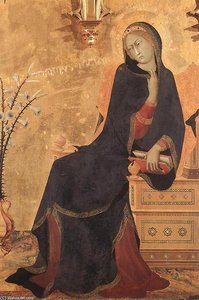
- The Annunciation and Two Saints

 Objednat reprodukci Koupit digitální obrázek
 Sdílet
 Sdílet
 Podrobnosti o díle
 Přidat do oblíbených

 Stáhnout
 Podobné položky
 Rentgenové snímky
 Slideshow
The Annunciation and Two Saints
 Akryl na plátně
- Obrazová tvorba na stěnu
- Early Renaissance
 1333
1333- Renesance
 184.0 x 210.0 cm
 Galleria degli Uffizi
 Zobrazit více
Giclée / Umělecký tisk
Giclée nebo plátěný tisk muzeální kvality s rychlou výrobou a flexibilními možnostmi povrchové úpravy.




P118B $10

P118H $10

P118W $10

P438Z $10

P508JH $12

P508YH $12

P805H $10

P805Z $10

P919BZ $10

P919G $10

P919XJ $10

P959ZH $10

P968JZ $12

W106C $8

W218G $10

W218JH $8

W218Y $10

W307PJ $10

W316G $10

W316PJ $8

W316Y $10

W398PJ $8

W4111J $10

W500HY $15

W500JH $15

W692G $12

W849H $8

W940BG $15

W953PJ $8




Vyberte si z našich přednastavených velikostí, které odpovídají původním proporcím díla.

Můžete zadat vlastní rozměry tak, aby výtvor odpovídal konkrétnímu rámu nebo prostoru. Pokud zvolená velikost nebude odpovídat poměru stran původního obrazu, dílo buď ořížeme, nebo obraz rozšíříme pomocí zrcadlového efektu či jednobarevného okraje. Před zahájením výroby vám bude zaslán digitální náhled k schválení.
Mějte prosím na paměti, že náhled na obrazovce neodráží skutečné oříznutí nebo rozšíření. Pouze digitální náhled přesně zobrazí finální kompozici.
Ačkoliv jsou k dispozici i vlastní rozměry, pro zachování původních proporcí doporučujeme vybrat si rozměr z předdefinovaného seznamu.
Celosvětové doručení () do 2 týdnů namísto standardních 4/5 týdnů. (20 červenec)

Zdarma celosvětová expresní doprava

Vysoce kvalitní lněné plátno

Kompletní přepravní pojištění

Záruka vrácení celního poplatku

Záruka přesného barevného shodu

60denní lhůta pro vrácení zboží (pouze při vadách výroby)

100% garance vrácení peněz

Sleva při hromadné objednávce
 Skleněná varianta je dostupná pouze u rozměrů menších než 110 cm

The Annunciation and Two Saints
Giclée / Umělecký tisk
Rozměry reprodukce
-


Celková cena za výběr
-
Popis sběratelského kousku
A Symphony of Faith and Refinement: Exploring Simone Martini’s The Annunciation
Simone Martini's *The Annunciation and Two Saints*, painted in 1333, transcends mere depiction; it embodies the very essence of early Renaissance artistic ambition. Executed in tempera on panel—a medium prized for its luminosity and durability—this monumental artwork (184 x 210 cm) resides within the Galleria degli Uffizi in Florence, Italy, a testament to its enduring significance within Italian art history. Its fame stems not only from its exquisite craftsmanship but also from its profound theological contemplation and masterful stylistic innovation.The Composition: A Delicate Balance of Divine Presence
At first glance, the painting presents a serene tableau centered around Mary Magdalene, seated gracefully on a bench—a deliberate choice reflecting the prevailing aristocratic ideals of the period. Beside her stand two angels, rendered with astonishing precision and imbued with palpable emotion. Their hands outstretched, they offer flowers – lilies symbolizing purity and resurrection – to Mary, establishing a visual dialogue between earthly humility and celestial grace. The inclusion of kneeling figures underscores the importance of piety and devotion within medieval Christian belief. Furthermore, subtle gestures and facial expressions convey nuanced emotions, demonstrating Martini’s unparalleled ability to capture psychological depth within his artistic endeavors.Technique: Tempera's Brilliance – A Masterful Achievement
Martini’s mastery lies in his meticulous application of tempera paint—a technique demanding painstaking layering and blending. Unlike oil paints which offer flexibility and gradual build-up, tempera dries quickly, resulting in vibrant colors and unparalleled detail. The artist skillfully utilized glazing techniques—applying thin translucent layers over opaque pigments—to achieve a breathtaking luminosity that captures the ethereal quality of divine light. Observe particularly the intricate drapery folds and the subtle gradations of color within the architectural backdrop – likely inspired by Florentine Gothic churches – highlighting Martini’s dedication to recreating realistic textures and spatial depth.Historical Context: Siena's Artistic Renaissance
The painting emerged from Siena, a city experiencing a burgeoning artistic revival fueled by papal patronage and mercantile prosperity. Simone Martini was deeply embedded in this cultural milieu, collaborating closely with Lippo Memmi on monumental frescoes within the Oratorio di San Lorenzo in Ponte—a project that cemented Siena’s reputation as a beacon of artistic innovation. This context illuminates Martini's stylistic choices – his embrace of elegance and refinement – mirroring the broader humanist movement gaining momentum across Europe during this era. The artwork reflects the anxieties and aspirations of its time, grappling with questions of faith, beauty, and human dignity.Symbolism: Flowers of Hope Amidst Sacred Narrative
Beyond its visual splendor, *The Annunciation* is laden with symbolic meaning. Lilies, as mentioned earlier, represent purity and resurrection—themes central to Christian theology. The angels’ flowers serve not merely as decorative elements but as conduits for divine grace, conveying the promise of salvation and eternal life. Martini's careful consideration of symbolism elevates the painting beyond a simple depiction of biblical narrative; it invites contemplation on spiritual truths and reinforces the viewer’s understanding of Christian faith.Emotional Impact: A Moment Frozen in Time
Ultimately, *The Annunciation and Two Saints* succeeds in transporting us back to 14th-century Siena—capturing not just an image but a feeling. The painting's serene beauty evokes a sense of tranquility and reverence, prompting reflection on themes of faith, humility, and divine grace. Its meticulous detail compels admiration for Martini’s artistic skill while simultaneously fostering empathy for the spiritual concerns of his time. Reproductions by OriginalUniqueArt.com allow art lovers to experience this masterpiece anew, preserving its timeless allure for generations to come.Biografie umělce
A Sienese Master of Elegance and Grace
Simone Martini, born around 1284 in the heart of Siena, Italy, stands as a pivotal figure in the transition from medieval to Renaissance art. He wasn’t merely a painter; he was an architect of elegance, a master of line and color who infused his works with a courtly refinement that distinguished him from contemporaries like Giotto. While historical accounts vary regarding his early training—some suggest apprenticeship under Duccio di Buoninsegna, the leading Sienese artist of the time, while others point to Florence and the influence of Giotto—Martini undeniably forged a unique artistic path. His brother-in-law, Lippo Memmi, was also an artist with whom he frequently collaborated, further enriching the vibrant artistic landscape of Siena. The city itself played a crucial role in shaping Martini’s aesthetic; Siena, a thriving center of commerce and culture, fostered an environment where art flourished, blending religious devotion with worldly sophistication.
The Flourishing of International Gothic
Martini's style is immediately recognizable for its departure from the more monumental forms favored in Florence. He embraced a delicate sensibility, characterized by flowing lines, soft decorative details, and an overall sense of grace. This aesthetic wasn’t born in isolation; it was profoundly influenced by external forces. The Via Francigena, a major pilgrimage route traversing Europe, brought with it artistic currents from France—particularly the refined elegance of French manuscript illumination and ivory carving. These influences are readily apparent in Martini's work, manifesting as intricate patterns, elongated figures, and a heightened attention to surface ornamentation. He didn’t simply copy these styles; he synthesized them with existing Sienese traditions, creating something entirely new. His paintings weren’t merely representations of religious scenes but rather elegant narratives imbued with emotional depth and visual poetry.
From Siena to Avignon: A Courtly Appointment
Martini's reputation extended beyond the borders of Italy, leading to a significant turning point in his career. In 1336, he accepted a commission from Pope Benedict XII to create frescoes for the Papal Palace in Avignon, France—a move that placed him at the heart of European power and patronage. This appointment wasn’t merely about artistic skill; it was a testament to Martini's ability to cater to the tastes of a sophisticated courtly audience. While in Avignon, he entered into a remarkable intellectual circle, befriending Francesco Petrarca—better known as Petrarch, the renowned humanist poet. The connection with Petrarch is particularly poignant, as Vasari and other sources suggest that Martini painted a portrait of Laura de Noves, Petrarch’s lifelong muse. Though the portrait itself is lost to time, its very existence speaks volumes about Martini's status as a celebrated artist capable of capturing not only physical likeness but also the essence of beauty and inspiration. The Annunciation with St. Margaret and St. Ansanus, created during his time in Florence before moving to Avignon, is a testament to this period, showcasing delicate beauty and refined aesthetic.
Major Works and Techniques
Martini’s artistic output spanned a wide range of subjects and formats, reflecting his versatility and mastery of technique. His most celebrated works include the *Maestà* fresco in the Palazzo Pubblico, Siena—a monumental depiction of the Virgin Mary with the Child and a host of saints that exemplifies the International Gothic style; the *Annunciation* triptych for the Siena Cathedral, renowned for its exquisite detail and emotional intensity; and the equestrian portrait of Guidoriccio da Fogliano, a powerful symbol of Sienese civic pride. Martini’s technical skill was equally impressive, characterized by his mastery of color, line, and perspective—elements that he skillfully combined to create works of breathtaking beauty and visual impact. His use of gold leaf, vibrant pigments, and intricate decorative details contributed significantly to the opulent and luxurious aesthetic of his paintings.
Legacy and Enduring Influence
Simone Martini’s impact on the development of European art cannot be overstated. He played a crucial role in disseminating the International Gothic style—a movement characterized by its elegance, refinement, and emphasis on decorative detail—across the continent. His influence extended to generations of artists who followed, shaping the course of late medieval and early Renaissance painting. Martini’s work wasn’t simply about technical skill; it was about creating a visual language that resonated with the sensibilities of his time—a language of beauty, grace, and spiritual devotion. Even today, his paintings continue to captivate viewers with their exquisite detail, harmonious compositions, and enduring sense of elegance. His frescoes in San Francesco d’Assisi demonstrate his mastery of large-scale decorative painting, while works like the Saint Catherine of Alexandria Polyptych showcase his unparalleled command of color and form. Simone Martini died in Avignon in 1344, leaving behind a legacy that continues to inspire awe and admiration centuries later—a testament to the enduring power of art to transcend time and touch the human spirit.

Simone Martini
1284 - 1344 , Itálie
Rychlé fakta
- Artistic Movement Or Style: Mezinárodní gotika
- Artists Or Movements Influenced By This Artist: ['Mezinárodní gotika']
- Artists Who Influenced This Artist:
- Duccio di Buoninsegna
- Giotto di Bondone
- Date Of Birth: c. 1284
- Date Of Death: 1344
- Full Name: Simone Martini
- Nationality: Italština
- Notable Artworks:
- Annunciace
- Maestà
- St. Louis
- Place Of Birth: Siena, Itálie
Související články
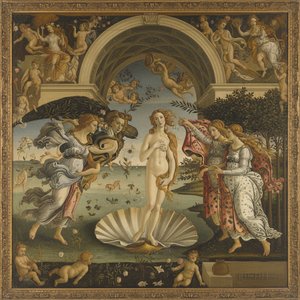
Sandro Botticelli: Top 25 mistrovských děl pro váš domov | OriginalUniqueArt.com
Objevte top 25 mistrovských děl Sandra Botticelliho! Prozkoumejte renesanční umění, ikonické obrazy jako Zrození Venuše a Primavera. Kvalitní reprodukce obrazů pro váš interiér na OriginalUniqueArt.com
25 Mistrovských Děl Alte Pinakothek: Umění a Krása pro Váš Domov | OriginalUniqueArt
Prozkoumejte 25 ikonických děl Alte Pinakothek v Mnichově! Obrazy Da Vinciho, Rembrandta a Rubense ožívají. Inspirujte se pro váš interiér s reprodukcemi nejvyšší kvality na OriginalUniqueArt.com.
25 Mistrovských Děl Metropolitního Muzea: Umění pro Vaši Inspiraci | OriginalUniqueArt
Prozkoumejte 25 ikonických děl z Metropolitního muzea v New Yorku! Objevte příběhy Van Gogha, Moneta a dalších mistrů. Reprodukce obrazů pro váš interiér na OriginalUniqueArt.com.
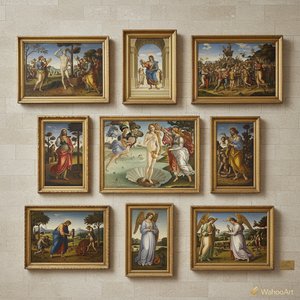
10 mistrovských děl rané renesance: Obrazy a umělci, kteří změnili svět
Objevte 10 ikonických děl rané renesance – od Botticelliho po Leonarda da Vinci. Ponořte se do příběhů mistrů a jejich techniky. Najděte inspiraci pro váš interiér s reprodukcemi nejvyšší kvality na OriginalUniqueArt.com
25 Mistrovských Děl Národní Galerie Umění ve Washingtonu | Inspirace pro Váš Domov
Objevte 25 ikonických děl Národní galerie umění ve Washingtonu! Prozkoumejte příběhy Cézanna, Matisse a Picassa. Inspirace pro váš interiér s reprodukcemi obrazů nejvyšší kvality na OriginalUniqueArt.com.