
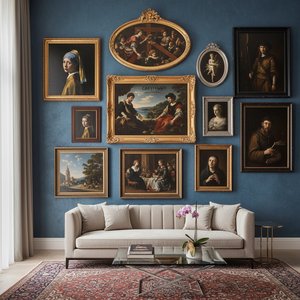
 Náhled v interiéru
 Sdílet
 Sdílet
 Podrobnosti o díle
 Průvodce

 Stáhnout
 Podobné položky
 Rentgenové snímky
 Slideshow
 Otázky a odpovědi
 Statistiky
Death of Dido

- 159.0 x 137.0 cm


 Zobrazit více
Giclée / Umělecký tisk
Giclée nebo plátěný tisk muzeální kvality s rychlou výrobou a širokou nabídkou povrchových úprav. ( Koupit ručně malovaný obraz Přepnout na digitální obraz)




P118B Kč10

P118H Kč10

P118W Kč10

P438Z Kč10

P508JH Kč12

P508YH Kč12

P805H Kč10

P805Z Kč10

P919BZ Kč10

P919G Kč10

P919XJ Kč10

P959ZH Kč10

P968JZ Kč12

W106C Kč8

W218G Kč10

W218JH Kč8

W218Y Kč10

W307PJ Kč10

W316G Kč10

W316PJ Kč8

W316Y Kč10

W398PJ Kč8

W4111J Kč10

W500HY Kč15

W500JH Kč15

W692G Kč12

W849H Kč8

W940BG Kč15

W953PJ Kč8




Vyberte si z našich přednastavených velikostí, které odpovídají původním proporcím díla.

Zadejte šířku a výšku, které potřebujete pro váš rám nebo stěnu. Tisk lze pouze oříznout, nikdy však nelze zvětšit obraz nad jeho původní rozměr, proto při výběru jiného formátu dochází ke ztrátě části obrazu. Před samotným tiskem vám zašleme digitální náhled k schválení. Obraz zobrazený na této stránce nenabízí skutečný výřez — ten uvidíte pouze v náhledu.
Celosvětové doručení () do 2 týdnů namísto standardních 4/5 týdnů. (5 listopad)

Zdarma celosvětová expresní doprava

Vysoce kvalitní lněné plátno

Kompletní pojištění přepravy

Záruka vrácení celního poplatku

Záruka věrného barevného souladu

100dení lhůta pro vrácení zboží (pouze při vadách výroby)

100% záruka vrácení peněz

Sleva při více objednávkách
 Skleněná varianta je dostupná pouze u rozměrů menších než 110 cm

Death of Dido
Giclée / Umělecký tisk
Rozměry reprodukce
-


Celková cena za vybrané možnosti reprodukcí
Kč 1756
The Tragic Beauty of "Death of Dido": A Baroque Masterpiece
Sébastien Bourdon’s “Death of Dido,” painted in 1637, is not merely a depiction of a legendary queen's demise; it’s a profound exploration of grief, betrayal, and the immutable power of fate. This monumental oil on canvas, measuring an impressive 159 x 137 cm, resides within the State Hermitage Museum in St. Petersburg, a testament to its enduring artistic merit. Bourdon, a pivotal figure in the Baroque movement, masterfully captures the raw emotion of this poignant scene drawn from Virgil’s epic poem, the Aeneid, transforming a classical narrative into a deeply resonant visual experience.
The composition immediately commands attention. Dido, draped in a flowing blue gown, lies supine on her bed, a sword poised delicately in her hand – an instrument of both destruction and liberation. Her face, etched with sorrow and defiance, is turned towards the departing ships of Aeneas, symbolizing the irrevocable loss of love and the end of her reign. Around her, a carefully orchestrated group of mourners—servants, women, and even a partially visible figure presumed to be her brother Acerbas – react with varying degrees of grief and shock. The scene is bathed in a dramatic chiaroscuro, characteristic of Bourdon’s style and deeply influenced by the Venetian masters he admired during his time in Rome. Light streams dramatically from an unseen source, highlighting Dido's form while casting deep shadows across the room, intensifying the sense of tragedy and despair.
A Story of Betrayal and Divine Intervention
The narrative itself is steeped in myth and heartbreak. Dido, a Phoenician princess, founded Carthage after fleeing persecution in Tyre. She fell passionately in love with Aeneas, a Trojan prince destined to found Rome. However, fate intervened – or so it seemed – as Aeneas was compelled by the gods to fulfill his destiny and leave her behind. The painting vividly portrays this moment of agonizing separation, capturing the devastating consequences of divine decree and human ambition. The inclusion of Mercury, the messenger god, subtly alluded to in the composition through a glimpse of his winged sandals amongst the departing ships, reinforces the notion that Dido’s fate was predetermined.
Bourdon's artistic choices are laden with symbolic meaning. The two vases positioned strategically within the scene – one on the left and another on the right – aren’t simply decorative elements; they likely represent offerings to the gods, acknowledging the role of divine forces in shaping Dido’s tragic end. The stark contrast between the vibrant colors of her gown and the muted tones of the surrounding figures further emphasizes her isolation and vulnerability. The overall effect is a powerful meditation on loss, duty, and the inescapable nature of destiny.
Bourdon's Baroque Vision
Sébastien Bourdon’s artistic journey was profoundly shaped by his time in Rome, where he encountered the revolutionary techniques of Caravaggio. Bourdon expertly employed *tenebrism*, a dramatic use of light and shadow, to create an atmosphere of intense emotionality. This technique, combined with his masterful rendering of textures – from the flowing fabric of Dido’s gown to the rough stone of the room – imbues the painting with remarkable realism and immediacy. His brushwork is loose and expressive, conveying a sense of urgency and movement that mirrors the drama unfolding within the scene.
Furthermore, Bourdon's understanding of classical composition—inherited from his training in France—is evident in the carefully balanced arrangement of figures and objects. The pyramidal structure of the composition draws the viewer’s eye towards Dido’s central form, while the diagonal lines created by the departing ships and her outstretched hand contribute to a dynamic sense of movement and instability. This masterful blend of classical principles and Baroque dynamism is what elevates “Death of Dido” beyond a simple historical depiction into a timeless work of art.
A Legacy of Dramatic Emotion
“Death of Dido” remains a compelling example of the emotional intensity that characterized the Baroque period. Bourdon’s ability to translate a complex mythological narrative into a visually arresting and emotionally resonant image is truly remarkable. The painting continues to captivate viewers with its depiction of profound sorrow, betrayal, and the enduring power of love—a testament to the artist's skill and the timelessness of the story he so powerfully portrays. Reproductions of this masterpiece offer an opportunity to experience the drama and beauty of Bourdon’s vision in a way that transcends time and space.
Otázky a odpovědi
Kde mohu najít statistiky k dílu „Death of Dido“ od Sébastien Bourdon?
Pro dílo „Death of Dido“ je k dispozici stránka Statistiky. Zobrazuje měsíční počet návštěv tohoto díla i dalších děl daného umělce s rozpadem podle zemí a jazyků.
Kdo vytvořil "Death of Dido"?
Autorem díla „Death of Dido“ je Sébastien Bourdon. Práce je v katalogu uvedena pod jménem Sébastien Bourdon.
Kdo prodává ručně malované kopie díla „Death of Dido“ od Sébastien Bourdon?
„Death of Dido“ je dostupná jako ručně malovaná olejová reprodukce na lněném plátně. Objednávku můžete zadat na její stránce Ručně malovaná reprodukce, kde si můžete vybrat z různých rozměrů.
Biografie umělce
Mistr světla a všestrannosti: Život Sébastiena Bourdona
Sébastien Bourdon (1616–1671) zůstává jednou z nejuchopitelnějších a nejvíce mnohacených postav francouzského baroka sedmnáctého století. Narodil se v Montpellieru do protestantské rodiny umělců, přičemž jeho raný život formovaly živé, leč často bouřlivé umělecké tradice jižní Francie. Jeho cesta od mladého učedníka až po zakladající člena Académie Royale de Peinture et de Sculpture je svědectvím o hlubokém, neklidném intelektu a bezprecedentní schopnosti vstřebávat stylistické proudy celé Evropy. Po prvotním výcviku v Paříži Bourdonova cesta vedla přes Bordeaux a Toulouse až k duchovnímu a uměleckému srdci kontinentu: do Říma. Právě v Itálii jeho talent skutečně vzplanul, když se plně ponořil do děl mistrů jako Caravaggio, Nicolas Poussin a Claude Lorrain. Toto období intenzivního studia mu umožnilo vyvinout si unikátní vizuální jazyk – schopnost plynule přecházet od syrového, dramatického realismu caravaggistů k zářivé, klasické eleganci benátské školy.Evoluce stylu a techniky
To, co skutečně odlišuje Bourdonovo dílo, je jeho neuvěřitelná stylistická fluidita, vlastnost, která u jeho současníků vyvolávala jak obdiv, tak i kritiku. Jeho vývoj byl poznamenán sérií transformativních setkání s různými evropskými tradicemi. Po zásadní návštěvě Benátek prošla jeho paleta hlubokou metamorfózou; ostřejší kontrasty z jeho raného výcviku ustoupily bohatšímu, atmosféričtějšímu využití barvy inspirovanému benátskými mistry. Tato evoluce mu umožnila mistrovsky pohybovat se mezi nesourodými žánry. V portrétní malbě často přijímal rubensovský přístup nebo upřednostňoval intimní bustové kompozice, které zachycovaly psychologickou hloubku a eleganci svých subjektů, jako je například švédská šlechtična v obraze Comtesse Ebba Sparre. Naopak jeho náboženská díla využívala dramatické chiaroscuro k vyvolání duchovního úžasu, což je nejvýrazněji patrné v jeho monumentálním mistrovském díle, Ukřižování svatého Petra, vytvořeném pro katedrálu Notre Dame.Odkaz a historický význam
Kromě svých jednotlivých pláten sehrál Bourdon klíčovou roli v institucionalizaci francouzského umění. Jako spoluzakladatel Královské akademie v roce 1648 pomohl nastavit standardy excelence, které budou francouzskou malbu definovat po celé generace. Jeho kariéra byla také charakteristická neobyčejnou šíří působení; jeho pověst předního portrétisty ho dovedla na dvůr královny Kristiny Švédské, kde sloužil jako dvorský malíř a přinesl sofistikovanou estetiku Paříže a Říma až do Stockholmu. Ať už zachycoval děsivou napětí v obraze Mojsíš a měděný had nebo klidnou velkolepost klasické krajiny, Bourdonovo dílo ztělesňuje dvojí ducha éry baroka: intenzivní emocionální drama lidské existence i vyvážený, intelektuální snud o klasické kráse. Jeho schopnost syntetizovat naturalistické tradice Francie s monumentálními styly Itálie mu zajišťuje trvalé místo v panteonu evropské historie umění.
Sébastien Bourdon
1616 - 1671 , Francie
Rychlé informace o umělci
- Artistic Movement Or Style: Baroko
- Artists Or Movements Influenced By This Artist: ['Francouzské barokní umění']
- Artists Who Influenced This Artist:
- Nicolas Poussin
- Claude Lorrain
- Caravaggio
- Date Of Birth: 2. února 1616
- Date Of Death: 8. května 1671
- Full Name: Sébastien Bourdon
- Nationality: Francouzská
- Notable Artworks:
- Ukřižování svatého Petra
- Svržení z kříže
- Place Of Birth: Montpellier, Francie
Související články

Barokní mistrovská díla: 10 obrazů, které definovaly umělecký styl | OriginalUniqueArt.cz
Objevte 10 ikonických děl barokního umění – od Caravaggia po Rembrandta. Ponořte se do příběhů mistrů, technik a emocí tohoto velkolepého období. Reprodukce obrazů nejvyšší kvality na OriginalUniqueArt.com! Prozkoumejte celou kolekci online.

The Visceral Stage: Exploring Dramatic Narratives & Emotional Intensity in Baroque Art
Explore the dramatic world of Baroque art! Discover iconic masters like Caravaggio & Rembrandt, their techniques, and the movement's lasting impact. Expert insights for collectors & enthusiasts at OriginalUniqueArt.

The Dramatic Flourish: Exploring the Baroque Movement's Enduring Legacy in Art History
Explore the dramatic world of Baroque art! Discover iconic artists like Caravaggio & Rubens, defining techniques, and its lasting impact on art history. Expert insights for collectors & enthusiasts at OriginalUniqueArt.
Barokní malba: 10 mistrovských děl, které definovaly éru | OriginalUniqueArt.cz
Prozkoumejte 10 ikonických děl barokní malby – od Rembrandta po Caravaggia. Objevte příběhy mistrů, techniky a dramatickou krásu tohoto uměleckého období. Reprodukce obrazů nejvyšší kvality na OriginalUniqueArt.cz! Prohlédněte si celou kolekci online.

Theatricality & Triumph: Baroque Drama in Painting & Sculpture
Explore the dramatic world of Baroque art! Discover its history, defining characteristics, & lasting influence on painting & sculpture. Expert insights into Caravaggio, Zurbarán, and Bernini – plus high-quality reproductions at OriginalUniqueArt.