Renaissance
St. Jerome (Sandro Botticelli)
Sandro Botticelli (1445–1510) vytvořil dílo St. Jerome. Patří k hnutí Renaissance. Je vyrobeno z Oil On Panel. Nachází se v Státní Ermitáž v Sankt-Petěrburg, Rusko.
- Oil On Panel
- Státní Ermitáž, Sankt-Petěrburg

 Náhled v interiéru

 Ručně malovaná olejná reprodukce
 Sdílet
 Sdílet
 Informační list


 Stáhnout
 Podobné položky
 Rentgenové snímky
 Slideshow
 Otázky a odpovědi

 Statistiky
St. Jerome v kostce
- Název díla
- St. Jerome
- Autor
- Sandro Botticelli (1445–1510)
- Rok narození umělce
- Florencie, Itálie
- Technika
- Oil On Panel
- Kde jej vidět
- Státní Ermitáž, Sankt-Petěrburg, Rusko
- Pohyb
- Renaissance
- Období
- Renaissance
- Motiv
- religious lamentation, medieval grief scene, renaissance figures, classical composition, memento mori theme, oil painting technique
Co przedstawuje dílo St. Jerome?
A Moment of Profound Grief: Exploring Botticelli’s *St. Jerome*
Sandro Botticelli's *St. Jerome*, a poignant depiction of sorrow and contemplation, offers a captivating glimpse into the artistic sensibilities of the Early Renaissance. While often overshadowed by his more celebrated mythological works like *The Birth of Venus*, this painting reveals Botticelli’s mastery of religious iconography and emotional depth.
Subject & Narrative
- A Scene of Lamentation: Though initially identified as the Lamentation, recent scholarship suggests this work depicts St. Jerome in his final moments, receiving communion before death. The central figure, surrounded by mourners, is likely not Joseph of Arimathea but figures expressing grief over the saint’s impending passing.
- St. Jerome – A Scholar and Ascetic: Saint Jerome (c. 347–420 AD) was a prominent theologian and translator of the Bible into Latin (the Vulgate). His life, marked by both scholarly pursuits and periods of intense asceticism, makes him a compelling subject for artistic representation.
- Setting the Stage: The rocky, cave-like setting evokes a sense of seclusion and spiritual retreat. This isolated location emphasizes the solemnity of the occasion and invites contemplation on mortality.
Artistic Style & Technique
- Renaissance Linearity: Botticelli’s style is characterized by elegant, flowing lines that define forms with precision. This linearity bridges the gap between the late Gothic and Early Renaissance aesthetics.
- Oil on Panel – A Flourishing Medium: Executed in oil on panel, the technique allows for subtle gradations of color and a smooth application of paint, enhancing the realism of the figures and drapery.
- Subdued Palette & Dramatic Lighting: The painting employs a subdued color palette, dominated by earth tones and muted hues. This is contrasted with dramatic lighting that highlights the central figure and casts shadows, intensifying the emotional impact.
- Perspective & Composition: While perspective isn’t fully developed as in later Renaissance works, Botticelli utilizes layering and overlapping forms to create a sense of depth within the confined space. The composition draws the viewer's eye towards St. Jerome through strategic arrangement and contrast.
Symbolism & Iconography
- Mortality & Remembrance: Symbolic elements, such as a skull (a *memento mori*), serve as reminders of human mortality and the transient nature of life.
- Religious Devotion: The act of receiving communion underscores St. Jerome’s unwavering faith and devotion to God in his final moments.
- The Mourners: The surrounding figures represent the grief and sorrow felt by those witnessing the saint's passing, emphasizing the human cost of spiritual dedication.
Historical Context & Legacy
- Florentine Renaissance: Created during the vibrant artistic climate of Florence in the late 15th century, *St. Jerome* reflects the humanist ideals and religious fervor of the period.
- Botticelli’s Diverse Oeuvre: While renowned for his mythological paintings, Botticelli also produced numerous religious works, demonstrating his versatility as an artist.
- Rediscovery & Appreciation: Like many Renaissance masters, Botticelli's work experienced a period of relative obscurity before being rediscovered and celebrated by the Pre-Raphaelites in the 19th century.
Emotional Impact & Interpretation
St. Jerome* evokes feelings of profound sadness, reverence, and contemplation. The painting invites viewers to reflect on themes of mortality, faith, and the human condition. Its quiet intensity and masterful execution make it a compelling work of art that continues to resonate with audiences today.
Ve kterém muzeu se nachází St. Jerome?
Státní Ermitáž
Sankt-Petěrburg, Rusko
Původy a historie Hermitáže Příběh Hermitáže začal v roce 1764. Jeho kořeny sahají až k významnému pořízení sbírky 225 obrazů od berlínského obchodníka Johanna Ernsta Gotzkowskyho. Právě Kateřina Veliká položila první kameny pod tuto sbírku a tím definitivně upevnila významné postavení muzea v ruském Petrogradě.


Vysokorozlišené fotografie díla St. Jerome
Sandro Botticelli, St. Jerome, Státní Ermitáž. Veřejná doména
Odpovědi na otázky k dílu St. Jerome
Kde je dnes možné vidět dílo „St. Jerome“ od Sandro Botticelli?
Originál díla „St. Jerome“ od Sandro Botticelli je uložen v instituci Státní Ermitáž, Sankt-Petěrburg, Rusko. Reprodukce však umožňuje toto dílo vystavit i ve vašem domově.
Jakou techniku bylo použito pro dílo „St. Jerome“ od Sandro Botticelli?
Sandro Botticelli pro dílo „St. Jerome“ použil/a techniku Oil On Panel. Tato technika definuje materiální podstatu originálního díla.
Jaká témata se objevují v díle „St. Jerome“ od Sandro Botticelli?
Témata obsažená v díle „St. Jerome“ od Sandro Botticelli zahrnují religious lamentation, medieval grief scene, renaissance figures, classical composition, memento mori theme, oil painting technique, symbolic imagery. Tato témata společně shrnují obsah celého uměleckého díla.
Je dílo „St. Jerome“ volné z autorských práv?
Co se týče autorských práv, dílo "St. Jerome" spadá do v rámci volného užití – autorská práva vypršela.
K kterému umělci je dílo "St. Jerome" připisováno?
Autorem díla „St. Jerome“ je Sandro Botticelli. Práce je v katalogu uvedena pod jménem Sandro Botticelli.
K kterému uměleckému směru patří „St. Jerome“ od Sandro Botticelli?
Dílo „St. Jerome“ od Sandro Botticelli patří k období směru Renaissance, který dílu dodává jeho stylistický kontext.
Do které éry tvorby Sandro Botticelli spadá dílo "St. Jerome"?
V rámci kariéry umělce Sandro Botticelli spadá dílo „St. Jerome“ do období Mature Renaissance. Tato fáze umožňuje jeho srovnání s dalšími díly tohoto umělce.
Proč má dílo „St. Jerome“ právě takový autorský status?
Dílo „St. Jerome“ od Sandro Botticelli spadá do v rámci volného užití – autorská práva vypršela. Autorská práva se počítají od roku úmrtí autora; Sandro Botticelli zemřel(a) v roce 1510.
Nachází se dílo "St. Jerome" v zemi svého autora?
Ne – dílo se nachází v zahraničí. Dílo „St. Jerome“ je uloženo v zemi Rusko, zatímco Sandro Botticelli se narodil(a) v zemi Itálie.
O umělci, Sandro Botticelli
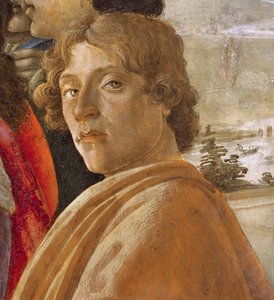
1445–1510, Itálie
Sandro Botticelli
Život Sandro Botticelli Sandro Botticelli prožil svůj život v úzkých, pulzujících životem ulicích italské Florencie. Narodil se jako Alessandro di Mariano di Vanni Filipepi kolem roku 1445 jako syn koženáře. Jeho rodina žila v oblasti Ognissanti, místě, které mu zůstalo blízké po celý jeho život. Postupem času se stal známým pod jménem Botticelli, což je přezdívka odvozená od slova botticello, které označuje malé sudelce na víno.
O umělci Sandro Botticelli Významná díla umělce Sandro Botticelli
Také od autora Sandro Botticelli
 Zrození Venuše1485
 Jaro1482
 Venuše a Mars1483
 Adorace Ježíše Krista poutníky
Eseje k tématu St. Jerome
 25 Masterpieces by Sandro Botticelli: The Ultimate Guide to Renaissance BeautyJourney through the ethereal beauty of Sandro Botticelli's greatest works. From The Birth of Venus to his mythic Renaissance masterpieces, …
 The Scholar and the Hermit: Examining the Iconography of Saint Jerome in Renaissance and Baroque ArtExplore the profound iconography of Saint Jerome through Renaissance and Baroque masters. Discover the secrets of sacred art history now.
 Master of Shadow: The Top 25 Essential Artworks by Jusepe de RiberaExplore 25 iconic works by Jusepe de Ribera. Master the drama of Baroque tenebrism. Discover all masterpieces on OriginalUniqueArt.com.