Velikost textu

() ·

Obraz vytvořený ručně přímo pro vás

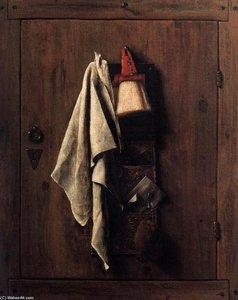
Old Man Looking Through a Window

Ručně malovaná olejová reprodukce

Rukou malované olejné plátno v libovolném rozměru i s rámem, vyrobené našimi umělci na zakázku. ( Přepnout na tisk Přepnout na digitální obraz)

Popis sbírného předmětu

Experience the Baroque drama of Samuel Dirksz van Hoogstraten's Old Man Looking Through a Window; explore this masterful study of isolation from the Dutch Golden Age.

Biografie umělce

Samuel van Hoogstraten (1627-1678): Nizozemský malíř doby baroka známý iluzivní technikou, perspektivami a teoretickými díly o umění.

od ·

Kapitola 1

Jak velká by měla být?

Posunout pro změnu velikosti; obrázek vlevo zobrazuje rám v jeho skutečné šířce. Zachovávají se původní proporce.

Standardní velikost
na zakázku
CM
INCH

Vyberte si z našich přednastavených velikostí, které odpovídají původním proporcím díla.

šířka
výška

Zadejte šířku a výšku, které potřebujete pro váš rám nebo stěnu. Protože se jedná o ruční malbu, při výběru jiného formátu může umělec kolem obrazu domalovat o něco více, nebo jej mírně oříznout — rozhodnete si vy. Před zahájením malby vám zašleme digitální náhled ke schválení. Obraz zobrazený na této stránce neodpovídá skutečnému výsledku — pouze digitální náhled jej zobrazuje.

Kapitola 2

Jak má být doručeno?

Vyberte si okraje plátna

Vyberte si rámeček

Corner sample of the WhiteWrap canvas edge finish, stretched on masivní dřevo bars
Bílé okraje Kč1
Corner sample of the BlurSideWrap canvas edge finish, stretched on masivní dřevo bars
Rozostřené okraje Kč1
Corner sample of the ExtendedWrap canvas edge finish, stretched on masivní dřevo bars
Prodloužené okraje Kč1
Corner sample of the P118B picture frame: tvarovaný polystyren, 5 cm wide and 3 cm thick
P118B Kč10
Corner sample of the P118H picture frame: tvarovaný polystyren, 5 cm wide and 3 cm thick
P118H Kč10
Corner sample of the P118W picture frame: tvarovaný polystyren, 5 cm wide and 3 cm thick
P118W Kč10
Corner sample of the P438Z picture frame: tvarovaný polystyren, 5.5 cm wide and 3.5 cm thick
P438Z Kč10
Corner sample of the P508JH picture frame: tvarovaný polystyren, 7 cm wide and 3.5 cm thick
P508JH Kč12
Corner sample of the P508YH picture frame: tvarovaný polystyren, 7 cm wide and 3.5 cm thick
P508YH Kč12
Corner sample of the P805H picture frame: tvarovaný polystyren, 5 cm wide and 3.5 cm thick
P805H Kč10
Corner sample of the P805Z picture frame: tvarovaný polystyren, 5 cm wide and 3.5 cm thick
P805Z Kč10
Corner sample of the P919BZ picture frame: tvarovaný polystyren, 7 cm wide and 3.5 cm thick
P919BZ Kč10
Corner sample of the P919G picture frame: tvarovaný polystyren, 7 cm wide and 3.5 cm thick
P919G Kč10
Corner sample of the P919XJ picture frame: tvarovaný polystyren, 7 cm wide and 3.5 cm thick
P919XJ Kč10
Corner sample of the P959ZH picture frame: tvarovaný polystyren, 5 cm wide and 3 cm thick
P959ZH Kč10
Corner sample of the P968JZ picture frame: tvarovaný polystyren, 6 cm wide and 4 cm thick
P968JZ Kč12
Corner sample of the W106C picture frame: masivní dřevo, 5 cm wide and 3 cm thick
W106C Kč8
Corner sample of the W218G picture frame: masivní dřevo, 5 cm wide and 3 cm thick
W218G Kč10
Corner sample of the W218JH picture frame: masivní dřevo, 5 cm wide and 3 cm thick
W218JH Kč8
Corner sample of the W218Y picture frame: masivní dřevo, 5 cm wide and 3 cm thick
W218Y Kč10
Corner sample of the W307PJ picture frame: masivní dřevo, 6 cm wide and 3 cm thick
W307PJ Kč10
Corner sample of the W316G picture frame: masivní dřevo, 6 cm wide and 3 cm thick
W316G Kč10
Corner sample of the W316PJ picture frame: masivní dřevo, 6 cm wide and 3 cm thick
W316PJ Kč8
Corner sample of the W316Y picture frame: masivní dřevo, 6 cm wide and 3 cm thick
W316Y Kč10
Corner sample of the W398PJ picture frame: masivní dřevo, 5 cm wide and 3 cm thick
W398PJ Kč8
Corner sample of the W4111J picture frame: masivní dřevo, 6.5 cm wide and 3.5 cm thick
W4111J Kč10
Corner sample of the W500HY picture frame: masivní dřevo, 7 cm wide and 5 cm thick
W500HY Kč15
Corner sample of the W500JH picture frame: masivní dřevo, 7 cm wide and 5 cm thick
W500JH Kč15
Corner sample of the W692G picture frame: masivní dřevo, 8 cm wide and 4 cm thick
W692G Kč12
Corner sample of the W849H picture frame: masivní dřevo, 5 cm wide and 3 cm thick
W849H Kč8
Corner sample of the W940BG picture frame: masivní dřevo, 7.5 cm wide and 4.5 cm thick
W940BG Kč15
Corner sample of the W953PJ picture frame: masivní dřevo, 6 cm wide and 3.5 cm thick
W953PJ Kč8
Corner sample of the H24-GOLD picture frame: řezané dřevo s gessu, 10 cm wide and 6 cm thick
H24-GOLD Kč30
Corner sample of the H24-SILVER picture frame: řezané dřevo s gessu, 10 cm wide and 6 cm thick
H24-SILVER Kč30
Corner sample of the H36-GOLD picture frame: řezané dřevo s gessu, 15 cm wide and 6.5 cm thick
H36-GOLD Kč45
Corner sample of the H36-SILVER picture frame: řezané dřevo s gessu, 15 cm wide and 6.5 cm thick
H36-SILVER Kč45

Profil: . Celkové rozměry včetně rámu: .

Kapitola 3

Kdo jej maluje a mělo by se něco změnit?

Příklady možných změn: Nahrazení obličeje fotografií zákazníka; Přidání mazlíčka (např. výměna kočky za psa); Skrytá zpráva v pozadí; Změna krajiny nebo prvků v pozadí.
Po přijetí objednávky vám tým OriginalUniqueArt.com pošle e-mail s instrukcemi a poskytne náhled návrhu

Celosvětová doprava () za 3–4 týdny namísto standardních 5 týdnů. (9 listopad). Bez kompromisů v kvalitě.

Kapitola 4

Poslední úpravy

Štítek jako v muzeu?

Detaily ryté bronzové plakety

This elegant plaque features the artist's name and the title of the artwork, finely engraved for a timeless presentation.

It is made from bronze with a refined, elegant finish. The text is precisely laser-engraved for a sharp and permanent result. Measuring 9x2 cm, the plaque is compact yet easy to read. It's built to be durable and scratch-resistant, offering a professional, museum-quality look. Mounting is simple thanks to the included adhesive backing.

Detaily průhledné akrylové desky

The plaque includes essential engraved details such as the artist's name, the title of the artwork, the date it was created, the type of media used-like oil on canvas or watercolor-a brief description of the piece, and a QR code that links to the complete artwork information.

It is crafted from clear acrylic, offering a sleek, modern appearance. The text is UV-engraved in black to ensure strong visual contrast. With a size of 10x15 cm, it ensures optimal readability. It comes equipped with two metal hooks for secure wall mounting. The plaque is designed to be weather-resistant, making it suitable for various environments, and it includes interactive features that work seamlessly with smartphone scanning.

Detaily černé akrylové destičky

This elegant plaque includes engraved information such as the artist's name, the title of the artwork, the date it was created, the type of media used (like oil on canvas or watercolor), a short description of the artwork, and a QR code for quick access to more information.

The plaque itself is made from refined black acrylic with a premium finish. The text is laser-engraved in white for high contrast and readability. Its size is 10x15 cm, designed to be easy to read. It comes with two metal hooks for professional mounting. The design is sleek and fits any interior style. It is also weather-resistant and durable, with built-in digital integration for mobile compatibility.

Ochranný lak?

Kdy jej potřebujete?

Kapitola 5

Váš obraz přesně podle objednávky

Old Man Looking Through a Window

Technika reprodukce

Rozměry reprodukce

-

Vybraní mistři umění

Vyšší míra detailu, jemnosti a delší doba výroby

-

Možnosti rámování reprodukcí

-

-

U děl nebo reprodukcí, u nichž je jakákoliv strana větší než 105 cm (přibližně 41 palců), bude rám dodán jako sestava v rozloženém stavu. Tato metoda zajišťuje bezpečné doručení a chrání dílo před poškozením během přepravy.

Vyžaduje se odborná montáž – nejedná se o produkt pro svépomocnou realizaci (DIY).
Sestava musí být složena a plátno napnuto zkušeným profesionálním rámovačem s použitím dřevěného lepidla (není součástí balení), kleští na napínání plátna a svorek pro udržení pravých úhlů křížů během schnutí lepidla. Nesprávná montáž nebo nerovnoměrné napnutí plátna může způsobit trvalé poškození uměleckého díla, které není kryto naší zárukou.

  • Jsou zahrnuty všechny lišty z masivního dřeva, přesně na míru nařezané.

  • Sestavuje se pomocí součástí balení (šroubů), plus dřevěného lepidla na rohové spoje, které není součástí balení a musí jej zajistit váš rámovač.

  • Vyžaduje se profesionální nářadí, které není součástí sady: kleště na napínání plátna a svorky pro udržení kolmosti příček během schnutí lepidla.

Důležité:
Spoje v rozích vyžadují lepidlo na dřevo, tyčinky musí být přichyceny pomocí svorek, dokud lepidlo zcela neuschne, a pro napnutí plátna na sestavený rám je zapotřebí kleští na natahování plátna. Žádný z těchto náčiní není součástí sady. Před objednáním této velikosti prosím zajistěte zkušeného profesionálního rámovače.

Popisek díla

-

-

Ochranný lak

Lesklý lak (zvýrazňuje barvy, chrání před světlem a vlhkostí)

-

Přizpůsobit své umělecké dílo

Příklady možných úprav: nahrazení obličeje fotografií zákazníka; přidání domácího mazlíčka (např. výměna kočky za psa); vložení skrytého vzkazu do pozadí; změna krajiny nebo prvků v pozadí.

-

Prioritní doručení

Celosvětové doručení () za 3–4 týdny namísto standardních 5 týdnů. (9 listopad). Bez kompromisů v kvalitě.

-

Expresní doručení

Celosvětová doprava () do 5 týdnů. (16 listopad).

V ceně

Celková cena za vybrané možnosti reprodukcí

Kč 6530

Celková cena Kč 6530

Skleněná varianta je dostupná pouze u rozměrů menších než 110 cm

Součást každé objednávky

  • Zdarma celosvětová expresní doprava
  • Vysoce kvalitní lněné plátno
  • Kompletní pojištění přepravy
  • Záruka vrácení celního poplatku
  • Záruka věrného barevného souladu
  • 100dení lhůta pro vrácení zboží (pouze při vadách výroby)
  • 100% záruka vrácení peněz
  • Sleva při více objednávkách

A Window Into Eternity: The Melancholy Mastery of Van Hoogstraten

In the quiet, shadowed corners of the Dutch Golden Age, few artists possessed the intellectual depth and technical wizardry of Samuel Dirksz van Hoogstraten. His 1653 masterpiece, "Old Man Looking Through a Window," is far more than a mere portrait; it is a profound psychological journey captured in oil. As we gaze upon the weathered face of the subject, we are not just observing an elderly man, but participating in a carefully orchestrated meditation on time, isolation, and the very nature of perception. The painting serves as a threshold between the viewer’s world and a private, somber reality, inviting us to contemplate the fleeting essence of human existence through the lens of Baroque theatricality.

The composition is anchored by a sense of profound confinement. The subject, positioned centrally, peers through the iron bars of a window, his expression etched with a quiet, lingering sadness. This structural element—the window frame—acts as both a physical barrier and a symbolic gateway. Through Van Hoostraten’s expert use of trompe-l'œil, the boundaries between the canvas and reality begin to blur. The artist invites us into a space where the stone carving of the window frame feels tangible, almost heavy with the weight of history, creating an immersive experience that has captivated collectors and art enthusiasts for centuries.

The Alchemy of Light and Shadow

To understand the emotional gravity of this work, one must look to the artist's masterful command of chiaroscuro. Drawing from the profound influence of his mentor, Rembrandt, Van Hoogstraten employs dramatic contrasts between deep, velvety shadows and piercing highlights to sculpt the man’s features. This technique does not merely illuminate the subject; it breathes life into his very soul. The light catches the subtle textures of his beard and the weary creases around his eyes, revealing a narrative of lived experience, hardship, and reflection. Every brushstroke is executed with the precision of a stone carver, rendering the materiality of the scene—from the cold metal of the bars to the soft, aged skin of the man—with astonishing realism.

For the discerning interior designer or collector, this painting offers an unparalleled sense of gravitas. The interplay of light and dark creates a dynamic energy that can anchor a room, providing a focal point that demands contemplation. It is a piece that does not merely decorate a wall but transforms an environment, infusing it with a sense of historical depth and intellectual curiosity. Whether placed in a sunlit gallery or a moody, library-style study, the painting’s ability to manipulate atmosphere makes it a timeless choice for those seeking art that speaks to the complexities of the human condition.

A Legacy of Illusion and Intellect

Beyond its visual splendor, "Old Man Looking Through a Window" stands as a testament to the philosophical currents of seventeenth-century Europe. Van Hoogstraten was not only a painter but a poet and an art theorist who sought to dissect reality itself. This painting is a manifestation of that scientific and artistic inquiry—a study in how light defines form and how perspective shapes our understanding of truth. The subtle gradations of color and the meticulous attention to texture serve as a bridge between the tangible world and the ephemeral nature of thought.

Owning a high-quality reproduction of this work allows one to bring this piece of Dutch heritage into the modern home. It offers an opportunity to surround oneself with the brilliance of the Baroque era, providing daily inspiration through its masterful execution and hauntingly beautiful subject matter. In every detail, from the heavy stone textures to the melancholic gaze of the old man, lies a story of endurance and the eternal search for meaning through the windows of our own perception.

Otázky a odpovědi

Patří dílo „Old Man Looking Through a Window“ od Samuel van Hoogstraten do volného užití, a proč?

Autorskoprávní status díla „Old Man Looking Through a Window“ – v rámci volného užití – autorská práva vypršela – vyplývá ze smrti umělce v roce 1678.

V jakém roce vzniklo dílo „Old Man Looking Through a Window“ od Samuel van Hoogstraten?

Dílo „Old Man Looking Through a Window“ od Samuel van Hoogstraten vzniklo v roce 1653.

Z jaké země pochází dílo Baroque Illusion Intellect s názvem "Old Man Looking Through a Window"?

Dílo v rámci směru Baroque Illusion Intellect s názvem "Old Man Looking Through a Window" vytvořil umělec narozený v zemi Nizozemsko.

Více informací o tomto obrazu

Náhled v interiéru Náhled v AR Přepnout na tisk Přepnout na digitální obraz Sdílet
Podrobnosti o díle Průvodce Přidat do oblíbených Stáhnout Podobné položky Rentgenové snímky Slideshow Otázky a odpovědi Statistiky

V číslech

  • 1653rok vytvoření
  • 29k výběru rámečků
  • standardní velikosti, v jejich vlastních proportioních
  • 5týdnů na namalování a doručení
Samuel van Hoogstraten

Samuel van Hoogstraten

1627 - 1678, Nizozemsko

Rychlé informace o umělci Samuel van Hoogstraten

  • Artistic Movement Or Style: Baroko, zlatá éra
  • Artists Or Movements Influenced By This Artist:
    • Aert de Gelder
    • Karel van Mander
  • Artists Who Influenced This Artist:
    • Rembrandt
    • Dirk van Hoogstraten
  • Date Of Birth: 2. srpna 1627
  • Date Of Death: 19. října 1678
  • Full Name: Samuel Dirksz van Hoogstraten
  • Nationality: Nizozemec
  • Notable Artworks:
    • Portrét Mathyho van den Broucke
    • Anémická dáma
    • Výhled do koridoru
  • Place Of Birth: Dordrecht, Nizozemsko

Biografie umělce

Samuel Dirksz van Hoogstraten: A Master of Illusion and Intellect in the Dutch Golden Age

Samuel Dirksz van Hoogstraten, a name that echoes through the annals of 17th-century Dutch art, was far more than just a painter. Born in Dordrecht in 1627 and passing away there in 1678, he embodied the very spirit of the Golden Age – a period defined by intellectual curiosity, artistic innovation, and burgeoning mercantile power. He wasn’t merely capturing reality on canvas; he was dissecting it, playing with perception, and exploring the fundamental nature of representation itself. Van Hoogstraten distinguished himself not only through his remarkable technical skill but also as a poet, a keen observer of human behavior, and a profound art theorist, leaving behind a legacy that extends far beyond the visual realm into the world of ideas. His artistic journey began within the family workshop of his father, Dirk van Hoogstraten, providing him with an early grounding in the craft of painting before he ventured to Amsterdam – the vibrant heart of Dutch artistry at the time. It was there, amidst a flourishing community of artists and patrons, that he entered the esteemed studio of Rembrandt van Rijn, an experience that would indelibly shape his formative style and approach to light, shadow, and the very essence of human expression.

Rembrandt’s Shadow and the Pursuit of Independence

The influence of Rembrandt is undeniably palpable in Van Hoogstraten's early works. A portrait from 1645, now housed in the Liechtenstein collection in Vienna, serves as a striking testament to this initial apprenticeship. However, unlike many students who remained firmly rooted within their master’s established style, Van Hoogstraten possessed an insatiable desire for experimentation and a restless spirit that propelled him beyond mere imitation. He wasn't content to simply replicate Rembrandt’s characteristic chiaroscuro; he sought to deconstruct it, analyze its effects with meticulous detail, and ultimately forge his own unique artistic voice – one characterized by a heightened sense of realism, dramatic lighting, and an almost unsettling attention to the minutiae of everyday life. This relentless pursuit of originality led him on extensive travels throughout Europe – to Vienna, Rome, and London – exposing him to diverse artistic traditions, architectural marvels, and the prevailing aesthetic sensibilities of each locale. These journeys weren’t merely fleeting visits; they were immersive studies in perspective, composition, and the subtle nuances of human interaction. He meticulously documented his observations in journals filled with sketches, diagrams, and philosophical reflections, demonstrating a mind constantly engaged in analyzing and interpreting the world around him. Upon returning to Dordrecht, he married in 1656 and assumed a civic role as provost of the mint, showcasing a multifaceted talent that extended beyond the purely artistic sphere.

Trompe-l’œil, Perspective Boxes, and the Illusion of Reality

Van Hoogstraten's artistic prowess truly blossomed during his exploration of *trompe-l’œil* – a technique that translates to “deceive the eye.” He didn’t simply paint objects; he created illusions, manipulating perspective and light to generate the impression of three-dimensionality on a two-dimensional surface. His still lifes were particularly remarkable in this regard, transforming seemingly mundane arrangements of fruit, flowers, and everyday objects into captivating visual puzzles. These weren't merely decorative compositions; they were carefully constructed narratives designed to challenge the viewer’s perception and invite contemplation about the nature of reality itself. Simultaneously, he became renowned for his creation of “perspective boxes” – ingenious devices that offered immersive three-dimensional views into miniature worlds. One such box, currently housed at the National Gallery in London, recreates the interior of a typical Dutch house with astonishing realism when viewed through strategically placed peepholes. These weren’t mere novelties; they were sophisticated explorations of perspective and spatial illusion, demonstrating Van Hoogstraten's profound understanding of how the human eye perceives depth and dimension. His architectural paintings, such as his 1652 view of the Vienna Hofburg, further showcased his technical skill and meticulous attention to detail, capturing not just the physical structure but also the atmosphere and character of the space.

A Theoretician’s Legacy: ‘Inleyding tot de hooge schoole der schilderkonst’

However, Samuel van Hoogstraten's contribution extends far beyond his paintings and perspective boxes. He was a dedicated art theorist who sought to codify the principles of painting in his magnum opus, *Inleyding tot de hooge schoole der schilderkonst: anders de zichtbaere werelt* (Introduction to the Academy of Painting, or The Visible World), published in 1678. This ambitious treatise stands as one of the most comprehensive and intellectually rigorous explorations of art theory produced in the Dutch Republic during the 17th century. Van Hoogstraten delved into issues of pictorial persuasion, illusionism, the moral responsibilities of the artist, and the relationship between painting and philosophy, drawing upon a vast range of ancient and modern sources – from classical texts to contemporary treatises on optics and perspective. He built upon the foundations laid by Karel van Mander in his earlier work, *Het Schilder-Boeck*, seeking to create a systematic framework for understanding and practicing the art of painting. His writings reflect both international influences gleaned from his travels and contemporary debates within Dutch artistic circles. The treatise is not merely a technical manual; it’s a profound meditation on the nature of art itself, exploring its power to deceive, to inspire, and to reveal truths about the human condition.

A Lasting Impact and Artistic Influence

Samuel Dirksz van Hoogstraten's influence resonated through subsequent generations of artists, notably through his pupils – including his brother Jan van Hoogstraten, Aert de Gelder, Cornelis van der Meulen, and Godfried Schalcken. His legacy is further preserved in the writings of Arnold Houbraken, one of his students who penned a biography of the artist that serves as a valuable primary source of information about his life and work. Van Hoogstraten’s innovative techniques, profound insights into perception, and dedication to articulating the principles of art continue to captivate and inspire audiences today, solidifying his position as a master of illusion and intellect whose work transcends time. His paintings remain prized possessions in museums and private collections around the world, while his theoretical writings continue to be studied by scholars seeking to understand the complexities of 17th-century Dutch art.

Rychlé informace

  • Title: Old Man Looking Through a Window
  • Year: 1653
  • Artist: Samuel Dirksz van Hoogstraten
  • Notable elements or techniques: Illusionistic Window Framing
  • Subject or theme: Isolation and Reflection

Artový kvíz

U každé otázky je pouze jedna správná odpověď.

Otázka 1:
What artistic style is “Old Man Looking Through a Window” primarily associated with?
Otázka 2:
The painting depicts an old man gazing through the bars of a window. What emotion is conveyed by his expression?
Otázka 3:
In what city was Samuel Dirksz van Hoogstraten born and where did he spend most of his artistic career?
Otázka 4:
What is a notable characteristic of Van Hoogstraten’s approach to artmaking that distinguishes him from other painters of his time?
Otázka 5:
The painting’s composition utilizes multiple windows. What does this visual element symbolize in terms of the subject's experience?
Prozkoumejte umělecká díla uspořádaná podle témat, stylů a charakteristik.