
 Náhled v interiéru
 Sdílet
 Sdílet
 Podrobnosti o díle
 Průvodce

 Stáhnout
 Podobné položky
 Rentgenové snímky
 Slideshow
 Otázky a odpovědi
 Statistiky
The Four Seasons


 Zobrazit více
Giclée / Umělecký tisk
Giclée nebo plátěný tisk muzeální kvality s rychlou výrobou a širokou nabídkou povrchových úprav. ( Koupit ručně malovaný obraz Přepnout na digitální obraz)




P118B Kč10

P118H Kč10

P118W Kč10

P438Z Kč10

P508JH Kč12

P508YH Kč12

P805H Kč10

P805Z Kč10

P919BZ Kč10

P919G Kč10

P919XJ Kč10

P959ZH Kč10

P968JZ Kč12

W106C Kč8

W218G Kč10

W218JH Kč8

W218Y Kč10

W307PJ Kč10

W316G Kč10

W316PJ Kč8

W316Y Kč10

W398PJ Kč8

W4111J Kč10

W500HY Kč15

W500JH Kč15

W692G Kč12

W849H Kč8

W940BG Kč15

W953PJ Kč8




Vyberte si z našich přednastavených velikostí, které odpovídají původním proporcím díla.

Zadejte šířku a výšku, které potřebujete pro váš rám nebo stěnu. Tisk lze pouze oříznout, nikdy však nelze zvětšit obraz nad jeho původní rozměr, proto při výběru jiného formátu dochází ke ztrátě části obrazu. Před samotným tiskem vám zašleme digitální náhled k schválení. Obraz zobrazený na této stránce nenabízí skutečný výřez — ten uvidíte pouze v náhledu.
Celosvětové doručení () do 2 týdnů namísto standardních 4/5 týdnů. (5 listopad)

Zdarma celosvětová expresní doprava

Vysoce kvalitní lněné plátno

Kompletní pojištění přepravy

Záruka vrácení celního poplatku

Záruka věrného barevného souladu

100dení lhůta pro vrácení zboží (pouze při vadách výroby)

100% záruka vrácení peněz

Sleva při více objednávkách
 Skleněná varianta je dostupná pouze u rozměrů menších než 110 cm

The Four Seasons
Giclée / Umělecký tisk
Rozměry reprodukce
-


Celková cena za vybrané možnosti reprodukcí
Kč 1767
A Vision of Eternal Cycles
Renato Reni’s “The Four Seasons,” painted in 1617, is more than a depiction of nature's rhythms; it’s a profound meditation on the passage of time, the cyclical nature of life, and the interwoven destinies of humanity and divinity. This monumental work, now residing within the Museo di Capodimonte in Naples, immediately captivates with its rich tapestry of figures – four women embodying each season, their children representing the continuity of generations. The painting isn’t merely a visual record; it's an allegorical narrative brimming with symbolic weight and imbued with the emotional intensity characteristic of the High Renaissance.
Baroque Grandeur and Reni’s Signature Style
Reni, known as “Le Guide” (The Guide) for his masterful guidance to younger artists, expertly blends classical ideals with a distinctly Baroque sensibility. The composition is meticulously balanced, drawing the eye through a carefully orchestrated arrangement of figures and elements. His technique showcases an unparalleled command of color, light, and shadow – a hallmark of the era – creating a palpable sense of depth and atmosphere. Notice how he employs sfumato, subtly blurring outlines to soften forms and evoke a dreamlike quality. The rich palette, dominated by warm earth tones punctuated by vibrant splashes of color representing each season, contributes significantly to the painting’s dramatic effect.
- Technique: Oil on canvas, demonstrating Reni's mastery of glazing and layering techniques.
- Composition: A carefully balanced pyramid structure guides the viewer's eye through the scene.
- Color Palette: Dominated by earth tones with vibrant accents representing each season – green for Spring, golden hues for Summer, russet reds and browns for Autumn, and icy blues and whites for Winter.
Symbolism Woven into the Narrative
Each woman embodies a specific season, not just through her attire but also through the gestures and expressions that convey their respective moods. Spring is represented by a youthful figure holding a child, symbolizing new beginnings and fertility. Summer exudes warmth and abundance, while Autumn reflects contemplation and harvest. Winter evokes a sense of stillness and introspection. The presence of angels – one on the left, two on the right – reinforces the painting’s spiritual dimension, suggesting divine guidance and protection throughout the cycles of life. The children themselves are not merely decorative elements; they represent the continuation of time and the enduring legacy of each season.
A Window into 17th-Century Thought
“The Four Seasons” reflects the prevailing philosophical currents of the early 17th century, particularly the emphasis on cyclical time and the interconnectedness of all things. The painting speaks to a worldview where human life is inextricably linked to the rhythms of nature and the divine order. Further research reveals connections to Renaissance ideas about harmony, proportion, and the beauty of the natural world – themes that resonated deeply with artists and intellectuals of the era. The work’s enduring appeal lies in its ability to capture both the grandeur of historical art and the timeless relevance of universal human experiences.
Otázky a odpovědi
Jak se v díle "The Four Seasons" propojují médium a pohyb?
V díle "The Four Seasons" se setkává technika Acrylic On Canvas sismem Baroque Classicism.
Jaká je doporučená velikost tisku pro „The Four Seasons“ od Guido Reni?
Pro dílo „The Four Seasons“ se doporučuje tisk ve velikosti Medium. K dispozici jsou i jiné velikosti při zachování stejných proporcí.
V jakém roce a v rámci kterého uměleckého směru bylo dílo "The Four Seasons" vytvořeno?
Dílo „The Four Seasons“ od Guido Reni pochází z roku 1617 a patří k období Baroque Classicism.
Biografie umělce
Život a odkaz Guida Reniho (Le Guide)
Guido Reni, známý také jako Le Guide, se narodil v Bologni v Itálii roku 1575. Byl jediným dítětem Daniele Reniho, hudebníka, a Ginevry Pozziové, pocházející rovněž z hudební rodiny. Toto prostředí mu vštípilo ocenění harmonie a formy, které později ovlivnily jeho umělecký styl. Již ve věku devíti let zahájil učení u Denisa Calvaerta, vlámského malíře působícího v Bologni. Studoval po boku budoucích umělců Albaniho a Domenichina, čímž si vytvořil pevný základ klasických principů.
Umělecká kariéra a vývoj
Reniho umělecká kariéra se rozprostírala do několika italských měst, včetně Říma, Neapole a jeho rodné Bologně. Jeho rané dílo odráželo vliv Calvaerta a bratrů Carracciových, s důrazem na anatomickou přesnost a dramatické kompozice. Reni si však rychle vyvinul osobitý styl charakterizovaný elegantním klasicismem, rafinovanou technikou a emocionální intenzitou. Stal se dominantní postavou boloňské školy, známé svým důrazem na akademické vzdělávání a idealizované formy.
Klíčové vlivy
- Denis Calvaert: Reniho první učitel mu poskytl pevný základ ve vlámských malířských technikách.
- Rodina Carracciových (Annibale, Agostino, Ludovico): Jejich důraz na klasické umění a anatomickou studii hluboce ovlivnil jeho umělecký vývoj.
- Rafael: Reni obdivoval Rafaelovu graciéznost a harmonické kompozice, které jsou patrné v mnoha jeho dílech.
Hlavní díla a umělecký styl
Reniho tvorba zahrnuje širokou škálu témat, včetně náboženských scén, mytologických příběhů a alegorických zobrazení. Mezi jeho nejznámější díla patří:
- Apollo na slunečním voze (Albertina, Vídeň): Dynamický nákres ukazující Reniho mistrovství barokního stylu.
- Svatý Jakub Veliký: Prokazuje jeho schopnost zachytit náboženskou horlivost a lidské emoce.
- Atalanta a Hippomenes (Palác Capodimonte, Neapol): Příklad jeho mytologických obrazů, charakterizovaných graciézními postavami a dramatickým vyprávěním příběhu.
- Svatý Jeroným: Svědectví Reniho schopnosti vyvážit kompozici s emocionální hloubkou.
- Tarantella (Palác Capodimonte, Neapol): Ilustruje jeho vliv na italskou lidovou taneční kulturu.
Reniho styl je často popisován jako eklektický klasicismus. Kombinoval přesnost klasického umění s dynamikou a emocemi barokního období. Jeho postavy jsou typicky idealizované, oplývají klidnou krásou a graciézním pohybem.
Historický význam a odkaz
Guido Reni sehrál zásadní roli v utváření vývoje vysokého baroka v Itálii. Ovlivnil generace umělců svou rafinovanou technikou, elegantními kompozicemi a emocionální hloubkou. Jeho díla lze nalézt ve významných muzeích po celém světě, včetně Paláce Capodimonte v Neapoli. Reniho odkaz se rozšiřuje i za hranice malby; byl také básníkem a respektovanou intelektuální postavou své doby.
Jeho umění dodnes inspiruje umělce a milovníky umění, čímž si upevňuje pozici jednoho z nejdůležitějších malířů 17. století. Jeho vliv je patrný u následných barokních umělců, kteří se snažili napodobit jeho graciéznost a emocionální sílu.
Smrt
Guido Reni zemřel v Bologni roku 1642 a zanechal po sobě bohaté umělecké dědictví, které i po staletích uchvacuje diváky.

Guido Reni
1575 - 1642 , Česká republika
Rychlé informace o umělci
- Datum Narození: 1575
- Datum Úmrtí: 1642
- Místo Narození: Bologna, Itálie
- Národnost: Italská
- Ovlivněno Umělci:
- Denis Calvaert
- Carracciové (Annibale, Agostino)
- Plné Jméno: Guido Reni (Le Guide)
- Umělecký Směr: Baroko, Bolognská škola
- Vliv Na Umělce: Neznámé
- Významná Díla:
- Apollo na slunečním voze
- Svatý Jakub Veliký
- Atalanta a Hippomenes
Související články

Barokní mistrovská díla: 10 obrazů, které definovaly umělecký styl | OriginalUniqueArt.cz
Objevte 10 ikonických děl barokního umění – od Caravaggia po Rembrandta. Ponořte se do příběhů mistrů, technik a emocí tohoto velkolepého období. Reprodukce obrazů nejvyšší kvality na OriginalUniqueArt.com! Prozkoumejte celou kolekci online.

Italian Baroque Unlocked: High-Drama Art That Hits Hard
Dive into the high-drama world of Italian Baroque art. Discover how chiaroscuro, intense emotion, and theatrical lighting redefined aesthetics. Explore the visceral power of the Counter-Reformation through a modern lens with expert insights from OriginalUniqueArt.com.
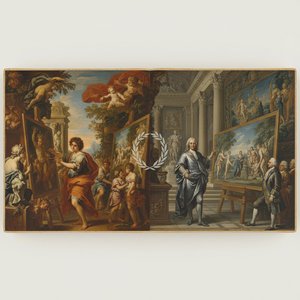
Simon Vouet: A Baroque Master's Journey from Italian Influence to French Classicism
Explore the life & art of Simon Vouet, a pivotal French Baroque painter who introduced Italian styles to France. Discover his masterpieces and lasting influence on 17th-century art.
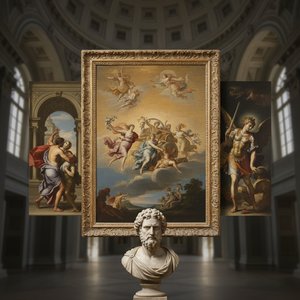
Guido Reni: A Study in Baroque Classicism & Artistic Perfection
Explore the life & work of Guido Reni, a master of Baroque classicism. Discover his iconic religious & mythological paintings, and understand his enduring influence on art history. Expert analysis for collectors.

Barokní drama: Umění, které vnáší velkolepost do domova
Objevte velkolepost barokního stylu v interiéru! Průvodce klíčovými prvky, inspirace a tipy pro integraci do moderního bydlení. Reprodukce umění s .