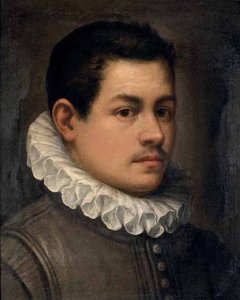
Simone Martini: Sienský mistr elegance a grácie! Jeho díla z období gotiky – jako 'Maestá' – spojují náboženské motivy s dvorní noblesou a nádhernými detaily.
Karavaggio (1571-1610): Barokní mistr realismu a tenebrismu. Dramatické náboženské scény, intenzivní chiaroscuro a revoluční styl ovlivnil Rubense a Rembrandta.
A Regal Ascent: Unveiling the Palace of Capodimonte
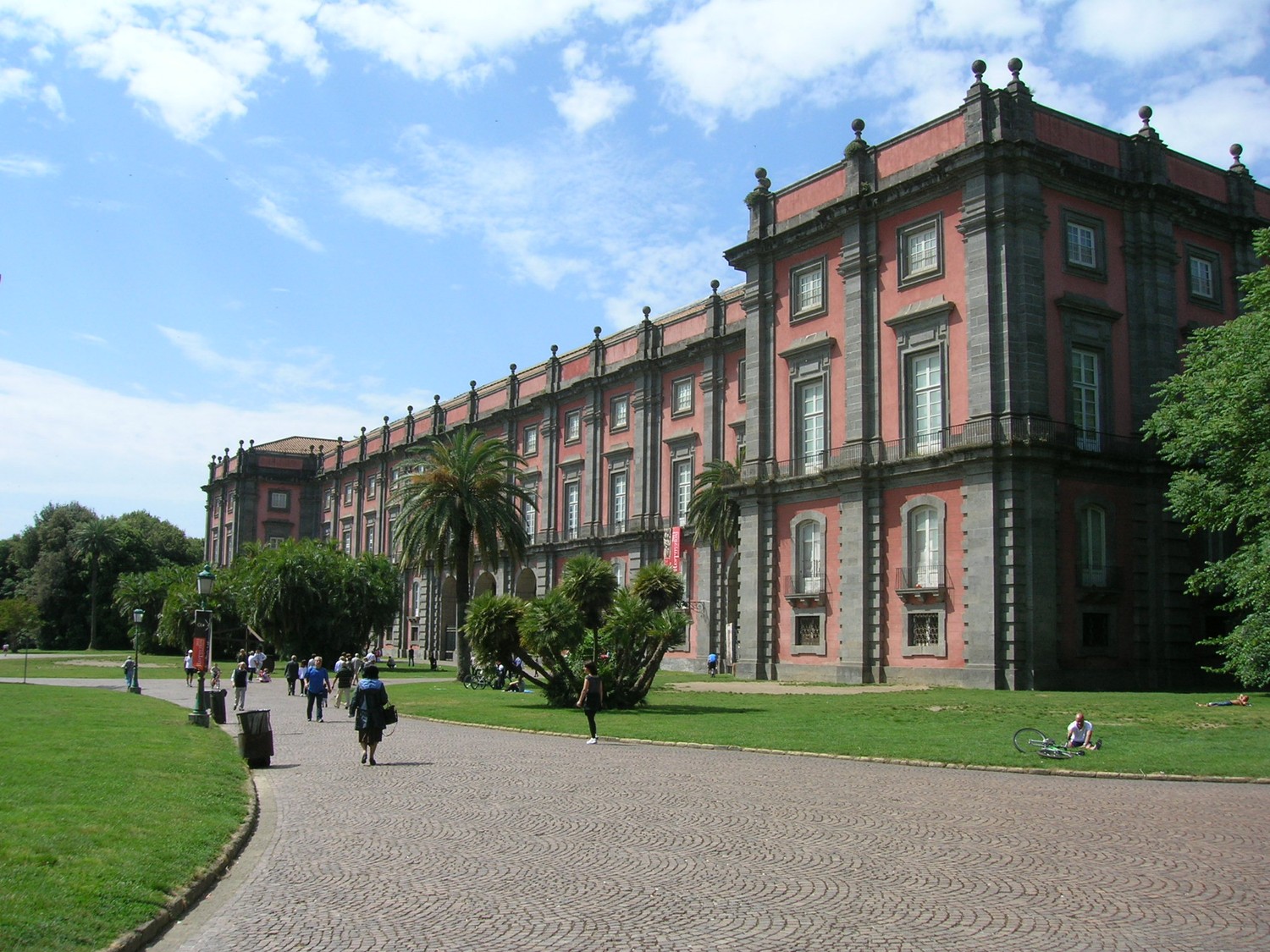
Perched dramatically atop Naples’ volcanic Capodimonte hill, the Royal Palace of Capodimonte isn't merely a museum; it’s a living chronicle of Italy’s artistic and royal evolution. Initially conceived as a modest hunting lodge by King Charles VII in 1738, this opulent residence blossomed into one of Europe’s most significant repositories of art and architectural grandeur – a testament to the enduring power of patronage and the vibrant spirit of Neapolitan creativity. Stepping through its grand doors is akin to traversing centuries, immersing oneself within the evolving tastes and ambitions of Neapolitan royalty, reflecting both the city's artistic heritage and its complex political narrative. The palace’s very existence speaks to a desire for grandeur, a statement of power rooted in the fertile volcanic soil beneath its foundations.
The palace’s extraordinary collection stems from two interwoven legacies: the illustrious Farnese Collection and the distinctive artistic voice cultivated within Naples itself. The Farnese legacy, bequeathed by Elisabetta Farnese, Charles VII’s mother, brought with it a breathtaking array of classical sculptures – Roman relics that formed the foundation for the palace’s burgeoning art holdings. These ancient stones, imbued with the echoes of empires past, provided a grounding in classical ideals, shaping the palace's aesthetic direction. Imagine the impact of these weathered marble figures, transported from distant provinces, upon the nascent sensibilities of Neapolitan artists and courtiers alike! Simultaneously, Naples nurtured its own school of painting, producing artists who developed a uniquely dramatic and emotionally charged style. Figures like Caravaggio, whose revolutionary use of light and shadow profoundly influenced generations of painters, Titian, renowned for his opulent color palettes and masterful compositions, and Luca Giordano, the leading figure of the Neapolitan Baroque, all contributed to this distinctive artistic identity. The palace’s walls resonate with their genius, offering a tangible connection to Italy's most celebrated masters – a vibrant dialogue between antiquity and innovation.
A Symphony of Styles: Architecture and Decorative Arts
Architecturally, Capodimonte is a captivating story in itself – a harmonious blend of Neoclassical elegance interwoven with Baroque grandeur. Designed by Giovanni Antonio Medrano and Antonio Canevari, the palace’s façade reflects this duality, projecting an image of power and sophistication while retaining echoes of the dramatic flair characteristic of the Baroque period. The exterior presents a formidable presence: imposing columns, sculpted reliefs depicting allegorical scenes, and a carefully balanced symmetry all contribute to its regal appearance. Beyond the magnificent salons lies a world of exquisite detail: royal apartments adorned with opulent stucco work depicting scenes from mythology and history, lavishly decorated with gilded mirrors, intricate tapestries, and richly colored marble floors. The sheer scale of these embellishments speaks to the immense wealth and ambition of the Bourbon court – a deliberate attempt to impress and inspire awe. Notice particularly the interplay of light and shadow within the interior spaces, carefully orchestrated by master craftsmen to enhance the drama and grandeur of each room.
Particular attention is given to the palace’s porcelain collections – a dazzling display of European craftsmanship spanning from delicate Meissen figurines, showcasing the influence of German artistry, to elaborate Sèvres dinner services, reflecting the refined taste and international connections of the Bourbon court. These collections offer a glimpse into the meticulous attention to detail and the pursuit of luxury that defined aristocratic life in 18th-century Italy. The palace’s gardens, too, are a masterpiece of landscape design, meticulously crafted to complement the architectural splendor within – a verdant expanse designed for both royal leisure and grand public spectacles. Walking through the *Real Bosco*, one can almost hear the echoes of courtly hunts and masked balls, imagining the vibrant social life that once unfolded amidst these ancient trees.
A Gallery of Giants: Collection Highlights
Within Capodimonte's walls reside masterpieces that demand reverence. The collection highlights include Caravaggio’s intensely dramatic “Madonna and Child with St. Anthony and St. Roch,” a work brimming with emotional intensity and masterful use of chiaroscuro – the stark contrast between light and dark that defines his style. Observe how he uses this technique to draw our attention to the central figures, creating a powerful sense of intimacy and spiritual depth. Titian’s “Glad to Be Back,” a vibrant depiction of the Venetian Doge, showcasing his signature opulent color palettes and masterful compositions, is another essential viewing. The painting captures not just a likeness but also the personality and authority of the subject. And Luca Giordano’s breathtaking frescoes adorning the Royal Apartments – swirling narratives of mythological grandeur that exemplify the exuberance of the Neapolitan Baroque – are simply unforgettable. These works demonstrate the unique artistic spirit of Naples, characterized by dramatic emotion, rich color, and dynamic movement.
Furthermore, Artemisia Gentileschi's powerful depictions—often challenging conventional narratives of female roles—stand as a courageous assertion of female strength and resilience within a historically restrictive art world, offering a vital perspective on the era. Her works are not merely portraits; they are statements of agency and defiance. The palace also houses an impressive collection of paintings by Marco de Gregorio, a Neapolitan painter known for his historical and mythological works. His style blends Italian pride with avant-garde influences, creating captivating scenes that reflect the spirit of Naples. Don't miss the opportunity to admire Francesco Netti’s captivating oil paintings of gladiators & ancient scenes – a testament to the enduring fascination with Roman history within Neapolitan art.
A Living Legacy: Exhibitions and Beyond
The Palace of Capodimonte transcends its role as a museum; it embodies Naples’s artistic soul. Its unique blend of royal residence, expansive parkland, and unparalleled art collection creates an immersive experience that captivates visitors long after they depart. Today, the palace hosts seasonal exhibitions showcasing both classical masterpieces and cutting-edge contemporary art within its impressive galleries – ensuring that this historic landmark remains a vibrant center for cultural engagement. The *Real Bosco*, originally established as a royal hunting preserve, continues to flourish as a public space, hosting open-air concerts featuring classical music, seasonal exhibitions showcasing contemporary art, and theatrical performances. Wandering through its ancient trees—oaks, chestnut trees, pines, and cypresses—one appreciates the enduring connection between art, architecture, and nature – a visual metaphor for Naples’s rich cultural heritage, reflecting the harmonious balance sought by the Bourbon rulers. A visit to Capodimonte is not merely an artistic pilgrimage; it's a journey through the heart of Italian history and creativity.
Redakce OriginalUniqueArt.com
Artový kvíz
U každé otázky je pouze jedna správná odpověď.
Otázka 1:
Jaká je hlavní historická významnost Paláce Capodimonte?
Otázka 2:
Který umělecký styl silně ovlivnil architekturu Paláce Capodimonte?
Otázka 3:
Farnese Collection významně přispěla k uměleckému bohatství paláce. Jaké typy děl převážně obsahovala tato sbírka?
Otázka 4:
Luca Giordano je známý svými přínosy do interiéru paláce. S jakým uměleckým stylem je nejvíce spojen?
Otázka 5:
Co slouží *Real Bosco* (Královský park) obklopující palác především?
Explore the revolutionary realism of Caravaggio! Discover his mastery of light & shadow (tenebrism), dramatic religious scenes, and lasting influence on Baroque art history. A comprehensive guide for art enthusiasts.
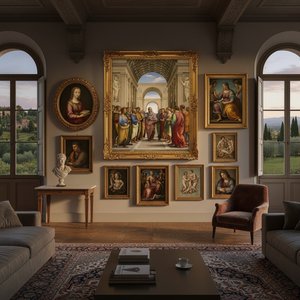
Objevte 25 ikonických děl Raffaela – od Sixtinské madony po Atény školu. Ponořte se do světa renesance a obdivujte mistrovské obrazy online. Reprodukce obrazů nejvyšší kvality pro váš interiér na OriginalUniqueArt.cz.
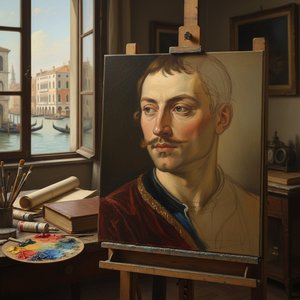
Explore the revolutionary techniques & enduring legacy of Titian, the master of Venetian Renaissance portraiture. Discover insights for collectors & appreciate his impact on art history.