Romantic Academic Style
Charon (Gustave Doré)
Gustave Doré (1832–1883) vytvořil dílo Charon. Patří k hnutí Romantic Academic Style. Je vyrobeno z Rytina.
- Rytina

 Náhled v interiéru

 Ručně malovaná olejná reprodukce
 Sdílet
 Sdílet
 Informační list


 Stáhnout
 Podobné položky
 Rentgenové snímky
 Slideshow
 Otázky a odpovědi

 Statistiky
Charon v kostce
- Název díla
- Charon
- Autor
- Gustave Doré (1832–1883)
- Rok narození umělce
- Štrasburk, Francie
- Technika
- Rytina
- Období
- – 19. století
- Motiv
- greek mythology, underworld journey, charon ferryman, death symbolism, romantic art, nineteenth century engraving
Co przedstawuje dílo Charon?
Identification of Charon by Gustave Doré
This work, titled Charon, is a significant illustration created by the artist Gustave Doré. It is specifically identified as Plate IX: Canto III: Arrival of Charon, a piece that emerged from his extensive series of illustrations for Dante's Inferno. Created in 1857, the work captures a pivotal moment within the narrative, focusing on the arrival of the ferryman. It is a piece that reflects the artist's ability to translate complex literary scenes into a singular, visual moment.
The piece is rendered in a dramatic engraving style. This method allows for a high degree of intensity in the depiction of the scene. Through this technique, Doré captures the weight of the subject matter, focusing on the movement and the atmosphere of the underworld. The work remains a definitive example of his ability to interpret classical literature through the precision of printmaking.
Composition and Visual Elements
The scene captures the arrival of Charon as he navigates dark, heavy waters. At the center of this movement, a muscular form is shown straining against the oar, a physical exertion that anchors the composition. This central tension is framed by the looming presence of cliffs that rise behind the figure, creating a sense of enclosure and weight. The arrangement focuses on the immediate, visceral struggle of the ferryman against the elements.
The composition is structured around the arrival of Charon in Canto III. There is a palpable sense of momentum in the way the figure interacts with the water. The dark tones of the river contrast with the physical strain of the body, drawing the eye toward the point of contact between the oar and the liquid surface. The verticality of the cliffs provides a stark, unyielding backdrop to the horizontal movement of the boat.
Technique and Artistic Style
This work is a dramatic engraving, a piece that relies heavily on the precision of line to establish its atmosphere. As an illustration for Dante's Inferno, it utilizes the specific visual language required to translate literary tension into a graphic medium. The technique focuses on the interplay of light and shadow, using fine, controlled strokes to define the muscularity of the central figure and the turbulent nature of the water. It is a study in tonal depth achieved through meticulous engraving rather than color.
The execution reflects the high level of technical rigor found in the artist's mid-career output. Every detail, from the texture of the looming cliffs to the movement of the dark waters, is rendered through a disciplined application of hatching and cross-hatching. This method allows for a sense of physical weight and volume, making the scene feel grounded despite its mythological subject. The resulting image, identified in catalog records as Fig No: D12, possesses a cinematic quality that arises from the stark contrast between the deep blacks and the bright highlights of the paper.
Related Works by Gustave Doré
The artist’s ability to translate complex literary narratives into visual form is evident across his diverse body of work. His engagement with epic poetry is particularly notable, as seen in the illustrations he produced for the Divine Comedy. These works demonstrate a similar command over light and shadow to define the atmosphere of the afterlife. This capacity for dramatic storytelling also extended to his 1853 illustrations for the works of Lord Byron, which helped establish his presence in the international publishing market.
In 1856, he produced twelve folio-size illustrations for The Legend of The Wandering Jew, a project that highlights his skill in handling large-scale compositions. His later career included significant contributions to the visual landscape of literature, such as his work on an oversized edition of Edgar Allan Poe’s The Raven. Each of these projects reflects a consistent dedication to using fine line work to build texture and depth within his compositions.
Vysokorozlišené fotografie díla Charon
Gustave Doré, Charon. Veřejná doména
Odpovědi na otázky k dílu Charon
Jakou technikou je vytvořeno dílo "Charon"?
Technikou díla „Charon“ od Gustave Doré je Rytina. Reprodukce mají za cíl věrně zachytit vzhled této techniky.
Co zachycuje dílo "Charon"?
Témata obsažená v díle „Charon“ od Gustave Doré zahrnují greek mythology, underworld journey, charon ferryman, death symbolism, romantic art, nineteenth century engraving, soul passage. Tato témata společně shrnují obsah celého uměleckého díla.
Je dílo „Charon“ volné z autorských práv?
Co se týče autorských práv, dílo "Charon" spadá do v rámci volného užití – autorská práva vypršela.
Kdo vytvořil "Charon"?
Dílo "Charon" vytvořil/a Gustave Doré. Informace na této stránce popisují originální dílo umělce Gustave Doré.
K kterému uměleckému směru patří „Charon“ od Gustave Doré?
„Charon“ je dílo z období Romantic Academic Style. Tento směr představuje uměleckou tradici, jejíž je dílo součástí.
Do jaké fáze tvůrčího rozvoje Gustave Doré patří dílo „Charon“?
V rámci kariéry umělce Gustave Doré spadá dílo „Charon“ do období Mature Romanticism. Tato fáze umožňuje jeho srovnání s dalšími díly tohoto umělce.
Patří dílo „Charon“ od Gustave Doré do volného užití, a proč?
Dílo „Charon“ od Gustave Doré spadá do volného užívání (v rámci volného užití – autorská práva vypršela). Autorské právo vyprší po určité době od úmrtí umělce, ke kterému došlo v roce 1883.
Jaké místo v tvorbě umělce Gustave Doré zaujímá dílo "Charon"?
V rámci tvorby umělce Gustave Doré se dílo „Charon“ řadí do stylu Romantic Academic Style a doplňuje tak motivy biblical narrative inspiration, death judgment imagery, romantic drama style, symbolic underworld scene, doré’s distinctive vision.
Jakým způsobem se motiv díla „Charon“ vztahuje k obvyklým tématům umělce Gustave Doré?
Mezi opakující se témata umělce Gustave Doré patří biblical narrative inspiration, death judgment imagery, romantic drama style, symbolic underworld scene, doré’s distinctive vision; dílo „Charon“ se zaměřuje na greek mythology, underworld journey, charon ferryman, death symbolism, romantic art, nineteenth century engraving, soul passage.
O umělci, Gustave Doré
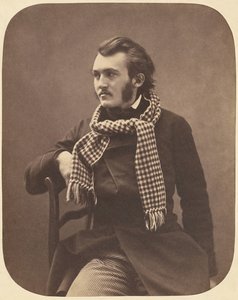
1832–1883, Francie
Gustave Doré
Život Paula Gustava Dorého Strasbourg, Francie, 6. ledna 1832. Zde začíná život Paula Gustava Ludviga Christophe Dorého. Vstupuje do světa neustále se měnících uměleckých proudů, který ho vede od břehů Rýna až do rušných ulic Paříže.
Také od autora Gustave Doré
 Akrobati
 Křesťané mučedníci
 Peklo, Canto 9, verše 87–89. Ke bráně přišel, dotkl se jí svou hůlkou a ta se bez překážky otevřela.
 Paradise Lost
Eseje k tématu Charon
 Masterpieces of Gustave Doré: The Top 25 Iconic ArtworksExplore 25 iconic Gustave Doré engravings. Discover the genius behind his timeless illustrations. Explore the full collection on OriginalUn…
 Beauty or Meaning? Distinguishing Aestheticism from SymbolismMaster the nuances between Aestheticism and Symbolism with our expert art history guide. Learn to decode the secrets of these movements now.
 Master of Shadows: The Top 25 Iconic Artworks by Gustave DoréStep into the dramatic world of Gustave Doré. Explore 25 iconic masterpieces of light and shadow, from epic biblical engravings to gothic t…