

 Náhled
 Sdílet
 Sdílet
 Podrobnosti o díle

 Stáhnout
 Podobné položky
 Rentgenové snímky
 Slideshow
 Statistiky
The Crucifixion
 Oil On Canvas
- WallArt
- Mannerism (Late Renaissance)
 1580
1580 149.0 x 90.0 cm
 Szépművészeti Múzeum
 Zobrazit více
Giclée / Umělecký tisk
Giclée nebo plátěný tisk muzeální kvality s rychlou výrobou a flexibilními možnostmi povrchové úpravy. ( Koupit ručně malovaný obraz Přepnout na digitální obraz)




P118B $10

P118H $10

P118W $10

P438Z $10

P508JH $12

P508YH $12

P805H $10

P805Z $10

P919BZ $10

P919G $10

P919XJ $10

P959ZH $10

P968JZ $12

W106C $8

W218G $10

W218JH $8

W218Y $10

W307PJ $10

W316G $10

W316PJ $8

W316Y $10

W398PJ $8

W4111J $10

W500HY $15

W500JH $15

W692G $12

W849H $8

W940BG $15

W953PJ $8




Vyberte si z našich přednastavených velikostí, které odpovídají původním proporcím díla.

Můžete zadat vlastní rozměry tak, aby výtvor odpovídal konkrétnímu rámu nebo prostoru. Pokud zvolená velikost nebude odpovídat poměru stran původního obrazu, dílo buď ořížeme, nebo obraz rozšíříme pomocí zrcadlového efektu či jednobarevného okraje. Před zahájením výroby vám bude zaslán digitální náhled k schválení.
Mějte prosím na paměti, že náhled na obrazovce neodráží skutečné oříznutí nebo rozšíření. Pouze digitální náhled přesně zobrazí finální kompozici.
Ačkoliv jsou k dispozici i vlastní rozměry, pro zachování původních proporcí doporučujeme vybrat si rozměr z předdefinovaného seznamu.
Celosvětové doručení () do 2 týdnů namísto standardních 4/5 týdnů. (16 září)

Zdarma celosvětová expresní doprava

Vysoce kvalitní lněné plátno

Kompletní přepravní pojištění

Záruka vrácení celního poplatku

Záruka přesného barevného shodu

100dená lhůta pro vrácení zboží (pouze při vadách)

100% garance vrácení peněz

Sleva při hromadné objednávce
 Skleněná varianta je dostupná pouze u rozměrů menších než 110 cm

The Crucifixion
Giclée / Umělecký tisk
Rozměry reprodukce
-


Celková cena za výběr
$ 80
The Crucifixion by Paolo Veronese: A Venetian Spectacle of Faith and Drama
Paolo Veronese’s “Crucifixion,” painted around 1582, isn't merely a depiction of a pivotal religious event; it’s an immersive theatrical experience rendered in the vibrant, opulent style that defined the Venetian Renaissance. More than just a historical scene, this monumental canvas—measuring a commanding 102 x 102 centimeters—is a testament to Veronese’s mastery of color, composition, and his uncanny ability to infuse religious subjects with a palpable sense of drama and earthly grandeur.
The painting unfolds within a meticulously constructed cityscape, unmistakably Venice. The background is dominated by the recognizable silhouette of the Rialto Bridge, instantly grounding the scene in its Venetian context. However, Veronese doesn’t simply portray a biblical event; he elevates it to a grand spectacle worthy of a royal court. Figures throng the foreground, creating a bustling tableau of onlookers – soldiers, mourners, and even a few figures who appear to be engaged in lively conversation, adding an element of earthly realism to the solemnity of the occasion.
Mannerist Innovation: Color, Scale, and Dramatic Lighting
Veronese’s style firmly resides within the Mannerist period, a transitional phase between the High Renaissance and Baroque. He inherited from Titian's legacy a profound understanding of color theory, but pushed it to new extremes. The palette is extraordinarily rich—deep reds, vibrant blues, shimmering golds, and earthy browns—all blended with an almost impossible luminosity. This isn’t simply decorative; it serves to heighten the drama and create a sense of overwhelming visual intensity.
The scale of the painting is deliberately imposing, reflecting Veronese's ambition to rival the grand history paintings of Rome. He employs a technique known as *quadratura*, or illusionistic painting, to extend the architectural elements of the scene beyond the confines of the canvas itself, blurring the boundaries between reality and representation. Notice how the arches and columns seem to recede into an infinite space, drawing the viewer deeper into the drama.
Symbolism and Narrative Depth
Beyond the immediate depiction of Christ’s crucifixion, “Crucifixion” is laden with symbolic meaning. The presence of the demon emerging from the earth in the foreground represents temptation and sin, a constant threat to humanity. The soldiers, rendered with meticulous detail, embody earthly authority and the brutal realities of Roman justice. Even the gestures of the onlookers—some weeping, others conversing – contribute to the complex narrative of faith, doubt, and human response to suffering.
The inclusion of a clock on the wall, a subtle yet significant detail, alludes to the passage of time and the inevitability of death. Similarly, the bird soaring above the scene can be interpreted as a symbol of hope or redemption. Veronese’s genius lies in his ability to weave these layers of symbolism into a visually stunning and emotionally resonant composition.
A Legacy of Venetian Splendor
“Crucifixion” stands as one of Veronese's most ambitious and celebrated works, showcasing the culmination of his artistic development. It’s a painting that demands attention, inviting viewers to contemplate not only the profound tragedy of Christ’s sacrifice but also the vibrant beauty and complex social dynamics of 16th-century Venice. Today, it remains a cornerstone of the Louvre Museum's collection, continuing to captivate audiences with its dramatic intensity and unparalleled artistic skill.
Biografie umělce
A Venetian Visionary: The Life and Art of Paolo Veronese
Paolo Caliari, known to the world as Paolo Veronese, emerged from the vibrant artistic landscape of 16th-century Venice as a master of color, composition, and opulent spectacle. Born in Verona in 1528, the son of a stonecutter, his early life was steeped in the visual richness of his surroundings – the classical architecture, sculpted forms, and burgeoning humanist ideals that characterized the region. His initial training under Antonio Badile and Giovanni Francesco Caroto laid a foundation in traditional techniques, but it was his move to Venice in the 1550s that truly ignited his artistic genius. The city itself became his muse, its bustling marketplaces, grand palazzi, and shimmering waterways informing the scale and drama of his work. He quickly absorbed the influences of established Venetian masters like Titian, whose mastery of color profoundly impacted Veronese’s palette, yet he forged a distinct style characterized by an unparalleled sense of theatricality and grandeur.The Painter of Feasts and Grand Narratives
Veronese's reputation rests upon his monumental paintings, particularly those depicting lavish feasts and biblical scenes transformed into dazzling displays of Venetian life. The Wedding at Cana, completed in 1563 for the Benedictine monastery of San Giorgio Maggiore, stands as a testament to his skill. This colossal canvas isn’t merely an illustration of the miracle; it's a vibrant panorama of 16th-century society, teeming with elegantly dressed figures, musicians, and architectural details rendered with breathtaking precision. The painting is not just about what happened at Cana but *how* it would have looked if it had occurred in Venice during Veronese’s time – a remarkable feat of imaginative reconstruction. Similarly, The Feast in the House of Levi, originally titled The Last Supper, caused controversy with the Inquisition due to its inclusion of contemporary figures and a seemingly irreverent atmosphere. Veronese defended his artistic license, asserting that painters were entitled to the same creative freedom as poets and jesters – a bold statement reflecting his belief in art’s power to interpret and reimagine sacred narratives. These works weren't simply religious depictions; they were celebrations of life, wealth, and the splendor of Venice itself. He wasn’t interested in austere spirituality but rather in capturing the joy and abundance of existence. His ability to seamlessly blend historical accuracy with imaginative embellishment set him apart from many of his contemporaries.Influences and Artistic Development
While Titian’s influence on Veronese’s colorism is undeniable, his artistic development was a complex interplay of various influences. The architectural precision he brought to his compositions owes much to the classical tradition prevalent in Verona during his formative years, particularly the work of architects like Michele Sanmicheli. He also absorbed elements from Central Italian masters such as Raphael and Parmigianino, evident in the graceful lines and harmonious arrangements within his paintings. However, Veronese didn’t simply imitate these influences; he synthesized them into a uniquely Venetian style characterized by its dramatic use of light, vibrant color palettes, and meticulous attention to detail. He excelled at creating illusions of space and depth, employing perspective techniques to draw viewers into the heart of his elaborate scenes. His mastery of oil painting allowed him to achieve an unparalleled luminosity and richness of texture. He also ran a large workshop, with contributions from his brother Benedetto and sons Gabriele and Carlo (or 'Carletto'), ensuring that his style continued to flourish even after his death in 1588.Major Achievements and Notable Works
Veronese’s career produced an astonishing array of masterpieces, each showcasing his distinctive talents. Beyond the monumental *Wedding at Cana* and *Feast in the House of Levi*, he created numerous altarpieces for churches throughout Venice and Verona, including works for the Cappella dei Barbarigo in San Zeno church. His ceiling paintings for the Ducal Palace were particularly ambitious, transforming the spaces into opulent settings for courtly life. The *Marriage Procession of Saint George* (1576-78) is another highlight, a complex and richly detailed allegory that exemplifies his mastery of composition and color. His work for the monastery of S. Sebastiano, including the decoration of the refectory, remains one of the most impressive examples of Venetian Renaissance art. Veronese’s ability to seamlessly integrate architecture, figures, and decorative elements into a single, cohesive whole is what truly distinguishes his style.Legacy and Historical Significance
Paolo Veronese’s impact extends far beyond the realm of Renaissance art. His work has resonated through centuries, inspiring artists across various disciplines. His dramatic compositions and vibrant color schemes have been cited as influences on everything from Baroque painting to modern cinema – even finding echoes in the visual aesthetics of Spaghetti Westerns. He was part of the “great trio” of Venetian painters—alongside Titian and Tintoretto—each contributing uniquely to the city’s artistic legacy, yet Veronese often stands apart for his sheer exuberance and celebration of earthly pleasures. His paintings continue to captivate audiences with their grandeur and spectacle, offering a glimpse into the opulent world of 16th-century Venice.- He redefined historical painting by imbuing it with contemporary life.
- His use of color remains influential for artists today.
- His work embodies the spirit of Renaissance humanism and celebration of earthly beauty.

Paolo Veronese
1528 - 1588 , Itálie
Rychlé fakta
- Artistic Movement Or Style: Renesanční, Mannerismus
- Artists Or Movements Influenced By This Artist: ['Raffaele']
- Artists Who Influenced This Artist: ['Tiziano']
- Date Of Birth: 1528
- Date Of Death: 1588
- Full Name: Paolo Veronese
- Nationality: Italijský
- Notable Artworks:
- Svatba v Káni
- Večeře u Levi
- Place Of Birth: Verona, Itálie
Související články
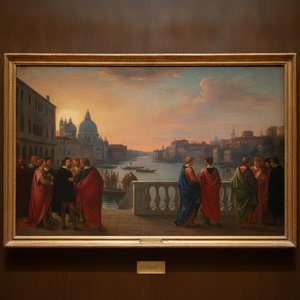
The Venetian Renaissance: A Masterclass in Colorito, Light, and the Birth of Atmospheric Brilliance
Explore the breathtaking mastery of the Venetian Renaissance. Discover how legends like Titian revolutionized art through Colorito, capturing the luminous light and vibrant pigments of the Venetian lagoon in a visual journey of unparalleled color and texture.

Jacopo Tintoretto: 25 mistrovských děl benátského mistra | OriginalUniqueArt.com
Prozkoumejte 25 ikonických děl Jacopa Tintoretta, benátského mistra dramatické renesance. Objevte příběhy za obrazy plnými emocí a světla. Reprodukce obrazů nejvyšší kvality na OriginalUniqueArt.com – inspirace pro váš interiér.

The Golden Light of Innovation: Exploring the Venetian Renaissance Art Movement (1430–1580)
Explore the Golden Age of Venetian art (1430–1580). Discover Giorgione, Titian & Tintoretto's techniques, the 'colorito' revolution, and lasting influence. Expert insights for collectors & enthusiasts.

Venetian Renaissance: The Mastery of Color, Light, and the Art of Colorito
Explore the luminous mastery of the Venetian Renaissance. Discover how masters like Titian and Giorgione revolutionized art through colorito, light, and atmosphere. An expert guide to the golden age of Italian painting for collectors and enthusiasts.
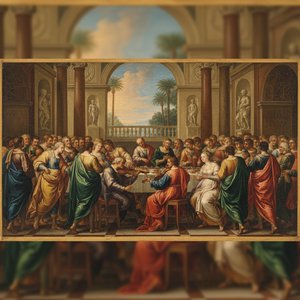
Paolo Veronese: A Renaissance Master of Color, Composition, and Venetian Splendor
Explore the vibrant world of Paolo Veronese, a Renaissance master renowned for his opulent compositions, masterful use of color, and dramatic Venetian scenes. Discover key artworks & legacy.


