

 Náhled v interiéru
 Sdílet
 Sdílet
 Podrobnosti o díle
 Průvodce

 Stáhnout
 Podobné položky
 Rentgenové snímky
 Slideshow
 Statistiky
Lucretia
 Olej na plátně
- Obrazová tvorba na stěnu
- High Renaissance
 1580
1580- Renesance
 109.0 x 91.0 cm
 Kunsthistorisches Museum
 Zobrazit více
Ručně malovaná olejová reprodukce
Rukou malované olejné plátno v libovolném rozměru i s rámem, vyrobené našimi umělci na zakázku. ( Přepnout na tisk Přepnout na digitální obraz)




P118B Kč10

P118H Kč10

P118W Kč10

P438Z Kč10

P508JH Kč12

P508YH Kč12

P805H Kč10

P805Z Kč10

P919BZ Kč10

P919G Kč10

P919XJ Kč10

P959ZH Kč10

P968JZ Kč12

W106C Kč8

W218G Kč10

W218JH Kč8

W218Y Kč10

W307PJ Kč10

W316G Kč10

W316PJ Kč8

W316Y Kč10

W398PJ Kč8

W4111J Kč10

W500HY Kč15

W500JH Kč15

W692G Kč12

W849H Kč8

W940BG Kč15

W953PJ Kč8




Vyberte si z našich přednastavených velikostí, které odpovídají původním proporcím díla.

Zadejte šířku a výšku, které potřebujete pro váš rám nebo stěnu. Protože se jedná o ruční malbu, při výběru jiného formátu může umělec kolem obrazu domalovat o něco více, nebo jej mírně oříznout — rozhodnete si vy. Před zahájením malby vám zašleme digitální náhled ke schválení. Obraz zobrazený na této stránce neodpovídá skutečnému výsledku — pouze digitální náhled jej zobrazuje.
Po přijetí objednávky vám tým OriginalUniqueArt.com zašle e-mail s pokyny a poskytne náhledovou verzi.
Celosvětová doprava () za 3–4 týdny namísto standardních 5 týdnů. (25 říjen). Bez kompromisů v kvalitě.

Zdarma celosvětová expresní doprava

Vysoce kvalitní lněné plátno

Kompletní pojištění přepravy

Záruka vrácení celního poplatku

Záruka věrného barevného souladu

100dení lhůta pro vrácení zboží (pouze při vadách výroby)

100% záruka vrácení peněz

Sleva při více objednávkách
 Skleněná varianta je dostupná pouze u rozměrů menších než 110 cm

Lucretia
Technika reprodukce
Rozměry reprodukce
-


Celková cena za vybrané možnosti reprodukcí
Kč 6415
Zrození z Elegance: Lucretia od Paula Veronese
V srdci benátské renesanční školy se nachází obraz, který uchvacuje diváka svou majestátní krásou a hlubokým emocionálním nábojem – "Lucretia" od Paula Veronese. Tato ikonická díla, vytvořená v roce 1580, není jen portrét mladé ženy; je to ztělesnění renesanční elegance, symbol síly a hrdosti, a zároveň vyprávění o tragické lásce a obětavém činu. Veronese, mistr barvy a kompozice, v tomto díle ukazuje svou schopnost zachytit nejen fyzickou krásu, ale i jemné nuance emocí a atmosféry.
Představte si Benátky 16. století – pulzující město plné bohatství, umění a politických intrik. V tomto kontextu se rodí "Lucretia", obraz, který odráží luxus a pompéznost benátské aristokracie, ale zároveň skrývá pod povrchem hlubokou tragédii. Veronese, jako jeden z „velkých trojice“ benátského malířství – spolu s Titianem a Tintoretto – se proslavil svými monumentálními kompozicemi, bohatými barvami a dramatickým osvětlením. V "Lucretia" se jeho mistrovství projevuje v každém detailu, od složitého ornamentu šatů po jemné kontury tváře Lucretie.
Renesanční Harmonie: Styl a Technika
Veroneseova technika je skutečně úchvatná. Použití oleje na plátno, charakteristické pro renesanci, mu umožnilo dosáhnout neuvěřitelné hloubky barev a textury. Důraz na detail je naprosto fascinující – každý šarm, každé vzory v látce jsou zobrazeny s precizností, která zdůrazňuje bohatství a status Lucretie. Základní principem je *chiaroscuro* - dramatické kontrastování světla a stínu, které dodává obrazu hloubku a třetí rozměr. Veronese mistrovsky využívá světlo k zvýraznění klíčových prvků kompozice a vytvoření atmosféry tajemství a melancholie.
Kompozice je pečlivě sestavena, s Lucretií umístěnou v centru pozornosti. Její postava, obklopená luxusními šaty a drahokamy, vyzařuje noblesu a klid. Pozadí, bohaté na detail a architektonické prvky, vytváří pocit hloubky a prostoru. Veronese se neomezil jen na realistické zobrazení; v obraze je patrný i jeho umělecký cit a touha po vytvoření harmonického celku.
Symbolika Hrdosti a Tragédie
Původní příběh Lucretie, mladé ženy, která se obětovala pro zachování čest své rodiny, je silným symbolem hrdosti a oběti. Veronese v obraze zachycuje moment po jejím činu – Lucretia sedí s klidnou tváří, ale její oči vyjadřují smutek a bolest. Její postoj je plný elegance a dignity, což kontrastuje s tragédií, která ji zasáhla. Šaty, zdobené drahokamy a složitými vzory, symbolizují její původ a status, zatímco její čin ukazuje na sílu morálních hodnot.
Obraz je více než jen historická scéna; je to alegorie o lásce, čestnosti a oběti. Veronese v něm vyjadřuje hluboké emoce a nabízí divákům prostor k zamyšlení nad otázkami morálky, cti a lidskosti. "Lucretia" tak zůstává jedním z nejvýznamnějších děl renesančního umění, které i dnes vyvolává silné emoce a inspiruje k úvahám.
Reprodukce s Duší
Pokud hledáte originální reprodukci tohoto mistrovského díla, nabízíme kvalitní reprodukce, vytvořené s maximálním respektem k původnímu obrazu. Používáme pouze nejkvalitnější materiály a techniky, abychom zajistili, že vaše reprodukce bude nejen vizuálně působivá, ale i trvanlivá. "Lucretia" od Paula Veronese tak může obohatit váš interiér a přinést do něj nádech elegance, hrdosti a tragédie.
Otázky a odpovědi
Pro koho je „Lucretia“ od Paolo Veronese vhodným dárkem?
„Lucretia“ je doporučováno jako dárek pro Výročí.
Jaký národní původ stojí za stylem High Renaissance u díla „Lucretia“?
Dílo „Lucretia“ vytvořil/a Paolo Veronese, narozený/á v Itálie, v rámci směru High Renaissance. Původ umělce/umělkyně propojuje toto dílo s High Renaissance, jak jej praktikují umělci z Itálie.
Jaká je luminance díla „Lucretia“ od Paolo Veronese?
Barvy díla „Lucretia“ vykazují jas o hodnotě Tmavý.
Biografie umělce
A Venetian Visionary: The Life and Art of Paolo Veronese
Paolo Caliari, known to the world as Paolo Veronese, emerged from the vibrant artistic landscape of 16th-century Venice as a master of color, composition, and opulent spectacle. Born in Verona in 1528, the son of a stonecutter, his early life was steeped in the visual richness of his surroundings – the classical architecture, sculpted forms, and burgeoning humanist ideals that characterized the region. His initial training under Antonio Badile and Giovanni Francesco Caroto laid a foundation in traditional techniques, but it was his move to Venice in the 1550s that truly ignited his artistic genius. The city itself became his muse, its bustling marketplaces, grand palazzi, and shimmering waterways informing the scale and drama of his work. He quickly absorbed the influences of established Venetian masters like Titian, whose mastery of color profoundly impacted Veronese’s palette, yet he forged a distinct style characterized by an unparalleled sense of theatricality and grandeur.The Painter of Feasts and Grand Narratives
Veronese's reputation rests upon his monumental paintings, particularly those depicting lavish feasts and biblical scenes transformed into dazzling displays of Venetian life. The Wedding at Cana, completed in 1563 for the Benedictine monastery of San Giorgio Maggiore, stands as a testament to his skill. This colossal canvas isn’t merely an illustration of the miracle; it's a vibrant panorama of 16th-century society, teeming with elegantly dressed figures, musicians, and architectural details rendered with breathtaking precision. The painting is not just about what happened at Cana but *how* it would have looked if it had occurred in Venice during Veronese’s time – a remarkable feat of imaginative reconstruction. Similarly, The Feast in the House of Levi, originally titled The Last Supper, caused controversy with the Inquisition due to its inclusion of contemporary figures and a seemingly irreverent atmosphere. Veronese defended his artistic license, asserting that painters were entitled to the same creative freedom as poets and jesters – a bold statement reflecting his belief in art’s power to interpret and reimagine sacred narratives. These works weren't simply religious depictions; they were celebrations of life, wealth, and the splendor of Venice itself. He wasn’t interested in austere spirituality but rather in capturing the joy and abundance of existence. His ability to seamlessly blend historical accuracy with imaginative embellishment set him apart from many of his contemporaries.Influences and Artistic Development
While Titian’s influence on Veronese’s colorism is undeniable, his artistic development was a complex interplay of various influences. The architectural precision he brought to his compositions owes much to the classical tradition prevalent in Verona during his formative years, particularly the work of architects like Michele Sanmicheli. He also absorbed elements from Central Italian masters such as Raphael and Parmigianino, evident in the graceful lines and harmonious arrangements within his paintings. However, Veronese didn’t simply imitate these influences; he synthesized them into a uniquely Venetian style characterized by its dramatic use of light, vibrant color palettes, and meticulous attention to detail. He excelled at creating illusions of space and depth, employing perspective techniques to draw viewers into the heart of his elaborate scenes. His mastery of oil painting allowed him to achieve an unparalleled luminosity and richness of texture. He also ran a large workshop, with contributions from his brother Benedetto and sons Gabriele and Carlo (or 'Carletto'), ensuring that his style continued to flourish even after his death in 1588.Major Achievements and Notable Works
Veronese’s career produced an astonishing array of masterpieces, each showcasing his distinctive talents. Beyond the monumental *Wedding at Cana* and *Feast in the House of Levi*, he created numerous altarpieces for churches throughout Venice and Verona, including works for the Cappella dei Barbarigo in San Zeno church. His ceiling paintings for the Ducal Palace were particularly ambitious, transforming the spaces into opulent settings for courtly life. The *Marriage Procession of Saint George* (1576-78) is another highlight, a complex and richly detailed allegory that exemplifies his mastery of composition and color. His work for the monastery of S. Sebastiano, including the decoration of the refectory, remains one of the most impressive examples of Venetian Renaissance art. Veronese’s ability to seamlessly integrate architecture, figures, and decorative elements into a single, cohesive whole is what truly distinguishes his style.Legacy and Historical Significance
Paolo Veronese’s impact extends far beyond the realm of Renaissance art. His work has resonated through centuries, inspiring artists across various disciplines. His dramatic compositions and vibrant color schemes have been cited as influences on everything from Baroque painting to modern cinema – even finding echoes in the visual aesthetics of Spaghetti Westerns. He was part of the “great trio” of Venetian painters—alongside Titian and Tintoretto—each contributing uniquely to the city’s artistic legacy, yet Veronese often stands apart for his sheer exuberance and celebration of earthly pleasures. His paintings continue to captivate audiences with their grandeur and spectacle, offering a glimpse into the opulent world of 16th-century Venice.- He redefined historical painting by imbuing it with contemporary life.
- His use of color remains influential for artists today.
- His work embodies the spirit of Renaissance humanism and celebration of earthly beauty.

Paolo Veronese
1528 - 1588 , Itálie
Rychlé informace o umělci
- Artistic Movement Or Style: Renesanční, Mannerismus
- Artists Or Movements Influenced By This Artist: ['Raffaele']
- Artists Who Influenced This Artist: ['Tiziano']
- Date Of Birth: 1528
- Date Of Death: 1588
- Full Name: Paolo Veronese
- Nationality: Italijský
- Notable Artworks:
- Svatba v Káni
- Večeře u Levi
- Place Of Birth: Verona, Itálie
Související články

Oil on Canvas: A Historical & Technical Exploration of a Timeless Artistic Medium
Explore the rich history & enduring techniques of oil painting on canvas. Discover the science behind its longevity, conservation practices, and contemporary relevance. Expert insights for art enthusiasts.

The Golden Light of Innovation: Exploring the Venetian Renaissance Art Movement (1430–1580)
Explore the Golden Age of Venetian art (1430–1580). Discover Giorgione, Titian & Tintoretto's techniques, the 'colorito' revolution, and lasting influence. Expert insights for collectors & enthusiasts.

The Enduring Power of Painting: A Historical & Contemporary Exploration of Form and Emotion
Explore the rich history & enduring techniques of oil painting with OriginalUniqueArt. Discover masterpieces, learn about art collecting, and find authentic handmade reproductions crafted by skilled artists.

The Enduring Legacy of Oil on Canvas: Technique, History & Aesthetic Impact
Explore the rich history & techniques of oil painting – from Renaissance masters to Impressionism. Discover pigments, layering methods, and why this timeless medium endures. Expert insights for artists & art enthusiasts.
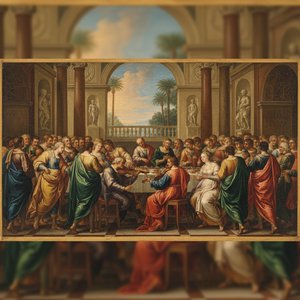
Paolo Veronese: A Renaissance Master of Color, Composition, and Venetian Splendor
Explore the vibrant world of Paolo Veronese, a Renaissance master renowned for his opulent compositions, masterful use of color, and dramatic Venetian scenes. Discover key artworks & legacy.


