
 Náhled
 Sdílet
 Sdílet
 Podrobnosti o díle

 Stáhnout
 Podobné položky
 Rentgenové snímky
 Slideshow
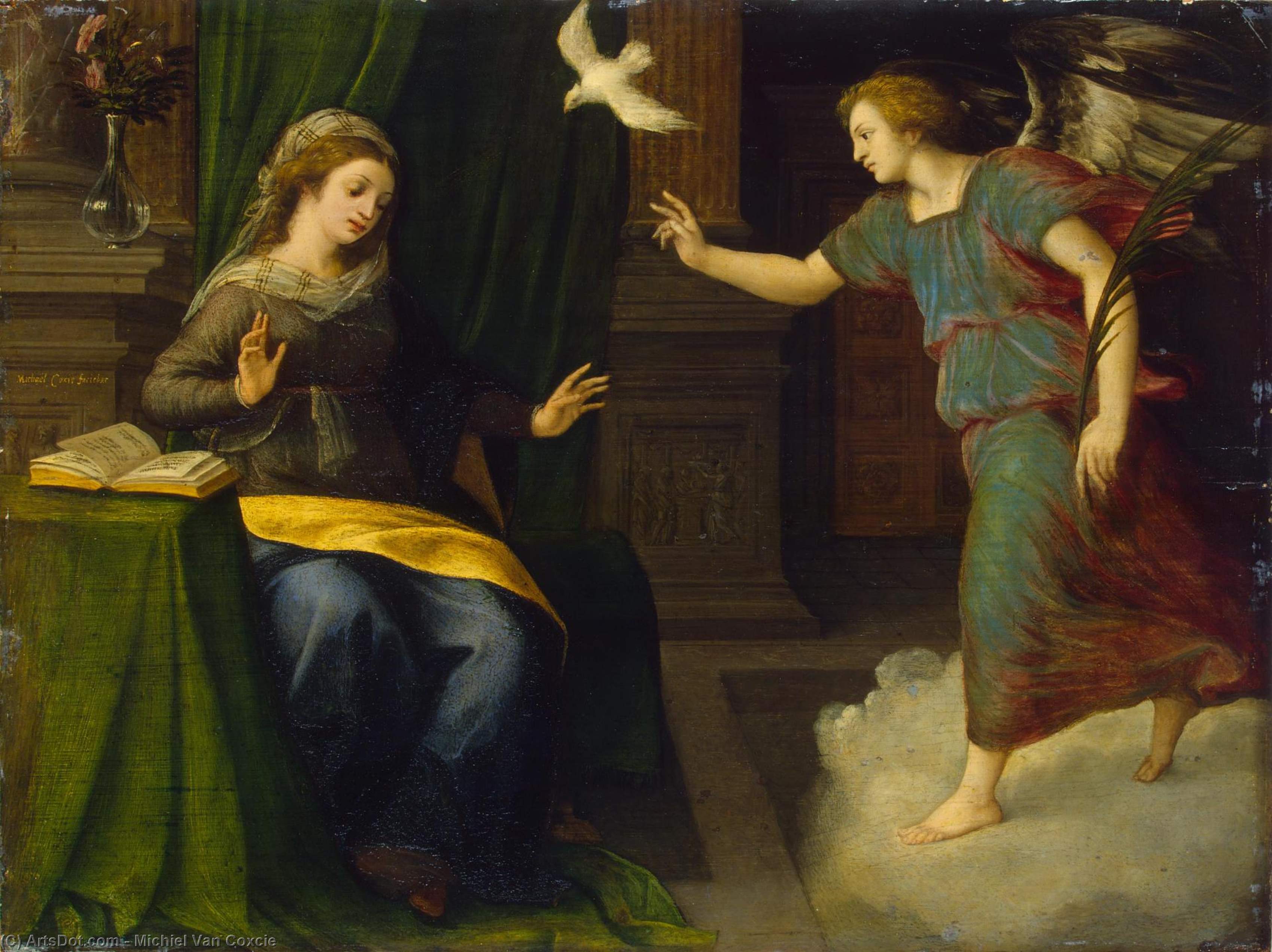
Annunciation
 Oil On Canvas
- WallArt
- Renaissance
 1580
1580 30.0 x 39.0 cm
 Státní Ermitáž
 Zobrazit více
Giclée / Umělecký tisk
Giclée nebo plátěný tisk muzeální kvality s rychlou výrobou a flexibilními možnostmi povrchové úpravy. ( Koupit ručně malovaný obraz Koupit obrázek)




P118B $10

P118H $10

P118W $10

P438Z $10

P508JH $12

P508YH $12

P805H $10

P805Z $10

P919BZ $10

P919G $10

P919XJ $10

P959ZH $10

P968JZ $12

W106C $8

W218G $10

W218JH $8

W218Y $10

W307PJ $10

W316G $10

W316PJ $8

W316Y $10

W398PJ $8

W4111J $10

W500HY $15

W500JH $15

W692G $12

W849H $8

W940BG $15

W953PJ $8




Vyberte si z našich přednastavených velikostí, které odpovídají původním proporcím díla.

Můžete zadat vlastní rozměry tak, aby výtvor odpovídal konkrétnímu rámu nebo prostoru. Pokud zvolená velikost nebude odpovídat poměru stran původního obrazu, dílo buď ořížeme, nebo obraz rozšíříme pomocí zrcadlového efektu či jednobarevného okraje. Před zahájením výroby vám bude zaslán digitální náhled k schválení.
Mějte prosím na paměti, že náhled na obrazovce neodráží skutečné oříznutí nebo rozšíření. Pouze digitální náhled přesně zobrazí finální kompozici.
Ačkoliv jsou k dispozici i vlastní rozměry, pro zachování původních proporcí doporučujeme vybrat si rozměr z předdefinovaného seznamu.
Celosvětové doručení () do 2 týdnů namísto standardních 4/5 týdnů. (14 srpen)

Zdarma celosvětová expresní doprava

Vysoce kvalitní lněné plátno

Kompletní přepravní pojištění

Záruka vrácení celního poplatku

Záruka přesného barevného shodu

60denní lhůta pro vrácení zboží (pouze při vadách výroby)

100% garance vrácení peněz

Sleva při hromadné objednávce
 Skleněná varianta je dostupná pouze u rozměrů menších než 110 cm

Annunciation
Giclée / Umělecký tisk
Rozměry reprodukce
-


Celková cena za výběr
$ 80
Popis sběratelského kousku
A Divine Encounter: Unveiling the Annunciation
Michiel van Coxcie’s “Annunciation,” painted around 1580, is more than just a religious depiction; it's a masterful synthesis of Renaissance ideals and subtle Flemish artistry. The painting captures a pivotal moment in Christian belief – the Archangel Gabriel’s announcement to Mary that she would conceive and bear Jesus Christ – with an exquisite balance of realism, spiritual grace, and Mannerist elegance. It’s a scene brimming with quiet anticipation, radiating a profound sense of reverence and divine communication.
Image: Annunciation by Michiel van Coxcie (1580)
Renaissance Roots, Flemish Soul
Coxcie’s artistic journey is a fascinating testament to the cross-pollination of styles during the late 16th century. Born in Mechelen, Belgium, he initially immersed himself in the Italian Renaissance, studying under masters like Jan Portaers and Pieter Bruegel the Elder, absorbing their emphasis on realism and emotional depth. However, his spirit was undeniably drawn to the innovations of Michelangelo, Leonardo da Vinci, and Raphael – figures who redefined artistic expression through anatomical precision, dramatic lighting, and a profound understanding of human psychology. Coxcie didn’t merely imitate; he skillfully integrated these Italian influences with the deeply rooted spirituality and meticulous detail characteristic of Flemish painting.
The painting's composition reflects this duality. The figures are rendered with a remarkable degree of naturalism – Mary’s face, etched with surprise and contemplation, is particularly striking. Yet, there’s an undeniable Mannerist influence in the elongated proportions of the figures, the subtly distorted perspective, and the heightened emotional intensity. This blending creates a unique visual language that is both familiar and strikingly original.
Symbolism Woven into the Canvas
Every element within “Annunciation” carries symbolic weight. The dove, hovering above the scene, represents the Holy Spirit – the divine messenger who will empower Mary. The book held by Gabriel signifies knowledge and wisdom, a subtle allusion to the incarnation of God in human form. Mary’s modest gesture, her hand raised slightly as she accepts the news, speaks volumes about her humility and faith. The architectural setting, reminiscent of Italian Renaissance palaces, provides a dignified backdrop for this momentous event, grounding the divine narrative within a tangible space.
Technique and Materials: A Master's Touch
Coxcie’s technical skill is evident in every brushstroke. He employs a rich, layered technique, building up the paint with meticulous detail to create a sense of volume and texture. The use of light and shadow – particularly the dramatic illumination highlighting Mary’s face and the dove – adds depth and drama to the scene. The painting is executed in oil on canvas, a medium that allowed Coxcie to achieve both luminous colors and subtle gradations of tone. The careful attention to detail extends to the rendering of fabrics, architectural elements, and even the folds of Gabriel's robe, demonstrating his mastery of perspective and spatial relationships.
A Legacy of Divine Beauty
“Annunciation” stands as a testament to Michiel van Coxcie’s artistic genius – a bridge between the vibrant energy of the Italian Renaissance and the profound spirituality of the Flemish tradition. It's a painting that continues to resonate with viewers centuries later, inviting us to contemplate the mysteries of faith, the power of divine communication, and the enduring beauty of human expression. Reproductions offer an accessible way to bring this masterpiece into your home or office, allowing you to experience its timeless grace and profound symbolism.
Biografie umělce
Michiel van Coxcie: Bridging Renaissance and Baroque Brilliance
Michiel van Coxcie (1499-1592), a Flemish master whose name echoes through the annals of art history, stands as a singular figure—the ‘Flemish Raphael,’ lauded for his ability to synthesize the grandeur of Italian artistic ideals with the profound spirituality of his homeland. Born in Mechelen, Belgium, Coxcie’s life unfolded against the backdrop of a turbulent era marked by religious upheaval and artistic innovation, shaping him into an artist whose legacy continues to inspire awe centuries later. Coxcie's formative years were steeped in Flemish tradition, receiving meticulous training from Jan Portaers and Pieter Bruegel the Elder—artists who championed realism and emotional depth. However, his gaze was undeniably drawn eastward, captivated by the revolutionary advancements of Michelangelo, Leonardo da Vinci, and Raphael. Unlike many of his contemporaries who slavishly imitated Italian styles, Coxcie skillfully blended these influences, forging a distinctive artistic voice that prioritized both anatomical accuracy and expressive emotion. This duality is palpable in his oeuvre, where figures possess breathtaking realism alongside profound psychological insight—a hallmark of true genius. He meticulously studied the techniques employed by masters like Michelangelo and Leonardo da Vinci, absorbing their mastery of perspective and chiaroscuro to elevate his own compositions. His prolific output spanned across various mediums—paintings, tapestries, sculptures—demonstrating an unparalleled versatility. He achieved considerable renown during his lifetime, securing commissions from prominent patrons including Maximilian I of Bavaria and Philip II of Spain. His monumental altarpiece in St. Michael and Gudula Cathedral in Brussels remains a testament to his ambition and technical prowess, showcasing intricate detail and masterful composition. The sheer scale of the cathedral demanded an equally impressive undertaking, reflecting Coxcie’s unwavering commitment to artistic excellence. Similarly, his contribution to the St. Rumbolds Cathedral tapestry—a depiction of Adam and God—is considered one of the finest examples of Renaissance textile art. This ambitious project showcased not only his artistic skill but also his understanding of symbolism and storytelling within a decorative medium. Coxcie’s artistic style evolved throughout his career, reflecting the shifting currents of artistic taste within Europe. Initially adhering to a Mannerist aesthetic characterized by elongated figures and stylized drapery—a stylistic choice common amongst artists of his time—he gradually embraced Baroque principles, incorporating dramatic lighting and dynamic movement into his works. This stylistic progression underscores his adaptability and intellectual curiosity—qualities that cemented his position as a pivotal figure in shaping the visual landscape of the sixteenth century. He skillfully navigated the changing artistic climate, demonstrating an unwavering dedication to innovation while honoring the traditions of his predecessors. Despite fading from artistic prominence after his death in 1592, Coxcie’s influence persisted within subsequent generations of painters. His meticulous observation of human anatomy and his ability to convey emotion through subtle gestures established him as an enduring inspiration for artists striving to capture the essence of human experience. Today, reproductions of his masterpieces—such as ‘The Revenge of Tomyris’ and ‘Saint Cecilia’—continue to resonate with audiences worldwide, ensuring that Michiel van Coxcie's contribution to art history remains vividly alive. His legacy endures not merely as a collection of stunning artworks but as a symbol of artistic synthesis—a testament to the transformative power of blending tradition and innovation.
Michiel van Coxcie
1499 - 1592 , Belgie
Rychlé fakta
- Artistic Movement Or Style: Renascence & Baroko Syntéza
- Artists Or Movements Influenced By This Artist: ['Baroko Malířství']
- Artists Who Influenced This Artist:
- Michelangelo
- Da Vinci
- Raphael
- Date Of Birth: Mechelen, Belgium (1499)
- Date Of Death: 1592
- Full Name: Michiel van Coxcie
- Nationality: Flemish
- Notable Artworks:
- Režvý Tomyry
- Adam a Bohu
- Sv. Cecilia
- Place Of Birth: Mechelen, Belgie
Související články
Vincent van Gogh: Top 25 mistrovských děl pro váš domov | OriginalUniqueArt.cz
Prozkoumejte 25 nejlepších děl Vincenta van Gogha! Obrazy Slunečnic, Hvězdné noci a další mistrovská díla impresionismu. Reprodukce obrazů pro váš domov s OriginalUniqueArt.cz – inspirace a umění na dosah.

10 mistrovských děl rané nizozemské malby, které změnily umění | OriginalUniqueArt
Objevte 10 ikonických děl rané nizozemské malby – Jan van Eyck, Rogier van der Weyden a další mistři. Ponořte se do renesanční techniky a historie umění s OriginalUniqueArt.com! Prohlédněte si reprodukce obrazů pro váš interiér.

Rembrandt van Rijn: Top 25 mistrovských děl pro váš interiér | OriginalUniqueArt.cz
Prozkoumejte 25 nejlepších děl Rembrandta van Rijna – od portrétů po biblické scény. Objevte příběhy, techniky a inspiraci nizozemského baroka. Reprodukce obrazů pro váš interiér na OriginalUniqueArt.cz.

Oil on Canvas: A Historical & Technical Exploration of a Timeless Artistic Medium
Explore the rich history & enduring techniques of oil painting on canvas. Discover the science behind its longevity, conservation practices, and contemporary relevance. Expert insights for art enthusiasts.

10 mistrovských děl rané nizozemské renesance – inspirace pro váš interiér
Objevte 10 ikonických děl rané nizozemské renesance – Jan van Eyck, Robert Campin a další mistři. Ponořte se do příběhů olejomalby, portrétů a symboliky. Najděte inspiraci pro váš interiér s reprodukcemi nejvyšší kvality na OriginalUniqueArt.com

