High Renaissance · 1508
Study for Haman (Michelangelo Morlaiter, 1508)
Michelangelo Morlaiter vytvořil dílo Study for Haman. Pochází z roku 1508. Patří k hnutí High Renaissance. Je vyrobeno z Drawing. Nachází se v British Museum v Londýn, Spojené království.
- 1508
- Drawing
- British Museum, Londýn

 Náhled v interiéru

 Ručně malovaná olejná reprodukce
 Sdílet
 Sdílet
 Informační list


 Stáhnout
 Podobné položky
 Rentgenové snímky
 Slideshow
 Otázky a odpovědi

 Statistiky
Study for Haman v kostce
- Název díla
- Study for Haman
- Datum vytvoření
- 1508
- Technika
- Drawing
- Kde jej vidět
- British Museum, Londýn, Spojené království
- Pohyb
- High Renaissance
- Období
- Renaissance
- Motiv
- anatomy study, red chalk drawing, figure sketch, renaissance art, human form, preparatory work
Co przedstawuje dílo Study for Haman?
The Anatomy of Devotion: Unveiling a Renaissance Study
To gaze upon this preparatory study is to step directly into the intense, focused crucible of artistic genius. It is not a finished narrative, but rather a profound meditation—a skeleton rendered in pigment—that speaks volumes about the mind wrestling with form and divine proportion. The subject matter itself, though titled Study for Haman, transcends any single story; it becomes an exhaustive exploration of the human vessel. Here, the artist has meticulously charted the musculature, the subtle curve of the torso, and the foundational geometry of the limbs. This drawing is a testament to the Renaissance obsession with understanding man—not just as a spiritual being, but as a perfectly engineered machine of flesh and bone.
A Dialogue in Red Chalk: Technique and Materiality
The visual poetry of this piece resides deeply within its technique. Executed primarily in red chalk upon aged paper, the drawing possesses an immediate warmth that seems to emanate from the very surface. The artist has employed a masterful control over dry point methods, allowing the pressure of the chalk to create varying weights of line—from whisper-light suggestions of contour to deep, velvety cross-hatching that builds palpable shadow. Observe how the texture is built up; it is not merely shaded, but constructed through countless intersecting lines. This careful handling of pigment against the ground reveals an intellectual rigor, suggesting hours spent in quiet contemplation, where every stroke served a precise, structural purpose.
Historical Echoes and Artistic Lineage
Dating to around 1508, this work places us squarely within the vibrant currents of the High Renaissance. While the title connects it to a specific biblical narrative, its execution speaks more broadly to the era's commitment to naturalism and idealized form. The artist’s dedication to anatomical accuracy mirrors the intellectual ferment of the time, where art was inseparable from burgeoning scientific inquiry. For the collector or designer, this piece offers an unparalleled connection to that golden age—a tangible link to the masters who viewed the human body as both a subject for beauty and a puzzle awaiting perfect solution.
Symbolism and Emotional Resonance
Beyond its technical brilliance, there is a deep emotional resonance here. The fragmented nature of the composition invites the viewer into an act of completion; we are invited to mentally assemble the poses, to imagine the final, grand vision that these studies were meant to support. Symbolically, it speaks to the process of creation itself—the necessary stages of drafting, correction, and refinement before perfection can be achieved. Owning a reproduction of this study is not merely acquiring art; it is curating an atmosphere of deep thought, scholarly pursuit, and enduring human potential for any space.
Ve kterém muzeu se nachází Study for Haman?
British Museum
Londýn, Spojené království
Britské muzeum: Srdce lidské historie a umělecké inovace Vstup do Britského muzea není pouhým krokem přes práh budovy, ale spíše začátkem neobyčejné cesty napříč tisíciletími a kontinenty. Nejedná se o pouhou sbírku artefaktů, nýbrž pečlivě sestavenou expozici, jejímž cílem je probudit zvídavost a navázat hluboké spojení mezi odlišnými kulturami a historickými epochami. Od skromných počátků jako kabinetu kuriozit sira Hansa Sloanea – svědectví o rozmachu vědeckého bádání v 18.


Vysokorozlišené fotografie díla Study for Haman

Protected by copyright: these files are for personal reference, not a licence to republish.
Michelangelo Morlaiter, Study for Haman (1508), British Museum.
Odpovědi na otázky k dílu Study for Haman
Kde mohu vidět originál díla „Study for Haman“ od Michelangelo Morlaiter?
Originál díla „Study for Haman“ si můžete prohlédnout v instituci British Museum, Londýn, Spojené království.
V jakém roce vzniklo dílo „Study for Haman“ od Michelangelo Morlaiter?
Dílo "Study for Haman" pochází z roku 1508. Toto datum situuje dílo do období tvůrčí činnosti Michelangelo Morlaiter i do jeho dobové kontextu.
Jakou technikou je vytvořeno dílo "Study for Haman"?
„Study for Haman“ je dílo vytvořené v technice Drawing.
Jaká témata se objevují v díle „Study for Haman“ od Michelangelo Morlaiter?
Témata obsažená v díle „Study for Haman“ od Michelangelo Morlaiter zahrnují anatomy study, red chalk drawing, figure sketch, renaissance art, human form, preparatory work. Tato témata společně shrnují obsah celého uměleckého díla.
Je dílo „Study for Haman“ volné z autorských práv?
Co se týče autorských práv, dílo "Study for Haman" spadá do stále chráněno autorským právem.
Kdo je autorem díla "Study for Haman"?
Dílo "Study for Haman" se připisuje autorovi Michelangelo Morlaiter.
K kterému uměleckému směru patří „Study for Haman“ od Michelangelo Morlaiter?
Umělecký směr, ke kterému patří dílo „Study for Haman“ od Michelangelo Morlaiter, je High Renaissance. Tato klasifikace toto dílo umísťuje mezi související umělce a další umělecká díla.
Do které období tvorby Michelangelo Morlaiter patří dílo „Study for Haman“?
Dílo „Study for Haman“ pochází z období Early Period v tvorbě umělce Michelangelo Morlaiter. Tato klasifikace dílo zasazuje do kontextu vývoje jeho tvůrčí dráhy.
Jaké místo v tvorbě umělce Michelangelo Morlaiter zaujímá dílo "Study for Haman"?
Dílo „Study for Haman“ sdílí s ostatními pracemi umělce Michelangelo Morlaiter styl období High Renaissance a opakující se témata: classical anatomy study for figure, renaissance academic drawing practice, mastery of human musculature form.
O umělci, Michelangelo Morlaiter
Michelangelo Morlaiter
Michelangelo Morlaiter: Venetian Sculptor and Fresco Artist Michelangelo Morlaiter (1766 – Present) stands as a testament to the enduring legacy of Venetian artistic tradition, particularly within the School of Athens. Born into a family steeped in sculpture—his father, Giovanni Maria Morlaiter, was himself a celebrated sculptor—Michelangelo inherited not only talent but also an unwavering dedication to mastering the craft of disegno, the foundational principles of Renaissance art. His formative years were spent absorbing the artistic atmosphere of Venice, a city renowned for its patronage of the arts and its commitment to preserving classical ideals. Early Life & Training: Giovanni Maria Morlaiter’s influence was paramount in shaping Michelangelo's early artistic sensibilities.
O umělci Michelangelo Morlaiter Významná díla umělce Michelangelo Morlaiter
Také od autora Michelangelo Morlaiter
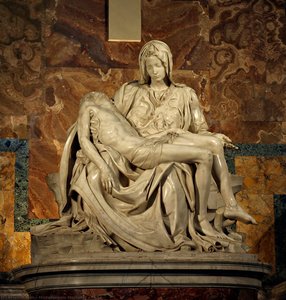 Pieta1499
 Design for a statue of Henry II of France1559
 Male nude and arm of bearded man1504
 Sketch of a Nude Man (study for the "Battle of Cascina")1503
Eseje k tématu Study for Haman
 Shadow and Sanguine: The Technical Mastery of Chiaroscuro and Red Chalk in Fine ArtMaster the technical secrets of chiaroscuro and red chalk through historical analysis. Explore the science of light and shadow today.
 Michelangelo's Masterpieces: The Top 25 Greatest Works of a Renaissance IconExplore 25 iconic Michelangelo masterpieces from the Renaissance. Discover the genius behind the stone. Explore the full collection online.
 Anatomical Precision: How Renaissance Masters Transformed Scientific Discovery into Artistic MasteryExplore how Renaissance masters merged science and art through anatomical study. Discover the legacy of Leonardo da Vinci today.