

 Náhled v interiéru
 Sdílet
 Sdílet
 Podrobnosti o díle
 Průvodce

 Stáhnout
 Podobné položky
 Rentgenové snímky
 Slideshow
 Statistiky
Informes confidenciales


 Zobrazit více
Umělecké dílo zobrazené na této stránce je chráněno autorským zákonem, což znamená, že nemůžeme legálně vytvářet ani prodávat jeho identickou reprodukci. Tato ochrana je vymáhána na základě mezinárodních dohod, jako například Berberská úmluva a národními zákony, včetně těch stanovených v Americký autorský zákon – Díl 17. Všechna práva vyhrazena.
Tato metoda je plně v souladu s autorským právem, protože nezahrnuje kopírování ani duplikování chráněného díla. Jde o kreativní reinterpretaci – nový obraz, který je inspirován originálem, ale není s ním identický.
Giclée / Umělecký tisk
Giclée nebo plátěný tisk muzeální kvality s rychlou výrobou a širokou nabídkou povrchových úprav. ( Koupit ručně malovaný obraz Přepnout na digitální obraz)




P118B Kč10

P118H Kč10

P118W Kč10

P438Z Kč10

P508JH Kč12

P508YH Kč12

P805H Kč10

P805Z Kč10

P919BZ Kč10

P919G Kč10

P919XJ Kč10

P959ZH Kč10

P968JZ Kč12

W106C Kč8

W218G Kč10

W218JH Kč8

W218Y Kč10

W307PJ Kč10

W316G Kč10

W316PJ Kč8

W316Y Kč10

W398PJ Kč8

W4111J Kč10

W500HY Kč15

W500JH Kč15

W692G Kč12

W849H Kč8

W940BG Kč15

W953PJ Kč8




Vyberte si z našich přednastavených velikostí, které odpovídají původním proporcím díla.

Zadejte šířku a výšku, které potřebujete pro váš rám nebo stěnu. Tisk lze pouze oříznout, nikdy však nelze zvětšit obraz nad jeho původní rozměr, proto při výběru jiného formátu dochází ke ztrátě části obrazu. Před samotným tiskem vám zašleme digitální náhled k schválení. Obraz zobrazený na této stránce nenabízí skutečný výřez — ten uvidíte pouze v náhledu.
Celosvětové doručení () do 2 týdnů namísto standardních 4/5 týdnů. (25 říjen)

Zdarma celosvětová expresní doprava

Vysoce kvalitní lněné plátno

Kompletní pojištění přepravy

Záruka vrácení celního poplatku

Záruka věrného barevného souladu

100dení lhůta pro vrácení zboží (pouze při vadách výroby)

100% záruka vrácení peněz

Sleva při více objednávkách
 Skleněná varianta je dostupná pouze u rozměrů menších než 110 cm

Informes confidenciales
Giclée / Umělecký tisk
Rozměry reprodukce
-


Celková cena za vybrané možnosti reprodukcí
Kč 1711
The Enigmatic Forest of “Informes Confidenciales”
Max Ernst’s “Informes Confidenciales,” a captivating monochrome drawing, isn't merely a depiction of a forest; it’s an invitation into the subconscious, a dreamscape rendered with meticulous detail and unsettling beauty. Created around 1925, this piece emerged from a period of intense experimentation for Ernst – a time when he was actively dismantling traditional artistic conventions and forging his own path through the burgeoning Surrealist movement. The work immediately arrests the viewer with its unusual trees: not realistic representations of nature, but stylized figures that seem to defy gravity and logic, hinting at hidden narratives and psychological depths.
- Composition & Form: The arrangement is deliberately dense, creating a sense of claustrophobia and mystery. The central tree dominates the scene, yet its elongated, almost skeletal form suggests vulnerability rather than strength. Smaller trees cluster around it, mirroring and amplifying this feeling of unease.
- Technique: Ernst’s masterful use of hatching and shading establishes a remarkable textural quality – one can almost feel the rough bark of the trunks and the dense foliage surrounding them. The meticulous linework contributes to an overall impression of controlled chaos.
Roots in Dada and Surrealism
To fully appreciate “Informes Confidenciales,” it’s crucial to understand its historical context. Ernst was a pivotal figure in both the Dada and Surrealist movements, reacting against the horrors of World War I and seeking new ways to express human experience. His technique of *frottage* – rubbing pencil or crayon over textured surfaces – became central to his artistic practice, allowing him to tap into the unconscious and generate unexpected imagery. This method is clearly evident in the creation of this drawing; the distorted forms are not born from direct observation but rather from a process of subconscious exploration.
The title itself, “Informes Confidenciales,” (Confidential Reports) adds another layer of intrigue. It suggests hidden truths and secret communications – perhaps mirroring Ernst’s own attempts to decode the complexities of the human psyche. The work can be interpreted as a visual representation of anxieties, fears, and unresolved memories, all rendered in the stark, evocative language of Surrealism.
Symbolic Layers: Birds, Trees, and the Unconscious
The trees within “Informes Confidenciales” are not simply botanical subjects; they’re potent symbols. Their elongated forms and distorted shapes evoke a sense of disorientation and psychological tension. Some art historians interpret them as representations of the human subconscious – a tangled web of desires, fears, and unresolved conflicts. The presence of birds, frequently featured in Ernst's work, further reinforces this interpretation, suggesting a connection to freedom, transformation, and the realm of dreams.
- The Central Tree: Often seen as representing the self or the individual psyche, its imposing size and distorted form suggest both strength and vulnerability.
- The Forest Setting: The dense forest symbolizes the complexities and uncertainties of life, while also offering a space for introspection and exploration.
A Legacy of Dreamlike Imagery
“Informes Confidenciales” stands as a testament to Max Ernst’s innovative spirit and his profound engagement with the subconscious. It's a work that invites repeated viewing, revealing new layers of meaning with each encounter. Its monochrome palette, combined with its unsettling imagery, creates a powerfully evocative experience – one that resonates deeply with the core principles of Surrealism. Today, reproductions of this remarkable drawing continue to captivate art lovers and collectors alike, offering a glimpse into the mind of a true visionary.
Otázky a odpovědi
Do které místnosti by se vzhledem k barevné paletě doporučovalo umístit dílo "Informes confidenciales"?
Vzhledem k jeho Neutrals barevnosti je dílo „Informes confidenciales“ doporučeno do místnosti Living Room.
Jak je utkaná barevná kompozice díla „Informes confidenciales“ od Max Ernst?
Barevná analýza díla „Informes confidenciales“ od Max Ernst zachycuje Statement kontrast a Strong Color Unity harmonii.
Jaký je doporučený formát a orientace pro tisk díla "Informes confidenciales"?
Pro dílo „Informes confidenciales“ doporučujeme tisk ve velikosti Medium v orientaci Tall.
Biografie umělce
A Life Immersed in the Surreal
Max Ernst, narozený Maximilian Maria Ernst 1. dubna 1891 v Brühl u Kolína nad Rýnem, byl duchem volným a předurčeným k tomu, aby se stal jednou z klíčových postav 20. století ve světě umění. Jeho cesta nebyla cestou konvenčního uměleckého vzdělávání; spíše to byla sebevlastní průzkum poháněný filozofickou zvědavostí, psychologickým zájmem a hlubokým zklamáním z společenských norem. Jeho otec, učitel neslyšících a amatérský malíř, v něm zanechal jak citlivost k světu, tak rebélie proti zavedenému řádu. Tato raná duality se stala definující vlastností jeho umělecké vize.
Ernstovy akademické úsilí na Univerzitě v Bonnu – zahrnující filozofii, dějiny umění, literaturu, psychologii a psychiatrii – nebyly pouhými odbočkami, ale hluboce informovaly jeho pozdější tvorbu. Nebyl jen zájem o *jak* malovat; zkoumal *proč*. Tato intelektuální zvědavost ho vedla k setkání s průkopnickými díly Picassa, Van Gogha a Paula Gaugna na výstavě Sonderbund v Kolíně v roce 1912 – okamžik, který neodvratně změnil jeho uměleckou dráhu. Semena modernismu byla zasadena.
Dada’s Disruption and the Birth of Surrealist Visions
Rozhořčení první světové války se ukázalo jako milník pro Ernsta. Jeho zkušenosti jako vojáka na východní i západní frontě ho hluboce otřásly, což vedlo k hluboké nedůvěře k zavedenému řádu a touze po nových formách vyjádření. Toto zklamání našlo útočiště v rozvíjejícím se dadaismu, kterému se pevně zavázal poté, co se vrátil do Kolína v roce 1918. Vedle Hana Arpa – věrného přítele a spolupracovníka – se Ernst stal klíčovou postavou kolínské Dada skupiny, odmítl tradiční umělecké konvence a přijmul absurditu, náhodu a protiracionálnost.
Dada však byla jen mezikrok. V počátcích 20. let se Ernst přesunul do Paříže a připojil se k Surrealistům vedeným André Bretonem. To znamenalo posun směrem k prozkoumávání snu, nevědomí a iracionality. Vliv psychoanalytických teorií Sigmunda Freuda vedl Ernsta k tomu, aby odhaloval skryté hloubky lidské zkušenosti prostřednictvím svého umění. Nebyl zájem o zobrazení reality tak, jak se jeví, ale spíše o odhalení podkladních psychologických sil, které ji utvářejí.
Pioneering Techniques: Frottage, Grattage, and Collage
Ernstova umělecká inovace se rozprostřela za hranice předmětu; byl neúnavným experimentátorem s technikami. Nevzal pouze stávající metody – vynalezl nové. Možná jeho nejznámější příspěvek je frottage, proces otírání tužky nebo grafitu na texturované povrchy za účelem vytvoření neočekávaných a sugestivních obrazů. Tato technika, která vznikla z momentu nudy při pozorování dřevěných vláken, umožnila Ernstovi zapojit podvědomí a generovat tvary, které odporovaly vědomé kontrole. Blízce spojená byla grattage, kde se barva škrabe po plátně a odhaluje podkladové vrstvy.
Mistrovsky také využíval collage, sestavování rozptýlených prvků – obrázků z časopisů, vědeckých ilustrací, fotografií – do surrealistických kompozic, které podkopávaly konvenční představy o reprezentaci. Tyto techniky nebyly pouhé stylistické volby; byly nedílnou součástí jeho průzkumu nevědomí a touhy po narušení tradičních uměleckých hranic. Jeho obrazy často zobrazují opakující se symbolický obrazový materiál: ptáky (zvláště svého alter ego Loplop), pusté krajiny, znepokojivé juxtaposice a všudypřítomný pocit záhady.
A Legacy of Innovation and Influence
Rozruch druhé světové války přinutil Ernsta uprchnout z Evropy a hledat útočiště v USA. Pokračoval ve své tvorbě a experimentování s novými technikami po celou dobu svého vyhnanství, nakonec se vrátil do Francie po válce, kde zůstal aktivní až do své smrti 1. dubna 1976 v Paříži. Jeho vliv na další generace umělců je nezměřitelný.
Max Ernstovy příspěvky k Dadaismu a Surrealismu byly bezesporu průlomové. Zpochybnil umělecké normy, prozkoumal hloubky lidského nevědomí a vynalezl inovativní techniky, které inspirují umělce dodnes. Nebyl jen malíř; byl průzkumník, provokátor a vizionář, který rozšířil hranice umění samotného.
- Klíčové díla: The Entire City, Euclides, Of This Men Shall Know Nothing, Forest and Dove
- Vlivy: Pablo Picasso, Vincent van Gogh, Paul Gauguin, Sigmund Freud, Giorgio de Chirico
- Směry: Dada, Surrealismus
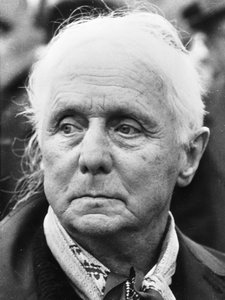
Max Ernst
1891 - 1976 , Německo
Rychlé informace o umělci
- Artistic Movement Or Style: Dada, Surrealismus
- Artists Or Movements Influenced By This Artist:
- Surrealismus
- Dada
- Artists Who Influenced This Artist:
- Picasso
- Van Gogh
- Gauguin
- Date Of Birth: 1. dubna 1891
- Date Of Death: 1. dubna 1976
- Full Name: Max Ernst
- Nationality: Německý-Americký, Francouzský
- Notable Artworks:
- Ofrenda funeraria
- The Equivocal Woman
- L'Ange du foyer
- Place Of Birth: Brühl, Německo
Související články

Max Ernst: 25 mistrovských děl surrealismu pro váš domov | OriginalUniqueArt.com
Prozkoumejte 25 ikonických děl Maxe Ernsta – surrealistického mistra. Objevte příběhy za obrazy, techniky a inspiraci pro váš interiér s OriginalUniqueArt.com. Kvalitní reprodukce umění online.

Top 10 slavných obrazů s dominantní černou barvou | OriginalUniqueArt.cz
Prozkoumejte 10 nejslavnějších obrazů s dominantní černou barvou od Van Gogha, Muncha a dalších mistrů. Objevte příběhy za uměleckými díly, techniky a inspiraci. Reprodukce obrazů nejvyšší kvality na OriginalUniqueArt.com.
The Nuances of Graphite: Exploring Emotional Depth & Technical Mastery in Pencil Drawing
Explore the captivating world of graphite drawing! Discover its rich history, master essential techniques like chiaroscuro, and learn how artists evoke emotion through this timeless medium. Expert insights for art enthusiasts.
Top 10 slavných obrazů v odstínech lampové černé – Umění a dekorace s OriginalUniqueArt
Prozkoumejte 10 slavných obrazů ovládaných odstíny lampové černé – od Rembrandta po Maneta. Objevte příběhy umělců, techniky a inspiraci pro váš interiér s OriginalUniqueArt.com. Reprodukce nejvyšší kvality online!
Top 10 slavných obrazů v odstínech černé – Umění a dekor s OriginalUniqueArt
Prozkoumejte 10 nejslavnějších obrazů ovládaných odstíny černé. Objevte příběhy za uměleckými díly, techniky a inspiraci ikonických mistrů. Reprodukce obrazů s OriginalUniqueArt – luxusní dekorace pro váš domov. Prohlédněte si celou kolekci online!


