

 Náhled v interiéru
 Sdílet
 Sdílet
 Podrobnosti o díle
 Průvodce

 Stáhnout
 Podobné položky
 Rentgenové snímky
 Slideshow
 Q&A
Q&A Statistiky
St Jerome
 Oil On Panel
- WallArt
- Northern Renaissance
 1547
1547- Renaissance
 80.0 x 108.0 cm
 Museo del Prado
 Zobrazit více
Získejte soubor připravený k tisku, který svou kvalitou výrazně převyšuje webový náhled. Každý prodávaný digitální obraz pochází z vysokorozlišeného originálu v naší databázi – obvykle o šířce 5 000 až 15 000 pixelů – díky čemuž můžete tisknout ve velkém formátu, provádět těsný střih nebo si s jistotou užít i ty nejjemnější detaily.
Žádný soubor neopustí naše studio bez úprav. Digitální expert kontroluje barvy v porovnání s původním malířským dílem a v případě potřeby je upravuje, poté pomocí profesionálních nástrojů pro retuš zvyšuje ostrost a detailnost — přičemž vždy zůstává věrný tahům štětcem a stylu umělce. Výsledkem je obraz, který vypadá jako malba, nikoliv jako naskenovaný snímek s filtrem.
Schvalování před dokončením: náš expert vám do 72 hodin zašle obraz e-mailem k revizi. Nejsste spokojeni? Můžete požádat o úpravy či opravy, nebo si můžete vyžádat vrácení peněz, pokud kvalita neodpovídá vašim očekáváním.
Tuto kvalitu využívají vydavatelství, designová studia, galerie i tiskárny.
Digitální obrazy
Stáhněte si soubor ve vysokém rozlišení pro osobní prohlížení, tisk nebo kreativní projekty. ( Přepnout na tisk Koupit ručně malovaný obraz)
Součást každé objednávky digitálního obrazu
Profesionální digitální doručení, zaručené
Když si vyberete OriginalUniqueArt.com, nezískáváte pouze obrázek – získáváte digitální umělecké dílo s profesionálně vylepšenými detaily, zpracované s precizností a podpořené zárukou za spokojenost. Zde je vše, co vaše objednávka automaticky obsahuje:

Rychlé doručení e-mailem
Váš digitální obraz ve vysokém rozlišení vám bude zaslán e-mailem do 72 hodin od objednávky – připraven k okamžitému použití.

Digitální soubor s využitím AI
Vaše umělecké dílo je profesionálně optimalizováno pomocí pokročilých nástrojů umělé inteligence a manuální úpravy, což zajišťuje maximální úroveň detailu, ostrosti a přesnosti barev.

Doživotní bezplatné znovuodeslání digitálních obrazů
Soubor jste omylem smazali nebo ztratili? Žádný problém – kdykoliv vám ho znovu zašleme zcela zdarma.

Bez poplatků za dovoz – navždy
Užijte si své umělecké dílo okamžitě bez celních poplatků, daní nebo nákladů na dopravu – digitální stažení je vždy bez daňových povinností.

Záruka přesnosti barev
Díky profesionálním nástrojům a správě barev zajišťujeme, aby váš digitální obraz odrážel původní barvy co nejvěrněji.

100dená záruka spokojenosti
Pokud nebudete s digitálním obrázkem spokojeni, provedeme jeho revizi nebo vám vrátíme 100% platby do 100 dnů – bez jakýchkoliv dotazů.

100% záruka vrácení peněz
Nespokojeni? Získejte plnou náhradu peněz do 100 dnů od obdržení digitálního souboru – bez zbytečných dotazů.

Slevy při hromadných objednávkách
Koupě 3 obrazů ušetří 10% – Koupě 5 obrazů ušetří 15% – Koupě 10+ obrazů ušetří 20%. Ideální pro kreativní projekty, galerie a agentury.
A Sanctuary of Silent Wisdom
In the quiet, contemplative depths of Marinus van Reymerswaele’s St Jerome, we are invited into a world where the pursuit of divine knowledge meets the heavy reality of human existence. Completed around 1547, this oil-on-panel masterpiece serves as a profound window into the Northern Renaissance—a period defined by an almost obsessive devotion to detail and a deep-seated fascination with the symbolic language of everyday objects. The painting captures the saint not merely as a historical figure, but as an emblem of intellectual piety, embodying the humanist ideals that were reshaping Europe during the Reformation era.
The scene is anchored by the central figure of St Jerome, an elderly scholar whose weathered face and long, flowing beard speak of decades spent in rigorous study. Draped in a richly textured crimson robe—a hue that signifies his ecclesiastical dignity as a cardinal or bishop—he sits at a desk that serves as a stage for profound theological reflection. The atmosphere is one of heavy, scholarly stillness, where the only movement is the soft stream of natural light entering from an upper corner, casting gentle shadows that heighten the sense of tranquil isolation.
The Language of Symbols and Mortality
Every object meticulously placed upon the desk by Reymerswaele serves as a silent narrator, contributing to a complex tapestry of meaning. At the heart of the composition lies an open book, its illuminated text hinting at Jerome’s monumental task: the translation of the Bible into Latin. This act of scholarship was pivotal in shaping Christian theology, and the artist renders the parchment with such tactile accuracy that one can almost feel the weight of the history contained within those pages.
Yet, amidst this celebration of intellect, a somber reminder of our shared fate rests near the book: a skull. This memento mori—a classic Renaissance motif—serves as a poignant counterpoint to the scholarly pursuits, reminding the viewer of the ephemeral nature of earthly life and the inevitability of death. Other carefully positioned tools, such as a pair of compasses symbolizing the navigation toward divine truth and a quill pen representing the power of intellectual discourse, further enrich the scene. Through these symbols, Reymerswaele transforms a simple study into a profound meditation on the balance between worldly learning and spiritual preparation.
A Masterpiece for the Discerning Collector
Technically, the painting is a triumph of Northern Renaissance realism. Reymerswaele’s ability to capture the varied textures of heavy fabric, aged wood, and cold bone is nothing short of remarkable. His expressive brushwork, blended with a subdued palette of earth tones, creates a solemn and immersive atmosphere that draws the viewer into the saint's private sanctuary. The subtle modeling of forms and the interplay of light and shadow provide a depth that makes the composition feel remarkably alive.
For the art lover or interior designer, a high-quality reproduction of St Jerome offers more than just aesthetic beauty; it brings a sense of historical gravity and intellectual depth to any space. Whether placed in a private library, a study, or a sophisticated living area, this artwork acts as a focal point for contemplation. It is a piece that invites conversation, offering a window into a time when faith and reason were inextricably intertwined, making it an enduring choice for those seeking to surround themselves with art that possesses both soul and substance.
Otázky a odpovědi
O jaký typ uměleckého díla se jedná u „St Jerome“ od Marinus Van Reymerswaele?
Dílo „St Jerome“ od Marinus Van Reymerswaele je klasifikováno jako WallArt. Tato kategorie určuje typ uměleckého díla, kterým je originál.
Jsou barvy v díle „St Jerome“ od Marinus Van Reymerswaele syté, nebo tlumené?
Barvy díla „St Jerome“ od Marinus Van Reymerswaele mají Subtle Color saturaci. Saturace určuje, jak jsou barvy živé nebo tlumené.
Jaké jsou rozměry originálu díla „St Jerome“ od Marinus Van Reymerswaele?
Zaznamenané rozměry díla „St Jerome“ od Marinus Van Reymerswaele jsou 80 x 108 cm. Reprodukce lze objednat v jiných velikostech při zachování stejných proporcí.
Biografie umělce
The Enigmatic Master of Antwerp's Shadows
In the bustling, mercantile heart of the sixteenth-century Low Countries, a painter emerged whose brush captured the profound tension between spiritual devotion and worldly greed. Marinus van Reymerswaele, an artist whose very name evokes the coastal town of Reimerswaal where he was born, remains one of the most fascinating enigmas of the Dutch Renaissance. His life followed the typical trajectory of a skilled craftsman; after studying in Leuven, he found professional footing within the prestigious Antwerp Guild of Saint Luke. Registered as a pupil of the glass painter Symon van Daele, Reymerswaele possessed an eye for detail and light that would later define his mastery of texture and atmosphere.
As he established himself in Antwerp, the epicenter of European trade, his work began to mirror the city's own complex identity. He operated a prolific workshop, a bustling studio capable of producing numerous versions of his most celebrated themes. This industriousness allowed his specific visual language—a blend of meticulous realism and biting social commentary—to permeate the collections of the era. His paintings did not merely depict scenes; they staged moral dramas that reflected the anxieties of an era caught between medieval piety and the rising tide of capitalism.
A Gallery of Greed and Grace
To look upon a work attributed to Reymerswaele is to enter a space where the sacred and the profane collide. He was a master of a very specific, recurring iconography that captured the imagination of the sixteenth-century public. His compositions often centered on four pivotal themes that explored the human condition through various lenses:
- The intense study of St. Jerome, representing scholarly devotion and religious contemplation.
- The bustling activity of tax collectors, serving as a satirical commentary on greed and corruption.
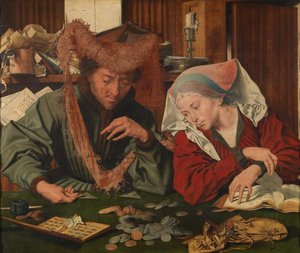
- A money changer and his wife, capturing the intersection of domestic life and commerce.
- The legal world, such as a lawyer in his office, reflecting the growing complexity of civic bureaucracy.
His masterpiece, Two Tax Gatherers, stands as a striking example of Northern Renaissance art. Through the use of oil on oak wood, he achieved a sense of depth and texture that brought his subjects to life. The painting serves as a vivid commentary on the corruption of tax officials, using the detailed depiction of clothing and surroundings to ground his satire in a recognizable reality. In these works, the heavy, old-fashioned garments of his characters add a layer of social critique, reminding the viewer of the era's shifting moral landscape.
Legacy and Artistic Influence
The stylistic development of Marinus van Reymerswaele shows the profound influence of the Antwerp painter Quentin Matsys. This connection helped shape his ability to blend elements of realism with a sharp, often caricatural sense of humor. His work is characterized by an attention to detail that allows the viewer to witness the minute textures of manuscripts, legal documents, and coins, all of which serve as symbols of the era's preoccupation with wealth and law.
While he worked extensively in Antwerp, his journey eventually led him back to the Northern Netherlands. After working in Antwerp until at least 1540, he moved to Goes, where his life reached its conclusion. Though many of his panels are known through attribution rather than signature, his impact on the genre scene remains undeniable. He left behind a visual legacy that continues to captivate, offering a profound glimpse into the mind of an artist grappling with faith, scholarship, and the ever-present shadows of human avarice.
Marinus Van Reymerswaele
1490 - 1546 , Nizozemsko