
 Náhled
 Sdílet
 Sdílet
 Podrobnosti o díle

 Stáhnout
 Podobné položky
 Rentgenové snímky
 Slideshow
 Statistiky
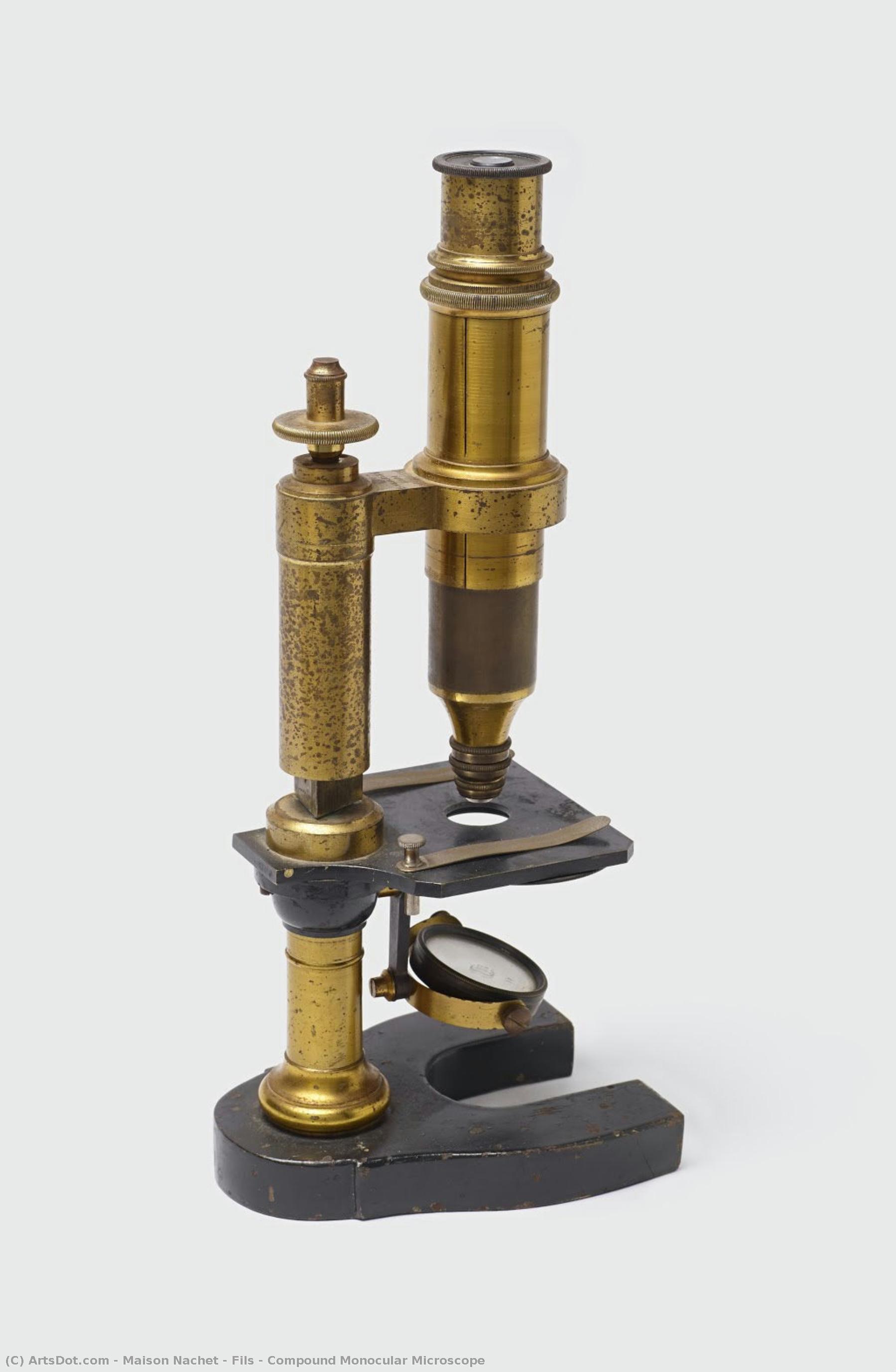
Compound Monocular Microscope


 Zobrazit více
Giclée / Umělecký tisk
Giclée nebo plátěný tisk muzeální kvality s rychlou výrobou a flexibilními možnostmi povrchové úpravy. ( Koupit ručně malovaný obraz Přepnout na digitální obraz)




































Vyberte si z našich přednastavených velikostí, které odpovídají původním proporcím díla.

Můžete zadat vlastní rozměry tak, aby výtvor odpovídal konkrétnímu rámu nebo prostoru. Pokud zvolená velikost nebude odpovídat poměru stran původního obrazu, dílo buď ořížeme, nebo obraz rozšíříme pomocí zrcadlového efektu či jednobarevného okraje. Před zahájením výroby vám bude zaslán digitální náhled k schválení.
Mějte prosím na paměti, že náhled na obrazovce neodráží skutečné oříznutí nebo rozšíření. Pouze digitální náhled přesně zobrazí finální kompozici.
Ačkoliv jsou k dispozici i vlastní rozměry, pro zachování původních proporcí doporučujeme vybrat si rozměr z předdefinovaného seznamu.
Celosvětové doručení () do 2 týdnů namísto standardních 4/5 týdnů. (11 září)

Zdarma celosvětová expresní doprava

Vysoce kvalitní lněné plátno

Kompletní přepravní pojištění

Záruka vrácení celního poplatku

Záruka přesného barevného shodu

100dená lhůta pro vrácení zboží (pouze při vadách)

100% garance vrácení peněz

Sleva při hromadné objednávce
 Skleněná varianta je dostupná pouze u rozměrů menších než 110 cm

Compound Monocular Microscope
Giclée / Umělecký tisk
Rozměry reprodukce
-


Celková cena za výběr
$ 80
Biografie umělce
A Legacy of Precision: Maison Nachet & Fils and the Dawn of Modern Microscopy
Maison Nachet & Fils stands as a testament to France’s contribution to scientific advancement during the 19th century – specifically, its pivotal role in establishing the foundation for modern microscopy. Founded by Charles-Augustin Nachet in Lyon around 1840, this optical instrument manufacturer didn't merely produce telescopes and eyeglasses; it spearheaded innovation that fundamentally altered how scientists observed the microscopic world. Their unwavering commitment to quality craftsmanship and meticulous design cemented their place as pioneers of a transformative era.- Early Years & Founding Principles: Charles Augustin Nachet inherited his father’s optical workshop, recognizing the burgeoning demand for instruments capable of revealing unseen realms. Driven by a passion for accuracy and fueled by advancements in glassmaking techniques—particularly flint glass—Nachet established Maison Nachet & Fils with a singular goal: to create microscopes that surpassed existing models in clarity and reliability.
- Innovation Through Flint Glass: Unlike the prevailing use of Crown glass, which offered acceptable magnification but lacked optimal illumination, Nachet championed the incorporation of flint glass into his microscope designs. This groundbreaking decision dramatically improved image brightness and reduced chromatic aberration—the color fringing that plagued earlier instruments. It was a strategic move reflecting the broader scientific understanding of the time.
- The Rise of Compound Microscopes: Maison Nachet & Fils quickly became synonymous with compound microscopes – instruments utilizing two lenses to achieve greater magnification than single-lens telescopes. Their meticulous construction, employing hardened steel frames and precisely calibrated optics, ensured stability and consistent performance—factors crucial for accurate scientific observation.
A Workshop Dedicated to Excellence: Craftsmanship & Technological Advancement
The Nachet family’s dedication extended beyond mere production; it encompassed a profound understanding of optical principles. They invested heavily in research and development, attracting skilled artisans and technicians who shared their vision for superior instrument design. Their workshop meticulously adhered to stringent quality standards—a rarity in the industrializing landscape of Lyon—resulting in microscopes that became prized possessions among researchers across Europe and beyond. Detailed drawings and specifications documented every step of the manufacturing process, reflecting a commitment to reproducibility and scientific rigor.- Collaboration with Scientists: Maison Nachet & Fils actively engaged with prominent scientists of their time, fostering partnerships that propelled innovation. Collaborations with figures like Louis Pasteur cemented the company’s reputation for supplying instruments vital to groundbreaking discoveries—most notably Pasteur's work on germ theory.
- Design Philosophy: The firm’s aesthetic sensibilities prioritized functionality alongside elegance. Microscopes were crafted from polished brass and fitted with comfortable eyepieces, demonstrating a consideration for both scientific utility and user experience. This attention to detail underscored the belief that instruments should inspire curiosity and facilitate accurate observation.
Impact & Legacy: Shaping Scientific Observation
Maison Nachet & Fils’ microscopes weren't simply tools; they were catalysts for scientific progress. Their superior optics enabled researchers to visualize cells, bacteria, and viruses with unprecedented detail—laying the groundwork for advancements in medicine, biology, and chemistry. The company’s influence extended far beyond Lyon, establishing a global network of distributors and cementing its position as one of France's foremost instrument makers.- Continued Production & Recognition: Maison Nachet & Fils continued to operate into the early 20th century, adapting to evolving scientific needs while maintaining its commitment to quality. Their instruments were utilized in laboratories worldwide and became recognized as benchmarks of excellence—a testament to their enduring legacy.
A Symbol of French Scientific Heritage
Today, Maison Nachet & Fils’ microscopes reside in museums and universities globally, serving as tangible reminders of France's contribution to the history of science. They represent more than just instruments; they embody a spirit of innovation, meticulous craftsmanship, and unwavering dedication to advancing human understanding—qualities that continue to inspire optical instrument makers and scientists alike.
maison nachet & fils
France
Rychlé fakta
- Artistic Movement Or Style: Scientific Instrument Making
- Full Name: Charles Augustin Nachet & Fils
- Nationality: French
- Notable Artworks: ['Compound Monocular Microscope']
- Place Of Birth: Paris, France