



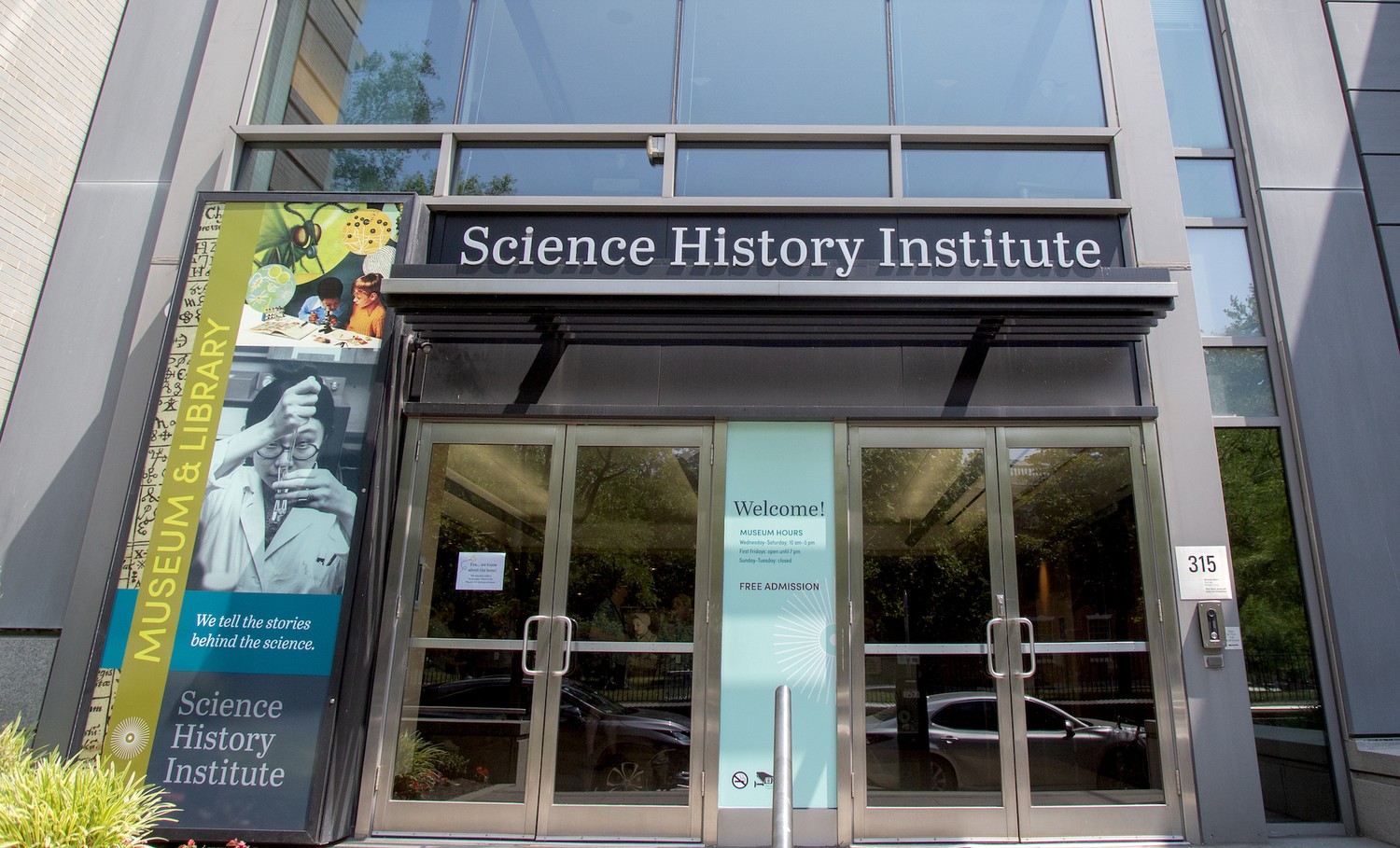
A Symphony of Discovery: The Soul of the Science History Institute
In the heart of Philadelphia’s historic Old City, where the echoes of the American Revolution linger in the cobblestone streets, lies a sanctuary that celebrates a different kind of revolution—the transformative power of human inquiry. The Science History Institute is not merely a repository of facts, but a beautifully curated narrative of how curiosity has sculpted our modern world. To step inside is to enter a space where the boundaries between the analytical and the aesthetic dissolve, offering a profound experience for those who find beauty in the precision of a chemical formula or the elegant complexity of a mechanical invention. It is a place where the tangible artifacts of progress are presented with the reverence typically reserved for fine art, inviting visitors to contemplate the very fabric of our reality.
The architecture of the Institute serves as a striking metaphor for its mission, blending a stately Victorian heritage with contemporary transparency. The building itself, a meticulously renovated structure that reflects the industrious spirit of the WPA era, stands as a testament to endurance and renewal. Within its walls, light plays a crucial role; far from the dim, cloistered halls one might expect of an archive, the museum is bright and airy, allowing the luster of scientific instruments and the delicate textures of historical manuscripts to shine. This luminosity creates an inviting atmosphere for collectors and designers alike, as the interplay of glass, steel, and historic masonry provides a sophisticated backdrop that mirrors the clarity sought by the scientists of the past.
The Alchemy of Objects: Treasures from the Laboratory to the Living Room
The collection at the Science History Institute is an extraordinary tapestry woven from threads of chemistry, engineering, and the life sciences. It spans a breathtaking chronological arc, beginning with the esoteric and mystical practices of alchemy and progressing through to the sophisticated molecular research that defines our current age. One might find themselves captivated by the delicate artistry of early medical instruments or the rugged, functional beauty of industrial machinery. There is a profound sense of storytelling in these objects; they are not static relics but characters in a grand drama of innovation. For the art lover, there is a unique aesthetic pleasure in observing the evolution of design—how the utilitarian necessity of an early microscope eventually gave way to the sleek, ergonomic elegance of modern laboratory tools.
Perhaps most enchanting is the museum's ability to bridge the gap between the laboratory and the everyday. Through exhibits like The Object Explorer , the Institute illuminates the hidden scientific wonders within our own homes. Seeing a simple plastic soda bottle or an LED bulb through the lens of chemical history transforms these mundane items into marvels of human ingenuity. This approach resonates deeply with interior designers and curators who understand that true luxury and thoughtful design are rooted in the mastery of materials. The museum proves that science is not an abstract concept confined to textbooks, but a tangible presence in the very objects we touch, wear, and inhabit.
A Legacy of Intellectual Brilliance
Beyond its physical treasures, the Institute serves as a vital intellectual hub, housing the unparalleled Othmer Library of Chemical History and a rich archive of oral histories. This repository of human experience ensures that the stories of the innovators—the triumphs, the failures, and the moments of sudden revelation—are preserved for future generations. The museum’s programming often delves into the ethical complexities of scientific advancement, prompting visitors to reflect on how discovery shapes societal values. It is this synthesis of history, ethics, and innovation that makes the Institute a unique destination; it does not just show us what we have discovered, but asks us to consider what those discoveries mean for our shared future.
For those wandering through Philadelphia’s rich cultural landscape, a visit to the Science History Institute offers a perfect intellectual counterpoint to the grand canvases of the Philadelphia Museum of Art or the sartorial histories found at Drexel University. It is a destination that rewards the contemplative mind, offering a rare opportunity to witness the beautiful, often messy, and always breathtaking journey of human progress. Whether you are drawn by the allure of historical manuscripts, the precision of scientific instrumentation, or the sheer inspiration of human perseverance, the Institute stands as a beacon of light in our ongoing quest to understand the universe.