- Domů

- Tisk na plátno
- luis de carbajal
- Circumcision

 Objednat reprodukci Koupit digitální obrázek
 Sdílet
 Sdílet
 Podrobnosti o díle
 Přidat do oblíbených

 Stáhnout
 Podobné položky
 Rentgenové snímky
 Slideshow
Circumcision
 Akryl na plátně
- Obrazová tvorba na stěnu
- Baroque Revival
 1580
1580 95.0 x 73.0 cm
 Státní Ermitáž
 Zobrazit více
Giclée / Umělecký tisk
Giclée nebo plátěný tisk muzeální kvality s rychlou výrobou a flexibilními možnostmi povrchové úpravy.




P118B $10

P118H $10

P118W $10

P438Z $10

P508JH $12

P508YH $12

P805H $10

P805Z $10

P919BZ $10

P919G $10

P919XJ $10

P959ZH $10

P968JZ $12

W106C $8

W218G $10

W218JH $8

W218Y $10

W307PJ $10

W316G $10

W316PJ $8

W316Y $10

W398PJ $8

W4111J $10

W500HY $15

W500JH $15

W692G $12

W849H $8

W940BG $15

W953PJ $8




Vyberte si z našich přednastavených velikostí, které odpovídají původním proporcím díla.

Můžete zadat vlastní rozměry tak, aby výtvor odpovídal konkrétnímu rámu nebo prostoru. Pokud zvolená velikost nebude odpovídat poměru stran původního obrazu, dílo buď ořížeme, nebo obraz rozšíříme pomocí zrcadlového efektu či jednobarevného okraje. Před zahájením výroby vám bude zaslán digitální náhled k schválení.
Mějte prosím na paměti, že náhled na obrazovce neodráží skutečné oříznutí nebo rozšíření. Pouze digitální náhled přesně zobrazí finální kompozici.
Ačkoliv jsou k dispozici i vlastní rozměry, pro zachování původních proporcí doporučujeme vybrat si rozměr z předdefinovaného seznamu.
Celosvětové doručení () do 2 týdnů namísto standardních 4/5 týdnů. (23 červenec)

Zdarma celosvětová expresní doprava

Vysoce kvalitní lněné plátno

Kompletní přepravní pojištění

Záruka vrácení celního poplatku

Záruka přesného barevného shodu

60denní lhůta pro vrácení zboží (pouze při vadách výroby)

100% garance vrácení peněz

Sleva při hromadné objednávce
 Skleněná varianta je dostupná pouze u rozměrů menších než 110 cm

Circumcision
Giclée / Umělecký tisk
Rozměry reprodukce
-


Celková cena za výběr
-
Popis sběratelského kousku
Luis de Carbajal: Toledo’s Gothic Soul Transformed
Luis de Carbajal (c. 1531 – after 1618), born in Toledo, Spain, stands as one of the most prolific and influential painters of the Spanish Renaissance, particularly renowned for his monumental cathedral altarpieces that embody the grandeur and spiritual fervor of the era. While overshadowed by contemporaries like El Greco—with whom he shared a formative artistic connection—Carvajal’s distinctive style cemented his place in art history as a pivotal figure in Toledo’s artistic revival and a masterful interpreter of Gothic sensibilities adapted to the burgeoning humanist spirit. His output spanned decades, leaving behind an impressive legacy that continues to inspire admiration for its meticulous detail and emotive power. ### The Crucible of Influence: Early Training and El Greco's Legacy Carvajal’s formative years coincided with El Greco’s arrival in Toledo, establishing himself as a teacher and fostering a stylistic dialogue that would profoundly shape Carbajal's artistic vision. This mentorship instilled in him a fascination for dramatic lighting—a hallmark of El Greco’s Mannerist style—and an unwavering commitment to conveying spiritual depth through meticulously rendered figures. The influence of Villoldo, another prominent Toledo artist, contributed to his understanding of classical proportions and compositional balance, grounding his work in humanist principles alongside religious devotion. This confluence of artistic traditions ensured that Carbajal's oeuvre would never be merely decorative; it would always strive for profound emotional resonance. ### Cathedral Altarpieces: Monumental Expressions of Faith – A Synthesis of Tradition and Innovation Carvajal’s fame rests primarily on his monumental cathedral altarpieces—a genre that flourished during the Habsburg reign and served as a powerful vehicle for disseminating theological narratives. His most celebrated commissions included seven canvases depicting saints for the Escorial Cathedral, commissioned by Philip II to commemorate the Holy Spirit. These works exemplify Carbajal's mastery of technique: he employed oil paint on canvas with painstaking precision, layering translucent glazes to achieve luminous effects and capturing subtle nuances of expression in his figures. The composition—characterized by pyramidal structures and dramatic diagonals—mirrors the architectural grandeur of the cathedral itself, reinforcing its symbolic significance as a locus of divine presence. Each saint is portrayed with palpable emotion, conveying not merely doctrinal correctness but also spiritual contemplation. He skillfully blended Gothic stylistic elements – elongated figures, stylized drapery – with Renaissance humanist ideals, creating images that are both aesthetically stunning and spiritually uplifting. ### Symbolism and Emotion: Decoding the Visual Language of Faith Carvajal’s artistic approach wasn't simply about replicating religious iconography; it was about reimagining Gothic traditions within the framework of Renaissance humanism. He deliberately incorporated elements reminiscent of medieval art—such as stylized drapery and elongated figures—to evoke a sense of solemn reverence and to honor Toledo’s rich ecclesiastical heritage. The saints depicted are not merely representations of biblical figures but embodiments of virtues – compassion, humility, courage – reflecting the moral values championed by humanist thinkers. Furthermore, Carbajal's meticulous attention to detail—from the folds of robes to the expressions on faces—demonstrates a profound understanding of human psychology and elevates his paintings beyond mere visual spectacle into emotionally resonant experiences. The resulting images are imbued with an aura of solemn contemplation, inviting viewers to engage in a dialogue with divine grace. ### Rediscovery and Legacy: A Toledo Treasure Revisited – Illuminating Carbajal’s Enduring Influence Today, Carbajal’s canvases reside primarily in the Museo del Prado in Madrid, where they continue to captivate audiences with their breathtaking beauty and spiritual depth. Recent scholarship has illuminated the significance of his work within the broader context of Toledo’s artistic revival—a period marked by a renewed interest in classical ideals alongside an enduring devotion to Christian faith. His paintings stand as testament to Carbajal's skill, creativity, and unwavering commitment to conveying the sublime—a legacy that secures his place among Spain’s greatest artists and ensures that his masterpieces endure for generations to come. The Museo del Prado’s careful preservation of these monumental works guarantees that future generations will continue to marvel at Carbajal’s unparalleled ability to capture the essence of faith through masterful artistic execution.Biografie umělce
Luis de Carbajal: A Toledo Master Shaping Gothic Faith
Luis de Carbajal (c. 1531 – after 1618), born in Toledo, Spain, stands as one of the most prolific and influential painters of the Spanish Renaissance, particularly renowned for his monumental cathedral altarpieces that embody the grandeur and spiritual fervor of the era. While overshadowed by contemporaries like El Greco—with whom he shared a formative artistic connection—Carvajal’s distinctive style cemented his place in art history as a pivotal figure in Toledo’s artistic revival and a masterful interpreter of Gothic sensibilities adapted to the burgeoning humanist spirit.- Early Life & Artistic Training: Carbajal's origins remain somewhat obscure, though he was undoubtedly educated within the vibrant intellectual milieu of Toledo, a city steeped in religious tradition and increasingly receptive to European ideas circulating from Italy. His formative years coincided with El Greco’s arrival in Toledo, establishing himself as a teacher and profoundly impacting Carbajal’s artistic vision. This mentorship instilled a deep appreciation for dramatic chiaroscuro—the interplay of light and shadow—a technique that would become a hallmark of Carbajal's oeuvre.
- The Gothic Influence: Unlike El Greco’s ethereal mysticism, Carbajal’s paintings retain an unwavering grounding in the architectural vocabulary of Gothic churches. He meticulously studied cathedrals like Toledo Cathedral itself, absorbing their soaring vaults, ribbed arches, and stained glass windows—elements he skillfully incorporated into his compositions to convey a sense of awe and reverence. This stylistic choice reflects not merely aesthetic preference but also a deliberate engagement with the theological concerns of the time.
- Notable Works & Artistic Style: Carbajal’s output spanned decades, producing an astonishing number of paintings – estimated at over 300 – primarily focused on religious subjects. His most celebrated achievements include the monumental altarpiece for Toledo Cathedral (completed in 1591), depicting scenes from the Passion of Christ and embodying the apex of Gothic artistic expression. Other significant commissions included works for monasteries and noble patrons, showcasing his mastery of color palettes—often rich hues accented by gold leaf—and meticulous detail.
- El Greco’s Legacy & Artistic Dialogue: Carbajal's relationship with El Greco was complex yet undeniably formative. While he absorbed El Greco’s dramatic style, Carbajal tempered it with a more restrained elegance and a greater emphasis on architectural precision. Critics have noted subtle influences from El Greco in Carbajal’s compositions—particularly in the expressive gestures of figures and the use of luminous color—suggesting a continuous artistic conversation across generations.
- Historical Significance & Artistic Reputation: Carbajal's contribution to Toledo’s artistic heritage is undeniable, shaping the visual landscape of one of Spain’s most historically significant cities. His paintings continue to inspire admiration for their technical virtuosity and spiritual depth, securing his legacy as a cornerstone of Spanish Renaissance art and a testament to the enduring power of Gothic aesthetics.

luis de carbajal
1531 - 1618 , Spain
Rychlé fakta
- Artistic Movement Or Style: Religious Painting; Gothic Art Style
- Artists Or Movements Influenced By This Artist: ['El Greco']
- Artists Who Influenced This Artist: ['Alonso Berruguete']
- Date Of Birth: 1531
- Full Name: Luis de Carbajal y de la Cueva
- Nationality: Spanish
- Notable Artworks: ['Circumcision']
- Place Of Birth: Toledo, Spain
Související články
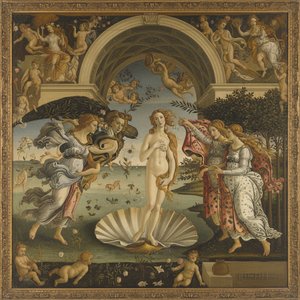
Sandro Botticelli: Top 25 mistrovských děl pro váš domov | OriginalUniqueArt.com
Objevte top 25 mistrovských děl Sandra Botticelliho! Prozkoumejte renesanční umění, ikonické obrazy jako Zrození Venuše a Primavera. Kvalitní reprodukce obrazů pro váš interiér na OriginalUniqueArt.com
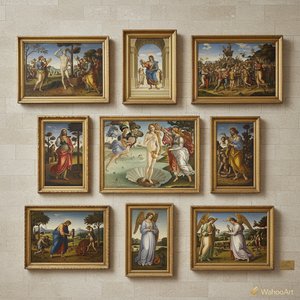
10 mistrovských děl rané renesance: Obrazy a umělci, kteří změnili svět
Objevte 10 ikonických děl rané renesance – od Botticelliho po Leonarda da Vinci. Ponořte se do příběhů mistrů a jejich techniky. Najděte inspiraci pro váš interiér s reprodukcemi nejvyšší kvality na OriginalUniqueArt.com

El Greco: 25 mistrovských děl pro váš interiér | OriginalUniqueArt.com
Prozkoumejte 25 ikonických děl El Greco – španělského mistra renesance a baroka. Obdivujte jeho duchovní malby, portréty a unikátní styl na OriginalUniqueArt.com. Reprodukce obrazů pro váš interiér.
25 Mistrovských Děl Alte Pinakothek: Umění a Krása pro Váš Domov | OriginalUniqueArt
Prozkoumejte 25 ikonických děl Alte Pinakothek v Mnichově! Obrazy Da Vinciho, Rembrandta a Rubense ožívají. Inspirujte se pro váš interiér s reprodukcemi nejvyšší kvality na OriginalUniqueArt.com.

Claude Monet: 25 mistrovských děl impresionismu pro váš domov | OriginalUniqueArt.com
Prozkoumejte 25 ikonických děl Claude Moneta – mistra impresionismu. Obdivujte vodní lilie, krajiny a secesní obrazy plné světla a barev. Najděte inspiraci pro váš interiér s reprodukcemi nejvyšší kvality na OriginalUniqueArt.com


