

 Náhled
 Sdílet
 Sdílet
 Podrobnosti o díle

 Stáhnout
 Podobné položky
 Rentgenové snímky
 Slideshow
Self-Portrait
 Oil On Panel
- Renaissance Portraiture
 1557
1557 28.0 x 20.0 cm
 Castello Sforzesco
 Zobrazit více
Ručně malovaná olejová reprodukce
Ručně malovaná olejná barva na plátně ve vašem zvoleném rozměru i s rámem, vyrobená našimi umělci na zakázku. ( Koupit tisk Koupit obrázek)




P118B $10

P118H $10

P118W $10

P438Z $10

P508JH $12

P508YH $12

P805H $10

P805Z $10

P919BZ $10

P919G $10

P919XJ $10

P959ZH $10

P968JZ $12

W106C $8

W218G $10

W218JH $8

W218Y $10

W307PJ $10

W316G $10

W316PJ $8

W316Y $10

W398PJ $8

W4111J $10

W500HY $15

W500JH $15

W692G $12

W849H $8

W940BG $15

W953PJ $8




Vyberte si z našich přednastavených velikostí, které odpovídají původním proporcím díla.

Můžete zadat vlastní rozměry pro konkrétní rám nebo prostor. Pokud se vámi vybraná velikost neshoduje s proporcemi původního obrazu, dílo buď ořízneme, nebo jej doplníme ručně malovanými prvky. Před zahájením výroby vám bude zaslán digitální náhled ke schválení.
Upozorňujeme, že náhled na obrazovce neodpovídá skutečnému ořezu ani rozšíření. Pouze digitální náhled přesně zobrazí finální kompozici.
Ačkoliv je možné zvolit vlastní velikost, pro zachování původních proporcí doporučujeme vybrat rozměr z předdefinovaného seznamu.
Po přijetí objednávky vám tým OriginalUniqueArt.com zašle e-mail s pokyny a poskytne náhledovou verzi.
Celosvětová doprava () za 3–4 týdny namísto standardních 5 týdnů. (20 srpen). Bez kompromisů v kvalitě.

Zdarma celosvětová expresní doprava

Vysoce kvalitní lněné plátno

Kompletní přepravní pojištění

Záruka vrácení celního poplatku

Záruka přesného barevného shodu

60denní lhůta pro vrácení zboží (pouze při vadách výroby)

100% garance vrácení peněz

Sleva při hromadné objednávce
 Skleněná varianta je dostupná pouze u rozměrů menších než 110 cm

Self-Portrait
Technika reprodukce
Rozměry reprodukce
-


Celková cena za výběr
$ 300
Popis díla
Lucia Anguissola’s ‘Self-Portrait’: A Renaissance Window into Female Intellect
Lucia Anguissola's 1557 “Self-Portrait,” rendered in oil on panel, is more than just a likeness; it’s a carefully constructed statement of artistic agency and intellectual pursuit within the confines of a patriarchal society. Painted during a pivotal period of Renaissance art – a time when both realism and idealized beauty were fiercely debated – this intimate portrait offers a rare glimpse into the mind and spirit of a woman actively engaged in her craft, defying conventional expectations for female artists of the era.
The painting immediately draws the eye to Anguissola’s direct gaze. Her eyes meet the viewer with an unwavering confidence, suggesting not merely awareness but also a subtle challenge. This is no passive subject; she is actively presenting herself, asserting her presence and demanding recognition for her artistic skill. The composition itself reinforces this sense of agency – she sits upright in a simple wooden chair, hands gracefully posed to hold an open book and rest upon her lap. These gestures are not merely decorative; they symbolize her engagement with learning, scholarship, and the intellectual life that was largely denied to women during the Renaissance.
A Masterclass in Renaissance Realism
Anguissola’s technique is a testament to her rigorous training and keen observational skills. The portrait exemplifies the hallmarks of late Renaissance realism, particularly influenced by artists like Leonardo da Vinci and Michelangelo. She meticulously renders the details of her face – the subtle curve of her lips, the delicate lines around her eyes, the texture of her skin – with remarkable accuracy. Yet, this realism is not cold or clinical; it’s infused with a warmth and humanity that elevates the portrait beyond mere likeness.
The use of light is particularly noteworthy. A soft, diffused illumination, seemingly originating from the left side of the frame, gently highlights her features, creating subtle shadows that add depth and volume to the form. This careful manipulation of light not only enhances the realism but also contributes to a sense of serenity and contemplation. The muted color palette – dominated by blacks, whites, reds, and earthy tones – further reinforces this atmosphere, drawing attention to the subject’s face and hands.
Symbolism and Context: A Woman's World
The inclusion of the open book is laden with symbolic meaning. It represents not just literacy but also intellectual curiosity, a thirst for knowledge, and engagement with humanist ideals that were gaining traction during the Renaissance. Holding the book in her hands suggests a deliberate choice – a conscious assertion of her intellect and a rejection of traditional roles assigned to women.
Furthermore, Anguissola’s family background played a crucial role in shaping her artistic development. Her father, Amilcare Anguissola, was an unusual patron of the arts, encouraging his daughters' creative pursuits – a remarkable circumstance for a woman of that era. This familial support, combined with the influence of her elder sister Sofonisba, who became a celebrated portraitist herself, provided Lucia with unparalleled opportunities to hone her skills and develop her unique artistic voice.
A Timeless Portrait of Dignity and Strength
“Self-Portrait” is more than just a beautiful painting; it’s a powerful statement about female agency and the pursuit of knowledge. It stands as a testament to Lucia Anguissola's skill, her intellect, and her courage in challenging societal norms. The portrait invites us to contemplate the complexities of Renaissance society, where women were often relegated to domestic roles while their male counterparts dominated the artistic landscape. Anguissola’s self-portrait serves as a poignant reminder of the remarkable achievements of female artists who persevered despite adversity and left an enduring legacy on the history of art.
Biografie umělce
Lucia Anguissola: Life and Legacy
Early Life and Family Background
- Born in Cremona, Italy, around 1536 or 1538, Lucia Anguissola was the third of seven children born to Amilcare Anguissola and Bianca Ponzoni.
- Her father, a member of the Genoese minor nobility, unusually encouraged his five daughters’ artistic and humanist education – a rare opportunity for women during the Renaissance.
- The family's progressive outlook fostered an environment where artistic talent could flourish, particularly among Lucia and her sisters.
Artistic Training and Influences
- Lucia likely received initial training from her renowned eldest sister, Sofonisba Anguissola, who became a celebrated portraitist in her own right.
- Her style closely mirrors Sofonisba’s, demonstrating shared techniques and approaches to portraiture.
- The humanist education she received influenced her ability to capture the personality and inner life of her sitters.
Artistic Style and Major Works
- Lucia Anguissola primarily focused on portraiture, a genre that allowed her to showcase her skill in capturing likenesses and conveying character.
- Her paintings are characterized by a restrained palette, often employing greys and browns, and a sensitive portrayal of her subjects.
- Notable works include:
- Portrait of Pietro Maria (Manna): Praised by Giorgio Vasari for its sensitivity and psychological depth.
- Self-Portrait: A rare self-representation offering insight into her own identity as an artist.
- Portraits of family members, including Europa Anguissola.
Recognition and Historical Significance
- Contemporary critics recognized Lucia’s exceptional talent, with some believing she possessed even greater potential than her sister Sofonisba.
- Filippo Baldinucci, a 17th-century biographer, lamented that her early death prevented her from fully realizing her artistic promise.
- Vasari's praise of Portrait of Pietro Maria cemented her reputation during her lifetime.
- Lucia’s work contributes to our understanding of female artists in the Renaissance and challenges traditional narratives about women’s roles in art history.
Legacy and Later Years
- Lucia Anguissola died around 1565 or shortly thereafter, at a young age, cutting short a promising career.
- Although her body of work is relatively small compared to other Renaissance artists, her contributions are significant for their quality and the context in which they were created.
- Her paintings offer valuable insights into the lives and social circles of the Anguissola family and the artistic milieu of 16th-century Italy.

Lucia Anguissola
1536 - 1565 , Italy
Rychlé fakta
- Birth Date: 1536
- Birth Place: Cremona, Italy
- Death Date: c. 1565
- Influenced By: Sofonisba Anguissola
- Movement: Mannerism, Renaissance
- Name: Lucia Anguissola
- Nationality: Italian
- Notable Works:
- Portrait of Pietro Maria
- Self-Portrait
Související články

The Enduring Legacy of Oil on Canvas: Technique, History & Aesthetic Impact
Explore the rich history & techniques of oil painting – from Renaissance masters to Impressionism. Discover pigments, layering methods, and why this timeless medium endures. Expert insights for artists & art enthusiasts.

Oil on Canvas: A Historical & Technical Exploration of a Timeless Artistic Medium
Explore the rich history & enduring techniques of oil painting on canvas. Discover the science behind its longevity, conservation practices, and contemporary relevance. Expert insights for art enthusiasts.
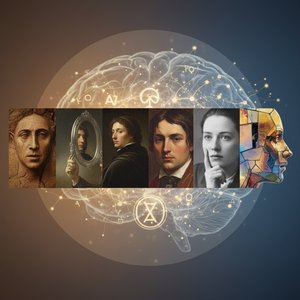
Reflecting the Self: A History of Portraiture & Psychological Insight
Explore the fascinating history of self-portraiture from Renaissance masters like Dürer & Rembrandt to modern interpretations. Discover the psychological insights and artistic techniques behind these iconic works. Expert analysis for art enthusiasts.

The Enduring Power of Painting: A Historical & Contemporary Exploration of Form and Emotion
Explore the rich history & enduring techniques of oil painting with OriginalUniqueArt. Discover masterpieces, learn about art collecting, and find authentic handmade reproductions crafted by skilled artists.

Trvalý odkaz olejomalby: Technika, historie a současná praxe
Prozkoumejte historii a techniky olejomalby s námi! Od středověku po současnost – detailní průvodce pro milovníky umění a profesionály. Objevte tajemství mistrů a inspirujte se.

