Born in Cremona, Italy, around 1536 or 1538, Lucia Anguissola was the third of seven children born to Amilcare Anguissola and Bianca Ponzoni.
Her father, a member of the Genoese minor nobility, unusually encouraged his five daughters’ artistic and humanist education – a rare opportunity for women during the Renaissance.
The family's progressive outlook fostered an environment where artistic talent could flourish, particularly among Lucia and her sisters.
Artistic Training and Influences
Lucia likely received initial training from her renowned eldest sister, Sofonisba Anguissola, who became a celebrated portraitist in her own right.
Her style closely mirrors Sofonisba’s, demonstrating shared techniques and approaches to portraiture.
The humanist education she received influenced her ability to capture the personality and inner life of her sitters.
Artistic Style and Major Works
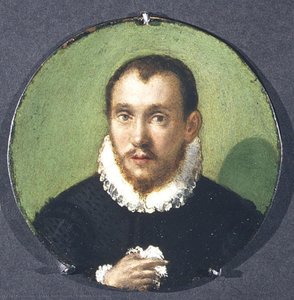
Lucia Anguissola primarily focused on portraiture, a genre that allowed her to showcase her skill in capturing likenesses and conveying character.
Her paintings are characterized by a restrained palette, often employing greys and browns, and a sensitive portrayal of her subjects.
Notable works include:
Portrait of Pietro Maria (Manna): Praised by Giorgio Vasari for its sensitivity and psychological depth.
Self-Portrait: A rare self-representation offering insight into her own identity as an artist.
Portraits of family members, including Europa Anguissola.
Recognition and Historical Significance
Contemporary critics recognized Lucia’s exceptional talent, with some believing she possessed even greater potential than her sister Sofonisba.
Filippo Baldinucci, a 17th-century biographer, lamented that her early death prevented her from fully realizing her artistic promise.
Vasari's praise of Portrait of Pietro Maria cemented her reputation during her lifetime.
Lucia’s work contributes to our understanding of female artists in the Renaissance and challenges traditional narratives about women’s roles in art history.
Legacy and Later Years
Lucia Anguissola died around 1565 or shortly thereafter, at a young age, cutting short a promising career.
Although her body of work is relatively small compared to other Renaissance artists, her contributions are significant for their quality and the context in which they were created.
Her paintings offer valuable insights into the lives and social circles of the Anguissola family and the artistic milieu of 16th-century Italy.
Redakce OriginalUniqueArt.com
Kvíz o umění
U každé otázky je pouze jedna správná odpověď.
Otázka 1:
Lucia Anguissola is primarily known for her work in what genre?
Otázka 2:
Who was a significant influence on Lucia Anguissola's artistic development?
Otázka 3:
Giorgio Vasari praised Lucia Anguissola for a portrait of whom?
Otázka 4:
Lucia Anguissola's artistic style is generally categorized as belonging to which period?
Explore the captivating world of Hans von Aachen, a leading Mannerist painter renowned for his exquisite imperial portraits & mythological scenes. Discover his legacy and influence on 16th-century European art.
Explore the art of stately bearing in Western portraiture with expert analysis of Renaissance & Baroque masterpieces. Discover symbolism, techniques, and the legacy of iconic portraits – a guide for discerning collectors.
Explore the fascinating world of Mannerism! Discover its key characteristics, pioneering artists like Pontormo & Bronzino, and its pivotal role in bridging Renaissance harmony to Baroque drama. A comprehensive guide for art enthusiasts.