Velikost textu

() ·

Obraz vytvořený ručně přímo pro vás

Cain and Abel

Ručně malovaná olejová reprodukce

Rukou malované olejné plátno v libovolném rozměru i s rámem, vyrobené našimi umělci na zakázku. ( Přepnout na tisk Přepnout na digitální obraz)

Popis sbírného předmětu

Biografie umělce

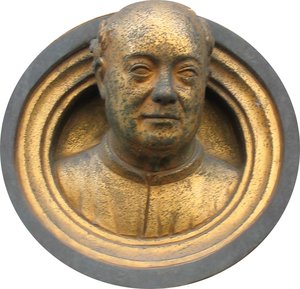
Lorenzo Ghiberti (1378-1455): Renesanční sochař slavný pro brány "Nebes" na florentském baptisteriu. Mistrovské bronzové zpracování, humanistická umělecká tvorba a inovativní perspektiva.

od ·

Kapitola 1

Jak velká by měla být?

Posunout pro změnu velikosti; obrázek vlevo zobrazuje rám v jeho skutečné šířce. Zachovávají se původní proporce.

Standardní velikost
na zakázku
CM
INCH

Vyberte si z našich přednastavených velikostí, které odpovídají původním proporcím díla.

šířka
výška

Zadejte šířku a výšku, které potřebujete pro váš rám nebo stěnu. Protože se jedná o ruční malbu, při výběru jiného formátu může umělec kolem obrazu domalovat o něco více, nebo jej mírně oříznout — rozhodnete si vy. Před zahájením malby vám zašleme digitální náhled ke schválení. Obraz zobrazený na této stránce neodpovídá skutečnému výsledku — pouze digitální náhled jej zobrazuje.

Kapitola 2

Jak má být doručeno?

Vyberte si okraje plátna

Vyberte si rámeček

Corner sample of the WhiteWrap canvas edge finish, stretched on masivní dřevo bars
Bílé okraje Kč1
Corner sample of the BlurSideWrap canvas edge finish, stretched on masivní dřevo bars
Rozostřené okraje Kč1
Corner sample of the ExtendedWrap canvas edge finish, stretched on masivní dřevo bars
Prodloužené okraje Kč1
Corner sample of the P118B picture frame: tvarovaný polystyren, 5 cm wide and 3 cm thick
P118B Kč10
Corner sample of the P118H picture frame: tvarovaný polystyren, 5 cm wide and 3 cm thick
P118H Kč10
Corner sample of the P118W picture frame: tvarovaný polystyren, 5 cm wide and 3 cm thick
P118W Kč10
Corner sample of the P438Z picture frame: tvarovaný polystyren, 5.5 cm wide and 3.5 cm thick
P438Z Kč10
Corner sample of the P508JH picture frame: tvarovaný polystyren, 7 cm wide and 3.5 cm thick
P508JH Kč12
Corner sample of the P508YH picture frame: tvarovaný polystyren, 7 cm wide and 3.5 cm thick
P508YH Kč12
Corner sample of the P805H picture frame: tvarovaný polystyren, 5 cm wide and 3.5 cm thick
P805H Kč10
Corner sample of the P805Z picture frame: tvarovaný polystyren, 5 cm wide and 3.5 cm thick
P805Z Kč10
Corner sample of the P919BZ picture frame: tvarovaný polystyren, 7 cm wide and 3.5 cm thick
P919BZ Kč10
Corner sample of the P919G picture frame: tvarovaný polystyren, 7 cm wide and 3.5 cm thick
P919G Kč10
Corner sample of the P919XJ picture frame: tvarovaný polystyren, 7 cm wide and 3.5 cm thick
P919XJ Kč10
Corner sample of the P959ZH picture frame: tvarovaný polystyren, 5 cm wide and 3 cm thick
P959ZH Kč10
Corner sample of the P968JZ picture frame: tvarovaný polystyren, 6 cm wide and 4 cm thick
P968JZ Kč12
Corner sample of the W106C picture frame: masivní dřevo, 5 cm wide and 3 cm thick
W106C Kč8
Corner sample of the W218G picture frame: masivní dřevo, 5 cm wide and 3 cm thick
W218G Kč10
Corner sample of the W218JH picture frame: masivní dřevo, 5 cm wide and 3 cm thick
W218JH Kč8
Corner sample of the W218Y picture frame: masivní dřevo, 5 cm wide and 3 cm thick
W218Y Kč10
Corner sample of the W307PJ picture frame: masivní dřevo, 6 cm wide and 3 cm thick
W307PJ Kč10
Corner sample of the W316G picture frame: masivní dřevo, 6 cm wide and 3 cm thick
W316G Kč10
Corner sample of the W316PJ picture frame: masivní dřevo, 6 cm wide and 3 cm thick
W316PJ Kč8
Corner sample of the W316Y picture frame: masivní dřevo, 6 cm wide and 3 cm thick
W316Y Kč10
Corner sample of the W398PJ picture frame: masivní dřevo, 5 cm wide and 3 cm thick
W398PJ Kč8
Corner sample of the W4111J picture frame: masivní dřevo, 6.5 cm wide and 3.5 cm thick
W4111J Kč10
Corner sample of the W500HY picture frame: masivní dřevo, 7 cm wide and 5 cm thick
W500HY Kč15
Corner sample of the W500JH picture frame: masivní dřevo, 7 cm wide and 5 cm thick
W500JH Kč15
Corner sample of the W692G picture frame: masivní dřevo, 8 cm wide and 4 cm thick
W692G Kč12
Corner sample of the W849H picture frame: masivní dřevo, 5 cm wide and 3 cm thick
W849H Kč8
Corner sample of the W940BG picture frame: masivní dřevo, 7.5 cm wide and 4.5 cm thick
W940BG Kč15
Corner sample of the W953PJ picture frame: masivní dřevo, 6 cm wide and 3.5 cm thick
W953PJ Kč8
Corner sample of the H24-GOLD picture frame: řezané dřevo s gessu, 10 cm wide and 6 cm thick
H24-GOLD Kč30
Corner sample of the H24-SILVER picture frame: řezané dřevo s gessu, 10 cm wide and 6 cm thick
H24-SILVER Kč30
Corner sample of the H36-GOLD picture frame: řezané dřevo s gessu, 15 cm wide and 6.5 cm thick
H36-GOLD Kč45
Corner sample of the H36-SILVER picture frame: řezané dřevo s gessu, 15 cm wide and 6.5 cm thick
H36-SILVER Kč45

Profil: . Celkové rozměry včetně rámu: .

Kapitola 3

Kdo jej maluje a mělo by se něco změnit?

Příklady možných změn: Nahrazení obličeje fotografií zákazníka; Přidání mazlíčka (např. výměna kočky za psa); Skrytá zpráva v pozadí; Změna krajiny nebo prvků v pozadí.
Po přijetí objednávky vám tým OriginalUniqueArt.com pošle e-mail s instrukcemi a poskytne náhled návrhu

Celosvětová doprava () za 3–4 týdny namísto standardních 5 týdnů. (4 listopad). Bez kompromisů v kvalitě.

Kapitola 4

Poslední úpravy

Štítek jako v muzeu?

Detaily ryté bronzové plakety

This elegant plaque features the artist's name and the title of the artwork, finely engraved for a timeless presentation.

It is made from bronze with a refined, elegant finish. The text is precisely laser-engraved for a sharp and permanent result. Measuring 9x2 cm, the plaque is compact yet easy to read. It's built to be durable and scratch-resistant, offering a professional, museum-quality look. Mounting is simple thanks to the included adhesive backing.

Detaily průhledné akrylové desky

The plaque includes essential engraved details such as the artist's name, the title of the artwork, the date it was created, the type of media used-like oil on canvas or watercolor-a brief description of the piece, and a QR code that links to the complete artwork information.

It is crafted from clear acrylic, offering a sleek, modern appearance. The text is UV-engraved in black to ensure strong visual contrast. With a size of 10x15 cm, it ensures optimal readability. It comes equipped with two metal hooks for secure wall mounting. The plaque is designed to be weather-resistant, making it suitable for various environments, and it includes interactive features that work seamlessly with smartphone scanning.

Detaily černé akrylové destičky

This elegant plaque includes engraved information such as the artist's name, the title of the artwork, the date it was created, the type of media used (like oil on canvas or watercolor), a short description of the artwork, and a QR code for quick access to more information.

The plaque itself is made from refined black acrylic with a premium finish. The text is laser-engraved in white for high contrast and readability. Its size is 10x15 cm, designed to be easy to read. It comes with two metal hooks for professional mounting. The design is sleek and fits any interior style. It is also weather-resistant and durable, with built-in digital integration for mobile compatibility.

Ochranný lak?

Kdy jej potřebujete?

Kapitola 5

Váš obraz přesně podle objednávky

Cain and Abel

Technika reprodukce

Rozměry reprodukce

-

Vybraní mistři umění

Vyšší míra detailu, jemnosti a delší doba výroby

-

Možnosti rámování reprodukcí

-

-

U děl nebo reprodukcí, u nichž je jakákoliv strana větší než 105 cm (přibližně 41 palců), bude rám dodán jako sestava v rozloženém stavu. Tato metoda zajišťuje bezpečné doručení a chrání dílo před poškozením během přepravy.

Vyžaduje se odborná montáž – nejedná se o produkt pro svépomocnou realizaci (DIY).
Sestava musí být složena a plátno napnuto zkušeným profesionálním rámovačem s použitím dřevěného lepidla (není součástí balení), kleští na napínání plátna a svorek pro udržení pravých úhlů křížů během schnutí lepidla. Nesprávná montáž nebo nerovnoměrné napnutí plátna může způsobit trvalé poškození uměleckého díla, které není kryto naší zárukou.

  • Jsou zahrnuty všechny lišty z masivního dřeva, přesně na míru nařezané.

  • Sestavuje se pomocí součástí balení (šroubů), plus dřevěného lepidla na rohové spoje, které není součástí balení a musí jej zajistit váš rámovač.

  • Vyžaduje se profesionální nářadí, které není součástí sady: kleště na napínání plátna a svorky pro udržení kolmosti příček během schnutí lepidla.

Důležité:
Spoje v rozích vyžadují lepidlo na dřevo, tyčinky musí být přichyceny pomocí svorek, dokud lepidlo zcela neuschne, a pro napnutí plátna na sestavený rám je zapotřebí kleští na natahování plátna. Žádný z těchto náčiní není součástí sady. Před objednáním této velikosti prosím zajistěte zkušeného profesionálního rámovače.

Popisek díla

-

-

Ochranný lak

Lesklý lak (zvýrazňuje barvy, chrání před světlem a vlhkostí)

-

Přizpůsobit své umělecké dílo

Příklady možných úprav: nahrazení obličeje fotografií zákazníka; přidání domácího mazlíčka (např. výměna kočky za psa); vložení skrytého vzkazu do pozadí; změna krajiny nebo prvků v pozadí.

-

Prioritní doručení

Celosvětové doručení () za 3–4 týdny namísto standardních 5 týdnů. (4 listopad). Bez kompromisů v kvalitě.

-

Expresní doručení

Celosvětová doprava () do 5 týdnů. (11 listopad).

V ceně

Celková cena za vybrané možnosti reprodukcí

Kč 6504

Celková cena Kč 6504

Skleněná varianta je dostupná pouze u rozměrů menších než 110 cm

Součást každé objednávky

  • Zdarma celosvětová expresní doprava
  • Vysoce kvalitní lněné plátno
  • Kompletní pojištění přepravy
  • Záruka vrácení celního poplatku
  • Záruka věrného barevného souladu
  • 100dení lhůta pro vrácení zboží (pouze při vadách výroby)
  • 100% záruka vrácení peněz
  • Sleva při více objednávkách

Lorenzo Ghiberti’s Gates of Paradise: A Symphony in Bronze

The Florence Baptistery’s Gates of Paradise—officially known as Porta Nuova—stand as an unparalleled testament to Renaissance artistic genius, spearheaded by Lorenzo Ghiberti. Completed between 1425 and 1452, these monumental bronze doors represent more than just architectural embellishment; they embody the humanist ideals that defined Florence during its golden age and continue to inspire awe centuries later. Commissioned by Archbishop Giovanni Pier Paolo Carafa, Cardinal Domenico Giuliano della Pergola, and Pope Nicholas V, Ghiberti’s undertaking was ambitious in scope—a collaborative effort involving numerous artisans—yet he alone conceived and executed the overarching vision for this iconic masterpiece.
  • Style: The Gates exemplify Early Renaissance sculpture, characterized by a renewed interest in classical ideals of proportion and harmony. However, Ghiberti’s approach transcends mere imitation; he infused his work with profound psychological depth and emotional resonance—a hallmark of humanist art.
  • Technique: Ghiberti pioneered innovative casting methods utilizing the lost wax technique, pushing the boundaries of metallurgical craftsmanship. This meticulous process ensured exceptional detail and surface finish, capturing the textures and nuances of human anatomy and drapery with breathtaking accuracy.
  • Historical Context: Constructed during a period of fervent artistic patronage—fueled by papal ambition and civic pride—the Gates stand as a symbol of Florence’s cultural ascendancy. They reflect the humanist spirit prevalent at the time, emphasizing human dignity and intellectual curiosity alongside religious piety.

Panel No. 2: Cain and Abel – A Narrative of Jealousy and Divine Justice

The second panel depicting Cain and Abel is arguably the most emotionally charged segment of the Gates’ narrative cycle. Ghiberti skillfully captures the pivotal moment of fratricide—the brutal slaying of Abel by his brother Cain—transforming it into a powerful visual allegory. The composition emphasizes the stark contrast between the righteous Abel, depicted in serene repose with his flock, and Cain, consumed by rage and driven to violence.
  • Symbolism: Ghiberti’s depiction utilizes symbolic gestures and facial expressions to convey profound psychological states—jealousy, remorse, and despair. The knife held aloft by Cain represents the destructive impulse of envy, while Abel's gaze conveys unwavering faith and moral integrity.
  • Composition: The artist employs a pyramidal structure to create visual stability and heighten dramatic tension. Careful attention to detail—particularly in rendering Abel’s face—underscores Ghiberti’s mastery of anatomical realism and expressive portraiture.

Beyond Imitation: Ghiberti's Innovation and Legacy

While deeply rooted in classical tradition, Ghiberti’s Gates transcend mere stylistic homage. He achieved a breakthrough in perspective—a technique previously unexplored in sculpture—creating an illusion of depth that dramatically enhances the visual impact of the panels. This pioneering innovation demonstrates Ghiberti’s intellectual curiosity and his commitment to advancing artistic boundaries.
  • Influence: The Gates of Paradise profoundly influenced subsequent generations of sculptors, establishing a new standard for realism and expressive power. Michelangelo himself famously declared that Ghiberti had “made the stone speak.”
  • Enduring Relevance: Today, reproductions of Ghiberti’s masterpiece continue to captivate audiences worldwide—serving as reminders of Florence's artistic heritage and inspiring contemplation on themes of morality, justice, and human vulnerability.

Exploring the Emotional Landscape

The Gates of Paradise are not merely aesthetically impressive; they evoke a visceral response in viewers—a confrontation with fundamental questions about human nature and divine providence. Ghiberti’s masterful portrayal of Cain and Abel compels us to grapple with the destructive consequences of envy and the importance of unwavering moral conviction. As you gaze upon this enduring symbol of Renaissance artistry, allow yourself to be transported back to Florence's vibrant cultural milieu—a testament to the transformative power of art and its ability to illuminate the human condition.

Otázky a odpovědi

Kde mohu koupit print díla „Cain and Abel“ od Lorenzo Ghiberti?

Pokud si chcete pořídit tisk díla „Cain and Abel“ od Lorenzo Ghiberti, stačí si jej objednat přímo na jeho stránce Kvalitní umělecký tisk: umělecký tisk na bavlněném plátně nebo archivním plátnovém papíře.

Kdo vytvořil "Cain and Abel"?

Autorem díla „Cain and Abel“ je Lorenzo Ghiberti. Práce je v katalogu uvedena pod jménem Lorenzo Ghiberti.

Je pro dílo „Cain and Abel“ k dispozici stažení?

Digitální obraz díla „Cain and Abel“ od Lorenzo Ghiberti si můžete stáhnout na stránce s k dispozici pro stažení Stažení digitální verze: stažení digitálního obrazu ve vysokém rozlišení.

Více informací o tomto obrazu

Náhled v interiéru Náhled v AR Přepnout na tisk Přepnout na digitální obraz Sdílet
Podrobnosti o díle Průvodce Přidat do oblíbených Stáhnout Podobné položky Rentgenové snímky Slideshow Otázky a odpovědi Statistiky

V číslech

  • 1425rok vytvoření
  • 29k výběru rámečků
  • standardní velikosti, v jejich vlastních proportioních
  • 5týdnů na namalování a doručení
Lorenzo Ghiberti

Lorenzo Ghiberti

1378 - 1455, Itálie

Rychlé informace o umělci Lorenzo Ghiberti

  • Artistic Movement Or Style: Renesanční humanismus
  • Artists Or Movements Influenced By This Artist:
    • Donatello
    • Masolino
  • Artists Who Influenced This Artist:
    • Bartolo di Michele
    • Gherardo Starnina
  • Date Of Birth: 1378
  • Date Of Death: 1455
  • Full Name: Lorenzo Ghiberti
  • Nationality: Italista
  • Notable Artworks:
    • Brány Nejsvětějšího Svatého
    • Brány Nordsvěte
  • Place Of Birth: Florence, Itálie

Biografie umělce

A Florentine Renaissance Forged in Bronze: The Life and Legacy of Lorenzo Ghiberti

Lorenzo Ghiberti, born in 1378 near Florence, Italy, wasn’t simply a sculptor; he was a crucible where the burgeoning spirit of the Renaissance first began to truly solidify. His early life, steeped in the practical artistry of goldsmithing under his stepfather, Bartolo di Michele – a craftsman known for his skill and experience – laid the foundation for a career that would forever alter the course of Florentine art. This initial training instilled within him an unparalleled mastery of metalwork, a deep understanding of form and texture, and a meticulous attention to detail that would become hallmarks of his distinctive style. However, Ghiberti’s ambitions stretched far beyond the confines of the workshop; he possessed a restless intellectual curiosity and a desire to explore the broader currents of artistic innovation sweeping across Italy. Formal painting lessons from Gherardo Starnina broadened his horizons, introducing him to the principles of perspective and composition – skills that would prove invaluable in his later sculptural endeavors. A brief sojourn in Rimini, assisting Carlo I Malatesta with frescoes during a devastating plague outbreak in 1400, exposed him to diverse artistic influences and honed his ability to work under pressure, shaping his approach to large-scale projects. Little did he realize that these formative experiences were preparing him for the monumental competition that would catapult him into the annals of art history.

The Baptistery Doors: A Triumph of Skill and Vision

In 1401, Florence held a contest of unparalleled significance – a competition to select an artist to create new bronze doors for the city’s magnificent Baptistery. This commission was considered the most prestigious in the entire region, a testament to the artistic prowess of those chosen to adorn this sacred space. Lorenzo Ghiberti, a young but exceptionally talented sculptor, entered this arena alongside some of the era's most formidable minds, including the towering figure of Filippo Brunelleschi – an architect and engineer whose innovative designs were reshaping the city’s skyline. The challenge was daunting: to depict the *Sacrifice of Isaac* in relief on the doors, a biblical narrative rich with symbolism and theological significance. Ghiberti’s panel wasn't merely a demonstration of technical skill; it was a revelation – a breathtaking display of innovation, grace, and emotional depth. His innovative approach, characterized by remarkably graceful figures, a sophisticated understanding of perspective, and an almost palpable sense of movement, secured his victory with astonishing speed. This triumph wasn’t simply about winning a commission; it was a declaration of a new artistic sensibility, a bold assertion that Florence was on the cusp of a revolutionary era in sculpture. He began work immediately on the North Doors, a project that would consume over two decades and fundamentally transform the Baptistery into a showcase for Renaissance artistry – a space where beauty, skill, and spiritual contemplation converged.

The “Gates of Paradise”: A Masterpiece Unveiled

Following the resounding success of the North Doors, Ghiberti was entrusted with an even more ambitious undertaking: the creation of a second set of doors for the Baptistery’s east entrance – doors that would ultimately become known as the *Gates of Paradise*. Completed in 1452, these magnificent panels represent the pinnacle of Ghiberti's artistic achievement and cemented his reputation as one of the greatest sculptors of all time. Each panel depicts scenes from the Old Testament with an unprecedented level of realism, detail, and emotional depth – a testament to Ghiberti’s mastery of bronze casting and relief sculpture. The panels aren’t merely representations of biblical stories; they are immersive narratives brought to life through meticulous attention to anatomy, drapery, and spatial relationships. He pioneered the use of perspective to create a sense of depth and realism that was revolutionary for his time, drawing inspiration from classical antiquity while simultaneously forging a distinctly Renaissance style. The nickname “Gates of Paradise,” bestowed upon these doors by none other than Michelangelo, speaks volumes about their beauty and splendor – a testament to Ghiberti’s ability to capture the ethereal quality of divine grace within the confines of bronze.

Style, Influences, and Lasting Impact

Ghiberti's artistic style represents a beautiful synthesis of Gothic elegance and the emerging principles of Renaissance humanism. While rooted in the traditions of medieval craftsmanship – his early training instilled a deep respect for established techniques and materials – he embraced classical antiquity, incorporating elements of Roman art and sculpture into his work. This fusion created a unique aesthetic that was both refined and emotionally resonant. He wasn’t simply imitating the past; he was reinterpreting it through a distinctly Renaissance lens, imbuing ancient forms with new life and meaning. Beyond his technical brilliance, Ghiberti possessed an exceptional understanding of human psychology and emotion – qualities that are evident in the expressive faces and gestures of his figures. His work wasn’t merely decorative; it sought to evoke contemplation, inspire awe, and convey profound spiritual truths. Furthermore, Ghiberti's legacy extends beyond his artistic achievements through *Commentarii*, an autobiographical treatise on art history, theory, and technique – one of the earliest examples of its kind by an artist. This meticulously documented account provides invaluable insights into the Renaissance mindset and offers a unique perspective on the development of Western art.

A Legacy Cast in Bronze

Lorenzo Ghiberti’s contributions were instrumental in establishing Florence as a leading artistic center during the Renaissance, and the “Gates of Paradise” remain an enduring symbol of Florentine civic pride and artistic achievement. His innovations paved the way for masters like Leonardo da Vinci and Michelangelo, solidifying his place as a pivotal figure in Western art history. Ghiberti’s meticulous attention to detail, his mastery of perspective, and his ability to imbue his sculptures with emotional depth set a new standard for artistic excellence. *His legacy continues to inspire artists and art lovers alike,* reminding us of the power of human creativity and the enduring beauty of Renaissance artistry.
  • Major Works: North Doors & East Doors (Gates of Paradise) – Florence Baptistery, Bronze Statues for Orsanmichele.
  • Key Influences: Gothic Art, Classical Antiquity, Renaissance Humanism.
  • Artistic Style: Blending Gothic elegance with emerging Renaissance principles; naturalistic depictions, innovative use of perspective.

Rychlé informace

  • Influences: Medieval Art
  • Artist: Lorenzo Ghiberti
  • Title: Cain and Abel
  • Movement: Early Renaissance
  • Notable elements or techniques: Perspective and idealized figures
  • Artistic style: Humanism

Artový kvíz

U každé otázky je pouze jedna správná odpověď.

Otázka 1:
What biblical story does "Cain and Abel" depict?
Otázka 2:
Lorenzo Ghiberti created the Gates of Paradise for which cathedral?
Otázka 3:
What artistic technique was primarily employed by Ghiberti in creating the Gates of Paradise?
Otázka 4:
The Gates of Paradise depict scenes from which part of the Bible?
Otázka 5:
Approximately when was "Cain and Abel" painted?