

 Náhled v interiéru
 Sdílet
 Sdílet
 Podrobnosti o díle
 Průvodce

 Stáhnout
 Podobné položky
 Rentgenové snímky
 Slideshow
 Statistiky
Hounds and a Magpie
 Oil On Canvas
- WallArt
- 18th Century Rococo
 1740
1740 152.0 x 128.0 cm
 Státní Ermitáž
 Zobrazit více
Ručně malovaná olejová reprodukce
Rukou malované olejné plátno v libovolném rozměru i s rámem, vyrobené našimi umělci na zakázku. ( Přepnout na tisk Přepnout na digitální obraz)




P118B Kč10

P118H Kč10

P118W Kč10

P438Z Kč10

P508JH Kč12

P508YH Kč12

P805H Kč10

P805Z Kč10

P919BZ Kč10

P919G Kč10

P919XJ Kč10

P959ZH Kč10

P968JZ Kč12

W106C Kč8

W218G Kč10

W218JH Kč8

W218Y Kč10

W307PJ Kč10

W316G Kč10

W316PJ Kč8

W316Y Kč10

W398PJ Kč8

W4111J Kč10

W500HY Kč15

W500JH Kč15

W692G Kč12

W849H Kč8

W940BG Kč15

W953PJ Kč8




Vyberte si z našich přednastavených velikostí, které odpovídají původním proporcím díla.

Zadejte šířku a výšku, které potřebujete pro váš rám nebo stěnu. Protože se jedná o ruční malbu, při výběru jiného formátu může umělec kolem obrazu domalovat o něco více, nebo jej mírně oříznout — rozhodnete si vy. Před zahájením malby vám zašleme digitální náhled ke schválení. Obraz zobrazený na této stránce neodpovídá skutečnému výsledku — pouze digitální náhled jej zobrazuje.
Po přijetí objednávky vám tým OriginalUniqueArt.com zašle e-mail s pokyny a poskytne náhledovou verzi.
Celosvětová doprava () za 3–4 týdny namísto standardních 5 týdnů. (28 říjen). Bez kompromisů v kvalitě.

Zdarma celosvětová expresní doprava

Vysoce kvalitní lněné plátno

Kompletní pojištění přepravy

Záruka vrácení celního poplatku

Záruka věrného barevného souladu

100dení lhůta pro vrácení zboží (pouze při vadách výroby)

100% záruka vrácení peněz

Sleva při více objednávkách
 Skleněná varianta je dostupná pouze u rozměrů menších než 110 cm

Hounds and a Magpie
Technika reprodukce
Rozměry reprodukce
-


Celková cena za vybrané možnosti reprodukcí
Kč 6435
A Sporting Symphony: John Wootton’s “Hounds and a Magpie”
John Wootton's "Hounds and a Magpie," painted in 1740, is more than just a charming depiction of dogs; it’s a meticulously crafted window into the aristocratic world of 18th-century England. This vibrant scene, measuring 152 x 128 cm, captures a moment of lively interaction amongst a carefully arranged group of hounds and a solitary magpie, all set within a subtly rendered landscape. Wootton, a pivotal figure in British sporting art, masterfully blended the burgeoning trends of animal portraiture with elements of classical composition, establishing himself as a leading voice in his era.
Wootton’s artistic journey began under the tutelage of Jan Wyck, providing him with a solid foundation in draftsmanship. However, it was his association with the Beaufort family that truly shaped his career, immersing him in the world of equestrian pursuits and aristocratic patronage. This connection is powerfully evident in “Hounds and a Magpie,” where the dogs are presented not merely as animals but as symbols of status, skill, and the pursuit of excellence – qualities highly valued within the circles frequented by figures like George II.
The Art of Sporting Portraiture
Wootton’s style is characterized by an elegant realism that prioritized capturing the essence of his subjects. He eschewed overly dramatic poses or theatrical lighting, instead favoring a naturalistic approach that highlighted the animals' grace and movement. Note the careful attention to detail in each hound – the texture of their coats, the alert expressions in their eyes, and the subtle variations in posture all speak to Wootton’s keen observational skills. The composition itself is carefully balanced, drawing the eye through the scene with a clear sense of depth and perspective.
The use of light and shadow further enhances the painting's realism. Wootton employs soft, diffused lighting that illuminates the dogs while leaving the background in gentle obscurity. This technique creates a sense of atmosphere and allows the viewer to fully appreciate the details of each animal. The subtle gradations of tone contribute significantly to the overall feeling of depth and three-dimensionality within the canvas.
Symbolism and Context
The inclusion of the magpie, perched on a branch, adds an intriguing layer of symbolism to the painting. Magpies were traditionally associated with intelligence, cunning, and even prophecy in folklore. In this context, the bird’s presence could be interpreted as a subtle commentary on the skills and instincts required for successful hunting – qualities admired in both dogs and their handlers. The setting itself—a gently rolling landscape reminiscent of the English countryside—reinforces the connection to rural life and the aristocratic pursuit of sporting activities.
“Hounds and a Magpie” was created during a period of significant social and cultural change in England. The rise of the gentry as a powerful class, coupled with an increasing interest in hunting and equestrian pursuits, fueled the demand for sporting art. Wootton’s paintings catered directly to this market, providing wealthy patrons with elegant depictions of their beloved hounds and the activities they enjoyed.
A Legacy of Elegance
John Wootton's "Hounds and a Magpie" stands as a testament to his skill as an artist and his understanding of the cultural context in which he worked. It’s a captivating image that offers a glimpse into the world of 18th-century England, where hunting was not just a pastime but a symbol of status and refinement. Today, reproductions of this remarkable painting offer art lovers and collectors alike the opportunity to experience Wootton's artistry firsthand, bringing a touch of elegance and historical charm to any interior space.
Wootton’s influence extended beyond his own work; he is considered a key figure in shaping the aesthetics of sporting art for generations to come. His meticulous attention to detail, combined with his ability to capture the essence of his subjects, established him as one of the most celebrated artists of his time.
Otázky a odpovědi
Jak je utkaná barevná kompozice díla „Hounds and a Magpie“ od John Wootton?
Barevná analýza díla „Hounds and a Magpie“ od John Wootton zachycuje Bold kontrast a Balanced Harmony harmonii.
Jaký emocionální tón doprovází styl 18th Century Rococo u díla „Hounds and a Magpie“?
V rámci směru 18th Century Rococo je dílo „Hounds and a Magpie“ zachyceno v Calm tónu.
K jaké fázi kariéry John Wootton odpovídá datum vzniku díla „Hounds and a Magpie“ z roku 1740?
„Hounds and a Magpie“, vytvořené v roce 1740, pochází z období Mature Period tvorby umělce John Wootton.
Biografie umělce
A Pioneer of Sporting Art: The Life and Legacy of John Wootton
John Wootton, born around 1686 in the quaint Warwickshire village of Snitterfield, near Stratford-upon-Avon, emerged as a pivotal figure in the development of British sporting art. While precise details of his early life remain somewhat elusive, it is believed he entered the service of the esteemed Beaufort family at a young age, an experience that likely fostered his deep connection to equestrian pursuits and the aristocratic world surrounding them. His artistic journey began with formal training under Jan Wyck during the 1690s, where he honed fundamental skills in draftsmanship and painting techniques – a foundation upon which he would build a remarkably successful career. Even in these early years, Wootton demonstrated an innate talent for capturing the essence of horses, as evidenced by his earliest known work, “Bonny Black” (1711), a piece that foreshadowed his future mastery of equine portraiture.Establishing a Reputation and Artistic Innovation
By 1706, Wootton had firmly established himself in London, quickly gaining recognition for his depictions of horses, particularly those gracing the renowned racing scene at Newmarket. He wasn’t merely documenting these animals; he was capturing their spirit, their power, and their individual character with an unprecedented level of detail and sensitivity. This specialization brought him into close contact with Britain's elite – a patronage that included figures like George II and Frederick, Prince of Wales. Wootton actively engaged with the artistic community, subscribing to the first English Academy of Painting and Drawing in 1711 and later serving as a steward of the Virtuosi Club of St Luke’s by 1717, demonstrating his commitment to fostering artistic discourse and collaboration. However, Wootton's contribution extended beyond simply painting horses. He was a key figure in introducing what became known as the “ideal landscape” to British art – a style heavily influenced by artists like Gaspard Dughet (also known as Gaspar van Wittel). By incorporating classical elements into his landscapes, he offered a refreshing alternative to the prevailing Dutch and Flemish styles, laying the groundwork for future generations of British landscape painters, including Thomas Gainsborough.Mastering the Canvas: Style and Major Works
Wootton’s artistic style is characterized by meticulous detail, a realistic rendering of animals, and a harmonious blend of figure and landscape painting. He possessed an exceptional ability to observe and then idealize, creating works that were both aesthetically pleasing and reflective of the sporting culture of his time. His equine portraits are arguably his most celebrated achievement – paintings like “The Bloody-Shouldered Arabian” showcase not only technical skill but also a deep understanding of anatomy and character. Beyond individual horse portraits, Wootton excelled at depicting lively hunting scenes and equestrian activities, often incorporating "conversation pieces" that featured riders, hounds, and picturesque settings. These works weren’t simply records of events; they were carefully constructed narratives that captured the social dynamics and leisurely pursuits of the British aristocracy. His landscapes, while sometimes overshadowed by his animal paintings, demonstrate a refined understanding of perspective, composition, and atmospheric effects, further solidifying his position as a versatile and innovative artist. Works like “Viscount Weymouth’s Hunt” exemplify this skill, portraying aristocratic leisure with classic style and rich detail.Influences and Historical Context
Wootton's artistic development was shaped by several key influences. His early training under Jan Wyck provided him with the foundational skills of draftsmanship and painting technique. However, he also drew inspiration from the works of Gaspar Dughet, whose influence is particularly evident in Wootton’s landscapes – a style characterized by balanced compositions, clear light, and a sense of serene beauty. Furthermore, Wootton's engagement with the Virtuosi Club of St Luke’s exposed him to contemporary artistic trends and fostered intellectual discussions about art theory and practice. His work emerged during a period of significant social and cultural change in Britain – the rise of the Georgian elite, the expansion of the British Empire, and the growing popularity of sporting pursuits. Wootton's paintings captured this dynamic era, reflecting the tastes and values of a society that valued elegance, leisure, and equestrian prowess.A Lasting Influence and Historical Significance
While later artists such as George Stubbs – whose anatomical precision surpassed Wootton’s – gained greater prominence in the field of animal painting, John Wootton’s pioneering role remains undeniable. He established sporting art as a legitimate genre, paving the way for subsequent artists to explore this subject matter with increasing sophistication. His introduction of the ideal landscape style had a lasting impact on British painting, influencing generations and contributing to the development of a distinctly British aesthetic sensibility. He bridged the gap between earlier traditions and the emerging styles that would define 18th-century British art. Today, Wootton’s works are held in prestigious collections worldwide – including the Tate Gallery (London), the Virginia Museum of Fine Arts (Richmond), and the Yale Center for British Art – ensuring his legacy continues to be appreciated by art enthusiasts. He stands as a testament to the power of observation, innovation, and the enduring appeal of capturing the beauty and dynamism of both the natural world and the aristocratic pursuits that defined his era.
John Wootton
1682 - 1764 , Spojené království
Rychlé informace o umělci
- Artistic Movement Or Style: Sporting art, Landscape
- Artists Or Movements Influenced By This Artist:
- Thomas Gainsborough
- George Stubbs
- Artists Who Influenced This Artist:
- Jan Wyck
- Gaspard Dughet
- Date Of Birth: c. 1682
- Date Of Death: 1764
- Full Name: John Wootton
- Nationality: British
- Notable Artworks:
- Bonny Black
- Before the hunt
- The Bloody-Shouldered Arabian
- Place Of Birth: Snitterfield, UK
Související články
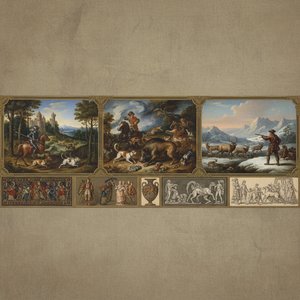
The Pursuit of Power & Prestige: Hunting Scenes in Western Art
Explore the rich history of hunting scenes in Western art, from royal pursuits to powerful allegories. Discover masterpieces & expert insights for discerning collectors. OriginalUniqueArt offers museum-quality reproductions.

John Singer Sargent: 25 mistrovských děl a inspirace pro váš domov | OriginalUniqueArt.com
Objevte 25 ikonických děl Johna Singera Sargenta – portrétů, impresionistických krajin a elegantních kompozic. Prozkoumejte příběhy umění, techniky a inspiraci pro váš interiér s reprodukcemi nejvyšší kvality na OriginalUniqueArt.com
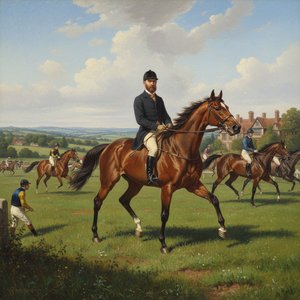
John Frederick Herring Sr.: Equestrian Mastery & the Rise of Sporting Art in Victorian England
Explore the life & work of John Frederick Herring Sr., a leading Victorian equestrian artist. Discover his masterpieces, patronage, techniques & investment potential. Expert insights for collectors.
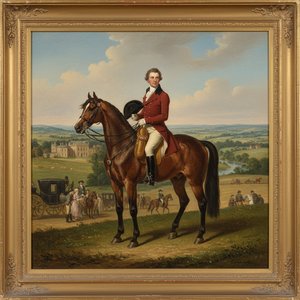
Sr. John E. Ferneley: Equestrian Portraiture & England's Social Fabric
Explore the captivating world of Sr. John E. Ferneley, a master of British sporting art. Discover his exquisite equestrian paintings & insights into 19th-century society. Invest in timeless masterpieces with OriginalUniqueArt.

John Constable: 25 mistrovských děl krajinářské poezie | OriginalUniqueArt.com
Prozkoumejte 25 ikonických děl Johna Constabla, mistra anglického krajinářství a romantismu. Obdivujte jeho olejomalby, plátna s venkovskou atmosférou a inspirujte se pro dekoraci interiéru. Reprodukce obrazů nejvyšší kvality na OriginalUniqueArt.com
