
 Náhled v interiéru
 Sdílet
 Sdílet
 Podrobnosti o díle
 Průvodce

 Stáhnout
 Podobné položky
 Rentgenové snímky
 Slideshow
 Otázky a odpovědi
 Statistiky
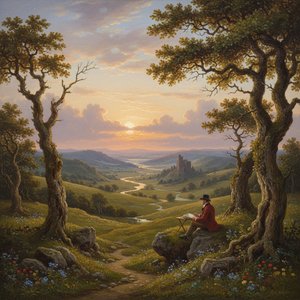
Grove Scene


 Zobrazit více
Giclée / Umělecký tisk
Giclée nebo plátěný tisk muzeální kvality s rychlou výrobou a širokou nabídkou povrchových úprav. ( Koupit ručně malovaný obraz Přepnout na digitální obraz)




P118B Kč10

P118H Kč10

P118W Kč10

P438Z Kč10

P508JH Kč12

P508YH Kč12

P805H Kč10

P805Z Kč10

P919BZ Kč10

P919G Kč10

P919XJ Kč10

P959ZH Kč10

P968JZ Kč12

W106C Kč8

W218G Kč10

W218JH Kč8

W218Y Kč10

W307PJ Kč10

W316G Kč10

W316PJ Kč8

W316Y Kč10

W398PJ Kč8

W4111J Kč10

W500HY Kč15

W500JH Kč15

W692G Kč12

W849H Kč8

W940BG Kč15

W953PJ Kč8




Vyberte si z našich přednastavených velikostí, které odpovídají původním proporcím díla.

Zadejte šířku a výšku, které potřebujete pro váš rám nebo stěnu. Tisk lze pouze oříznout, nikdy však nelze zvětšit obraz nad jeho původní rozměr, proto při výběru jiného formátu dochází ke ztrátě části obrazu. Před samotným tiskem vám zašleme digitální náhled k schválení. Obraz zobrazený na této stránce nenabízí skutečný výřez — ten uvidíte pouze v náhledu.
Celosvětové doručení () do 2 týdnů namísto standardních 4/5 týdnů. (10 listopad)

Zdarma celosvětová expresní doprava

Vysoce kvalitní lněné plátno

Kompletní pojištění přepravy

Záruka vrácení celního poplatku

Záruka věrného barevného souladu

100dení lhůta pro vrácení zboží (pouze při vadách výroby)

100% záruka vrácení peněz

Sleva při více objednávkách
 Skleněná varianta je dostupná pouze u rozměrů menších než 110 cm

Grove Scene
Giclée / Umělecký tisk
Rozměry reprodukce
-


Celková cena za vybrané možnosti reprodukcí
Kč 1768
A Norfolk Woodland Clearing
A small clearing within a Norfolk forest provides the setting for this 1820 oil on canvas. Two figures stand amidst the trees, appearing as quiet observers of the landscape. Nearby, a horse grazes in the grass, contributing to the pastoral stillness of the scene. The composition uses these figures to anchor the expansive vista, establishing a connection between the human presence and the natural environment.
The work reflects the Romantic movement's emphasis on emotion and imagination. Rather than focusing on precise botanical detail, the artist prioritizes atmosphere. Dappled sunlight filters through the branches, creating a sense of depth and luminosity through the layering of yellows and greens. This technique produces a textural richness that suggests the movement of light through a dense canopy.
Technique and Influence
The brushwork is bold and loose, eschewing academic conventions in favor of conveying a specific mood. This approach is heavily influenced by the Dutch Masters, particularly the way light and shadow are used to define space. The palette is dominated by warm hues, which contribute to the emotional resonance of the woodland setting.
The painting aligns with the principles of the Norwich School, a movement dedicated to the direct observation of the English countryside. By capturing the specific character of the Norfolk landscape, the work moves beyond mere visual representation to reflect how the scene is felt. It remains a significant example of how regional identity was expressed through the study of light and natural forms.
Otázky a odpovědi
Který umělec a jaký styl stojí za dílem "Grove Scene"?
Dílo "Grove Scene" vytvořil/a John Crome v rámci stylu Romanticism. Autor/ka i toto umělecké směřování definují tradici tohoto díla.
Jaké je umětrovědné postavení díla „Grove Scene“ od John Crome?
Dílo „Grove Scene“ od John Crome patří k období 19th Century a směru Romanticism. Tyto prvky společně zasazují dílo do historie umění.
Mohu si objednat olejnou reprodukci díla "Grove Scene"?
Ručně malovanou reprodukci díla „Grove Scene“ od John Crome si můžete objednat přímo na jeho stránce Ručně malovaná reprodukce: ručně malovaná olejová reprodukce na lněném plátně, vyrábíme na zakázku.
Biografie umělce
John Crome (1768–1821): Norfolk Son, Pioneer of Romantic Landscape
John Crome, affectionately known as “Old Crome” to distinguish him from his artist son, stands as a pivotal figure in British art history—a founder and leading light of the celebrated Norwich School. Born in Norwich, United Kingdom (1768), Crome’s journey was one of remarkable self-education and dedication, rising from humble beginnings to become a respected landscape painter who captured the very essence of his beloved East Anglian countryside. His father, a weaver, instilled a strong work ethic, but it was an apprenticeship with house, coach, and sign painter Francis Whisler that first nurtured Crome’s artistic inclinations, providing him with foundational skills in design and color. This practical training proved invaluable as he began to explore his passion for depicting the natural world around him. A formative friendship with Robert Ladbrooke, a fellow aspiring artist, further fueled his development; together they sketched en plein air, honing their observational abilities and sharing a burgeoning enthusiasm for art.Early Influences and Artistic Training
Crome’s artistic education began modestly, yet it proved profoundly influential. His apprenticeship under Whisler instilled discipline and technical proficiency—skills that would serve him well throughout his career. Crucially, he encountered Thomas Harvey of Old Catton, whose expansive art collection exposed him to the masterpieces of Gainsborough and Hobbema. These artists became models for composition, light, and atmosphere, shaping Crome’s artistic sensibilities from an early age. Furthermore, Sir William Beechey and John Opie offered invaluable guidance within the broader artistic community, cementing his connection to established traditions and fostering a collaborative spirit. It was this confluence of influences that laid the groundwork for Crome's distinctive style—a style characterized by meticulous detail and a palpable sense of place.The Birth of the Norwich School
In 1803, John Crome achieved artistic renown by co-founding the Norwich Society of Artists with Robert Ladbrooke. This bold initiative marked the formal commencement of the Norwich School—a groundbreaking movement that championed direct observation of nature and sought to portray the Norfolk landscape in a manner radically different from prevailing trends originating in London. Rejecting academic conventions, the Norwich School artists prioritized capturing the immediacy of experience, prioritizing tonal harmonies and atmospheric perspective. Crome’s leadership within the society solidified his position as a visionary innovator—a figure who recognized the potential for artistic expression rooted in authentic engagement with one's surroundings. He wasn’t merely painting landscapes; he was conveying a profound appreciation for the beauty and character of Norfolk.A Painter's Vision: Style and Technique
Crome’s artistic style is instantly recognizable—marked by loose brushwork, subtle gradations of tone, and an unwavering commitment to capturing the nuances of light and color. He meticulously studied plant life, accurately depicting tree species with unprecedented precision—a testament to his keen botanical eye and dedication to scientific observation. Unlike many of his contemporaries who relied on idealized representations, Crome embraced imperfection, allowing for textural variations and atmospheric haze that conveyed a sense of realism. His canvases pulsate with vitality, reflecting the dynamism of Norfolk’s seasons and conveying an emotional resonance that transcends mere visual depiction. He skillfully employed watercolor and oil mediums, blending them harmoniously to achieve breathtaking effects—a testament to his mastery of technique and artistic vision.Legacy and Enduring Influence
John Crome's contribution extended far beyond his prolific output of paintings. The Norwich School he spearheaded fostered a distinct regional artistic identity, nurturing generations of painters who followed in his footsteps. Despite initial skepticism from the London art establishment—a reaction fueled by stylistic differences—Crome gained national recognition through thirteen exhibitions at the Royal Academy between 1806 and 1818. His etchings, though unpublished during his lifetime, revealed another facet of his talent—demonstrating a versatility that cemented his place as one of Britain’s most celebrated landscape artists. A posthumous exhibition showcasing over 100 of his works underscored the esteem in which he was held by his peers and solidified his enduring legacy. Today, Crome's paintings continue to inspire admiration for their quiet beauty, evocative atmosphere, and unwavering connection to the heart of Norfolk—a testament to a life dedicated to artistic excellence and a profound appreciation for the natural world.
John Crome
1768 - 1821 , Spojené království
Rychlé informace o umělci
- Artistic Movement Or Style: Norwich School
- Artists Or Movements Influenced By This Artist: ['Dutch Masters']
- Artists Who Influenced This Artist:
- Hobbema
- Wilson
- Date Of Birth: 1768
- Date Of Death: 1821
- Full Name: John Crome
- Nationality: Anglický
- Notable Artworks:
- Lime Kiln
- Grove Scene
- Mousehold Heath
- Place Of Birth: Norwich, UK
Související články
John Varley I: Intimate Observation & the British Romantic Landscape
Explore the serene landscapes of John Varley I, a key figure in British Romanticism. Discover his unique watercolour style, collaboration with William Blake & lasting artistic legacy. Learn about collecting Varley's work.

John Constable: 25 mistrovských děl krajinářské poezie | OriginalUniqueArt.com
Prozkoumejte 25 ikonických děl Johna Constabla, mistra anglického krajinářství a romantismu. Obdivujte jeho olejomalby, plátna s venkovskou atmosférou a inspirujte se pro dekoraci interiéru. Reprodukce obrazů nejvyšší kvality na OriginalUniqueArt.com

The Sublime and the Picturesque: Exploring Emotion & Nature in Romantic Landscape Painting
Explore the emotional power of Romantic landscape painting! Discover the sublime & picturesque traditions, key artists like Friedrich & Cole, and find your perfect artwork at OriginalUniqueArt.

Romantická krajina v malbě: 10 mistrovských děl, které definovaly umělecký proud | OriginalUniqueArt
Prozkoumejte 10 ikonických děl romantické krajinářské malby! Objevte příběhy Caspara Davida Friedricha, Turnera a dalších mistrů. Reprodukce obrazů nejvyšší kvality pro váš interiér na OriginalUniqueArt.com.

John Singer Sargent: 25 mistrovských děl a inspirace pro váš domov | OriginalUniqueArt.com
Objevte 25 ikonických děl Johna Singera Sargenta – portrétů, impresionistických krajin a elegantních kompozic. Prozkoumejte příběhy umění, techniky a inspiraci pro váš interiér s reprodukcemi nejvyšší kvality na OriginalUniqueArt.com
