Menu
Text size

() ·

A painting made for you, by hand

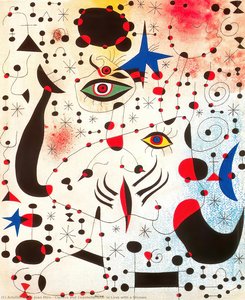
La poetisa

Ručně malovaná olejová reprodukce

Rukou malované olejné plátno v libovolném rozměru i s rámem, vyrobené našimi umělci na zakázku. ( Přepnout na tisk Přepnout na digitální obraz)

Popis sbírného předmětu

Poznejte surrealistickou ikonou Joan Miró - La Poetisa! Tento obraz fascinuje svou kombinací geometrických tvarů, ptákova hlavy a symboliky. Podívejte se na výtvarné dílo Fundació Joan Miró a jeho význam v umění.

Biografie umělce

Křehká kráska v zrcadle – mistrovské dílo Joan Miró z roku 1919, plné symboliky a podivného kouzla. Objevte surrealistickou hloubku a osobní výpověď tohoto ikonického obrazu.

from ·

Chapter 1

How large should it be?

Slide to change the size; the picture on the left shows the frame at its real width. The proportions of the original are kept.

Standardní velikost
na zakázku
CM
INCH

Vyberte si z našich přednastavených velikostí, které odpovídají původním proporcím díla.

šířka
výška

Zadejte šířku a výšku, které potřebujete pro váš rám nebo stěnu. Protože se jedná o ruční malbu, při výběru jiného formátu může umělec kolem obrazu domalovat o něco více, nebo jej mírně oříznout — rozhodnete si vy. Před zahájením malby vám zašleme digitální náhled ke schválení. Obraz zobrazený na této stránce neodpovídá skutečnému výsledku — pouze digitální náhled jej zobrazuje.

Chapter 2

How should it arrive?

Choose the edges of the stretched canvas

Choose your frame

Corner sample of the WhiteWrap canvas edge finish, stretched on masivní dřevo bars
White Kč1
Corner sample of the BlurSideWrap canvas edge finish, stretched on masivní dřevo bars
Blurside Kč1
Corner sample of the ExtendedWrap canvas edge finish, stretched on masivní dřevo bars
Extended Kč1
Corner sample of the P118B picture frame: tvarovaný polystyren, 5 cm wide and 3 cm thick
P118B Kč10
Corner sample of the P118H picture frame: tvarovaný polystyren, 5 cm wide and 3 cm thick
P118H Kč10
Corner sample of the P118W picture frame: tvarovaný polystyren, 5 cm wide and 3 cm thick
P118W Kč10
Corner sample of the P438Z picture frame: tvarovaný polystyren, 5.5 cm wide and 3.5 cm thick
P438Z Kč10
Corner sample of the P508JH picture frame: tvarovaný polystyren, 7 cm wide and 3.5 cm thick
P508JH Kč12
Corner sample of the P508YH picture frame: tvarovaný polystyren, 7 cm wide and 3.5 cm thick
P508YH Kč12
Corner sample of the P805H picture frame: tvarovaný polystyren, 5 cm wide and 3.5 cm thick
P805H Kč10
Corner sample of the P805Z picture frame: tvarovaný polystyren, 5 cm wide and 3.5 cm thick
P805Z Kč10
Corner sample of the P919BZ picture frame: tvarovaný polystyren, 7 cm wide and 3.5 cm thick
P919BZ Kč10
Corner sample of the P919G picture frame: tvarovaný polystyren, 7 cm wide and 3.5 cm thick
P919G Kč10
Corner sample of the P919XJ picture frame: tvarovaný polystyren, 7 cm wide and 3.5 cm thick
P919XJ Kč10
Corner sample of the P959ZH picture frame: tvarovaný polystyren, 5 cm wide and 3 cm thick
P959ZH Kč10
Corner sample of the P968JZ picture frame: tvarovaný polystyren, 6 cm wide and 4 cm thick
P968JZ Kč12
Corner sample of the W106C picture frame: masivní dřevo, 5 cm wide and 3 cm thick
W106C Kč8
Corner sample of the W218G picture frame: masivní dřevo, 5 cm wide and 3 cm thick
W218G Kč10
Corner sample of the W218JH picture frame: masivní dřevo, 5 cm wide and 3 cm thick
W218JH Kč8
Corner sample of the W218Y picture frame: masivní dřevo, 5 cm wide and 3 cm thick
W218Y Kč10
Corner sample of the W307PJ picture frame: masivní dřevo, 6 cm wide and 3 cm thick
W307PJ Kč10
Corner sample of the W316G picture frame: masivní dřevo, 6 cm wide and 3 cm thick
W316G Kč10
Corner sample of the W316PJ picture frame: masivní dřevo, 6 cm wide and 3 cm thick
W316PJ Kč8
Corner sample of the W316Y picture frame: masivní dřevo, 6 cm wide and 3 cm thick
W316Y Kč10
Corner sample of the W398PJ picture frame: masivní dřevo, 5 cm wide and 3 cm thick
W398PJ Kč8
Corner sample of the W4111J picture frame: masivní dřevo, 6.5 cm wide and 3.5 cm thick
W4111J Kč10
Corner sample of the W500HY picture frame: masivní dřevo, 7 cm wide and 5 cm thick
W500HY Kč15
Corner sample of the W500JH picture frame: masivní dřevo, 7 cm wide and 5 cm thick
W500JH Kč15
Corner sample of the W692G picture frame: masivní dřevo, 8 cm wide and 4 cm thick
W692G Kč12
Corner sample of the W849H picture frame: masivní dřevo, 5 cm wide and 3 cm thick
W849H Kč8
Corner sample of the W940BG picture frame: masivní dřevo, 7.5 cm wide and 4.5 cm thick
W940BG Kč15
Corner sample of the W953PJ picture frame: masivní dřevo, 6 cm wide and 3.5 cm thick
W953PJ Kč8
Corner sample of the H24-GOLD picture frame: řezané dřevo s gessu, 10 cm wide and 6 cm thick
H24-GOLD Kč30
Corner sample of the H24-SILVER picture frame: řezané dřevo s gessu, 10 cm wide and 6 cm thick
H24-SILVER Kč30
Corner sample of the H36-GOLD picture frame: řezané dřevo s gessu, 15 cm wide and 6.5 cm thick
H36-GOLD Kč45
Corner sample of the H36-SILVER picture frame: řezané dřevo s gessu, 15 cm wide and 6.5 cm thick
H36-SILVER Kč45

Moulding: . Overall size with the frame: .

Chapter 3

Who paints it, and should anything change?

Examples of what can be changed: Replace face with customer photo; Add pet (e.g., replace cat with dog); Include hidden message in background; Change background landscape or elements.
After order, OriginalUniqueArt.com team will email client for instructions and provide a mockup preview

Celosvětová doprava () za 3–4 týdny namísto standardních 5 týdnů. (31 říjen). Bez kompromisů v kvalitě.

Chapter 4

The finishing touches

A nameplate, as in a museum?

Detaily ryté bronzové plakety

This elegant plaque features the artist's name and the title of the artwork, finely engraved for a timeless presentation.

It is made from bronze with a refined, elegant finish. The text is precisely laser-engraved for a sharp and permanent result. Measuring 9x2 cm, the plaque is compact yet easy to read. It's built to be durable and scratch-resistant, offering a professional, museum-quality look. Mounting is simple thanks to the included adhesive backing.

Detaily průhledné akrylové desky

The plaque includes essential engraved details such as the artist's name, the title of the artwork, the date it was created, the type of media used-like oil on canvas or watercolor-a brief description of the piece, and a QR code that links to the complete artwork information.

It is crafted from clear acrylic, offering a sleek, modern appearance. The text is UV-engraved in black to ensure strong visual contrast. With a size of 10x15 cm, it ensures optimal readability. It comes equipped with two metal hooks for secure wall mounting. The plaque is designed to be weather-resistant, making it suitable for various environments, and it includes interactive features that work seamlessly with smartphone scanning.

Detaily černé akrylové destičky

This elegant plaque includes engraved information such as the artist's name, the title of the artwork, the date it was created, the type of media used (like oil on canvas or watercolor), a short description of the artwork, and a QR code for quick access to more information.

The plaque itself is made from refined black acrylic with a premium finish. The text is laser-engraved in white for high contrast and readability. Its size is 10x15 cm, designed to be easy to read. It comes with two metal hooks for professional mounting. The design is sleek and fits any interior style. It is also weather-resistant and durable, with built-in digital integration for mobile compatibility.

A protective varnish?

When do you need it?

Chapter 5

Your painting, as you ordered it

La poetisa

Technika reprodukce

Rozměry reprodukce

-

Vybraní mistři umění

Vyšší míra detailu, jemnosti a delší doba výroby

-

Možnosti rámování reprodukcí

-

-

U děl nebo reprodukcí, u nichž je jakákoliv strana větší než 105 cm (přibližně 41 palců), bude rám dodán jako sestava v rozloženém stavu. Tato metoda zajišťuje bezpečné doručení a chrání dílo před poškozením během přepravy.

Vyžaduje se odborná montáž – nejedná se o produkt pro svépomocnou realizaci (DIY).
Sestava musí být složena a plátno napnuto zkušeným profesionálním rámovačem s použitím dřevěného lepidla (není součástí balení), kleští na napínání plátna a svorek pro udržení pravých úhlů křížů během schnutí lepidla. Nesprávná montáž nebo nerovnoměrné napnutí plátna může způsobit trvalé poškození uměleckého díla, které není kryto naší zárukou.

  • Jsou zahrnuty všechny lišty z masivního dřeva, přesně na míru nařezané.

  • Sestavuje se pomocí součástí balení (šroubů), plus dřevěného lepidla na rohové spoje, které není součástí balení a musí jej zajistit váš rámovač.

  • Vyžaduje se profesionální nářadí, které není součástí sady: kleště na napínání plátna a svorky pro udržení kolmosti příček během schnutí lepidla.

Důležité:
Spoje v rozích vyžadují lepidlo na dřevo, tyčinky musí být přichyceny pomocí svorek, dokud lepidlo zcela neuschne, a pro napnutí plátna na sestavený rám je zapotřebí kleští na natahování plátna. Žádný z těchto náčiní není součástí sady. Před objednáním této velikosti prosím zajistěte zkušeného profesionálního rámovače.

Popisek díla

-

-

Ochranný lak

Lesklý lak (zvýrazňuje barvy, chrání před světlem a vlhkostí)

-

Přizpůsobit své umělecké dílo

Příklady možných úprav: nahrazení obličeje fotografií zákazníka; přidání domácího mazlíčka (např. výměna kočky za psa); vložení skrytého vzkazu do pozadí; změna krajiny nebo prvků v pozadí.

-

Prioritní doručení

Celosvětové doručení () za 3–4 týdny namísto standardních 5 týdnů. (31 říjen). Bez kompromisů v kvalitě.

-

Expresní doručení

Celosvětová doprava () do 5 týdnů. (7 listopad).

V ceně

Celková cena za vybrané možnosti reprodukcí

Kč 6516

Celková cena Kč 6516

Skleněná varianta je dostupná pouze u rozměrů menších než 110 cm

Included with every order

  • Zdarma celosvětová expresní doprava
  • Vysoce kvalitní lněné plátno
  • Kompletní pojištění přepravy
  • Záruka vrácení celního poplatku
  • Záruka věrného barevného souladu
  • 100dení lhůta pro vrácení zboží (pouze při vadách výroby)
  • 100% záruka vrácení peněz
  • Sleva při více objednávkách

La Poetisa de Joan Miró: Un Viaje Surrealista al Corazón del Arte

Joan Miró (1893 – 1983), pintor, escultor y ceramista catalán nacido en Barcelona, es una figura esencial del siglo XX que trascendió las convenciones artísticas para crear un lenguaje visual único, profundamente arraigado en sueños, recuerdos y la identidad catalana. Desde sus humildes comienzos marcados por enfermedad y reservas iniciales de su familia sobre sus aspiraciones artísticas, Miró perseveró impulsado por una necesidad innata de expresar lo intangible: las emociones, sensaciones y corrientes subterráneas que yacen bajo la superficie de la realidad. Su infancia estuvo impregnada de las tradiciones de Barcelona, una ciudad rebosante de maravillas arquitectónicas gracias a Antoni Gaudí, cuyo lenguaje orgánico influiría sutilmente en sus posteriores abstracciones. La profesión artesanal de su padre inculcó un apremio por el meticuloso trabajo manual, mientras que la dura infancia en el municipio rural de Vallmajor aportó una sensibilidad hacia los paisajes y las costumbres campesinas catalanas. Estos elementos culturales fueron fundamentales para formar la visión artística del pintor. Estos primeros años de formación fueron también testigos de una profunda influencia intelectual: Miró estudió en la Escuela Superior de Bellas Artes de Llotja, donde adquirió conocimientos técnicos avanzados pero también desarrolló un espíritu crítico hacia las tendencias dominantes de la época. Esta escuela fue fundada por Santiago Rusiñol y otros artistas progresistas que buscaban romper con el academicismo tradicional y explorar nuevas vías expresivas. Miró compartió este interés por la innovación artística con otros jóvenes estudiantes, como Josep Pla y Francesc Montcada, quienes serían importantes colaboradores en sus proyectos posteriores. Además de estudiar pintura, Miró también desarrolló una pasión por la escultura, trabajando principalmente con bronce y cerámica, materiales que utilizaría para crear obras maestras que reflejan su sensibilidad estética y su compromiso con el arte contemporáneo. La obra de Miró se caracteriza por una mezcla sorprendente entre realidad y fantasía, creando escenarios oníricos que invitan a la introspección y desafían las expectativas del espectador. Esta habilidad para traducir los sueños y las emociones en imágenes visuales fue esencial para desarrollar su estilo único, que se convirtió en un referente para toda una generación de artistas internacionales. Entre sus obras más emblemáticas destacan pinturas como “La Poetisa”, “El Jardín” y “Los Caminos”, esculturas como “El Hombre Equilibrista” y “La Mujer Escultura” y cerámica como “El Hombre y la Serpiente”. Estas piezas reflejan la complejidad emocional del artista y su capacidad para expresar ideas filosóficas profundas mediante formas geométricas y colores vibrantes. “La Poetisa” es una obra maestra del surrealismo que captura la esencia de este movimiento artístico europeo, nacido en París a principios de los años veinte como reacción al racionalismo científico y filosófico dominante. Miró abrazó el surrealismo con entusiasmo, influenciado por las teorías psicoanalíticas de Sigmund Freud y por las obras de artistas como André Breton y Salvador Dalí. Esta corriente artística buscaba liberar la creatividad humana del control de la razón y explorar los territorios ocultos del inconsciente colectivo. En “La Poetisa”, Miró utiliza una composición dinámica basada en círculos, líneas rectas y curvas suaves para representar una mujer con cabeza de pájaro rodeada por figuras geométricas que evocan símbolos universales como el huevo, el árbol y el círculo perfecto. Estos elementos representan la fertilidad, el nacimiento y la unidad del universo, temas recurrentes en la obra de Miró. La pintura transmite una sensación de movimiento constante pero también de equilibrio armonioso, reflejando la visión filosófica del artista sobre la relación entre hombre y naturaleza. La Fundación Joan Miró, establecida en Barcelona en 1975, es un testimonio duradero del legado artístico del pintor español y un espacio dedicado a promover el arte contemporáneo y la investigación artística. Fundada por Joan Miró junto con su amigo Joan Prats, la fundación alberga una extensa colección de obras maestras del artista y organiza exposiciones internacionales que ofrecen nuevas perspectivas sobre su obra y pensamiento. Además, la fundación ofrece programas educativos para jóvenes artistas y estudiosos interesados en profundizar en el análisis crítico de las manifestaciones artísticas más relevantes del siglo XX. La Fundación Joan Miró también cuenta con un impresionante jardín diseñado por Josep Lluís Sert, donde se pueden admirar esculturas originales de Miró y otros artistas internacionales, creando así un entorno artístico único que invita a la reflexión y al encuentro entre arte y naturaleza.

Otázky a odpovědi

Co zachycuje dílo "La poetisa"?

„La poetisa“ od Joan Miró zobrazuje: surrealism, woman, bird, geometric shapes, clock, symbolism, fantastical art, barcelona.

Jaké téma a atmosféru spojuje dílo „La poetisa“ od Joan Miró?

„La poetisa“ od Joan Miró spojuje surrealism, woman, bird, geometric shapes, clock, symbolism, fantastical art, barcelona s Pokojný atmosférou.

Jakým způsobem se motiv díla „La poetisa“ vztahuje k obvyklým tématům umělce Joan Miró?

Mezi opakující se témata umělce Joan Miró patří catalan identity, dreams & subconscious, organic forms vs inorganic shapes, influence of gaudí, exploring inner landscapes, symbolic representation, iconic surrealist masterpiece; dílo „La poetisa“ se zaměřuje na surrealism, woman, bird, geometric shapes, clock, symbolism, fantastical art, barcelona.

More about this painting

Náhled v interiéru Náhled v AR Přepnout na tisk Přepnout na digitální obraz Sdílet
Podrobnosti o díle Průvodce Přidat do oblíbených Stáhnout Podobné položky Rentgenové snímky Slideshow Q&A Statistiky

In numbers

  • 29frames to choose from
  • standard sizes, in its own proportions
  • 5weeks to paint and deliver it

About the original

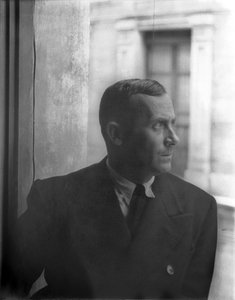
Joan Miró

Joan Miró

1893 - 1983, Španělsko

Quick facts about Joan Miró

  • Artistic Movement Or Style: Surrealismo
  • Artists Or Movements Influenced By This Artist: ['Fauvismus']
  • Artists Who Influenced This Artist:
    • Pablo Picasso
    • Cézanne
  • Date Of Birth: 20 aprile 1893
  • Date Of Death: 25 dicembre 1983
  • Full Name: Joan Miró i Ferrà
  • Nationality: Spagnolo
  • Notable Artworks:
    • La Poetisa
    • Dům s palmy
    • Tanečník s zrcadlem
  • Place Of Birth: Barcelona, Spagna

Biografie umělce

A Catalan Visionary: The Life and Art of Joan Miró

Joan Miró i Ferrà, born in Barcelona in 1893, stands as one of the most significant figures in 20th-century art. His journey was not merely a progression through styles but an exploration of inner worlds, translating dreams, memories, and Catalan identity onto canvas with a uniquely poetic visual language. From humble beginnings marked by illness and initial parental reservations about his artistic pursuits, Miró persevered, driven by an innate need to express the intangible—the emotions, sensations, and subconscious currents that lie beneath the surface of reality. His early life was steeped in the traditions of Barcelona, a city brimming with architectural marvels thanks to Antoni Gaudí, whose organic forms would subtly influence Miró’s later abstractions. The goldsmithing profession of his father instilled an appreciation for meticulous craftsmanship, while the rugged Catalan landscape became a recurring motif and source of inspiration throughout his career.

Early Influences and the Path to Surrealism

Miró's formal artistic training began at La Llotja in Barcelona, where he honed his skills in traditional techniques. However, it was exposure to the avant-garde movements sweeping through Paris that truly ignited his creative evolution. The vibrant colors of Fauvism and the fragmented forms of Cubism resonated deeply, prompting him to move to Paris in 1920. This period proved pivotal as he encountered artists like Pablo Picasso and began experimenting with increasingly abstract compositions. Yet, Miró didn’t simply adopt these styles; he synthesized them, forging a path toward his own distinctive aesthetic. He sought to distill forms to their essence, stripping away representational details in favor of symbolic shapes and evocative colors. This exploration led him to the Surrealist group in 1924, aligning him with artists such as Max Ernst and Salvador Dalí. While embracing the Surrealist interest in the subconscious, Miró maintained a unique sensibility—his work was less about shocking imagery or Freudian symbolism than it was about creating a world of playful forms and poetic suggestion. He believed that art should transcend rational thought and tap into the realm of dreams and intuition.

The Catalan Landscape and Artistic Roots

Miró’s formative years were profoundly shaped by his surroundings. Growing up in Barcelona, he absorbed the influence of Gaudí's architectural innovations—the undulating curves and organic textures of Sagrada Familia and Parc Güell—which instilled within him a fascination for natural forms and patterns. The Catalan landscape—characterized by pine forests, rocky mountains, and azure seas—became a constant source of inspiration for his paintings and prints. These elements would reappear throughout his oeuvre, symbolizing resilience, freedom, and the enduring spirit of Catalan culture. His father’s profession as a goldsmith instilled in him an appreciation for precision and craftsmanship, shaping his artistic approach and contributing to his meticulous attention to detail.

Key Works: A Surrealist Universe

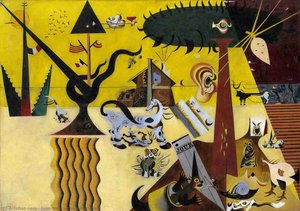
Miró's artistic output spanned decades, encompassing painting, sculpture, ceramics, printmaking, and collage—each medium serving as a vehicle for exploring his distinctive vision. The Farm (1922) stands as a seminal achievement, embodying the artist’s synthesis of Fauvist color palettes with Cubist fragmentation. It depicts a stylized Catalan landscape populated by fantastical creatures—birds, snails, and amorphous shapes—creating a dreamlike atmosphere that reflects Miró's preoccupation with subconscious imagery. The series *Dutch Interiors (1928)* demonstrated his ability to reinterpret the Old Masters through a modernist lens, transforming familiar domestic scenes into abstracted compositions infused with Surrealist symbolism. His collaborative efforts with Max Ernst on *Grattage* canvases—particularly *The Elephant Bird*—marked an important stage in his artistic experimentation and showcased his innovative techniques for revealing textures beneath layers of paint. Painting (1933) exemplifies Miró’s commitment to simplifying forms and prioritizing color, resulting in striking images that convey a sense of immediacy and emotional intensity.

Legacy and Enduring Influence

Joan Miró's contribution to modern art is undeniable. He challenged conventional artistic norms and championed abstraction as a means of expressing inner experience—a legacy that continues to inspire artists today. His unwavering belief in the power of imagination and his refusal to compromise on his artistic vision solidified his place among the most influential figures of the 20th century. Miró established two foundations—the Fundació Joan Miró in Barcelona (1975) and the Fundació Pilar i Joan Miró in Palma de Mallorca (1981)—ensuring that his artistic legacy would endure, fostering creativity and promoting dialogue between art and society. His work remains a testament to the transformative potential of art—a vibrant celebration of Catalan identity and an enduring symbol of Surrealist innovation.

Rychlé informace

  • Movement: Surrealism
  • Title: La poetisa
  • Notable elements or techniques: Geometric shapes, Clock
  • Location: Fundació Joan Miró
  • Medium: Oil

Artový kvíz

U každé otázky je pouze jedna správná odpověď.

Otázka 1:
¿Quién es Joan Miró?
Otázka 2:
¿Qué estilo artístico caracteriza principalmente la obra de Miró?
Otázka 3:
¿Dónde se encuentra actualmente la mayor colección de obras de Miró?
Otázka 4:
¿Qué elemento simbólico importante aparece en "La Poetisa", como círculos y una reloj?
Otázka 5:
¿Cuál fue el impacto de Miró en el mundo del arte?