Abstract Surrealism · 1961
Modré II (Joan Miró, 1961)
Joan Miró (1893–1983) vytvořil dílo Modré II. Pochází z roku 1961. Patří k hnutí Abstract Surrealism. Je vyrobeno z Akryl na plátně. Rozměry jsou 270 × 355 cm.
- 1961
- Akryl na plátně
- 270 × 355 cm

 Náhled v interiéru

 Ručně malovaná olejná reprodukce
 Sdílet
 Sdílet
 Informační list


 Stáhnout
 Podobné položky
 Rentgenové snímky
 Slideshow
 Otázky a odpovědi

 Statistiky
Modré II v kostce
- Název díla
- Modré II
- Autor
- Joan Miró (1893–1983)
- Rok narození umělce
- Barcelona, Španělsko
- Datum vytvoření
- 1961
- Technika
- Akryl na plátně
- Rozměry
- 270 × 355 cm
- Pohyb
- Abstract Surrealism
- Období
- Modernismus
- Motiv
- blue, surrealism, miró, circles, red, space
Co przedstawuje dílo Modré II?
Joan Miró’s “Blue II”: A Dive into the Subconscious
Joan Miró’s “Blue II,” painted in 1961, isn't merely a painting; it’s an invitation to wander through a landscape of dreams. This large-scale work (270 x 355 cm) exemplifies Miró’s signature style – a captivating blend of childlike simplicity and profound symbolic depth. It represents a pivotal moment in his artistic journey, particularly within the context of his Triptych Bleu series, which he considered a distillation of his entire creative output up to that point. The painting immediately draws the eye with its dominant expanse of vibrant blue, a color that evokes both serenity and an underlying sense of mystery. Against this tranquil backdrop, a bold red shape – reminiscent of a kite or perhaps a primal symbol – asserts itself on the left side, while a series of enigmatic black circles punctuate the composition, creating a dynamic interplay of form and color. This isn’t a realistic depiction; it's an exploration of the inner world, a visual manifestation of the subconscious mind.A Symphony of Color and Technique
Miró’s technique, famously described as “psychic automatism,” is central to understanding "Blue II." He deliberately bypassed conscious control, allowing his unconscious to guide his brushstrokes. The result is a surface characterized by smooth, flat textures – almost like painted enamel – and a remarkably sparse use of lines. This minimalist approach amplifies the painting’s emotional impact, creating an atmosphere of quiet contemplation. Notice how the colors aren't blended; they exist in distinct planes, contributing to the sense of depth and movement. The deliberate flatness of the application speaks volumes about Miró’s intention: to capture a fleeting moment of intuition, a direct expression of feeling rather than a meticulously rendered image. The painting was likely created using acrylic paint on canvas, chosen for its ability to achieve this smooth, luminous surface.Decoding the Symbols and Their Resonance
What do those red shapes and black circles signify? Miró himself often resisted definitive interpretations, encouraging viewers to engage with the work on a personal level. The prominent red shape is frequently interpreted as representing energy, emotion, or even a forceful intrusion into the blue expanse – perhaps a sudden burst of feeling. Conversely, the black circles can be seen as celestial bodies receding into the distance, or simply as voids, symbols of the unknown and the infinite. The vastness of the blue field itself evokes a sense of cosmic dreams, inviting us to project our own experiences and emotions onto the canvas. It’s a space designed for contemplation, a reminder of the boundless possibilities within the human psyche. The painting's composition, with its diagonal slash created by the red line, further directs the viewer's eye across the surface, adding to the dynamic tension.Historical Context and Miró’s Artistic Evolution
“Blue II” was produced in 1961, a period of remarkable artistic maturity for Miró. By this time, he had moved far beyond his early landscapes and portraits, embracing abstract forms and primary colors – a deliberate shift away from representational art. His work during this era is characterized by expansive spaces and a focus on pure form and color, reflecting a desire to capture the essence of experience rather than its literal depiction. Interestingly, Miró’s artistic lineage is intertwined with that of Pablo Picasso, another giant of 20th-century art. While their styles differed significantly, both artists were deeply influenced by the revolutionary developments taking place in Barcelona during the early years of the century – a city renowned for its vibrant cultural scene and architectural innovations spearheaded by Antoni Gaudí. The Fundació Joan Miró in Barcelona offers invaluable resources for further exploration into his life and work.A Timeless Masterpiece: Reproduction Possibilities
“Blue II” continues to resonate with audiences today, offering a glimpse into the depths of human emotion and imagination. OriginalUniqueArt.com is proud to offer meticulously crafted hand-painted reproductions that capture the essence of this iconic artwork. Whether you’re an art enthusiast seeking to expand your collection or an interior designer looking for a striking statement piece, our high-quality reproductions provide an authentic representation of Miró's genius while preserving the painting's unique atmosphere and emotional impact. Explore the possibilities and bring the dreamlike world of “Blue II” into your space.Vysokorozlišené fotografie díla Modré II

Protected by copyright: these files are for personal reference, not a licence to republish.
Joan Miró, Modré II (1961).
Odpovědi na otázky k dílu Modré II
V jakém roce bylo vytvořeno dílo „Modré II“ od Joan Miró?
V jaké technice je vytvořeno dílo „Modré II“ od Joan Miró?
Jaké jsou rozměry originálu díla „Modré II“ od Joan Miró?
Co zachycuje dílo "Modré II"?
Motivy díla „Modré II“ jsou blue, surrealism, miró, circles, red, space, dreams, minimalism.
Lze obraz díla „Modré II“ od Joan Miró volně reprodukovat?
Co se týče autorských práv, dílo "Modré II" spadá do stále chráněno autorským právem.
Kdo vytvořil "Modré II"?
K kterému uměleckému směru patří „Modré II“ od Joan Miró?
Do které období tvorby Joan Miró patří dílo „Modré II“?
O umělci, Joan Miró
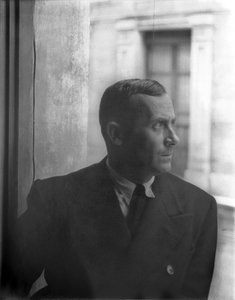
1893–1983, Španělsko
Joan Miró
Život a umění Joan Miró Barcelona, 20. dubna 1893. Joan Miró i Ferrà vstupuje do světa preciznosti a ozubených koleček, narozen do rodiny hodinářů. Toto rané prostředí mu poskytlo kulisy pečlivého řemesla, které mu doprovází po celou jeho evoluci jako malíře, sochaře a keramikaře.
Také od autora Joan Miró
 Usedrá Farm1922
 Harlequinův karneval1925
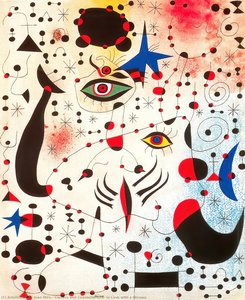 Šifry a souhvězdí, zamilované do ženy1941
 Joan Miró - Katalánská krajina (Lovec)1924
Eseje k tématu Modré II
 25 Masterpieces by Joan Miró: The Ultimate Guide to the Surrealist IconJourney through the surrealist universe of Joan Miró. Explore 25 iconic masterpieces, from biomorphic shapes to vibrant abstractions. Find …
 25 Must-See Masterpieces at the Reina Sofía Museum in MadridExplore 25 icons from the Reina Sofía, from Picasso to Dalí. Discover museum-quality art at OriginalUniqueArt.com.
 Spanish artworks of the 1920sSpanish Surrealism and Cubism in the 1920s come alive through the works of Salvador Dalí, Joan Miró, and Pablo Picasso. View the collection…