Náhled v interiéru
 Sdílet
 Sdílet
 Podrobnosti o díle
 Průvodce

 Stáhnout
 Podobné položky
 Rentgenové snímky
 Slideshow
 Q&A
Q&A Statistiky
Apunts per al llibre Lapidari 1


 Zobrazit více
Umělecké dílo zobrazené na této stránce je chráněno autorským zákonem, což znamená, že nemůžeme legálně vytvářet ani prodávat jeho identickou reprodukci. Tato ochrana je vymáhána na základě mezinárodních dohod, jako například Berberská úmluva a národními zákony, včetně těch stanovených v Americký autorský zákon – Díl 17. Všechna práva vyhrazena.
Tato metoda je plně v souladu s autorským právem, protože nezahrnuje kopírování ani duplikování chráněného díla. Jde o kreativní reinterpretaci – nový obraz, který je inspirován originálem, ale není s ním identický.
Giclée / Umělecký tisk
Giclée nebo plátěný tisk muzeální kvality s rychlou výrobou a širokou nabídkou povrchových úprav. ( Koupit ručně malovaný obraz Přepnout na digitální obraz)




P118B Kč10

P118H Kč10

P118W Kč10

P438Z Kč10

P508JH Kč12

P508YH Kč12

P805H Kč10

P805Z Kč10

P919BZ Kč10

P919G Kč10

P919XJ Kč10

P959ZH Kč10

P968JZ Kč12

W106C Kč8

W218G Kč10

W218JH Kč8

W218Y Kč10

W307PJ Kč10

W316G Kč10

W316PJ Kč8

W316Y Kč10

W398PJ Kč8

W4111J Kč10

W500HY Kč15

W500JH Kč15

W692G Kč12

W849H Kč8

W940BG Kč15

W953PJ Kč8




Vyberte si z našich přednastavených velikostí, které odpovídají původním proporcím díla.

Zadejte šířku a výšku, které potřebujete pro váš rám nebo stěnu. Tisk lze pouze oříznout, nikdy však nelze zvětšit obraz nad jeho původní rozměr, proto při výběru jiného formátu dochází ke ztrátě části obrazu. Před samotným tiskem vám zašleme digitální náhled k schválení. Obraz zobrazený na této stránce nenabízí skutečný výřez — ten uvidíte pouze v náhledu.
Celosvětové doručení () do 2 týdnů namísto standardních 4/5 týdnů. (3 listopad)

Zdarma celosvětová expresní doprava

Vysoce kvalitní lněné plátno

Kompletní pojištění přepravy

Záruka vrácení celního poplatku

Záruka věrného barevného souladu

100dení lhůta pro vrácení zboží (pouze při vadách výroby)

100% záruka vrácení peněz

Sleva při více objednávkách
 Skleněná varianta je dostupná pouze u rozměrů menších než 110 cm

Apunts per al llibre Lapidari 1
Giclée / Umělecký tisk
Rozměry reprodukce
-


Celková cena za vybrané možnosti reprodukcí
Kč 1737
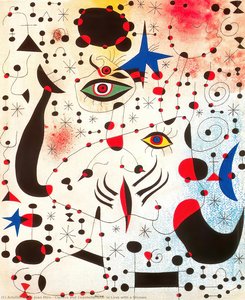
Unveiling Joan Miró’s ‘Apunts per al llibre Lapidari 1’
‘Apunts per al llibre Lapidari 1’ (Notes for the Stone Book 1), by the celebrated Spanish artist Joan Miró, offers a captivating glimpse into his exploratory process and distinctive artistic language. Created sometime during his prolific career (dates are currently unknown), this work is not a finished composition intended for grand display, but rather a preparatory sketch – a visual brainstorming session rendered in vibrant color. It’s part of a series, evidenced by the existence of ‘Apunts per al llibre Lapidari 4’ and ‘5’, suggesting a larger project or conceptual exploration.Deconstructing the Abstract Form
This piece eschews traditional representation entirely. Instead, it presents a dynamic field of loosely applied lines and shapes in shades of brown, red, and grey. The composition is deliberately chaotic and asymmetrical, lacking a clear focal point. Organic, amorphous forms overlap and intertwine, creating a sense of movement and visual energy. There’s an immediacy to the work; it feels as though Miró was rapidly committing thoughts to paper, prioritizing gesture over precise form. The texture is notably rough due to the visible strokes of colored pencil or crayon, adding a tactile quality to the abstract design.Technique & Materials
Miró’s technique in ‘Apunts per al llibre Lapidari 1’ is decidedly impulsive and gestural. The varying thickness and direction of the lines contribute to the overall feeling of instability and spontaneity. Minimal shading or perspective is employed; depth is suggested through overlapping, but not realistically rendered. This deliberate flatness emphasizes the two-dimensionality of the work and draws attention to the expressive power of line and color. The use of colored pencils or crayons lends itself to this freeform exploration, allowing for quick application and a raw, unfiltered aesthetic.Historical Context & Artistic Lineage
Born in Barcelona in 1893, Joan Miró was a pivotal figure in the development of 20th-century art. He initially experimented with various styles – including Fauvism and Cubism – before forging his own unique path towards Surrealism and abstraction. While not strictly adhering to any single movement, Miró’s work shares affinities with both. ‘Apunts per al llibre Lapidari 1’ exemplifies his move away from representational imagery and toward a more symbolic and intuitive approach. The “Lapidari” (Stone Book) series suggests an interest in archetypal forms and primal symbols – perhaps hinting at a deeper, subconscious exploration of the human condition.Emotional Resonance & Interpretations
The emotional impact of this work is open to interpretation. The chaotic arrangement of lines and shapes can evoke feelings of anxiety or unrest, while the vibrant colors inject a sense of energy and vitality. It’s a deeply personal expression, offering a window into Miró's creative process. Some viewers may perceive a playful quality in the seemingly random forms, while others might find a more melancholic undertone. Ultimately, ‘Apunts per al llibre Lapidari 1’ invites contemplation and encourages individual response.For Collectors & Interior Designers
- Versatility: Its abstract nature makes this piece incredibly versatile for interior design. It complements a wide range of styles, from minimalist modern to eclectic bohemian.
- Color Palette: The earthy tones of brown, red and grey provide a grounding element while still offering visual interest.
- Conversation Starter: As a work by a renowned artist like Miró, it’s sure to be a conversation starter in any space.
- Investment Potential: Reproductions of Miró's works are highly sought after, making this a potentially valuable addition to an art collection.
Otázky a odpovědi
Jak je popsána barevná paleta díla „Apunts per al llibre Lapidari 1“ od Joan Miró?
Dílo „Apunts per al llibre Lapidari 1“ od Joan Miró využívá Pastels barevnou paletu, která definuje celkový barevný charakter celé práce.
Kde si mohu koupit print díla „Apunts per al llibre Lapidari 1“ od Joan Miró?
Tisk díla „Apunts per al llibre Lapidari 1“ od Joan Miró si můžete objednat přímo na jeho stránce Kvalitní umělecký tisk: umělecký tisk na bavlněném plátně nebo archivním plátnovém papíře.
Jak moc se zdá, že barvy díla „Apunts per al llibre Lapidari 1“ odrážejí světlo?
Barvy díla „Apunts per al llibre Lapidari 1“ vykazují jas o hodnotě Luminous.
Biografie umělce
A Catalan Visionary: The Life and Art of Joan Miró
Joan Miró i Ferrà, born in Barcelona in 1893, stands as one of the most significant figures in 20th-century art. His journey was not merely a progression through styles but an exploration of inner worlds, translating dreams, memories, and Catalan identity onto canvas with a uniquely poetic visual language. From humble beginnings marked by illness and initial parental reservations about his artistic pursuits, Miró persevered, driven by an innate need to express the intangible—the emotions, sensations, and subconscious currents that lie beneath the surface of reality. His early life was steeped in the traditions of Barcelona, a city brimming with architectural marvels thanks to Antoni Gaudí, whose organic forms would subtly influence Miró’s later abstractions. The goldsmithing profession of his father instilled an appreciation for meticulous craftsmanship, while the rugged Catalan landscape became a recurring motif and source of inspiration throughout his career.Early Influences and the Path to Surrealism
Miró's formal artistic training began at La Llotja in Barcelona, where he honed his skills in traditional techniques. However, it was exposure to the avant-garde movements sweeping through Paris that truly ignited his creative evolution. The vibrant colors of Fauvism and the fragmented forms of Cubism resonated deeply, prompting him to move to Paris in 1920. This period proved pivotal as he encountered artists like Pablo Picasso and began experimenting with increasingly abstract compositions. Yet, Miró didn’t simply adopt these styles; he synthesized them, forging a path toward his own distinctive aesthetic. He sought to distill forms to their essence, stripping away representational details in favor of symbolic shapes and evocative colors. This exploration led him to the Surrealist group in 1924, aligning him with artists such as Max Ernst and Salvador Dalí. While embracing the Surrealist interest in the subconscious, Miró maintained a unique sensibility—his work was less about shocking imagery or Freudian symbolism than it was about creating a world of playful forms and poetic suggestion. He believed that art should transcend rational thought and tap into the realm of dreams and intuition.The Catalan Landscape and Artistic Roots
Miró’s formative years were profoundly shaped by his surroundings. Growing up in Barcelona, he absorbed the influence of Gaudí's architectural innovations—the undulating curves and organic textures of Sagrada Familia and Parc Güell—which instilled within him a fascination for natural forms and patterns. The Catalan landscape—characterized by pine forests, rocky mountains, and azure seas—became a constant source of inspiration for his paintings and prints. These elements would reappear throughout his oeuvre, symbolizing resilience, freedom, and the enduring spirit of Catalan culture. His father’s profession as a goldsmith instilled in him an appreciation for precision and craftsmanship, shaping his artistic approach and contributing to his meticulous attention to detail.Key Works: A Surrealist Universe
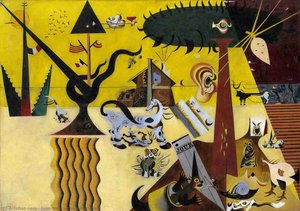
Miró's artistic output spanned decades, encompassing painting, sculpture, ceramics, printmaking, and collage—each medium serving as a vehicle for exploring his distinctive vision. The Farm (1922) stands as a seminal achievement, embodying the artist’s synthesis of Fauvist color palettes with Cubist fragmentation. It depicts a stylized Catalan landscape populated by fantastical creatures—birds, snails, and amorphous shapes—creating a dreamlike atmosphere that reflects Miró's preoccupation with subconscious imagery. The series *Dutch Interiors (1928)* demonstrated his ability to reinterpret the Old Masters through a modernist lens, transforming familiar domestic scenes into abstracted compositions infused with Surrealist symbolism. His collaborative efforts with Max Ernst on *Grattage* canvases—particularly *The Elephant Bird*—marked an important stage in his artistic experimentation and showcased his innovative techniques for revealing textures beneath layers of paint. Painting (1933) exemplifies Miró’s commitment to simplifying forms and prioritizing color, resulting in striking images that convey a sense of immediacy and emotional intensity.Legacy and Enduring Influence
Joan Miró's contribution to modern art is undeniable. He challenged conventional artistic norms and championed abstraction as a means of expressing inner experience—a legacy that continues to inspire artists today. His unwavering belief in the power of imagination and his refusal to compromise on his artistic vision solidified his place among the most influential figures of the 20th century. Miró established two foundations—the Fundació Joan Miró in Barcelona (1975) and the Fundació Pilar i Joan Miró in Palma de Mallorca (1981)—ensuring that his artistic legacy would endure, fostering creativity and promoting dialogue between art and society. His work remains a testament to the transformative potential of art—a vibrant celebration of Catalan identity and an enduring symbol of Surrealist innovation.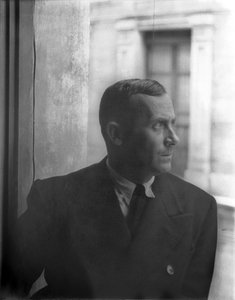
Joan Miró
1893 - 1983 , Španělsko
Rychlé informace o umělci
- Artistic Movement Or Style: Surrealismo
- Artists Or Movements Influenced By This Artist: ['Fauvismus']
- Artists Who Influenced This Artist:
- Pablo Picasso
- Cézanne
- Date Of Birth: 20 aprile 1893
- Date Of Death: 25 dicembre 1983
- Full Name: Joan Miró i Ferrà
- Nationality: Spagnolo
- Notable Artworks:
- La Poetisa
- Dům s palmy
- Tanečník s zrcadlem
- Place Of Birth: Barcelona, Spagna
Související články

Top 10 mistrovských děl abstraktního expresionismu | Umění a dekorace s OriginalUniqueArt.com
Prozkoumejte 10 ikonických děl abstraktního expresionismu od Pollocka, Rothka a dalších. Objevte příběhy za obrazy, techniky a barevné palety tohoto revolučního uměleckého hnutí. Reprodukce obrazů s OriginalUniqueArt.com – luxusní dekorace pro váš interiér. Prozkoumejte celou kolekci online!

Geometrická abstrakce: 10 mistrovských děl, které změnily umění | OriginalUniqueArt.cz
Prozkoumejte 10 ikonických děl geometrické abstrakce od Mondriana, Maleviče a Kandinského. Objevte příběhy umělců, techniky a historii tohoto revolučního hnutí. Najděte inspiraci pro moderní dekorace a luxusní reprodukce obrazů na OriginalUniqueArt.com.

Joan Miró: 25 mistrovských děl katalánského surrealismu pro váš domov | OriginalUniqueArt
Prozkoumejte 25 ikonických děl Joana Miró – katalánského mistra surrealismu. Objevte příběhy za abstraktními kompozicemi, živými barvami a jedinečným stylem. Reprodukce obrazů pro váš interiér na OriginalUniqueArt.com

Wassily Kandinsky: Top 25 mistrovských děl abstrakce pro váš interiér | OriginalUniqueArt.com
Prozkoumejte 25 ikonických děl Wassily Kandinského – průkopníka abstraktního umění a expresionismu. Objevte příběhy za barevnými kompozicemi, Bauhaus styl a inspirujte se pro váš interiér s reprodukcemi nejvyšší kvality na OriginalUniqueArt.com.
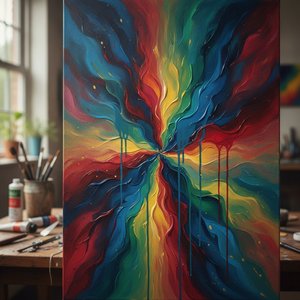
Lyrical Abstraction: The Emotional Power of Color and Form in Modern Art History
Explore the profound emotional depth of Lyrical Abstraction. Discover how masters like Raymond Parker used color and form to bridge Impressionism and Abstract Expressionism. Learn about this pivotal movement through our expert-led art history guide.