
 Náhled v interiéru
 Sdílet
 Sdílet
 Podrobnosti o díle
 Průvodce

 Stáhnout
 Podobné položky
 Rentgenové snímky
 Slideshow
 Otázky a odpovědi
 Statistiky
Self-Portrait

- 61.0 x 49.0 cm


 Zobrazit více
Giclée / Umělecký tisk
Giclée nebo plátěný tisk muzeální kvality s rychlou výrobou a širokou nabídkou povrchových úprav. ( Koupit ručně malovaný obraz Přepnout na digitální obraz)




P118B Kč10

P118H Kč10

P118W Kč10

P438Z Kč10

P508JH Kč12

P508YH Kč12

P805H Kč10

P805Z Kč10

P919BZ Kč10

P919G Kč10

P919XJ Kč10

P959ZH Kč10

P968JZ Kč12

W106C Kč8

W218G Kč10

W218JH Kč8

W218Y Kč10

W307PJ Kč10

W316G Kč10

W316PJ Kč8

W316Y Kč10

W398PJ Kč8

W4111J Kč10

W500HY Kč15

W500JH Kč15

W692G Kč12

W849H Kč8

W940BG Kč15

W953PJ Kč8




Vyberte si z našich přednastavených velikostí, které odpovídají původním proporcím díla.

Zadejte šířku a výšku, které potřebujete pro váš rám nebo stěnu. Tisk lze pouze oříznout, nikdy však nelze zvětšit obraz nad jeho původní rozměr, proto při výběru jiného formátu dochází ke ztrátě části obrazu. Před samotným tiskem vám zašleme digitální náhled k schválení. Obraz zobrazený na této stránce nenabízí skutečný výřez — ten uvidíte pouze v náhledu.
Celosvětové doručení () do 2 týdnů namísto standardních 4/5 týdnů. (15 listopad)

Zdarma celosvětová expresní doprava

Vysoce kvalitní lněné plátno

Kompletní pojištění přepravy

Záruka vrácení celního poplatku

Záruka věrného barevného souladu

100dení lhůta pro vrácení zboží (pouze při vadách výroby)

100% záruka vrácení peněz

Sleva při více objednávkách
 Skleněná varianta je dostupná pouze u rozměrů menších než 110 cm

Self-Portrait
Giclée / Umělecký tisk
Rozměry reprodukce
-


Celková cena za vybrané možnosti reprodukcí
Kč 1753
Jean-Étienne Liotard’s “Self-Portrait,” A Window into Rococo Introspection
The year 1744 marks a pivotal moment in the artistic trajectory of Jean-Étienne Liotard, a Genevan painter whose oeuvre is defined by an exquisite blend of naturalism and ethereal beauty. His “Self-Portrait,” housed within the hallowed halls of the Uffizi Gallery in Florence, isn’t merely a depiction of a man; it's a carefully constructed meditation on identity, perception, and the delicate balance between the observed world and the inner self. Painted during his period in Rome, this pastel masterpiece exemplifies Liotard’s signature style – a luminous, almost dreamlike quality achieved through masterful layering and an unparalleled sensitivity to light and texture.
Liotard's technique is immediately striking. He eschews the rigid formality of traditional portraiture, opting instead for a relaxed pose and a gaze that feels both direct and contemplative. The pastel medium itself—a relatively new tool in 18th-century art—allowed Liotard to build up color with astonishing subtlety, creating an effect akin to sfumato, the hazy blurring technique perfected by Leonardo da Vinci. Notice how he employs delicate washes of pinks, blues, and greens to capture the nuances of light on his face and clothing, imbuing the portrait with a sense of atmospheric depth. The background, rendered in loose, impressionistic strokes, isn’t merely decorative; it subtly reinforces the feeling of introspection, suggesting an inner landscape mirroring the sitter's thoughts.
A Genevan Artist Embraces the Orient
Born in Geneva in 1702, Liotard’s early life was shaped by his Huguenot heritage and a rigorous artistic training under esteemed miniaturists. However, it was his sojourn to Constantinople between 1738 and 1742 that profoundly influenced his artistic vision. Immersed in the vibrant culture of the Ottoman Empire, he developed a fascination with Eastern aesthetics – particularly the use of rich colors, luxurious fabrics, and the portrayal of everyday life. This influence is subtly present in “Self-Portrait,” not through overt Orientalist tropes, but rather through the overall mood of serenity and an appreciation for tactile textures. The loose brushwork and soft color palette evoke a sense of exoticism without resorting to stereotypical imagery.
Interestingly, Liotard’s embrace of the East wasn't solely aesthetic; it was also deeply personal. He deliberately adopted Turkish dress in his portraits, a conscious decision that challenged European conventions and established him as a unique figure within the art world. This choice, documented in numerous accounts, reflected not just an artistic preference but a genuine engagement with a culture vastly different from his own. It’s a testament to Liotard's intellectual curiosity and willingness to transcend conventional boundaries.
Symbolism of Inner Reflection
Beyond its technical brilliance, “Self-Portrait” is rich in symbolic meaning. The sitter’s direct gaze invites the viewer into his world, fostering a sense of intimacy and shared contemplation. The slightly parted lips suggest a quiet amusement, while the subtle furrow of his brow hints at underlying thoughts and emotions. Some art historians have interpreted the portrait as an exploration of the concept of “inner space”—a realm where the self is revealed through careful observation and artistic representation.
The inclusion of a small, partially visible book in the foreground adds another layer of complexity. It’s a subtle nod to Liotard's own intellectual pursuits – his studies of art theory and his role as an art dealer. The book symbolizes knowledge, reflection, and the pursuit of understanding—qualities that are central to the portrait’s overall message. The soft lighting and hazy atmosphere further contribute to this sense of introspection, creating a space where the viewer is invited to contemplate not just the subject's appearance but also his inner world.
A Timeless Masterpiece for Collectors
Liotard’s “Self-Portrait” remains a captivating work of art, offering a rare glimpse into the mind and soul of a remarkable artist. Its delicate pastel technique, evocative atmosphere, and profound symbolism continue to resonate with viewers centuries after its creation. A high-quality reproduction captures much of this beauty, making it an ideal addition to any collection or interior space. The painting’s luminous quality and contemplative mood create a sense of serenity and intellectual engagement—a perfect choice for those seeking art that transcends mere decoration.
Otázky a odpovědi
Jakou náladu a emoci vyjadřuje „Self-Portrait“ od Jean-Étienne Liotard?
Zachycená nálada díla „Self-Portrait“ od Jean-Étienne Liotard je Elegant a jeho emocionální náboj je Reflective.
Mohu využít rozšířenou realitu k tomu, abych si prohlédl(a) „Self-Portrait“ od Jean-Étienne Liotard ve své místnosti?
Stránka Náhled v rozšířené realitě pro dílo „Self-Portrait“ od Jean-Étienne Liotard využívá rozšířenou realitu k tomu, abyste si toto umělecké dílo mohli pomocí kompatibilního zařízení prohlédnout přímo ve svém vlastním prostoru.
Jakou převládající barvu má dílo „Self-Portrait“ od Jean-Étienne Liotard?
Barvou, která v díle „Self-Portrait“ nejvíce vyniká, je Clay (#a67555). Dominantní barva je užitečná při sladění uměleckého díla s interiérem.
Biografie umělce
Raný život, rodina a výcvik
Jean-Étienne Liotard se narodil 22. prosince 1702 v německém Ženevě ve Švýcarsku. Pocházel z rodiny francouzských protestantů, kteří museli hledat útočiště v Genevě po událostech z roku 1685. Jeho příchod na svět byl doprovázen dvojčetem, Jeanem-Michelem, který si později našel vlastní cestu jako výtvarník a rytíř. Toto rané prostředí, ovlivněné migrací jeho rodičů, poskytlo tiché a disciplinované základy pro roky studia, které následovaly.
Jeho formální výuka začala v Genevě pod dohledem profesorů Daniela Gardelle a Petitota. Právě v těchto raných lekcích poprvé ovládl jemné komplikace smaltovaného a miniaturního malířství, technik, které vyžadovaly steady ruku a bystré oko pro detail. Tyto formativní roky upečetily technickou preciznost, která bude definovat jeho pozdější tvorbu, dávno předtím, než vyrazil za širšími horizonty mimo švýcarské hranice.
V roce 1725 se mladý umělec přestěhoval do Paříže, aby dále rozvíjel svůj talent. Strávil tři roky ve dílně Jean-Baptiste Massé, což byla éra spíše charakterizovaná profesní prací než formálním učňovstvím. Během této doby pracoval jako asistent a vytvářel mnoho kopií existujících děl, aby se uživil. Tato praktická imerze do pařížské umělecké scény mu poskytla nezbytný vhled do tehdejších vkusů a připravila ho na cesty, které ho nakonec dovedly až k Osmanskému impériu.
Život a působení v Konstantinopoli
Liotardovo působení v Konstantinopoli, které začalo v roce 1738 a trvalo čtyři roky, zásadně změnilo celou trajektorii jeho umělecké kariéry. Ponořen do fascinujícího světa Osmanské říše si v něm našel hlubokou fascinaci východní estetikou. Nebyl to však pouze povrchní zájem o exotiku; Liotard se snažil skutečně pochopit textury a barvy kultury, která byla od jeho rodných ženevských kořenů zcela vzdálená. Jeho pozorování byla nesmírně pečlivá, soustředila se na tichou harmonii domácího života a specifické detaily místních obvyklostí.
Nebyl pouze pasivním pozorovatelem z okraje. Liotard se plně vtělil do místního životního stylu a ve své každodenní existenci si často nosil turecké oděvy. Tato jeho volba byla tak vytrvalá, že si nakonec získal přezdívku „turecký malíř“. Díky tomu, že se dokázal organicky integrovat do sociální tkáně města, získal přístup k intimním scénám, kterých by náhodný cestovatel pravděpodobně nikdy neuviděl. Jeho pastely z tohoto období zachycují tyto domácí interiéry s pocitem autentické přítomnosti a vyvěstají se z povrchnosti, kterou lze často nalézt v tehdejších orientalistických dílech.
- Turkish Woman with a Tambourine (1738)
- A Turk Seated (cca 1740)
Technika a umělecký styl
Liotardův přístup k umění byl zakořeněn v nekompromisní věrnosti naturalismu. Ve svém traktátu Traité des principes et des règles de la peinture tvrdil, že posláním malířství je sloužit jako zrcadlo přírody. Tato filozofie vedla jeho ruku bez ohledu na to, zda pracoval s olejem, v grafice, nebo s jeho nejpřehlednějším a nejtypičtějším médiem – pastelou. Snažil se zachytit svět s takovou precizností, která se vyhýbala umělosti často nacházetelnou v portrétní tvorbě jeho éry.
Jeho mistrovství v práci s pastelou mu umožnilo dosáhnout luminosity, kterou dokázali napodobit jen málokdy jeho současníci. Barvu na povrch jen tak neobtahoval; pastelověl s velkým důrazem a silou, aby na podkladu vybudoval hloubku tónů. Tato technika vyžadovala specifickou přípravu materiálů. Často pracoval na vellumu – telecím, kozím nebo jehněčím kůži – která byla ošetřena směsí rybího lepidla, vína a jemného pumexu, což vytvářelo nezbytnou texturu pro jeho vrstvené nanášení barvy.
Tato technická preciznost se projevuje v jeho schopnosti vykreslit jemné textury látek i něžné nuance lidské pleti. Jeho portréty jsou známé svou ohromující detailností, která zachytává unikátní charakter modela prostřednictvím jemné práce se světlem. Ačkoliv mu jeho cesty přinesly exotická témata, jeho metoda zůstávala neochvějně zaměřena na pravdivé pozorování svých modelů.
Významná díla a mistrovská díla
Rok 1744 se pro jeho tvorbu stal zásadním milníkem, který ozvonil vznikem obrazu The Chocolate Girl a významného díla nazvaného Self-Portrait. Tento druhý portrét, který je dnes uchováván v galerii Galleria degli Uffizi ve Florencii, nabízí fascinující pohled na jeho vlastní identitu skrze jemnost pastelu. V tomto díle využívá materiál k budování barvy pomocí subtilní, vrstevnaté techniky, která dosahuje neuvěřitelného pocitu atmosférického hloubku. Jeho schopnost zachytit nejjemnější nuance světla a textury mu umožnila vzdálit se od rigidní formality, kterou lze v tradiční portrétní malbě tehdejší éry tak často nalézt.
Jeho hlubší spojení s intelektuálními kruhy Evropy je zřejmé v obraze Portrait of Francesco Algarotti, který dokončil v roce 1745. Toto pastelové dílo zachytává subjekt s plynulou, zářivou kvalitou a zdůrazňuje charakter filozofa prostřednictvím delikatních tónových přechodů. Podobně jako v tomto případě je jeho mistrovství v zachycování mladistvých postav patrné v obraze Portrait of Maria Frederike van Reede-Athlone at Seven Years of Age*, který je uchováván v muzeu J. Paul Getty Museum v Los Angeles. Tyto portréty prokazují neuvěřitelnou schopnost vyvážit fyzickou podobnost s hlubokým pocitem přítomnosti modela.
V pozdějších etapách své kariéry se jeho zájmy rozšířily i na krajinné motivy jeho rodinného regionu. V roce 1770 vytvořil obraz View of the Mont Blanc massif from the artist's studio in Geneva, with self-portrait. Toto plátno olejem na plátně zachycuje výhled na švýcarské Alpy skrze velké okno a mistrně prolíná vnější grandióznost hor s tichým, vnitřním prostorem jeho vlastního ateliéru. Dílo zůstává významným svědectvím jeho schopnosti spojit striktní realismus s měkkým, téměř impresionistickým přístupem k práci se světlem a perspektivou.
Pozdní roky a smrt
Poslední desetiletí Liotardova života poznamenalo přecházení od pozorovatelské přesnosti jeho raných let k hlubšímu, teoretickému zamyšlení nad vlastním řemeslem. V roce 1781 vydal svůj traktát, Traité des Principes et règles de la Peinture, dílo, které se snažilo kodifikovat podstatné standardy jeho profesi. Tato publikace byla odrazem celoživotního technického zkoumání, které se vymykalo pouhému napodobování tvarů a zaměřovalo se na fundamentální principy daného uměleckého média.
I když se jeho zájmy přesunuly k intelektuálním základům umění, jeho ruka zůstala v ateliéru stále aktivní. Neopustil samotný akt tvorby a i ve svých pozdních letech pokračoval v malování zátiží a krajin. Tato pozdější díla, často soustředěná kolem klidu přírody nebo pečlivé kompozice předmětů, tvořila stálý umělecký přínos vedle jeho slavnější portrétní tvorby. Do úplného konce zůstal věrným mužem ateliéru.
Liotard se nakonec vrátil ke svým kořenům do Ženevy, města, kde se narodil jako syn kupce Antoine'a a Anne Sauvage. Zůstal v této známé krajině až do své smrti 12. června 1789. Jeho odchod nastal na prahu měnící se éry, a zanechal po sobě bohatý dorozumění mezi precizní detailností raného eighteenth století a proměnlivým vkusem pozdního osvícenství.
Kde dnes spatřit jeho díla
Rozptyl Liotardova díla po celé Evropě i mimo ni nabízí fascinující možnost studovat jeho technickou preciznost v mnoha různých kontexstech. Rijksmuseum v Amsterdamu disponuje nejrozsáhlejší sbírkou jeho tvorby, kde se nachází třináct děl odrážejících jeho naprostou ovládnutí zvoleného média. V Londýně zase Královská sbírka uchovává deset děl, která nám nabízejí vzestupný pohled na portréty, jež kdysi kolovaly mezi britskou elitou. Pro ty, kteří hledají jeho intimnější, hlubší výzkumy, je pak ideální zastávkou Musée d'Art et d'Histoire v Genevě, které pohospodářuje významnou sbírku jeho pastelových kreseb a pastelů.
Jeho přítomnost v prestižních mezinárodních institucích zůstává neochvějná. J. Paul Getty Museum v Los Angeles uchovává čtyři jeho díla, zatímco florentinská Galerie Uffizi chrání jeho Autoportrét z roku 1744. Tato díla, rozprostřená od švýcarských Alp až k břehům Středozemního moře, tvoří fascinující fyzickou mapu života stráveného neustálým pohybem mezi kulturními centry Evropy a Osmanské říše.
- 1744: Autoportrét - Galleria degli Uffizi, Florencie
- 1744: Čokoládová dívka - Gemäldegalerie, Drážďany
- 1754: Portrét prince Edwarda, vévody z Yorku a Albany - Královská sbírka, Londýn
- 1756: Portrét Marie Frederike van Reede-Athlone v sedmi letech - J. Paul Getty Museum, Los Angeles

Jean-Étienne Liotard
1702 - 1789 , Švýcarsko
Rychlé informace o umělci
- Artists Who Influenced This Artist:
- Daniel Gardelle
- Petitot
- Jean-Baptiste Massé
- François Lemoyne
- Date Of Birth: 1702
- Date Of Death: 1789
- Full Name: Jean-Étienne Liotard
- Nationality: Švýcarská
- Notable Artworks:
- Holandka u snídaně
- La liseuse
- Čokoládová dívka
- La belle lyonnaise
- Maria Frederike van Reede-Athlone v sedmi letech
- Place Of Birth: Ženeva, Švýcarsko
Související články

The Introspective Gaze: Tracing the Evolution and Psychological Depth of the Self-Portrait
Explore the psychological evolution of self-portraiture from Dürer to modern masters. Trace the history of the human gaze with us.
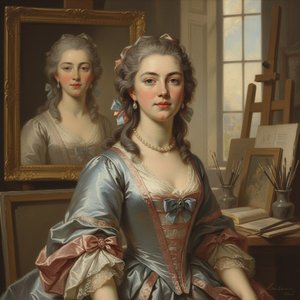
Jean-Étienne Liotard: Rococo Portraiture & the Pursuit of Naturalism
Explore the exquisite Rococo portraits of Jean-Étienne Liotard, a master of pastel and enamel. Discover his innovative techniques, captivating Turkish scenes, and lasting influence on art history. Learn more at OriginalUniqueArt.

Jean-Marc Nattier: Rococo Portraiture & Aristocratic Patronage
Explore the exquisite Rococo portraits of Jean-Marc Nattier, favored by French aristocracy. Discover his artistic techniques, patronage network, and lasting legacy – a guide for discerning collectors.

Beyond Decor: How Custom Historical Portraits Redefine Modern Self-Expression
Discover how custom historical portraits transcend decor to become profound expressions of identity. Explore the artistry of bespoke oil reproductions, from Renaissance mastery to modern reimagining, and learn to transform personal legacies into museum-quality fine art masterpieces.

25 Iconic Masterpieces by Henri de Toulouse-Lautrec: Capturing the Spirit of Montmartre
Step into the vibrant nightlife of Montmartre with our curated guide to the top 25 Henri de Toulouse-Lautrec masterpieces. Explore the soul of Post-Impressionism through iconic prints and museum-quality reproductions. Discover all masterpieces on OriginalUniqueArt.com.
