Zobrazit v interiéru
 Odeslat
 Sdílet
 Podrobnosti
 Průvodce

 Stáhnout obrázek
 Podobné kousky
 Rentgenové snímky
 Slideshow
 Statistiky
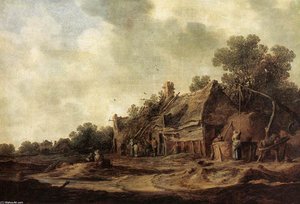
Landscape with Oak
 Oil On Canvas
- WallArt
- Dutch Golden Age Landscape
 1634
1634 87.0 x 105.0 cm
 Státní Ermitáž
 Přečíst si více
Giclée / Umělecký tisk
Giclée nebo plátěný tisk muzeální kvality s rychlou výrobou a širokou nabídkou povrchových úprav. ( Objednat ručně malovanou reprodukci Přepnout na digitální verzi obrazu)




P118B $10

P118H $10

P118W $10

P438Z $10

P508JH $12

P508YH $12

P805H $10

P805Z $10

P919BZ $10

P919G $10

P919XJ $10

P959ZH $10

P968JZ $12

W106C $8

W218G $10

W218JH $8

W218Y $10

W307PJ $10

W316G $10

W316PJ $8

W316Y $10

W398PJ $8

W4111J $10

W500HY $15

W500JH $15

W692G $12

W849H $8

W940BG $15

W953PJ $8




Vyberte si z našich přednastavených velikostí, které odpovídají původním proporcím díla.

Můžete zadat vlastní rozměry tak, aby výtvor odpovídal konkrétnímu rámu nebo prostoru. Pokud zvolená velikost nebude odpovídat poměru stran původního obrazu, dílo buď ořížeme, nebo obraz rozšíříme pomocí zrcadlového efektu či jednobarevného okraje. Před zahájením výroby vám bude zaslán digitální náhled k schválení.
Mějte prosím na paměti, že náhled na obrazovce neodráží skutečné oříznutí nebo rozšíření. Pouze digitální náhled přesně zobrazí finální kompozici.
Ačkoliv jsou k dispozici i vlastní rozměry, pro zachování původních proporcí doporučujeme vybrat si rozměr z předdefinovaného seznamu.
Celosvětové doručení () do 2 týdnů namísto standardních 4/5 týdnů. (25 září)

Zdarma celosvětová expresní doprava

Vysoce kvalitní lněné plátno

Úplné pojištění přepravy

Záruka vrácení celního poplatku

Záruka věrného barevného shodu

100dení lhůta pro vrácení zboží (pouze při vadách výroby)

100% garance vrácení peněz

Sleva při více objednávkách
 Skleněná varianta je dostupná pouze u rozměrů menších než 110 cm

Landscape with Oak
Giclée / Umělecký tisk
Velikost reprodukce
-


Celková cena
$ 80
A Serene Dutch Landscape: Jan van Goyen’s “Landscape with Oak”
Jan Josephszoon van Goyen's "Landscape with Oak," painted in 1634, is more than just a depiction of a rural scene; it’s a masterful distillation of the Dutch Golden Age’s fascination with light, atmosphere, and the quiet beauty of the natural world. This oil on canvas, now residing within the esteemed collection of the Hermitage Museum in St. Petersburg, offers a profound glimpse into the artist's unique approach to landscape painting – one characterized by subtle tonal variations, an almost meditative stillness, and a remarkable ability to evoke a sense of place.
Van Goyen’s style, developed over decades of diligent observation and practice, moved away from the opulent detail favored by some of his contemporaries. Instead, he embraced a more restrained palette – primarily grays, browns, and greens – skillfully layering thin washes of paint to create an illusion of depth and distance. The oak tree itself dominates the composition, its gnarled branches reaching skyward like ancient arms, while a small thatched cottage nestles amongst the rolling hills in the background. The artist’s genius lies not in dramatic contrasts or bold colors, but in his ability to capture the fleeting effects of light on water and foliage – a technique honed through years of studying nature directly from life.
Historical Context and Artistic Influences
To understand “Landscape with Oak,” it's crucial to consider its historical context. The early 17th century in the Netherlands was a period of immense prosperity, fueled by trade and burgeoning artistic patronage. Dutch landscape painting, particularly during this era, wasn’t solely about documenting reality; it often carried symbolic weight, reflecting on themes of faith, morality, and the relationship between humanity and nature. Van Goyen's work aligns with this broader cultural context, offering a serene vision of rural life that resonated deeply with his audience.
Van Goyen’s artistic development was significantly shaped by his early training under Esaias van de Velde in Haarlem. However, he quickly established his own distinctive style, prioritizing atmospheric perspective and the subtle nuances of light and shadow. His meticulous observation of Dutch landscapes – from the canals of Leiden to the fields surrounding Delft – informed a body of work that is both deeply rooted in tradition and remarkably innovative.
Decoding the Symbolism
While seemingly simple, “Landscape with Oak” is rich in symbolic meaning. The oak tree itself represents strength, longevity, and connection to the earth—a potent symbol frequently employed in Dutch art. The small cottage suggests a humble existence, reflecting the values of hard work and piety prevalent during the period. The distant hills and sky contribute to a sense of vastness and timelessness, inviting contemplation on the enduring beauty of nature.
Furthermore, the muted color palette contributes to the painting’s overall mood of tranquility and introspection. The absence of vibrant hues reinforces the idea that true beauty lies not in ostentatious display but in quiet observation and appreciation for the subtle details of the natural world. The composition invites the viewer to step into this serene landscape and experience a moment of peaceful reflection.
A Timeless Masterpiece: Reproduction and Beyond
Reproductions of “Landscape with Oak” offer an accessible way to bring this iconic work into your home or office. Whether you choose a high-quality print on canvas, paper, or metal, the painting’s atmospheric qualities and evocative symbolism will continue to captivate viewers for generations to come. Van Goyen's ability to capture the essence of Dutch landscapes remains remarkably relevant today, reminding us of the enduring power of nature to inspire and uplift.
Consider this artwork as more than just a decoration; it’s a window into a bygone era—a testament to the artistic skill and cultural values of the Dutch Golden Age. It's an invitation to slow down, appreciate the beauty around us, and find solace in the simple pleasures of life.
Biografie umělce
Jan van Goyen: A Life in Landscape
Jan Josephszoon van Goyen (1596 – 1656) stands as one of the most celebrated figures in Dutch Golden Age painting, a master whose serene landscapes continue to inspire awe and admiration centuries later. Born in Leiden on January 13, 1596, he embarked upon an artistic journey that would solidify his place amongst the titans of his era—a journey marked by meticulous observation, understated brilliance, and a profound connection to the Dutch countryside.Early Life and Training
Van Goyen’s formative years were spent in Leiden, where he began his artistic education at a remarkably young age – ten! Recognizing his innate talent, his father entrusted him to the tutelage of Isaac van Swanenburgh (c. 1537–1614), a respected artist who instilled in him the principles of realistic depiction and compositional balance. This initial training proved invaluable, shaping Van Goyen’s artistic sensibilities and establishing a foundation for his subsequent explorations of landscape art. He further honed his skills under Esaias van de Velde in Haarlem, absorbing influences from another prominent painter whose style championed vibrant color palettes and detailed observation—a stylistic contrast that would ultimately contribute to Van Goyen's distinctive approach.Artistic Style and Development
What immediately distinguishes Van Goyen’s oeuvre is its remarkable simplicity. Unlike many of his contemporaries who embraced elaborate ornamentation and dramatic chiaroscuro, he deliberately eschewed excessive embellishment, prioritizing tonal variations—primarily grays, browns, and greens—to convey the subtle moods of Dutch skies and waterscapes. This stylistic choice wasn't merely aesthetic; it reflected a deeper conviction that capturing the essence of nature required restraint and precision. His early works bear the unmistakable imprint of Van de Velde’s influence, yet he swiftly cultivated his own singular style, focusing on conveying atmosphere and capturing the spirit of the Dutch landscape with remarkable accuracy.Prolific Output and Notable Works
Throughout his prolific career—estimated to produce around 1,200 paintings and over 1,000 drawings—Van Goyen relentlessly pursued artistic excellence. Among his most iconic creations are *River Landscape with Windmill*, a quintessential embodiment of tonal landscapes that exemplifies his mastery of light and shadow; and *Fishermen by the Lakeshore*, which showcases his ability to depict tranquil waterscapes with breathtaking subtlety. He frequently depicted scenes of rivers, lakes, dunes, and expansive skies—each canvas imbued with a palpable sense of place and infused with an artist’s unwavering dedication to capturing the beauty of the Dutch countryside. His meticulous attention to detail ensured that every brushstroke conveyed not just visual information but also emotional resonance.Influences and Legacy
Though undeniably influenced by Esaias van de Velde, Van Goyen's artistic vision transcended mere imitation. He directly impacted artists such as Jan Steen, who served as one of his pupils—a testament to Van Goyen’s enduring influence on the artistic landscape of his time. His insistence on realism and atmospheric effects paved the way for subsequent generations of landscape painters, establishing him as a pivotal figure in shaping the trajectory of Dutch art history. ## Financial Struggles and Later Life Despite achieving considerable renown during his lifetime—a recognition reflected in commissions from wealthy patrons—Van Goyen faced persistent financial difficulties. He engaged in diverse business ventures, including speculative investments in tulips (during “Tulip Mania”), which tragically ended in ruin; and real estate endeavors that yielded inconsistent results. By the time of his death on April 27, 1656, in The Hague, he was burdened by debts amounting to approximately 18,000 guilders—a sobering reminder that artistic genius does not always guarantee financial prosperity. ## Historical Significance Jan van Goyen’s legacy extends far beyond the canvases bearing his signature. He is considered a cornerstone of Dutch Golden Age painting and an indispensable contributor to the development of landscape art—a genre that would dominate European artistic sensibilities for decades to come. His unwavering commitment to portraying the Dutch countryside with unparalleled realism and atmospheric depth ensured that he would be remembered as one of the most important artists of his era—a figure whose work continues to captivate audiences today, offering a timeless glimpse into the beauty and tranquility of seventeenth-century Holland.
Jan van Goyen
1596 - 1656 , Německo
Rychlé informace
- Artistic Movement Or Style: Dutch Golden Age painting
- Artists Or Movements Influenced By This Artist: Jan Steen
- Artists Who Influenced This Artist: Esaias van de Velde
- Date Of Birth: January 13, 1596
- Full Name: Jan Josephszoon van Goyen
- Nationality: Dutch
- Notable Artworks:
- River Landscape with Windmill
- Fishermen by the Lakeshore
- Place Of Birth: Leiden, Netherlands
Související články

Rembrandt van Rijn: Top 25 mistrovských děl pro váš interiér | OriginalUniqueArt.cz
Prozkoumejte 25 nejlepších děl Rembrandta van Rijna – od portrétů po biblické scény. Objevte příběhy, techniky a inspiraci nizozemského baroka. Reprodukce obrazů pro váš interiér na OriginalUniqueArt.cz.
Cornelis van Poelenburch: Bridging Mannerism & the Dutch Baroque Landscape
Discover Cornelis van Poelenburch, a pivotal Dutch Baroque landscape painter bridging Mannerism & Italianate styles. Explore his life, key works, and lasting influence on 17th-century art with OriginalUniqueArt.

Golden Light & Dutch Skies: The Timeless Magic of Dutch Golden Age Landscapes
Discover the breathtaking beauty of Dutch Golden Age landscapes. Explore the mastery of light, chiaroscuro, and 17th-century realism through an expert art history lens, celebrating the enduring legacy of the Dutch Masters for discerning collectors and art lovers.

Jan van Goyen: Master of Dutch Landscape & Atmospheric Perspective
Discover Jan van Goyen, the master of Dutch landscape painting. Explore his subtle technique, atmospheric realism & lasting influence on art history. Learn about this 17th-century pioneer at OriginalUniqueArt.
Jacob van Ruisdael: Master of Dutch Landscape & the Evocation of National Identity
Explore the life & work of Jacob van Ruisdael, the preeminent Dutch landscape painter. Discover his technical brilliance, symbolic depth, and lasting influence on art history. Learn about collecting Ruisdael's masterpieces.