

 Zobrazit v interiéru
 Odeslat
 Sdílet
 Podrobnosti
 Průvodce

 Stáhnout obrázek
 Podobné kousky
 Rentgenové snímky
 Slideshow
 Statistiky
David de Ruyter

 Přečíst si více
Giclée / Umělecký tisk
Giclée nebo plátěný tisk muzeální kvality s rychlou výrobou a širokou nabídkou povrchových úprav. ( Objednat ručně malovanou reprodukci Přepnout na digitální verzi obrazu)




































Vyberte si z našich přednastavených velikostí, které odpovídají původním proporcím díla.

Zadejte šířku a výšku, které potřebujete pro váš rám nebo stěnu. Tisk lze pouze oříznout, nikdy však nelze zvětšit obraz nad jeho původní rozměr, proto při výběru jiného formátu dochází ke ztrátě části obrazu. Před samotným tiskem vám zašleme digitální náhled k schválení. Obraz zobrazený na této stránce nenabízí skutečný výřez — ten uvidíte pouze v náhledu.
Celosvětové doručení () do 2 týdnů namísto standardních 4/5 týdnů. (24 říjen)

Zdarma celosvětová expresní doprava

Vysoce kvalitní lněné plátno

Úplné pojištění přepravy

Záruka vrácení celního poplatku

Záruka věrného barevného shodu

100dení lhůta pro vrácení zboží (pouze při vadách výroby)

100% garance vrácení peněz

Sleva při více objednávkách
 Skleněná varianta je dostupná pouze u rozměrů menších než 110 cm

David de Ruyter
Giclée / Umělecký tisk
Velikost reprodukce
-


Celková cena
Kč 1709
Biografie umělce
Jan Anthonisz van Ravesteyn: A Master of Dutch Baroque Portraiture
Jan Anthonisz van Ravesteyn (c. 1572 – 1657) stands as a significant, yet often understated, figure in the vibrant world of 17th-century Dutch art. Born in The Hague, he emerged during a period of immense artistic flourishing—the Dutch Golden Age—and quickly established himself as a favored portraitist for the prestigious House of Nassau and other prominent families. His work offers a captivating glimpse into the lives and aspirations of the nobility, distinguished by a remarkable realism and an astute understanding of psychological nuance. Unlike some of his contemporaries who sought grand historical narratives, van Ravesteyn primarily focused on capturing the individual character of his subjects, imbuing each portrait with a sense of immediacy and intimacy.Early Life and Training
The precise details of van Ravesteyn’s early life remain somewhat elusive, shrouded in the typical gaps of historical records for artists of that era. It is believed he was born in The Hague, though his birthplace remains uncertain. His artistic training is equally debated; while some speculate a direct apprenticeship with Michiel Jansz van Mierevelt—a leading portraitist of the time—the evidence is circumstantial. What *is* clear is that van Ravesteyn quickly gained recognition within the Guild of St. Luke in The Hague, joining in 1598 and demonstrating considerable skill early on. This association with Mierevelt undoubtedly shaped his approach to portraiture, emphasizing naturalism and a keen observation of human form. His marriage in 1604 to Anna Arentsz van Berendrecht solidified his position within the city’s social fabric, further enhancing his opportunities for commissions.The Patronage of the House of Nassau
Van Ravesteyn's career truly flourished through his association with the House of Nassau, one of the most influential families in the Netherlands at the time. He became a trusted portraitist for various members—including Justinus van Nassau and later, his sons—and produced a substantial body of work commissioned by their court. These portraits weren’t merely formal representations; they were carefully crafted studies intended to project power, status, and lineage. The meticulous attention to detail – the rich fabrics, the subtle expressions, the intricate jewelry – all served to elevate the sitter and reinforce their position within the social hierarchy. Notably, he was commissioned to paint Hugo Grotius, a prominent philosopher and statesman, further cementing his reputation as a court artist of considerable standing.Style and Technique
Van Ravesteyn’s artistic style is characterized by a remarkable realism achieved through careful observation and skillful execution. He possessed an exceptional ability to render textures—the velvet of a gown, the sheen of polished metal, the delicate folds of fabric—with astonishing accuracy. His portraits are not idealized; rather, they present subjects in their natural state, capturing both their beauty and their imperfections. He employed a relatively dark palette, utilizing chiaroscuro – the dramatic contrast between light and shadow – to create depth and volume within his compositions. This technique heightened the sense of realism and drew attention to key features of the sitter’s face and clothing. His brushwork is generally smooth and controlled, contributing to the overall polished appearance of his portraits. He was a master of capturing fleeting expressions, conveying subtle emotions through minute shifts in the eyes or mouth.Legacy and Influence
Jan Anthonisz van Ravesteyn’s contribution to Dutch Baroque art is often overlooked compared to some of his more flamboyant contemporaries, but his influence on portraiture during the 17th century is undeniable. He demonstrated a remarkable ability to capture the essence of his subjects, creating portraits that are both visually stunning and psychologically insightful. His work served as a model for subsequent generations of Dutch artists, particularly in the realm of portraiture. His association with the Confrerie Pictura, a group of influential artists dedicated to artistic innovation and intellectual discourse, further solidified his place within the cultural landscape of the time. While he may not be as widely celebrated as Michiel Jansz van Mierevelt or Rembrandt, Jan Anthonisz van Ravesteyn remains a vital link in the chain of Dutch Baroque portraiture, offering a valuable window into the lives and aspirations of the elite during a transformative period in European history. His portraits continue to resonate with viewers today, revealing not only the outward appearance of his subjects but also their inner character and place within the world.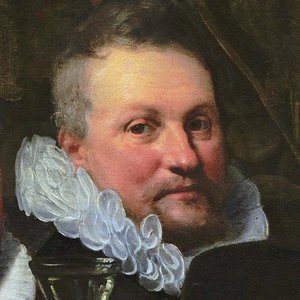
Jan Anthonisz Van Ravesteyn
1572 - 1657
Rychlé informace
- Full Name: Jan Anthonisz van Ravesteyn
- Nationality: Dutch
- Date Of Birth: 1572
- Date Of Death: 1657
- Place Of Birth: The Hague, Netherlands
- Notable Artworks:
- Self-portrait (1618)
- Portrait of Nicolaas Cromh
- Artistic Movement Or Style: Baroque portraiture
- Artists Who Influenced This Artist: ['Michiel Jansz Mierevelt']
- Artists Or Movements Influenced By This Artist:
- House of Nassau
- Dutch Golden Age art
Související články

Chiaroscuro and Character: A Definitive Guide to Light and Shadow in the Dutch Baroque Era
Explore the dramatic mastery of the Dutch Baroque era. Discover how masters like Rembrandt used chiaroscuro to transform everyday life into timeless art. An expert guide for collectors and enthusiasts seeking to understand the profound interplay of light and shadow.

Golden Age Reflections: Dutch Baroque Painting & Cultural Innovation
Explore the Dutch Golden Age of painting! Discover key artists like Vermeer & ter Borch, their innovative techniques, and the rich cultural context behind these Baroque masterpieces. Learn about collecting & appreciating this iconic art period.

Golden Light & Dutch Skies: The Timeless Magic of Dutch Golden Age Landscapes
Discover the breathtaking beauty of Dutch Golden Age landscapes. Explore the mastery of light, chiaroscuro, and 17th-century realism through an expert art history lens, celebrating the enduring legacy of the Dutch Masters for discerning collectors and art lovers.

Zlatý věk nizozemského malířství: 10 mistrovských děl pro váš domov | OriginalUniqueArt.com
Prozkoumejte 10 ikonických děl nizozemského zlatého věku – Rembrandt, Vermeer a další mistři. Objevte příběhy za obrazy, techniky a inspiraci pro váš interiér s reprodukcemi nejvyšší kvality na OriginalUniqueArt.com.

Top 10 mistrovských děl holandského baroka – obrazy a umělci | OriginalUniqueArt.cz
Objevte 10 ikonických děl holandského baroka! Prozkoumejte příběhy Rembrandta, Vermeera a dalších mistrů. Repliky obrazů nejvyšší kvality pro váš interiér na OriginalUniqueArt.cz – inspirace a umělecké reprodukce online.